What to Pack for a Canada Winter Trip: Your Ultimate Guide
Prepare for an unforgettable Canadian winter adventure with our comprehensive packing list and expert advice.
Get Your Packing ListKey Takeaways
- ✓ Layering is paramount for Canada's variable winter temperatures.
- ✓ Waterproof and windproof outerwear are non-negotiable.
- ✓ Thermal base layers are essential for warmth retention.
- ✓ Proper footwear prevents slips and keeps feet dry and warm.
- ✓ Accessories like hats, gloves, and scarves are crucial for exposed skin.
How It Works
Canada is vast, and winter conditions vary significantly by region. Research average temperatures and planned activities to tailor your packing.
Think in three key layers: a wicking base, insulating middle, and protective outer shell. This allows for flexible temperature regulation throughout your trip.
Invest in gear designed for extreme cold and moisture. Cheap alternatives often fail to provide adequate protection, compromising comfort and safety.
Beyond clothing, consider health, safety, and personal comfort items. This includes medications, chargers, sun protection, and entertainment for downtime.
The Foundation: Understanding Canada's Winter Climate
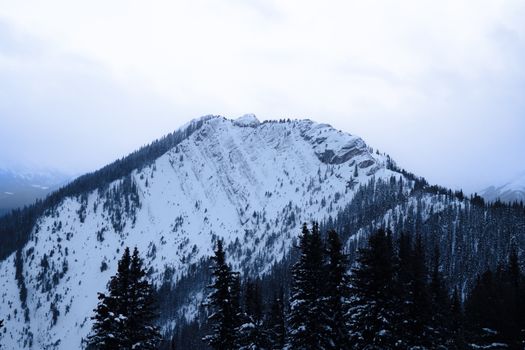 Photo: Michael Dice / Pexels
The Essential Layering System for Canadian Winters
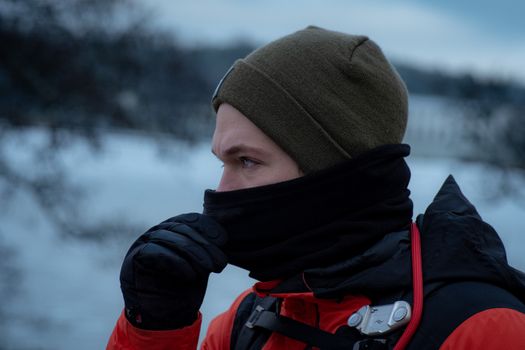 Photo: Nicolò Pais / Pexels
Footwear, Headwear, Handwear: Protecting Your Extremities
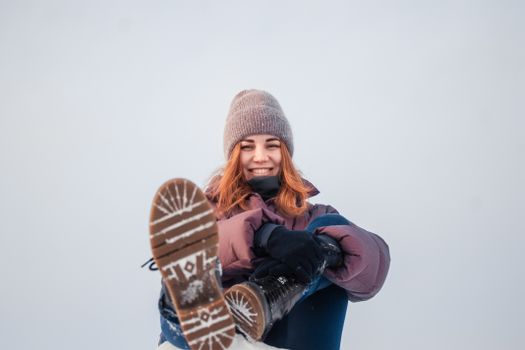 Photo: Sergey Ochkanov / Pexels
Essential Accessories & Practical Tips for Your Winter Trip
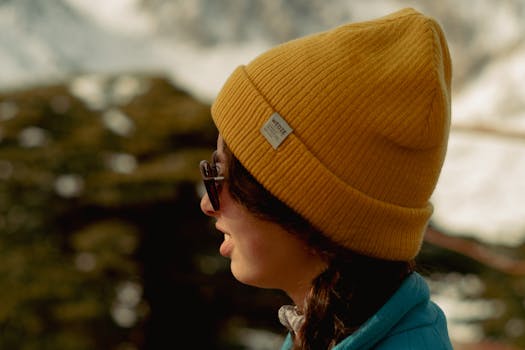 Photo: khebab salaheddine / Pexels
Comparison
| Feature | Best Option (Extreme Cold) | Alternative 1 (Moderate Cold) | Alternative 2 (City Winter) |
|---|---|---|---|
| Outer Jacket | 800-fill Down Parka (-30°C rated) | 600-fill Down/Synthetic Parka (-15°C rated) | Insulated Waterproof Shell Jacket |
| Base Layer | Heavyweight Merino Wool | Midweight Merino Wool/Synthetic | Lightweight Synthetic/Thermal |
| Footwear | Insulated Boots (-40°C rated) | Insulated Boots (-20°C rated) | Waterproof Leather Boots with Grip |
| Hand Protection | Waterproof Insulated Mittens | Waterproof Insulated Gloves | Wool/Fleece Gloves |
| Head Protection | Wool Beanie + Balaclava | Fleece Lined Beanie | Stylish Wool Beanie |
| Traction Aids | ✓ (Ice Cleats) | Optional (Ice Cleats) | ✗ |
| Snow Pants | ✓ (Insulated & Waterproof) | ✓ (Insulated & Waterproof) | ✗ (Warm Trousers) |
What Readers Say
"Following this guide for what to pack for my Canada winter trip to Banff was a game-changer. I was perfectly warm and dry, even during outdoor activities in -25°C weather. The layering advice was spot on, making me feel prepared for anything."
Sarah J. · Toronto, ON"I used this packing list for a trip to Quebec City and Montreal. The emphasis on waterproof boots and good gloves saved my feet and hands. I truly enjoyed exploring without feeling the biting cold."
Mark D. · Vancouver, BC"As a first-timer to Canadian winters, I was nervous about packing. This guide made it so easy to understand what to pack for a Canada winter trip. My trip to Jasper was incredible, and I felt comfortable and protected the entire time."
Emily R. · Calgary, AB"Great advice overall for what to pack for a Canada winter trip. I found the tips on accessories like sunscreen and lip balm particularly useful, as I hadn't considered them for winter. My only suggestion would be to emphasize packable down more."
David P. · Halifax, NS"Even as a Canadian, this guide offered fantastic reminders for packing for a winter trip to a different province. The breakdown of layers and specific items for extremities was very thorough. Highly recommend for any winter traveler."
Jessica L. · Winnipeg, MBFrequently Asked Questions
What are the absolute must-have items for a Canada winter trip?
The absolute must-have items include a high-quality, waterproof, and windproof winter jacket (parka), insulated waterproof winter boots with good traction, thermal base layers (tops and bottoms), warm mid-layer (fleece or down), and essential accessories like a warm hat, waterproof gloves/mittens, and merino wool socks. These form the core of your defense against the Canadian cold.
Can I wear jeans in Canada during winter?
While you can wear jeans, they are not recommended as your primary outer layer for warmth or outdoor activities. Cotton absorbs moisture, offering poor insulation when wet. For outdoor excursions, insulated snow pants or waterproof outer pants over thermal leggings are far superior. Jeans can be worn indoors or for very short periods outside in milder conditions, but always with thermal layers underneath.
How do I pack bulky winter clothes efficiently?
To pack bulky winter clothes efficiently, use packing cubes to compress items and keep them organized. Rolling clothes tightly can also save space. For your heaviest items like your winter jacket and boots, consider wearing them on the plane to save luggage space and weight. Vacuum-seal bags can also be effective but may cause wrinkles.
Is it worth investing in expensive winter gear for a short trip?
Yes, investing in quality winter gear, especially for key items like your jacket and boots, is highly recommended even for a short trip. The comfort and safety provided by good gear will significantly enhance your experience. Poor quality gear can lead to discomfort, cold, and even health risks like frostbite. Consider renting some items if budget is a concern, or look for sales on reputable brands.
What's the difference between down and synthetic insulation for jackets?
Down insulation (feathers) offers superior warmth-to-weight ratio and compressibility but loses its insulating properties significantly when wet. Synthetic insulation (e.g., Primaloft, Thinsulate) retains warmth even when damp and is often more affordable, though it tends to be heavier and bulkier than equivalent down. For very wet winter conditions, synthetic might be preferred, while down is excellent for dry, cold climates.
Who should prioritize waterproof gear the most?
Anyone visiting coastal regions of Canada (like British Columbia or parts of Atlantic Canada) or planning activities that involve significant contact with snow (skiing, snowboarding, snowshoeing, prolonged outdoor exploration) should prioritize highly waterproof and windproof gear. Even in drier, colder regions, having waterproof outer layers is crucial for comfort and safety.
What are the risks of under-packing for a Canadian winter trip?
Under-packing for a Canadian winter trip can lead to extreme discomfort, hypothermia, frostbite, and illness. You'll be unable to enjoy outdoor activities, spending more time trying to warm up than experiencing the beauty of Canada. It can also lead to unexpected expenses buying overpriced gear last-minute. Prioritizing warmth and protection is paramount for a safe and enjoyable journey.
How might winter packing lists evolve with climate change?
As climate change impacts weather patterns, future winter packing lists for Canada might need to emphasize adaptability even more. This could mean a greater focus on versatile layering systems that handle fluctuating temperatures, and perhaps more robust waterproof gear for regions experiencing increased freeze-thaw cycles and 'wetter' snow. Monitoring specific regional forecasts will become even more critical.
Armed with this comprehensive guide on what to pack for a Canada winter trip, you're now ready to embrace the magic of the Canadian cold. Don't let the weather deter you; with the right gear, your winter adventure will be unforgettable. Start planning your packing list today and prepare for an incredible journey!