
What to Pack for Canada Trip: Your Ultimate Guide
Prepare for any Canadian adventure with this comprehensive packing list, ensuring comfort and readiness for diverse climates and activities.
Start Packing SmartKey Takeaways
- ✓ Canada's climate varies drastically by region and season.
- ✓ Layering is crucial for comfort in Canada's unpredictable weather.
- ✓ Waterproof and windproof outer layers are essential for most trips.
- ✓ Adapt your packing list based on your specific activities (hiking, city, coastal).
How It Works
Canada is vast; packing for Vancouver in summer differs greatly from Banff in winter. Research average temperatures and precipitation for your specific travel dates and locations to tailor your clothing choices.
Are you hitting the trails, exploring urban centers, or relaxing by a lake? Your planned activities will dictate specialized gear, from hiking boots to swimwear, ensuring you're prepared for every adventure.
Canada's weather can change quickly. Pack versatile layers – a base layer, mid-layer, and outer shell – to easily adapt to temperature fluctuations and stay comfortable throughout your journey.
Beyond clothing, remember crucial items like travel documents, medications, appropriate footwear, and personal hygiene products. A comprehensive checklist prevents last-minute scrambles and ensures a smooth trip.
Understanding Canada's Diverse Climates and Regions for Packing
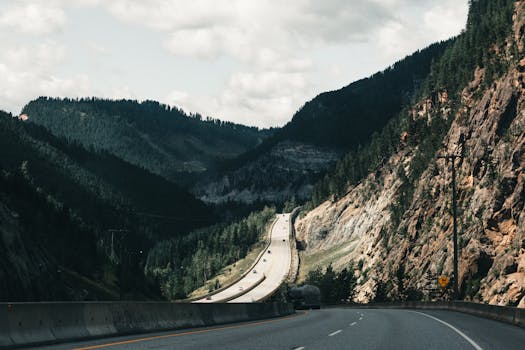 Photo: Ali Kazal / Pexels
Essential Clothing Layers for Any Canadian Expedition
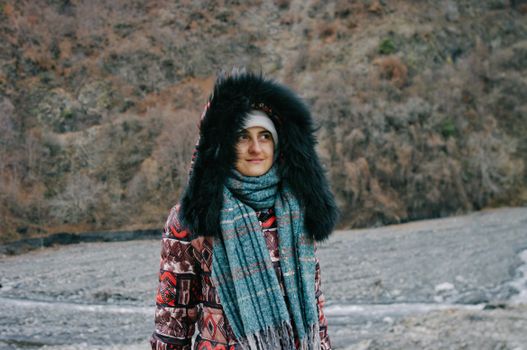 Photo: Orkhan Sweden / Pexels
Beyond Clothing: Essential Gear and Documents for a Smooth Trip
 Photo: Nataliya Vaitkevich / Pexels
Smart Packing Tips and Common Mistakes to Avoid
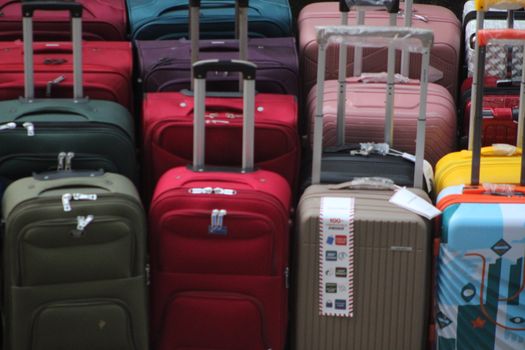 Photo: Jahra Tasfia Reza / Pexels
Comparison
| Feature | Summer Rockies Trip | Winter City Break (e.g., Montreal) | Coastal Exploration (e.g., Vancouver) |
|---|---|---|---|
| Base Layer | Lightweight synthetic/merino | Mid-weight merino/synthetic | Lightweight synthetic |
| Mid Layer | Fleece jacket/light down | Heavy fleece/down jacket | Light fleece/sweater |
| Outer Layer | Waterproof shell (rain/wind) | Insulated waterproof parka | Waterproof & windproof jacket |
| Footwear | Hiking boots, sandals | Insulated waterproof boots | Waterproof walking shoes |
| Headwear | Sun hat, light toque for evenings | Warm toque/beanie | Light beanie/baseball cap |
| Gloves | ✗ (unless high elevation) | ✓ (insulated, waterproof) | ✗ (unless specific activities) |
| Insect Repellent | ✓ | ✗ | ✓ (especially rural) |
| Sunscreen | ✓ | ✓ | ✓ |
What Readers Say
"This guide on what to pack for Canada trip saved my vacation! I went to Banff in early summer, and the layering advice was spot-on. I was comfortable hiking in the sun and warm during chilly evenings."
Sarah L. · Austin, TX"I used this packing list for a multi-city tour of Canada, including Toronto and Montreal. The breakdown of essential documents and electronics was incredibly helpful, ensuring I had everything I needed."
Mark D. · London, UK"Following this guide, I packed for a winter trip to Quebec City and felt perfectly prepared. My insulated boots and parka were lifesavers, and I avoided the mistake of underestimating the cold."
Jessica R. · Sydney, AU"The tips on what to pack for Canada trip were mostly excellent. I appreciated the emphasis on waterproofing for my Vancouver trip, though I probably could have packed one less pair of jeans."
David K. · Miami, FL"As an avid hiker, the detailed advice on base layers and outer shells for my Rocky Mountains trek was invaluable. I felt well-equipped for all weather conditions and enjoyed every moment."
Emily S. · Berlin, DEFrequently Asked Questions
What are the absolute must-have items for a Canada trip, regardless of the season?
Regardless of the season, essential items include your passport/visa, travel insurance, prescription medications, a reusable water bottle, and a high-quality waterproof and windproof outer layer. Comfortable, versatile footwear is also a non-negotiable, alongside charging cables and a portable power bank for your electronics.
Is it better to bring a large suitcase or a backpack for a Canada trip?
The best choice depends on your travel style and itinerary. A suitcase is ideal for city breaks or trips with minimal movement between accommodations. A backpack is better suited for multi-destination trips, hiking, or if you prefer to be more mobile. Many travelers opt for a combination: a checked suitcase and a carry-on backpack for daily excursions.
How much cash should I carry in Canada?
While credit and debit cards are widely accepted, it's advisable to carry a small amount of Canadian cash (e.g., $100-$200 CAD). This is useful for small purchases, tips, street vendors, or in remote areas where card readers might not be available or reliable. ATMs are widely accessible for withdrawals if needed.
What's the average cost for a typical meal in Canada?
The cost of a meal in Canada can vary significantly by city and restaurant type. A casual meal at a fast-food or budget restaurant might cost $15-$25 CAD per person. A mid-range restaurant could range from $30-$50 CAD per person, excluding drinks. Fine dining will, of course, be considerably more expensive. Always factor in an additional 15-20% for tipping.
How does Canadian weather compare to the US for packing purposes?
Canadian weather generally tends to be colder and more prone to sudden changes than much of the continental US, especially outside of major southern cities. Even in summer, evenings can be cool, and rain is always a possibility. Winter in most of Canada is significantly colder with more snow than most of the US, requiring specialized winter gear. Always check specific regional forecasts.
Who would benefit most from this detailed packing guide?
This detailed packing guide is most beneficial for first-time visitors to Canada, those planning multi-region trips, travelers intending to engage in outdoor activities, and anyone who wants to ensure they are fully prepared for Canada's diverse climates and conditions without overpacking or forgetting essentials.
Are there any safety concerns regarding wildlife when packing for outdoor activities?
Yes, especially in national parks and wilderness areas. While packing, consider bear spray (know how to use it safely and check airline regulations for transport), a bear-proof food container if camping, and always carry a whistle to alert wildlife to your presence. Educate yourself on wildlife safety specific to the region you're visiting.
What are the emerging trends in travel gear that could benefit a Canada trip?
Emerging trends include lightweight, packable down alternatives, advanced moisture-wicking and quick-drying fabrics, and smart apparel with integrated heating elements for extreme cold. Portable water purification systems are gaining popularity for backcountry trips, as are compact solar chargers for off-grid power, enhancing self-sufficiency for adventurous Canadian travel.
Armed with this comprehensive guide, you're now ready to tackle the challenge of what to pack for Canada trip with confidence. From the essential layers to crucial documents and smart packing strategies, your Canadian adventure awaits. Start planning, pack smart, and prepare for an unforgettable journey.