Your Ultimate Guide: What to Pack for a Winter Trip to Canada
June 18, 2026 16 min read 3,187 words
Prepare for Canada's stunning winter wonderland with this essential packing list, guaranteeing warmth and enjoyment.
Get Your Packing List Now
Mastering the Art of Layering for Canadian Winters
 Photo: Boris Pavlikovsky / Pexels
Embarking on a winter adventure in Canada promises breathtaking landscapes and unforgettable experiences, but only if you're adequately prepared for the cold. The secret to enjoying Canada's majestic snowy season lies not just in bringing warm clothes, but in mastering the art of layering. This time-tested strategy is crucial because Canadian winter temperatures can fluctuate wildly, not only from region to region but even within a single day. A sunny morning in Banff might feel drastically different from a blustery afternoon in Quebec City, and your clothing needs to adapt.
The layering system works by trapping air between different garments, creating insulating pockets that keep you warm. More importantly, it allows you to add or remove layers as your activity level changes or as the temperature shifts, preventing overheating and subsequent chilling. The core of this system comprises three main types of layers: the base layer, the mid-layer, and the outer layer. Each plays a distinct role in keeping you comfortable and protected.
Your base layer, often referred to as thermal underwear or thermals, is worn directly against your skin. Its primary function is to wick moisture (sweat) away from your body. When sweat stays on your skin, it cools rapidly, leading to a significant drop in body temperature. Materials like merino wool or synthetic fabrics (polyester, polypropylene) are excellent choices for base layers due to their moisture-wicking properties. Avoid cotton for base layers, as it absorbs moisture and dries slowly, making you feel cold and clammy. For example, a good quality merino wool top and bottom can make all the difference on a cold day.
The mid-layer's job is insulation – to trap body heat and provide warmth. This layer goes over your base layer. Common mid-layer materials include fleece, down, or synthetic insulation. A lightweight fleece jacket is a versatile option, while a thicker fleece or a down vest can provide more substantial warmth. The thickness of your mid-layer will depend on how cold it's expected to be and your planned activities. For active pursuits like snowshoeing, you might opt for a thinner fleece, whereas for more stationary activities like ice fishing, a puffy down jacket worn under your outer shell might be necessary.
Finally, the outer layer, or shell, is your shield against the elements. It needs to be waterproof and windproof to protect you from snow, rain, and biting winds. This layer does not necessarily provide much warmth on its own, but it prevents heat loss caused by wind chill and keeps your inner layers dry. Look for jackets and pants made with Gore-Tex or similar waterproof/breathable membranes. A good quality outer shell will have sealed seams and adjustable cuffs, hoods, and hems to keep the elements out. When choosing an outer layer, ensure it's roomy enough to accommodate your base and mid-layers without feeling restrictive. Remember, the goal is not just to be warm, but to be able to move freely and comfortably. Investing in high-quality outer layers is paramount for a comfortable
winter travel experience in Canada.
Essential Clothing Items for Your Canadian Winter Packing List
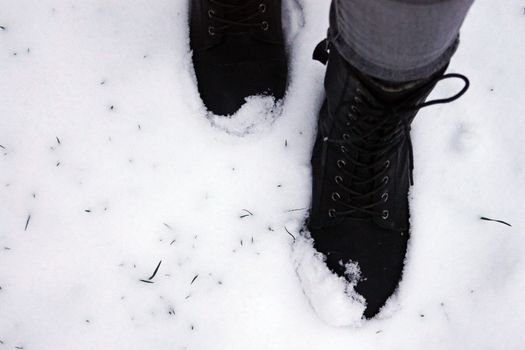 Photo: Marta Branco / Pexels
Beyond the foundational layering system, specific clothing items are absolutely critical for anyone wondering what to pack for a winter trip to Canada. These are the pieces that will form the backbone of your defense against the cold and ensure you can fully enjoy every moment of your trip, whether you're exploring urban centers or venturing into the wilderness.
**The Winter Coat:** This is arguably the most important item on your list. Your winter coat needs to be warm, waterproof, and windproof. Look for one filled with high-quality down (with a good fill power, e.g., 600-800) or advanced synthetic insulation. It should ideally be long enough to cover your hips and thighs for extra warmth, especially when sitting or standing in the cold. Features like an insulated hood, adjustable cuffs, and a storm flap over the zipper are all excellent additions that enhance protection. Brands specializing in cold-weather gear often offer excellent options designed for extreme conditions.
**Insulated, Waterproof Boots:** Your feet are highly susceptible to cold, and wet feet are a recipe for misery. Invest in a pair of high-quality, insulated, and waterproof winter boots. They should have good traction to prevent slips on ice and snow. Look for boots rated for temperatures well below freezing (e.g., -20°C or -30°C). Ensure they are comfortable enough to walk in for extended periods and have enough room to accommodate thick wool socks without feeling tight, which can restrict circulation and make your feet colder.
**Warm Socks:** Forget cotton. Pack several pairs of thick, thermal socks made from merino wool or synthetic blends. Merino wool is excellent because it's naturally warm, wicks moisture, and resists odor. Having multiple pairs means you can change them if they get damp, which is crucial for foot health and warmth.
**Hats, Gloves, and Scarves:** These accessories are non-negotiable. A significant amount of body heat is lost through the head, so a warm, insulated hat that covers your ears is a must. Consider one with a fleece lining for extra comfort. For hands, a combination of thin liner gloves (for dexterity) and warm, waterproof mittens or gloves is ideal. Mittens are generally warmer than gloves because they allow your fingers to share warmth. A thick scarf or neck gaiter will protect your neck and face from biting winds and blowing snow.
**Thermal Underwear (Base Layers):** As discussed in the layering section, at least two sets of good quality thermal tops and bottoms are essential. Choose merino wool for natural warmth and odor resistance, or synthetics for quick drying.
**Mid-Layer Fleece or Sweater:** Pack one or two warm mid-layer fleeces or wool sweaters. These provide crucial insulation and can be worn alone on milder days or under your coat when temperatures plummet.
**Waterproof Winter Pants:** While some travelers opt for regular pants with thermal leggings underneath, dedicated waterproof and insulated winter pants or snow pants are highly recommended, especially if you plan on participating in outdoor activities like skiing, snowboarding, or even just extended walks in snowy conditions. They offer superior protection against snow and wetness, keeping your legs dry and warm. Look for features like reinforced knees and seat, and ankle gaiters to keep snow out of your boots. Failing to pack these can lead to uncomfortable and potentially dangerous exposure to the elements, making your
winter vacation less enjoyable.
Beyond Clothing: Essential Gear and Smart Packing Tips for Canada
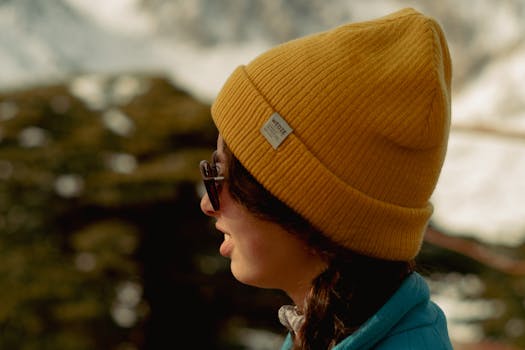 Photo: khebab salaheddine / Pexels
While clothing forms the bulk of your winter packing list for Canada, several other essential items and smart packing strategies will significantly enhance your comfort, safety, and overall enjoyment. Thinking beyond just clothes will prepare you for the unique challenges and delights of a Canadian winter.
**Skincare and Personal Items:** The dry, cold air of Canadian winters can be harsh on your skin. Pack a good quality, heavy-duty moisturizer for your face and hands, as well as lip balm with SPF to protect against chapping and sun exposure (yes, the sun can be intense reflecting off snow!). Sunscreen is also important, especially if you're hitting the slopes or spending prolonged time outdoors, as UV rays are stronger at higher altitudes and reflect off snow. Don't forget any personal medications, and consider bringing a small first-aid kit with pain relievers, blister bandages, and any other specific needs.
**Foot and Hand Warmers:** These small, disposable packets can provide hours of warmth and are lifesavers on exceptionally cold days or during prolonged outdoor activities. They're inexpensive and can be tucked into gloves, mittens, or boots for an instant boost of heat. They are particularly useful if you find your extremities getting cold easily.
**Eyewear:** Sunglasses are crucial, especially on sunny winter days, as the glare from snow can be intense and damaging to your eyes. If you're participating in snow sports, ski goggles are a must for protection against snow, wind, and UV radiation.
**Electronics and Chargers:** Cold temperatures can rapidly drain battery life, especially on smartphones and cameras. Bring portable power banks to keep your devices charged. Consider a waterproof case for your phone if you plan on being out in snowy conditions. Remember all necessary chargers and adapters.
**Travel Insurance Documents:** While not a physical item you wear, having your travel insurance information readily accessible is as crucial as any piece of clothing. Winter sports carry inherent risks, and medical emergencies can be costly. Ensure your policy covers winter activities if you plan to partake in them. This foresight can save you significant stress and expense.
**Daypack:** A small, comfortable daypack is useful for carrying extra layers, snacks, water, and any small items you might need during daily excursions. Look for one that's water-resistant.
**Reusable Water Bottle:** Staying hydrated is important even in cold weather. A reusable bottle is eco-friendly and ensures you always have water on hand. Consider an insulated one to prevent water from freezing.
**Smart Packing Strategies:** To maximize space and keep your luggage manageable, use packing cubes to organize your layers and accessories. Roll your clothes tightly to save space and minimize wrinkles. Place heavier items like boots at the bottom of your suitcase. Most importantly, check the weather forecast for your specific destination(s) closer to your departure date. While this guide provides a comprehensive overview, local conditions can vary, and a last-minute check will help you fine-tune your packing. For example, if a massive snowstorm is predicted for your
Canadian destination, you might want to pack an extra pair of thermal socks or a warmer mid-layer.
Common Mistakes to Avoid and Expert Tips for a Warm Canadian Winter Trip
 Photo: Chris F / Pexels
Preparing for a Canadian winter trip can seem daunting, but by avoiding common packing pitfalls and adopting a few expert strategies, you can ensure a supremely comfortable and enjoyable experience. Many first-time visitors underestimate the intensity of Canadian cold, leading to discomfort and missed opportunities.
**Common Packing Mistakes to Avoid:**
* **Underestimating the Cold:** This is the biggest mistake. Temperatures can drop dramatically, and wind chill makes it feel even colder. Always pack warmer than you think you'll need.
* **Relying on Cotton:** As mentioned, cotton absorbs moisture and loses its insulating properties when wet. Avoid it for base layers, socks, and even mid-layers if possible.
* **Forgetting Waterproof Outerwear:** Snow is often wet, and even dry snow can melt. Non-waterproof jackets and pants will leave you soaked and chilled.
* **Neglecting Extremities:** Hands, feet, and head are where you lose the most heat. Skimping on quality hats, gloves, and boots is a recipe for misery.
* **Packing Too Many Bulky Items:** While warmth is key, overpacking bulky items can make your luggage unmanageable. Focus on versatile layers that can be combined in various ways.
* **Ignoring Traction:** Icy sidewalks and trails are common. Boots without good grip are dangerous.
**Expert Tips for a Warm and Enjoyable Trip:**
* **Check Temperature Ratings:** When buying gear, especially boots and coats, look for their specified temperature ratings. Aim for items rated for at least -20°C (-4°F) or colder for general travel, and even lower if you plan on spending extensive time outdoors in colder regions like the Prairies or Northern Canada.
* **Bring Hand and Foot Warmers:** These inexpensive, single-use packets can be a game-changer on particularly frigid days or during outdoor activities. Keep a few in your pockets.
* **Layer Even Indoors:** Many Canadian buildings are well-heated, but you might still want a light sweater or fleece indoors if you're sensitive to drafts or prefer to keep the thermostat slightly lower.
* **Stay Hydrated:** Cold, dry air can be dehydrating. Drink plenty of water and avoid excessive alcohol, which can impair your body's ability to regulate temperature.
* **Protect Your Electronics:** Cold temperatures can drain battery life quickly. Keep phones, cameras, and power banks close to your body or in insulated pockets to preserve their charge. Consider a portable power bank.
* **Rent Gear if Necessary:** If you're only visiting Canada for a short winter trip and don't want to invest heavily in specialized gear, consider renting items like high-quality parkas or ski equipment once you arrive. Many tourist destinations offer this service.
* **Embrace the Warm Drinks:** Hot chocolate, coffee, and local mulled wines are not just delicious; they help warm you from the inside out. Don't underestimate the psychological boost of a warm beverage on a cold day.
* **Know the Signs of Frostbite and Hypothermia:** While proper packing significantly reduces risk, it's wise to be aware of the symptoms of these cold-related conditions. Seek warmth immediately if you or someone in your group experiences numbness, tingling, or extreme shivering.
* **Pack a Small Backpack:** Useful for carrying extra layers, snacks, water, and hand warmers when you're out exploring for the day. This allows you to adjust your comfort level on the go. By being mindful of these details, your winter trip to Canada will be an incredibly rewarding experience, free from the discomfort of inadequate preparation.
