What to Pack for a Trip to Canada: Your Ultimate Guide
what to pack for a trip to canada

What to Pack for a Trip to Canada: Your Ultimate Guide

Prepare for Canada's diverse climates and adventures with our comprehensive packing list, ensuring comfort and readiness for every season.

Start Packing Smartly

Key Takeaways

  • ✓ Canada's vastness means climates vary dramatically by region and season.
  • ✓ Layering is key for adaptability, especially when exploring different elevations or environments.
  • ✓ Essential documents like passports, visas (if required), and travel insurance should be top priority.
  • ✓ Embrace waterproof gear; Canada is known for its beautiful, but sometimes unpredictable, weather.

How It Works

1
Assess Your Destination & Season

Canada's weather can swing wildly from coast to coast and season to season. Research the specific regions you'll visit and the time of year to tailor your packing list effectively.

2
Prioritize Layering Essentials

Regardless of the season, a good layering system is crucial for comfort. Think base layers, insulating mid-layers, and a protective outer shell to adapt to changing temperatures.

3
Gather Key Documents & Electronics

Ensure all necessary travel documents are in order, including identification, visas, and insurance. Don't forget universal adapters, portable chargers, and any essential tech for navigation or communication.

4
Consider Activities & Specialized Gear

Are you hiking, skiing, city touring, or wildlife watching? Your planned activities will dictate specific gear, from sturdy hiking boots to swimwear, so plan accordingly.

Understanding Canada's Diverse Climates and Your Packing Strategy
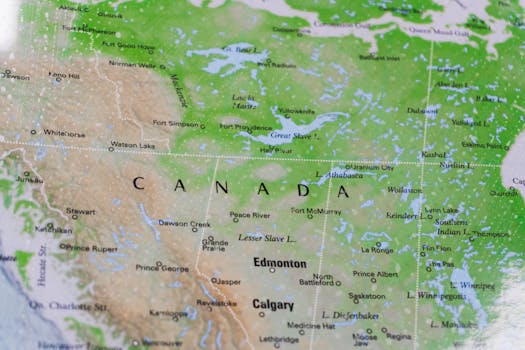
Close-up photo of a map showing regions of Canada, highlighting key cities and geographical landmarks. Photo: Zulfugar Karimov / Pexels
Canada, the world's second-largest country by land area, boasts an incredibly diverse range of climates, making the question of 'what to pack for a trip to Canada' far from simple. From the mild, rainy west coast of British Columbia to the arid prairies, the humid continental climate of central Canada, and the Arctic tundra of the north, understanding your specific destination and the season of your visit is paramount. A trip to Vancouver in July will require a vastly different wardrobe than a December visit to Quebec City or a summer expedition to the Yukon. This geographical and seasonal variability means a one-size-fits-all packing list simply won't suffice. Instead, a strategic approach is needed, focusing on adaptability and preparedness for a range of conditions. For instance, even within a single day, mountainous regions can experience significant temperature fluctuations, necessitating layers that can be added or removed with ease. Planning your Canadian adventure effectively starts with this fundamental understanding. When you begin to consider what to pack, think about the primary activities you'll be undertaking. Are you hitting the slopes in Whistler, exploring the vibrant city streets of Toronto, kayaking in Banff, or embarking on a remote wilderness camping trip? Each of these scenarios demands specific gear. For city exploration, comfortable walking shoes are a non-negotiable. For outdoor adventures, waterproof and windproof outerwear, sturdy hiking boots, and moisture-wicking base layers become essential. It's also wise to factor in the potential for unexpected weather shifts. A sunny forecast can quickly turn to rain, or a warm day might lead into a chilly evening, especially during shoulder seasons (spring and fall). Therefore, versatility in your clothing choices is key. Opt for pieces that can be mixed and matched, and that offer good thermal regulation without excessive bulk. Materials like merino wool for base layers and synthetic fleeces for mid-layers are excellent choices due to their warmth-to-weight ratio and quick-drying properties. Denim, while stylish, can be heavy and slow to dry, making it less ideal for active or wet conditions. Ultimately, a successful packing strategy for Canada is about anticipating the possibilities and ensuring you have the right gear to comfortably enjoy every moment of your journey, regardless of what the Canadian weather decides to throw your way.

Essential Clothing: Layering for Every Canadian Season
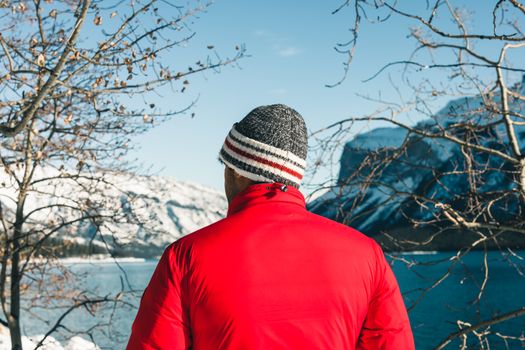
Man in red jacket and beanie enjoying winter landscape in Banff, Canada. Photo: Ali Kazal / Pexels
The golden rule for packing for Canada, regardless of the season, is layering. This strategy allows you to easily adjust to temperature changes throughout the day, which are common across the country's varied landscapes. Start with a moisture-wicking base layer, especially if you plan on any physical activity. Materials like merino wool or synthetic fabrics are excellent as they draw sweat away from your body, keeping you dry and warm in cooler conditions or cool in warmer ones. Cotton, while comfortable, tends to absorb and hold moisture, which can make you feel cold when wet. Next, consider your mid-layers. These are your insulating pieces. Fleece jackets, down vests, or lightweight sweaters provide warmth and can be easily added or removed. For colder months, you might opt for a thicker fleece or a packable down jacket as a mid-layer. Your outer layer is crucial for protection against the elements. A waterproof and windproof jacket is an absolute must-have, whether you're visiting in summer or winter. Even in summer, unexpected rain showers are common, and a good shell will keep you dry and comfortable. For winter, a heavier, insulated, and waterproof parka is indispensable, particularly in eastern Canada or the Prairies where temperatures can plummet well below freezing. Don't forget about your lower half; waterproof pants or gaiters can be invaluable for hiking or snowy conditions. Footwear is another critical component. Comfortable, broken-in walking shoes are essential for city exploration. If you're venturing into the outdoors, waterproof hiking boots with good ankle support are highly recommended. In winter, insulated, waterproof boots with good traction are non-negotiable to navigate snow and ice safely. Finally, accessories like hats, gloves, and scarves are small but mighty additions. A warm beanie and gloves are vital for winter, while a wide-brimmed hat can protect you from the sun in summer. Even in summer, a light scarf can be useful for cooler evenings or air-conditioned spaces. Remember, the goal is versatility – pieces that can be mixed, matched, and layered to suit any temperature or activity, ensuring you are always prepared for Canada's dynamic weather patterns.

Beyond Clothing: Documents, Electronics, and Personal Essentials for Your Canadian Journey

Smiling female passenger wearing trendy plaid coat and white blouse checking passport and ticket standing on pavement near contemporary building of airport Photo: Gustavo Fring / Pexels
While clothing forms the bulk of your packing, a successful trip to Canada hinges on more than just what you wear. Critical documents are your absolute first priority. Your passport must be valid for at least six months beyond your intended departure date from Canada. Depending on your nationality, you may also need an Electronic Travel Authorization (eTA) or a visitor visa. It's prudent to carry photocopies of all important documents, including your passport, visa, and travel insurance details, both physically and digitally (e.g., stored securely in the cloud or emailed to yourself). Keep these separate from the originals. Don't forget your driver's license if you plan on renting a car; an International Driving Permit might be necessary depending on your home country. Comprehensive travel insurance is highly recommended; Canada's healthcare, while excellent, can be expensive for non-residents. Preparing for international travel requires meticulous attention to these details. When it comes to electronics, Canada uses Type A and Type B electrical outlets (the same as the US), with a standard voltage of 120 V and a frequency of 60 Hz. If you're coming from a country with different standards, a universal travel adapter is essential. Consider bringing a portable power bank to keep your phone and other devices charged while on the go, especially if you're exploring remote areas where outlets are scarce. A good quality camera (beyond your phone) can capture Canada's breathtaking landscapes, and extra memory cards are always a good idea. Don't forget charging cables for all your devices. For personal essentials, pack a small first-aid kit with basic medications (pain relievers, allergy meds, bandages, antiseptic wipes), any prescription medications you require (with copies of prescriptions), and toiletries. Sunscreen and insect repellent are crucial, particularly during the warmer months and in regions with abundant nature. A reusable water bottle is not only environmentally friendly but also practical for staying hydrated while exploring. Lastly, a small daypack is invaluable for daily excursions, allowing you to carry essentials like water, snacks, a camera, and extra layers without lugging your main luggage. Thinking through these non-clothing items ensures a smooth, comfortable, and well-prepared Canadian adventure, allowing you to focus on the spectacular experiences awaiting you.

Smart Packing Tips and Common Mistakes to Avoid
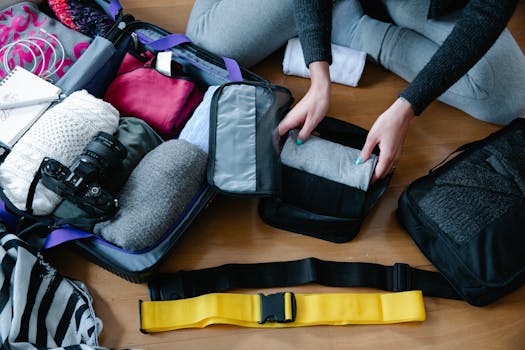
A woman arranging clothes and accessories into a suitcase, preparing for travel. Photo: Timur Weber / Pexels
Packing smart for Canada can significantly enhance your travel experience. One of the most effective tips is to utilize packing cubes. These organizational tools help compress clothing, separate different types of items, and make it much easier to find what you need without rummaging through your entire suitcase. This is particularly useful when dealing with multiple layers for varying Canadian climates. Another smart tip is to roll your clothes tightly instead of folding them; this can save space and help reduce wrinkles. Always pack a 'go-bag' within your carry-on, containing essentials like a change of clothes, basic toiletries, and any critical medications, in case your checked luggage is delayed. Don't overpack! Many travelers make the mistake of bringing too many 'just in case' items. Stick to versatile pieces that can be worn multiple times and mix-and-matched. Remember, you can always do laundry or purchase forgotten items if absolutely necessary. Checking the baggage allowance of your airline is also crucial to avoid unexpected fees. Common mistakes to avoid include: * **Underestimating the cold:** Even in summer, evenings can be cool, especially in the mountains or coastal areas. Always pack a warm layer, even if the forecast looks sunny. * **Forgetting waterproof gear:** Rain is a possibility year-round in many Canadian regions. A waterproof jacket and shoes are non-negotiable. * **Not packing comfortable shoes:** You'll likely be doing a lot of walking, whether in cities or on trails. Uncomfortable footwear can quickly ruin a day. * **Ignoring insect repellent:** Especially during warmer months and in forested areas, mosquitoes and black flies can be relentless. Don't let them deter your outdoor adventures. * **Failing to research specific regional needs:** What works for Vancouver might not work for Churchill. Always tailor your list to your precise itinerary. * **Bringing too many heavy items:** Opt for lightweight, quick-drying fabrics whenever possible, especially for outdoor activities. * **Not having proper adapters:** Double-check the electrical outlets and voltage requirements for your devices to avoid damage or inconvenience. By following these tips and avoiding common pitfalls, you'll be well on your way to a stress-free and enjoyable trip to Canada, fully prepared for its beauty and diversity.

Comparison

FeatureSummer (June-Aug)Autumn (Sept-Nov)Winter (Dec-Feb)Spring (Mar-May)
OuterwearLight waterproof jacket, light fleeceMedium insulated waterproof jacketHeavy insulated parka, waterproofMedium waterproof jacket, light fleece
FootwearComfortable walking shoes, sandalsWaterproof walking shoes/bootsInsulated waterproof bootsWaterproof walking shoes/boots
Base LayersLight t-shirts, shortsLong-sleeved tops, light pantsThermal underwear (merino/synthetic)Long-sleeved tops, light pants
AccessoriesSun hat, sunglasses, insect repellentScarf, light gloves, beanieWarm hat, heavy gloves, scarfLight hat, light gloves, scarf
Key ItemReusable water bottleLayering piecesHand warmersUmbrella

What Readers Say

"This guide on what to pack for a trip to Canada was a lifesaver for my cross-country adventure! The emphasis on layering and specific seasonal advice meant I was perfectly comfortable from the Rockies to Montreal. I highly recommend it for any first-time visitor."

Sarah J. · London, UK

"Traveling from Australia, I had no idea what to expect from Canadian weather. This article provided an incredibly detailed packing list, especially for winter in Quebec. I wouldn't have survived without the advice on insulated boots and thermals!"

Mark D. · Sydney, AUS

"I used this guide to pack for my summer hiking trip in Banff, and it was spot on. The recommendation for waterproof hiking boots and a good daypack made all the difference. I stayed dry and comfortable through unexpected rain showers."

Emily R. · Austin, TX

"The information about Canadian climates was very helpful, though I did find I packed one too many heavy sweaters for my Vancouver spring trip – the weather was milder than expected. Still, the advice on documents and electronics was invaluable."

Carlos M. · Mexico City, MEX

"As someone who prefers minimalist packing, this guide helped me strategically choose versatile items for my two-week trip through Ontario and Quebec. The focus on multi-use clothing allowed me to pack light while still being prepared for everything."

Lena K. · Berlin, GER

Frequently Asked Questions

What is the single most important item to pack for a trip to Canada?

The single most important item to pack for a trip to Canada is a versatile, waterproof, and windproof outer layer. Given Canada's diverse and often unpredictable weather, a good quality jacket will protect you from rain, wind, and varying temperatures, making it essential for comfort and preparedness regardless of the season or region you visit.

Do I need special adapters for electronics in Canada?

Canada uses Type A and Type B electrical outlets, which are the same as in the United States, operating at 120 V and 60 Hz. If you are traveling from a country with different standards (e.g., Europe, Australia, UK), you will need a universal travel adapter. Check your device's voltage requirements; some may also need a voltage converter.

How should I pack for both city and outdoor adventures in Canada?

For a trip combining city and outdoor adventures, focus on versatile layers. Bring comfortable walking shoes for city exploration and sturdy, waterproof hiking boots for trails. Pack moisture-wicking base layers, an insulating mid-layer (like a fleece), and a waterproof outer shell. Include one or two smart casual outfits for city evenings and durable outdoor pants. This approach allows you to adapt easily.

Is it expensive to buy forgotten items in Canada?

The cost of forgotten items in Canada can vary. Basic toiletries and common clothing items are readily available at reasonable prices in most cities and towns. However, specialized outdoor gear or specific brands might be more expensive than in your home country, or harder to find in remote areas. It's always best to pack essentials carefully.

Should I pack heavy winter gear even if I'm visiting in shoulder seasons like spring or fall?

While you might not need your heaviest winter parka, it is highly advisable to pack warm layers and a good quality, insulated waterproof jacket even during shoulder seasons. Spring and fall in Canada can bring significant temperature drops, especially in the evenings or at higher elevations, and snow is not uncommon in many regions even in May or October. Layering is key.

Who specifically benefits most from a detailed Canada packing guide?

Anyone traveling to Canada, especially those visiting multiple regions or during shoulder seasons, will benefit immensely from a detailed packing guide. First-time visitors from warmer climates, those planning extensive outdoor activities, or travelers on a budget who want to avoid buying forgotten essentials will find such a guide particularly invaluable for ensuring comfort and preparedness.

What are the risks of under-packing for a Canadian trip, especially in winter?

Under-packing for a Canadian trip, particularly in winter, carries significant risks including hypothermia, frostbite, and general discomfort. Insufficient warm clothing, especially for extremities (hands, feet, head), can lead to serious health issues. Beyond health, it can severely limit your ability to enjoy outdoor activities and explore the country's winter beauty.

How might packing for Canada change in the next 5-10 years due to climate change?

In the next 5-10 years, climate change may lead to more unpredictable weather patterns in Canada, potentially requiring even greater emphasis on versatile, multi-season layering. We might see warmer shoulder seasons extending the need for lighter gear, but also more extreme weather events, making robust waterproof and adaptive clothing even more critical for year-round travel preparedness.

Armed with this comprehensive guide on what to pack for a trip to Canada, you're now ready to tackle any adventure this incredible country throws your way. From the majestic mountains to vibrant cities, pack smart, stay comfortable, and make unforgettable memories. Start planning your Canadian journey today with confidence!

Topics: what to pack for a trip to canadacanada packing listtravel essentials canadaseasonal packing canadaprepare for canada trip
Leo List

DK Escorts LU Escorts AT Escorts SE Escorts FI Escorts CH Escorts DE Escorts HR Escorts IE Escorts GR Escorts CZ Escorts NO Escorts BE Escorts FR Escorts SI Escorts IL Escorts NL Escorts PL Escorts HU Escorts ES Escorts IT Escorts PT Escorts SK Escorts RO Escorts ZA Escorts UY Escorts US Escorts UK Escorts NZ Escorts AU Escorts
Brampton weed
Adultwork EstrelaBet Vai de Bet R7 Bet Betão Galera Bet Rainbet Bet9ja Shop SportyBet BetKing Sisal Loto Foot Hollywoodbets YesPlay Odibets RushBet Jugabet BetWarrior BetCity MSport betPawa Fortebet