✓ Canada's climate varies drastically by region and season.
✓ Layering is crucial for comfort in Canadian weather.
✓ Bring adapters for Type A/B electrical outlets.
✓ Outdoor gear is often essential, even for city trips.
How It Works
1
Assess Your Destination & Season
Canada is vast; packing for Vancouver in summer differs greatly from Montreal in winter. Research the specific regions you'll visit and the time of year to tailor your list.
2
Prioritize Layering Essentials
Regardless of the season, Canadian weather can be unpredictable. Pack versatile layers – base, mid, and outer – to adapt to temperature fluctuations throughout the day.
3
Consider Your Activities
Are you hiking, city touring, or skiing? Your planned activities will dictate specialized gear like hiking boots, formal wear, or ski apparel. Don't overpack for unused items.
4
Check Weight & Size Restrictions
Before finalizing your bag, review airline baggage allowances. Opt for lightweight, multi-functional items to save space and avoid excess baggage fees.
Understanding Canada's Diverse Climates and Seasons
Photo: Alizain Hirani / Pexels
When considering what to pack for a trip to Canada, the first and most critical step is to understand the country's immense geographical diversity and the distinct climates that come with it. Canada is the second-largest country in the world by land area, stretching from the Pacific to the Atlantic and up to the Arctic Ocean. This vastness means that weather conditions can vary dramatically not just from season to season, but also from one province or territory to another at any given time. For instance, while Vancouver might be experiencing mild, rainy autumn weather, Calgary could already be blanketed in snow, and Toronto might still be enjoying crisp, sunny days. Planning your itinerary with climate in mind is paramount.
Summer (June to August) generally offers the warmest temperatures across most of Canada, making it a popular time for outdoor activities. However, even in summer, evenings can be cool, especially in mountainous regions or near large bodies of water. Cities like Toronto and Montreal can experience hot, humid days, while the Canadian Rockies will have pleasant, warm days but cool nights. Packing light layers, breathable fabrics, and protection from the sun (hat, sunglasses, sunscreen) are essential. Conversely, winter (December to February) brings cold temperatures and significant snowfall to most of the country, particularly inland and in the east. Coastal British Columbia is an exception, often experiencing milder, wetter winters. If you're visiting in winter, heavy, insulated clothing, waterproof outer layers, and warm accessories are non-negotiable.
Spring (March to May) and Fall (September to November) are transition seasons, offering a mix of mild to cool temperatures, often with unpredictable weather patterns. Spring can bring melting snow and rain, leading to muddy conditions in rural areas, while fall is famous for its stunning foliage, particularly in Eastern Canada. During these shoulder seasons, layering becomes even more critical. You might start your day with a chill, experience a warm afternoon, and then have temperatures drop significantly by evening. A waterproof and windproof outer shell, along with versatile mid-layers, will be your best friends. Always check the specific weather forecast for your destinations right before your departure, as conditions can change rapidly. This foundational understanding will guide every other decision on what to pack for a trip to Canada, ensuring you're prepared for the unique charm and challenges of each region and season.
Essential Clothing and Footwear for Canadian Adventures
Photo: Tima Miroshnichenko / Pexels
Regardless of the season or region, a well-thought-out clothing strategy is key when deciding what to pack for a trip to Canada. The golden rule for Canadian weather is layering. This allows you to easily add or remove clothing to adapt to fluctuating temperatures throughout the day, which is a common occurrence across the country. Start with a moisture-wicking base layer, especially if you plan on any physical activity. Synthetic materials or merino wool are excellent choices as they help regulate body temperature and dry quickly. Avoid cotton as a base layer for active pursuits, as it absorbs sweat and stays wet, potentially leading to a chill.
For your mid-layer, think insulating pieces like fleece jackets, wool sweaters, or lightweight down vests. These provide warmth without excessive bulk. The outer layer should be your primary protection against the elements. A waterproof and windproof jacket is almost always a good idea, even in summer, as sudden rain showers or strong winds can occur. In colder months, this outer layer needs to be heavily insulated, such as a proper winter parka with a waterproof shell. Consider features like a hood, adjustable cuffs, and sealed seams for maximum protection. Don't forget versatile bottoms; comfortable jeans, sturdy travel pants, or hiking trousers are suitable for most situations. If visiting in winter, insulated or waterproof pants are a must, especially for outdoor activities.
Footwear is another critical component of your packing list. Comfortable, broken-in walking shoes are essential for exploring cities. If you plan on hiking or spending time in nature, waterproof hiking boots with good ankle support are highly recommended. In winter, waterproof, insulated boots with excellent grip are non-negotiable to navigate snow and ice safely. Always pack extra pairs of socks, prioritizing wool or synthetic blends that wick moisture away to prevent blisters and keep your feet warm and dry. Even in summer, a pair of sandals or flip-flops can be useful for relaxing, but they won't substitute for proper walking or hiking footwear. Remember, being comfortable in your clothing and footwear will significantly enhance your experience as you explore Canada's stunning landscapes and vibrant cities.
Personal Care, Health, and Tech Essentials for Your Journey
Photo: Roberto Nickson / Pexels
Beyond clothing, a successful packing strategy for what to pack for a trip to Canada includes a careful consideration of personal care items, health necessities, and essential technology. While most standard toiletries can be purchased in Canada, bringing travel-sized versions of your preferred brands can save time and ensure you have what you need immediately upon arrival. This includes shampoo, conditioner, soap, toothpaste, and deodorant. Don't forget any prescription medications, packed in their original containers with a copy of the prescription, especially if you're traveling internationally. It's also wise to carry a small first-aid kit with basics like pain relievers, band-aids, antiseptic wipes, and any personal allergy medications. Sunscreen and insect repellent are crucial, particularly if you plan on spending time outdoors, regardless of the season. Canadian summers, especially in rural or forested areas, can have significant mosquito and black fly populations.
When it comes to technology, an international power adapter (Type A and B outlets are standard in Canada, same as the US) is essential for charging your devices if you're coming from outside North America. A portable power bank can be a lifesaver for keeping your phone charged during long days of exploration, especially when relying on maps or translation apps. While Wi-Fi is widely available in hotels and many public spaces, consider purchasing a local SIM card or an eSIM for reliable data access on the go, which can be invaluable for navigation, communication, and emergency situations. Don't forget your phone charger, camera (if you prefer dedicated photography), and any necessary memory cards. A waterproof bag or cover for your phone or camera can protect against unexpected rain or splashes during water activities.
Finally, think about comfort and convenience items. A reusable water bottle is not only environmentally friendly but also practical, as tap water in Canada is generally safe to drink. A small backpack or daypack is perfect for carrying daily essentials like snacks, a water bottle, an extra layer, and your camera while sightseeing. For longer journeys, a travel pillow, eye mask, and earplugs can make flights or train rides much more comfortable. Always keep important documents like your passport, visa (if required), travel insurance details, and reservation confirmations easily accessible, preferably in a secure, waterproof pouch. Being prepared with these personal, health, and tech essentials will allow you to focus on enjoying your Canadian adventure without unnecessary worries. For more travel tips, check out our other guides.
Crucial Tips and Common Packing Mistakes for Canada
Photo: Kindel Media / Pexels
To truly master what to pack for a trip to Canada, it's vital to learn from common mistakes and adopt smart packing strategies. Overpacking is perhaps the most frequent error. Many travelers bring too many 'what if' items, leading to heavy luggage and unnecessary stress. Focus on versatile, multi-purpose items that can be mixed and matched. For instance, a neutral-colored fleece can be worn under a waterproof shell or as a standalone jacket. Another mistake is underestimating Canadian weather variability. Even in summer, evenings can be cool, and sudden rain showers are common. Always pack at least one warm layer and a waterproof outer layer, regardless of the forecast.
* **Don't Forget Adapters:** Canada uses Type A and B electrical outlets (two flat parallel pins or two flat parallel pins with a grounding pin), similar to the US. If you're coming from outside North America, you'll need a power adapter and potentially a voltage converter.
* **Pack for the Outdoors:** Even if you're primarily visiting cities, Canada offers abundant natural beauty. Comfortable walking shoes are a minimum; waterproof hiking boots are better if you plan any trail exploration.
* **Consider Sun Protection:** The sun's rays can be intense, especially at higher altitudes or when reflected off snow or water. Pack sunscreen, sunglasses, and a hat.
* **Bring Insect Repellent:** Mosquitoes and black flies can be prevalent in warmer months, particularly in forested or lakeside areas. A good repellent is a small but mighty addition to your bag.
* **Layer, Layer, Layer:** This cannot be stressed enough. Think in terms of base, mid, and outer layers to adapt to Canada's dynamic weather.
* **Waterproof Everything:** From your outer jacket to your boots and even a dry bag for electronics, water resistance is a huge advantage.
* **Leave Valuables at Home:** While Canada is safe, it's always wise to leave expensive jewelry or irreplaceable items at home to minimize worry.
* **Emergency Kit:** A small kit with basic first aid, essential medications, and copies of important documents can be a lifesaver.
By avoiding these common pitfalls and embracing a strategic, layered approach, your packing for a Canadian trip will be efficient and effective, allowing you to enjoy all the country has to offer, come rain, shine, or snow.
Comparison
Feature
Best Option (All-Season)
Summer Travel
Winter Travel
Outerwear
Waterproof & Windproof Shell
Lightweight Rain Jacket
Insulated Winter Parka
Mid-Layer
Fleece Jacket / Wool Sweater
Light Cardigan / Hoodie
Heavy Fleece / Down Jacket
Base Layer
Moisture-Wicking T-shirt
Breathable Cotton/Linen
Thermal Underwear (Wool/Synthetic)
Footwear
Waterproof Hiking Boots
Comfortable Walking Shoes
Insulated Waterproof Boots
Accessories
Hat, Gloves, Scarf
Sun Hat, Sunglasses
Warm Hat, Gloves, Scarf, Balaclava
Specialized Gear
Daypack, Reusable Water Bottle
Insect Repellent, Sunscreen
Gaiters, Hand/Foot Warmers
What Readers Say
★★★★★
"This guide truly helped me figure out what to pack for a trip to Canada, specifically my multi-province summer adventure. The layering advice was spot on, and I was perfectly comfortable from the humid cities to the cooler mountain trails."
Sarah Chen · Vancouver, BC
★★★★★
"I used this packing list for my winter trip to Quebec City and Montreal. The recommendation for insulated, waterproof boots saved my feet! I felt so prepared for the cold and snow, making my trip much more enjoyable."
Mark Johnson · Toronto, ON
★★★★★
"Following this guide for what to pack for a trip to Canada meant I didn't overpack for my two-week Rockies hiking trip. The emphasis on versatile layers and good hiking gear resulted in lightweight luggage and maximum comfort on the trails."
Emily Rodriguez · Calgary, AB
★★★★★
"Good comprehensive guide, though I found I didn't need quite as many heavy layers for a mild autumn in Nova Scotia. Still, the waterproof jacket was indispensable, and I appreciated the reminder about power adapters."
David Lee · Halifax, NS
★★★★★
"As a first-time visitor, I was overwhelmed thinking about what to pack for a trip to Canada. This article broke it down perfectly by season and region. I felt confident and well-equipped for my cross-country road trip."
Jessica Brown · Ottawa, ON
Frequently Asked Questions
What is the most important item to pack for a trip to Canada?
The most important item is a versatile, waterproof, and windproof outer layer, regardless of the season. Canada's weather can be unpredictable, and having a reliable outer shell allows you to adapt to sudden rain, wind, or temperature drops, keeping you comfortable and dry.
Do I need special adapters for electronics in Canada?
Yes, if you are traveling from outside North America. Canada uses Type A and Type B electrical outlets, which are the same as those in the United States. You will need a power adapter and possibly a voltage converter if your devices are not dual voltage.
How should I pack for a Canadian winter trip?
For a Canadian winter trip, focus on warm, insulated, and waterproof layers. This includes thermal base layers, a heavy fleece or down mid-layer, a waterproof and insulated winter parka, insulated waterproof pants, warm waterproof boots with good grip, and accessories like a warm hat, gloves or mittens, and a scarf or balaclava.
Is it better to bring cash or use credit cards in Canada?
Credit cards are widely accepted across Canada, and most transactions can be done without cash. However, it's always a good idea to carry a small amount of Canadian cash for small purchases, local markets, or in areas where card readers might not be available, or for tipping.
Should I pack hiking boots even if I'm not planning extensive hikes?
It's highly recommended to pack at least comfortable, sturdy walking shoes, and preferably waterproof hiking boots if you anticipate any time spent outdoors, even on short trails or in national parks. Many Canadian cities also have extensive walking paths and green spaces where good footwear is beneficial.
Who should use this guide for what to pack for a trip to Canada?
This guide is ideal for anyone planning a trip to Canada, whether you're a first-time visitor, an experienced traveler, or someone looking to explore different regions or seasons of the country. It caters to all types of trips, from urban exploration to wilderness adventures, ensuring you're prepared for Canada's diverse environments.
What are the risks of not packing appropriately for Canada?
Not packing appropriately can lead to discomfort, illness (like hypothermia or heatstroke), missed opportunities for activities due to unsuitable gear, and increased costs if you have to buy essential items upon arrival. Being unprepared can significantly detract from your travel experience.
Are there any future trends in Canadian travel packing?
Future trends lean towards sustainable and minimalist packing. Travelers are increasingly opting for versatile, durable, and ethically produced clothing and gear. Smart fabrics that offer multiple functionalities (e.g., moisture-wicking, UV protection, odor resistance) are becoming more popular, reducing the overall quantity of items needed.
Now that you know exactly what to pack for a trip to Canada, you're ready to embark on an unforgettable journey. Use this comprehensive guide to prepare confidently for Canada's diverse landscapes and experiences, ensuring comfort and readiness for every adventure ahead. Happy packing!
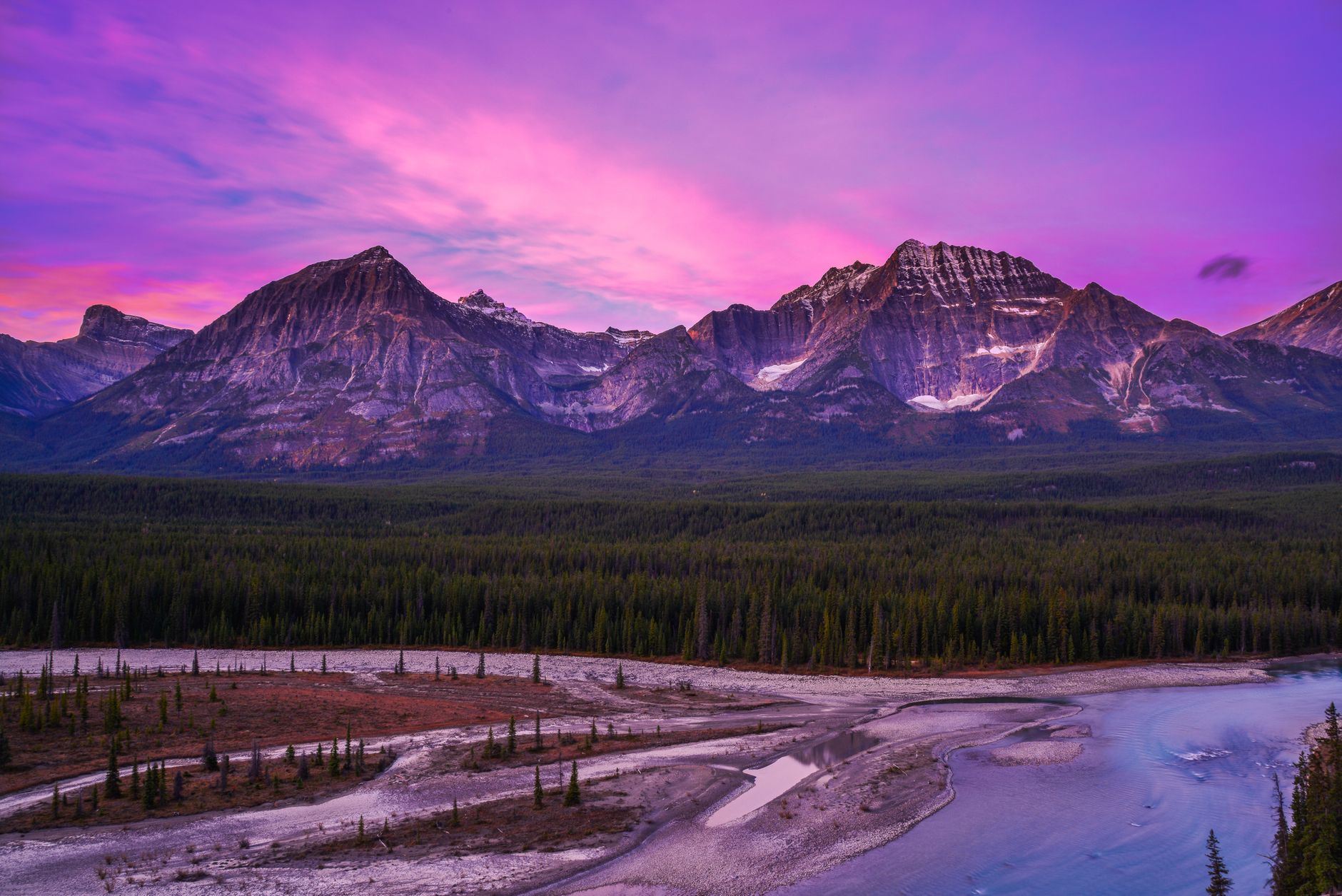
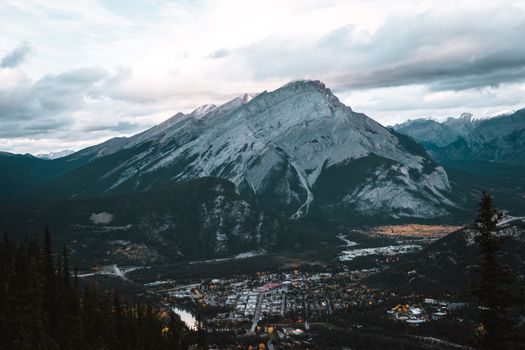 Photo: Alizain Hirani / Pexels
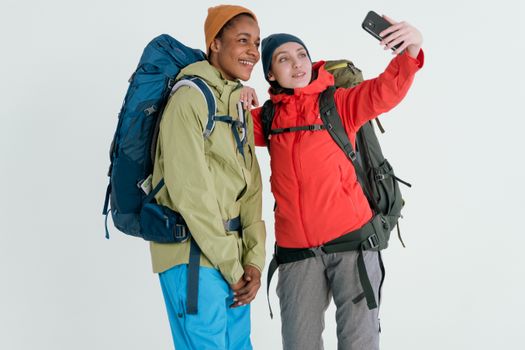 Photo: Tima Miroshnichenko / Pexels
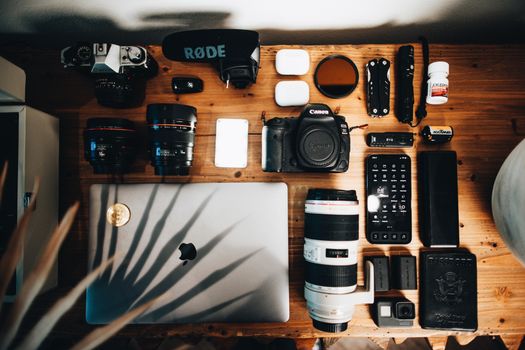 Photo: Roberto Nickson / Pexels
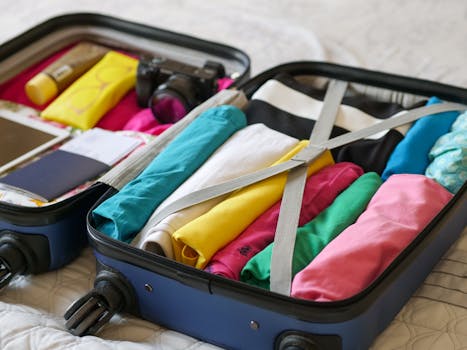 Photo: Kindel Media / Pexels