
Your Ultimate Guide: What to Pack for a Canada Trip
Unlock the secrets to a perfectly packed suitcase for your Canadian adventure, no matter the season or destination.
Get Your Packing ListKey Takeaways
- ✓ Canada's climate varies dramatically by region and season.
- ✓ Layering is crucial for comfort in Canadian weather.
- ✓ Footwear is paramount, especially for outdoor activities.
- ✓ Don't forget bug spray, especially in summer wilderness areas.
How It Works
Canada is vast; packing for Vancouver in winter differs vastly from packing for Montreal in summer. Research your specific regions and the time of year you'll be traveling to understand expected temperatures and activities.
Canadian weather can be unpredictable, often changing rapidly within a day. A system of base, mid, and outer layers allows you to adapt easily to fluctuating conditions and stay comfortable.
Are you hiking in the Rockies, exploring urban centers, or enjoying coastal scenery? Your planned activities will dictate specialized gear like hiking boots, swimwear, or formal wear.
Beyond clothing, remember crucial items like travel adapters, medications, sun protection, and a small first-aid kit. Prepare for unexpected weather shifts with versatile items.
Understanding Canada's Diverse Climate and Regions for Packing
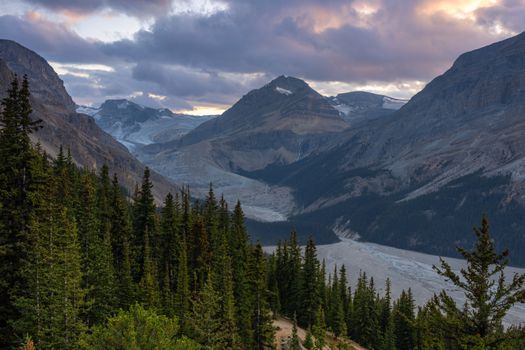 Photo: Sergey Guk / Pexels
Essential Clothing Layers for Canadian Weather
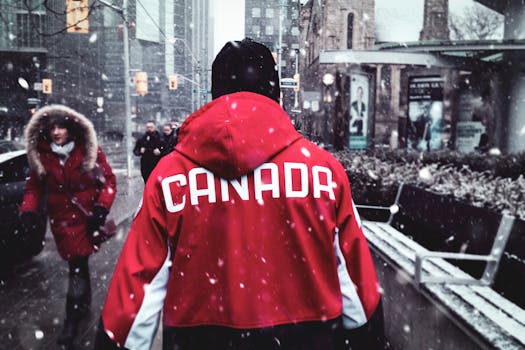 Photo: Andre Furtado / Pexels
Footwear, Gear, and Practicalities for a Smooth Trip
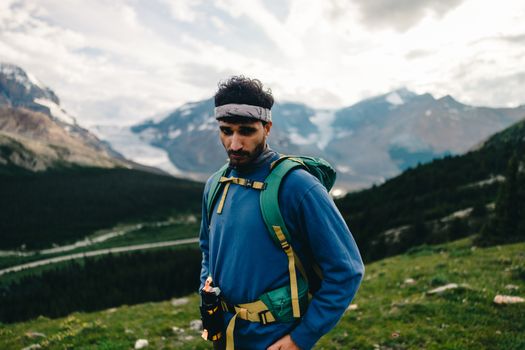 Photo: Ali Kazal / Pexels
Packing Mistakes to Avoid and Essential Tips for Canada
Comparison
| Feature | Summer Trip (June-Aug) | Autumn Trip (Sept-Nov) | Winter Trip (Dec-Feb) | Spring Trip (Mar-May) |
|---|---|---|---|---|
| Outerwear | Light rain jacket, light windbreaker | Waterproof jacket, fleece/light down | Heavy insulated parka, waterproof | Waterproof jacket, warm fleece |
| Base Layers | Moisture-wicking t-shirts | Long-sleeved shirts, light thermals | Heavy thermal tops & bottoms (wool/synthetic) | Light/medium thermals, long-sleeved shirts |
| Footwear | Comfortable walking shoes, sandals, light hikers | Waterproof walking shoes, hiking boots | Insulated, waterproof boots with grip | Waterproof walking shoes, hiking boots |
| Accessories | Sunscreen, hat, sunglasses, bug spray | Hat, gloves, scarf, bug spray (early autumn) | Warm hat, insulated gloves/mittens, scarf | Hat, light gloves, scarf, umbrella |
| Key Challenge | Sudden rain/cool evenings | Variable temperatures, rain/early snow | Extreme cold, snow, ice | Meltwater, mud, unpredictable weather |
What Readers Say
"Following this guide for what to pack for a Canada trip was a game-changer for my cross-country adventure. The layering advice meant I was perfectly comfortable exploring Vancouver's rainforests and Toronto's bustling streets, even with unexpected weather shifts. I never felt underdressed or overpacked, which made navigating airports and cities much easier."
Sarah J. · London, UK"I was totally clueless about Canadian weather before reading this. The emphasis on waterproof gear and good footwear for my Rocky Mountain hikes was spot on. I truly appreciated not having to buy expensive gear there because I was well-prepared from home."
Mark D. · Sydney, Australia"I used this guide for my winter trip to Montreal and Quebec City. The specific advice on insulated boots and heavy outerwear saved me from freezing! I stayed warm and dry, which allowed me to fully enjoy the beautiful snowy landscapes and festive markets without discomfort. Highly recommend for winter travelers."
Elena R. · Miami, FL"The guide was very comprehensive, especially the regional breakdown. I found the bug spray recommendation for my Ontario cottage country visit absolutely vital, though I wish there was a bit more detail on specific brands or types of repellent. Overall, it greatly improved my packing efficiency."
David L. · Berlin, Germany"As someone who tends to overpack, this guide helped me streamline my suitcase for a two-week trip to the Maritimes. The focus on versatile layers meant I could mix and match, reducing the amount of clothing I needed to bring while still being prepared for the coastal breezes and occasional rain. My luggage was lighter than ever!"
Chloe P. · Austin, TXFrequently Asked Questions
What are the absolute must-haves for any Canada trip, regardless of season?
Regardless of season or region, always pack versatile layers (base, mid, outer), comfortable and sturdy walking shoes, a waterproof outer layer (jacket or poncho), a reusable water bottle, and essential toiletries and medications. Sun protection and insect repellent are highly recommended for most times of year outside of deep winter.
I'm traveling in shoulder season (spring/fall). How do I pack for unpredictable weather?
For shoulder seasons, layering is even more critical. Pack a mix of light and medium-weight layers, including a warm fleece or light down jacket, and a reliable waterproof and windproof outer shell. Be prepared for anything from mild, sunny days to cold, rainy, or even snowy conditions, especially in mountainous regions.
How do I pack light for a multi-week Canada trip?
To pack light for a multi-week trip, focus on versatile, quick-drying fabrics that can be mixed and matched. Utilize packing cubes, roll your clothes, and plan to do laundry every 5-7 days. Prioritize multi-functional items (e.g., pants that zip off into shorts) and limit yourself to two pairs of shoes: one comfortable walking/hiking pair and one casual pair.
Is it better to buy winter gear in Canada or bring it from home?
If you live in a warm climate, it's often more cost-effective to buy quality winter gear (especially insulated boots and a heavy coat) from a specialized outdoor retailer in Canada upon arrival, or order online to be delivered to your accommodation. This ensures you get gear suited for Canadian winters, which might be hard to find elsewhere. However, if you already own suitable gear, bringing it is fine.
What's the difference between packing for urban vs. wilderness Canada trips?
Urban trips require comfortable walking shoes, versatile casual wear, and perhaps one slightly dressier outfit. Wilderness trips demand specialized gear: sturdy waterproof hiking boots, moisture-wicking activewear, robust outer layers, plenty of insect repellent, and potentially bear spray or other safety equipment depending on the activity and location. Always research park-specific requirements.
Do I need a travel adapter for Canada?
Yes, if you're traveling from outside North America. Canada uses Type A and Type B electrical outlets, operating on 120V at 60Hz. Most of Europe, Asia, and other regions use different plug types and voltages, so you will likely need a plug adapter and potentially a voltage converter for high-power devices.
Are there any prohibited items I should be aware of when packing for Canada?
Canada has strict regulations on certain items. Prohibited items include firearms, certain weapons (e.g., switchblades), specific agricultural products (fruits, vegetables, meats), and some medications without proper documentation. Always declare all food, plants, and animal products upon arrival. Check the Canadian Border Services Agency (CBSA) website for the most up-to-date information.
How can I pack sustainably for my Canadian trip?
To pack sustainably, choose durable, high-quality items that last, reducing waste. Opt for natural fibers like merino wool or recycled synthetics. Bring a reusable water bottle and coffee cup to minimize single-use plastics. Pack solid toiletries (shampoo bars, soap) to reduce liquid waste and plastic bottles. Consider renting specialized gear (like skis) instead of buying.
Armed with this comprehensive guide on what to pack for a Canada trip, you're now ready to tackle any Canadian adventure with confidence and comfort. From the bustling city streets to the tranquil wilderness, your thoughtful packing will ensure you make the most of every moment. Start planning, pack smart, and prepare for an unforgettable journey across Canada!