
Ultimate Road Trip Itinerary Canadian Rockies
Unleash the adventurer within you with our meticulously crafted itinerary for an unforgettable journey through the Canadian Rockies.
Start Your AdventureKey Takeaways
- ✓ Best time to visit is June to September for optimal weather and access.
- ✓ The Icefields Parkway is a must-drive, connecting Banff and Jasper.
- ✓ Book accommodations and popular attractions well in advance, especially for summer.
- ✓ Wildlife sightings are common; maintain a safe distance and never feed animals.
How It Works
Decide on the length of your trip, whether it's a quick 5-day dash or a leisurely 10-day exploration. This will dictate how much you can comfortably see and do.
Calgary is the most common gateway, offering easy access to Banff National Park. Edmonton is a good option for starting closer to Jasper.
Secure your rental car, national park passes, and especially accommodations months in advance. Popular spots fill up quickly, particularly during peak season.
While a plan is great, the Rockies often surprise you with hidden gems or unexpected weather. Be open to spontaneous detours and adjusting your schedule.
Crafting Your Perfect Canadian Rockies Adventure
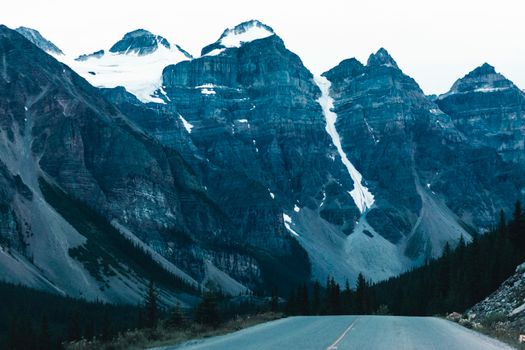 Photo: Ali Kazal / Pexels
The Iconic Icefields Parkway: A Journey Through Glacial Wonders
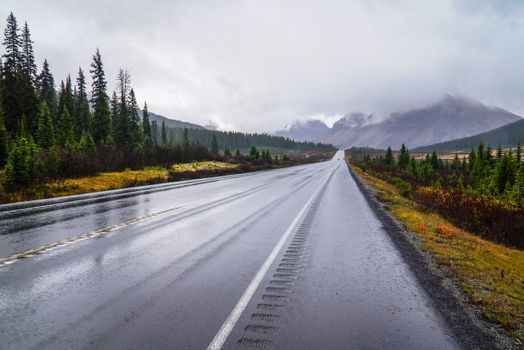 Photo: Nunzio Guerrera / Pexels
Exploring the Gems of Banff and Jasper National Parks
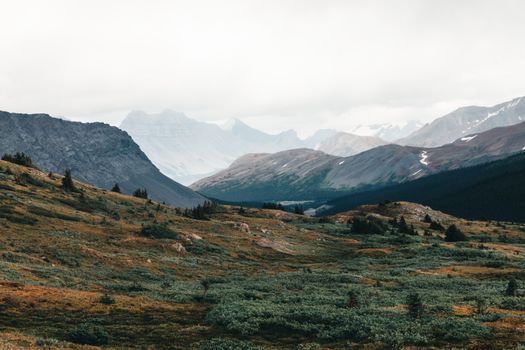 Photo: Ali Kazal / Pexels
Essential Tips for Your Road Trip Itinerary Canadian Rockies
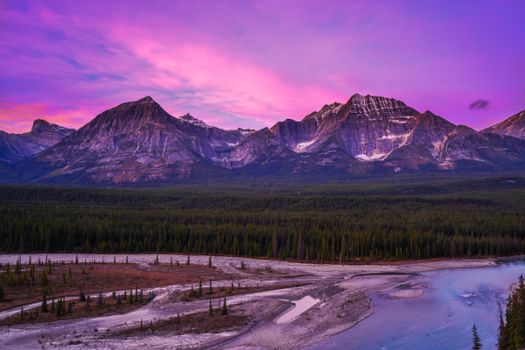 Photo: Nunzio Guerrera / Pexels
Comparison
| Feature | Best Option (Summer) | Alternative (Shoulder Season) | Alternative (Winter) |
|---|---|---|---|
| Crowds | Very High | Moderate | Low |
| Road Access | All Open | Most Open, some closures | Some closures, snow tires req. |
| Activities | Hiking, Canoeing, Biking | Hiking, Sightseeing, Photography | Skiing, Snowshoeing, Ice Skating |
| Wildlife Viewing | Excellent | Good | Good |
| Accommodation Cost | Highest | Moderate | Moderate |
What Readers Say
"This road trip itinerary Canadian Rockies was a game-changer! We followed it almost exactly and saw all the major sights without feeling rushed. The tips on booking early saved us so much hassle."
Sarah J. · Seattle, WA"Incredible guide. The detail on the Icefields Parkway was particularly helpful, pointing out stops we would have otherwise missed. The park pass advice was also spot on."
Mark D. · Toronto, ON"As first-time visitors to Canada, this itinerary provided the perfect framework. We managed to see Banff, Lake Louise, and Jasper in 8 days, and it exceeded all our expectations."
Emily R. · London, UK"A very thorough road trip itinerary Canadian Rockies. While we loved the suggestions, we found some popular spots incredibly busy, even with early starts. Still, an excellent resource."
David L. · Melbourne, AUS"Even as a Canadian, this guide helped me discover new gems in the Rockies. The tips on wildlife safety and packing layers are absolutely essential for any trip here."
Jessica M. · Vancouver, BCFrequently Asked Questions
What is the best time of year for a road trip itinerary Canadian Rockies?
The ideal time for a road trip in the Canadian Rockies is generally from June to September. During these months, all roads and trails are typically open, the weather is warmer, and the lakes are thawed, revealing their vibrant turquoise colors. However, this is also peak season, meaning more crowds and higher prices.
Do I need a special vehicle for a Canadian Rockies road trip?
For summer travel on major routes like the Trans-Canada Highway and Icefields Parkway, a standard rental car is usually sufficient. However, if you plan to explore unpaved roads or travel in the shoulder seasons (spring/fall) or winter, a vehicle with higher clearance or 4x4 capabilities, and mandatory winter tires in colder months, would be beneficial for safety and accessibility.
How do I purchase a national park pass for the Canadian Rockies?
You can purchase a Parks Canada Discovery Pass online through the Parks Canada website before your trip, or directly at the entrance gates to Banff, Jasper, or other national parks. The pass covers entry for one vehicle and its occupants for a full year, offering great value if you're visiting multiple parks.
What is the average cost of a road trip itinerary Canadian Rockies?
The cost can vary significantly based on your travel style. Budget travelers might spend $150-250 CAD per person per day (camping, cooking own meals). Mid-range travelers could expect $300-500 CAD per person per day (mid-range hotels, some dining out). Luxury trips can easily exceed $700+ CAD per person per day. Key cost factors include accommodation, rental car, fuel, activities, and food.
Is it better to start a Canadian Rockies road trip from Calgary or Edmonton?
Starting from Calgary is generally preferred as it's closer to Banff National Park (about 1.5 hours drive) and offers easier access to the southern Rockies. Edmonton is a good option if you want to start closer to Jasper National Park (about 4 hours drive) and explore the northern parts first, potentially driving south on the Icefields Parkway.
What should I do if I encounter wildlife during my road trip?
Always maintain a safe and respectful distance from wildlife – at least 30 meters for elk, deer, and bighorn sheep, and 100 meters for bears, cougars, and wolves. Never feed animals. If you see wildlife on the road, slow down, pull over safely, and do not block traffic. Carry bear spray and know how to use it, especially when hiking.
How many days are recommended for a comprehensive road trip itinerary Canadian Rockies?
For a comprehensive road trip that allows you to truly experience the highlights of Banff and Jasper National Parks, a minimum of 7 to 10 days is recommended. This allows sufficient time for driving the Icefields Parkway, exploring key attractions, and enjoying some hiking without feeling overly rushed. Shorter trips (5-6 days) are possible but will require more selective planning.
Are there any specific driving challenges on the Icefields Parkway?
The Icefields Parkway is a well-maintained highway, but it is a mountain road. Be prepared for winding sections, steep grades, and rapidly changing weather conditions, even in summer. Cell service is minimal, and fuel is only available at Saskatchewan River Crossing. In winter, snow tires are mandatory, and conditions can be challenging, often requiring careful driving and checking road reports.
Ready to turn your dream into reality? Use this ultimate road trip itinerary Canadian Rockies as your blueprint for an adventure of a lifetime. Start planning today and prepare to be awe-struck by Canada's majestic mountains.