Unlocking Affordable Adventures: Your Ultimate Budget Travel Tips Canada
budget travel tips canada

Unlocking Affordable Adventures: Your Ultimate Budget Travel Tips Canada

Explore Canada's breathtaking beauty and vibrant culture without emptying your wallet with these essential budget strategies.

Start Your Affordable Journey

Key Takeaways

  • ✓ Canada is the world's second-largest country by land area, offering diverse landscapes.
  • ✓ Accommodation and transportation are often the biggest budget challenges in Canada.
  • ✓ Off-season travel (fall, winter, spring) can significantly reduce costs.
  • ✓ Cooking your own meals and utilizing free activities are key to saving money.

How It Works

1
Plan Ahead Meticulously

Research destinations, transportation, and accommodation well in advance to secure the best deals. Early booking often yields substantial savings on flights and popular tours.

2
Prioritize Smart Transportation

Consider bus passes, ride-sharing, or even carpooling over expensive flights or long-distance train journeys. Public transit within cities is usually the most cost-effective option.

3
Embrace Frugal Accommodation

Opt for hostels, camping, or budget hotels outside city centers. Look for options with kitchen facilities to save on dining expenses and experience local life.

4
Maximize Free & Low-Cost Activities

Explore national parks (with a Discovery Pass), hike scenic trails, visit free museums, and enjoy local festivals. Canada offers countless natural wonders and cultural experiences at no or minimal cost.

Mastering Budget-Friendly Transportation Across Canada
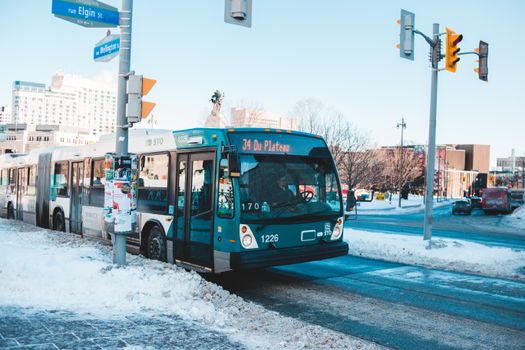
Urban bus navigating snowy streets at a city intersection during daytime winter. Photo: Erik Mclean / Pexels
Navigating Canada, the world's second-largest country, can quickly become the most significant drain on your travel budget if not approached strategically. The sheer distances between major cities and natural attractions necessitate careful planning. For inter-provincial travel, consider the bus network, specifically companies like Greyhound (in some regions) or regional alternatives, which often provide significantly cheaper fares than flying or taking the train. Booking these tickets well in advance, especially during off-peak seasons, can yield substantial discounts. Look out for multi-journey passes if you plan to travel extensively within a specific region. While VIA Rail Canada offers scenic routes, its prices can rival airfare, making it less budget-friendly for most unless you snag a seat sale or student discount. Always compare prices across different modes of transport before committing. Within cities, public transportation is your best friend. Major Canadian cities like Toronto, Montreal, Vancouver, and Calgary boast efficient and extensive public transit systems (subways, buses, streetcars) that can take you almost anywhere you need to go for a fraction of the cost of taxis or ride-shares. Invest in a day pass or a multi-day pass if you plan on frequent use; these often provide unlimited travel for a set period, offering excellent value. For shorter distances, walking and cycling are not only free but also offer a fantastic way to experience a city's vibe, discover hidden gems, and get some exercise. Many cities also have bike-sharing programs that are affordable for short-term rentals. If your itinerary involves exploring national parks or remote areas, car rentals might seem unavoidable. However, look into carpooling options through apps or local community boards. Alternatively, consider joining organized tours from major cities, which often bundle transportation and guided experiences, sometimes at a lower overall cost than arranging everything independently. Fuel costs in Canada can fluctuate, and insurance for rental cars can add up, so factor these into your calculations. Always reserve rental cars far in advance, especially during peak tourist season, and compare prices from various providers to secure the best deal. Exploring Canada on a budget requires a mindful approach to how you get from point A to point B, making smart choices at every turn to stretch your loonie further.

Smart Accommodation Choices for Affordable Canadian Stays

Two travelers converse in a hostel dormitory, showcasing diverse culture and adventure. Photo: Ketut Subiyanto / Pexels
Finding budget-friendly accommodation in Canada can be a challenge, particularly in popular tourist hubs like Vancouver, Toronto, and Banff during peak season. However, with a bit of foresight and flexibility, you can significantly cut down on your lodging expenses. Hostels are often the go-to for budget travelers, offering dormitory-style rooms at a fraction of hotel prices. Many hostels also provide private rooms, shared kitchens, and common areas, fostering a social atmosphere that can enhance your travel experience. Websites like Hostelworld and Booking.com are excellent resources for finding and comparing hostel options across the country. Remember to book well in advance, especially for summer travel or popular events, as the best and cheapest beds fill up quickly. Camping is another fantastic and uniquely Canadian way to save money on accommodation, especially if you're exploring the country's vast natural landscapes. Canada boasts an incredible network of national and provincial parks, many of which offer well-maintained campgrounds with varying levels of amenities, from basic tent sites to RV hookups. A Parks Canada Discovery Pass (discussed later) will grant you access to national parks, but campsite fees are separate. Booking campsites, particularly in popular parks like Banff or Jasper, can be highly competitive, often requiring reservations months in advance, especially for long weekends. Consider dispersed camping (backcountry camping) in permitted areas for an even more rustic and free experience, though this requires more preparation and adherence to Leave No Trace principles. Beyond traditional hostels and camping, consider alternative accommodation options. Couchsurfing allows you to stay with locals for free, offering an authentic cultural exchange. While not always available or suitable for everyone, it can be a significant money-saver. Airbnb and other vacation rental platforms can sometimes offer better value than hotels, especially for groups or longer stays, particularly if you find a place with kitchen facilities. Staying slightly outside major city centers can also dramatically reduce accommodation costs, often with good public transport links still available. Look for hotels or motels in surrounding towns or suburbs. Finally, consider volunteering opportunities that offer accommodation in exchange for work, such as WWOOFing (Worldwide Opportunities on Organic Farms), which provides a unique way to experience Canada while keeping costs extremely low. Each of these strategies offers a distinct way to experience Canada without overspending on a place to sleep.

Savvy Dining & Free Activities: Maximizing Your Canada Budget

Canadian flag waving on a rocky shore with waves and cloudy sky in the background. Photo: Erik Mclean / Pexels
Food can be a surprisingly high expense when traveling, but with a few smart choices, you can eat well in Canada without breaking the bank. The golden rule for budget dining is simple: cook your own meals whenever possible. Opt for accommodations with kitchen facilities – be it a hostel, Airbnb, or campground. Grocery stores in Canada, such as Loblaws, Sobeys, Metro, and local independent markets, offer a wide range of fresh produce, pantry staples, and ready-to-eat items. Planning your meals and packing lunches and snacks for day trips will save you a fortune compared to eating out for every meal. Look for local markets for fresh, often cheaper, seasonal produce. Many Canadian cities also have excellent ethnic food markets that offer great value and unique ingredients. When you do decide to eat out, embrace Canada's diverse and often affordable casual dining scene. Look for food trucks, local diners, and ethnic restaurants, which frequently offer delicious meals at lower price points than upscale establishments. Lunch specials are often a great deal, providing a hearty meal for less than dinner. Happy hour deals can also offer discounted appetizers and drinks. Skip the expensive bottled water; tap water in Canada is safe and delicious almost everywhere, so carry a reusable water bottle. For coffee lovers, consider buying a travel mug and refilling it at gas stations or convenience stores that offer cheaper refills than specialty coffee shops. Exploring local culinary experiences doesn't have to be expensive; seek out poutine from a local chip wagon or a Montreal bagel from a traditional bakery. Beyond food, Canada offers an abundance of free or low-cost activities that allow you to immerse yourself in its natural beauty and culture without spending a fortune. A Parks Canada Discovery Pass is an invaluable investment if you plan to visit multiple national parks or national historic sites. This pass provides unlimited entry for a full year and can quickly pay for itself, especially if you're exploring iconic destinations like Banff, Jasper, or Gros Morne. Outside of national parks, provincial parks often have lower entry fees or even free access, offering stunning landscapes for hiking, swimming, and picnicking. Many Canadian cities boast world-class museums, art galleries, and cultural institutions that offer free admission on specific days or evenings, so check their websites for details. Walking tours (often free, tip-based) are an excellent way to learn about a city's history and architecture. Attending free festivals, outdoor concerts, and community events, especially during the summer, provides vibrant cultural experiences. Simply exploring a city's neighborhoods on foot, enjoying a public park, or taking in a scenic viewpoint can be incredibly rewarding and entirely free. By prioritizing self-catering and free activities, your Canadian adventure can be rich in experience and light on your wallet.

Essential Budget Travel Tips Canada: Avoid These Common Mistakes

Individual budgeting with US dollars and a planner, focusing on financial planning. Photo: www.kaboompics.com / Pexels
Even the most seasoned travelers can fall prey to common pitfalls that inflate their budget. Being aware of these missteps can save you significant money on your Canadian journey. * **Underestimating Distances and Travel Times:** Canada is vast. What looks like a short hop on a map can be an 8-hour drive. Failing to account for these distances leads to last-minute, expensive flight bookings or rushed, unenjoyable travel. Always factor in ample travel time and research distances accurately. * **Ignoring Off-Season Travel:** The peak summer months (July-August) and ski season (winter in certain regions) see the highest prices for flights, accommodation, and tours. Traveling in the shoulder seasons (May-June, September-October) or even winter (outside ski resorts) can lead to dramatic savings and fewer crowds. The experience might be different, but often equally rewarding. * **Not Booking in Advance:** This is perhaps the biggest budget killer. Last-minute bookings for flights, trains, popular hostels, or campsites, especially in high-demand areas, almost always come with a premium. Aim to book major components of your trip several months in advance. * **Over-relying on Credit Cards without a Travel Strategy:** While credit cards are convenient, foreign transaction fees can add up. Look for a credit card that waives these fees. Also, always pay in Canadian dollars when offered the choice at point of sale to avoid dynamic currency conversion markups. * **Skipping Travel Insurance:** While not a direct travel cost, falling ill or having an accident without insurance can lead to astronomical medical bills in Canada. A good travel insurance policy is a non-negotiable budget item for peace of mind and financial protection. * **Failing to Budget for Incidentals:** Small costs like tips (expected in Canada), souvenirs, laundry, and unexpected entry fees can quickly deplete your daily budget. Always allocate a buffer for these unforeseen expenses. * **Not Leveraging Free Wi-Fi:** Roaming charges for data can be incredibly expensive. Plan to use free Wi-Fi available at cafes, libraries, and public spaces. Download offline maps and essential travel information beforehand. By proactively avoiding these common mistakes, your budget travel tips Canada strategy will be much more effective, allowing you to enjoy more of what this incredible country has to offer.

Comparison

FeatureBest Budget OptionMid-Range OptionPremium Option
AccommodationHostels/CampingBudget Hotels/AirbnbsLuxury Hotels/Resorts
TransportationBus/Public TransitRental Car/VIA Rail (Economy)Flights/Private Transfers
DiningSelf-Catering/Food TrucksCasual Restaurants/Lunch DealsFine Dining/Room Service
ActivitiesFree Parks/HikingMuseums/Guided ToursAdventure Sports/Private Excursions

What Readers Say

"These budget travel tips for Canada transformed my trip! I camped in Banff and took buses between cities, saving hundreds. It allowed me to stay longer and see more without stress."

Sarah J. · Seattle, WA

"Following the advice on cooking my own meals was a game-changer. I still enjoyed local treats but kept my food budget in check. Highly recommend these Canadian budget strategies."

Mark D. · London, UK

"I used these tips for my cross-Canada adventure and managed to stay within my budget of $50/day! The advice on booking hostels early and using public transport was invaluable."

Emily R. · Sydney, AUS

"The tips were mostly excellent, though some rural areas still required a car rental, which added to costs. However, the overall savings from other areas made it very worthwhile."

David L. · Berlin, GER

"As a student, I thought Canada was out of reach. These budget travel tips for Canada proved me wrong! I explored Montreal and Quebec City affordably by following the public transit and free activities suggestions."

Jessica M. · Mexico City, MEX

Frequently Asked Questions

What is the cheapest time of year to visit Canada for budget travel?

The cheapest times to visit Canada are generally during the shoulder seasons (late April to early June and September to October) or in the winter (November to March), outside of major ski destinations. During these periods, you'll find lower prices for flights, accommodation, and fewer crowds, though weather can be cooler or colder depending on the region.

Is it possible to travel Canada on a very tight budget, like $50 CAD per day?

Yes, it is possible but challenging, especially if you're traveling solo and want to see a lot. Achieving a $50 CAD daily budget requires strict adherence to strategies like staying in hostels or camping, self-catering all meals, utilizing free activities, and relying solely on public transport or walking. It's more feasible in less expensive regions and outside peak season.

How can I save money on food while traveling in Canada?

The best way to save on food is to cook your own meals. Stay in accommodations with kitchen access, shop at local grocery stores, and pack lunches and snacks for day trips. When eating out, opt for food trucks, casual diners, lunch specials, and happy hour deals instead of expensive restaurants. Carry a reusable water bottle to avoid buying bottled water.

What is the best way to get around Canada on a budget?

For long distances, inter-city buses are generally the most budget-friendly option, especially if booked in advance. Within cities, public transportation (buses, subways, streetcars) is highly recommended. For exploring national parks or remote areas, consider carpooling, organized tours that include transport, or strategically planned car rentals, always comparing prices.

Are there any free things to do in Canadian cities or national parks?

Absolutely! Many Canadian cities offer free walking tours, public parks, waterfronts, and free admission days at museums or galleries. National parks, while requiring a Parks Canada Discovery Pass for entry (which pays for itself quickly), offer countless free activities like hiking, wildlife viewing, and scenic drives once inside. Exploring local markets and attending free festivals are also great options.

Who should consider these budget travel tips for Canada?

These budget travel tips are ideal for backpackers, students, solo travelers, families, or anyone who wants to experience the incredible beauty and culture of Canada without overspending. They are perfect for those willing to plan ahead, embrace local experiences, and prioritize value over luxury to extend their travel adventures.

Is it safe to travel solo on a budget in Canada?

Canada is generally considered a very safe country for solo travelers. Most cities and tourist areas are welcoming and low-crime. However, like anywhere, it's wise to take standard precautions: be aware of your surroundings, especially at night, inform someone of your itinerary, and secure your belongings. Using reputable hostels and public transport adds to safety.

How can I find reliable information on local deals and free events in Canada?

Utilize local tourism board websites, city event calendars, and community newspapers (often available online). Check social media groups for specific cities or regions you're visiting. Hostel notice boards can also be a great source for local, budget-friendly activities and events. Don't hesitate to ask locals for their recommendations.

Armed with these comprehensive budget travel tips for Canada, your dream adventure doesn't have to break the bank. Start planning your incredible, affordable Canadian journey today and discover the magic of this vast and welcoming country without compromising on unforgettable experiences.

Topics: budget travel tips canadaaffordable canada travelcheap canadian vacationsave money canada tripbackpacking canada budget
Leo List
Brampton weed
Adultwork EstrelaBet Vai de Bet R7 Bet Betão Galera Bet Rainbet Bet9ja Shop SportyBet BetKing Sisal Loto Foot Hollywoodbets YesPlay Odibets RushBet Jugabet BetWarrior BetCity MSport betPawa Fortebet