Discover the Top Canadian National Parks to Visit Now
top canadian national parks to visit

Discover the Top Canadian National Parks to Visit Now

Uncover Canada's breathtaking landscapes and plan your ultimate outdoor escape with our comprehensive guide.

Plan Your Adventure

Key Takeaways

  • ✓ Canada boasts 38 national parks and 10 national park reserves.
  • ✓ Banff National Park is Canada's oldest national park, established in 1885.
  • ✓ Gros Morne National Park is a UNESCO World Heritage Site.
  • ✓ Parks Canada manages over 450,000 square kilometers of protected areas.

How It Works

1
Choose Your Region

Decide whether you want to explore the majestic Rockies, the rugged East Coast, or the vast northern wilderness. Each region offers unique landscapes and experiences.

2
Research Park Activities

Investigate the specific activities available in your chosen park, such as hiking, kayaking, wildlife viewing, or cultural programs. This helps tailor your visit to your interests.

3
Book Accommodations & Permits

Secure your campsite, cabin, or hotel well in advance, especially for popular parks during peak season. Obtain any necessary park passes or back country permits beforehand.

4
Prepare & Pack Smart

Check weather forecasts, pack appropriate gear for all conditions, and familiarize yourself with park regulations. Always practice Leave No Trace principles to protect these natural treasures.

Exploring the Majestic Canadian Rockies: Banff, Jasper, and Yoho
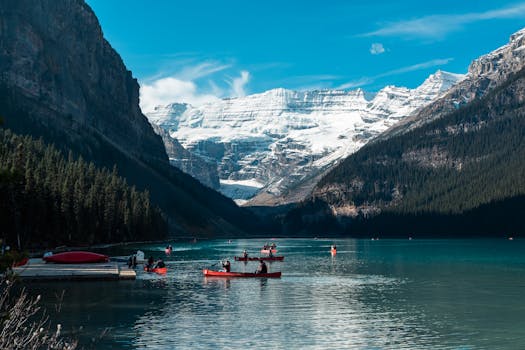
Serene view of canoes on Lake Louise surrounded by snow-capped mountains in Banff National Park, Alberta. Photo: Donovan Kelly / Pexels
The Canadian Rockies are an undisputed jewel in Canada's crown, home to some of the most iconic and top Canadian National Parks to visit. This region, straddling Alberta and British Columbia, offers a landscape of unparalleled grandeur: towering, snow-capped peaks, turquoise glacial lakes, vast forests, and abundant wildlife. Few places on Earth offer such a dramatic and accessible wilderness experience. At the heart of this region lies Banff National Park, Canada's first national park and a UNESCO World Heritage site. Established in 1885, Banff is renowned for its stunning vistas, including Lake Louise with its iconic Fairmont Chateau, and Moraine Lake, whose vibrant blue waters are a sight to behold. Beyond the postcard views, Banff offers an extensive network of hiking trails ranging from easy strolls around lakes to challenging multi-day treks through alpine passes. Wildlife spotting is a common pastime here, with elk, deer, bighorn sheep, and occasionally bears making appearances. The town of Banff itself provides a charming base with a variety of accommodations, dining options, and attractions like the Banff Upper Hot Springs. Just north of Banff, Jasper National Park beckons with its wilder, more rugged appeal. It's the largest national park in the Canadian Rockies and offers a more remote experience while still being highly accessible. The Icefields Parkway, a scenic highway connecting Banff and Jasper, is considered one of the most beautiful drives in the world, offering continuous panoramic views of glaciers, waterfalls, and wildlife. Key attractions in Jasper include Maligne Lake, Spirit Island, the Athabasca Glacier, and the Skywalk. Jasper is a dark-sky preserve, making it an incredible destination for stargazing. Activities abound, from whitewater rafting on the Athabasca River to exploring the extensive trail system. The town of Jasper is smaller and less bustling than Banff, offering a more laid-back atmosphere. Completing the trio of essential Rockies parks is Yoho National Park, nestled in British Columbia and often overshadowed by its larger neighbours but equally spectacular. Yoho, meaning 'awe' or 'wonder' in the Cree language, lives up to its name with natural wonders like Takakkaw Falls, one of Canada's highest waterfalls, and the unique natural bridge formation carved by the Kicking Horse River. The Burgess Shale fossil beds, a UNESCO World Heritage site within Yoho, offer a glimpse into ancient marine life. Emerald Lake, with its vivid green waters and surrounding hiking trails, is another highlight. Yoho offers a quieter, more intimate encounter with the Rockies, ideal for those seeking to escape the larger crowds while still experiencing breathtaking scenery. Together, these three parks provide an unforgettable journey into the heart of Canada's mountain wilderness, making them perennial favorites among the top Canadian National Parks to visit. For more detailed planning, consider exploring travel guides for the Canadian Rockies to optimize your itinerary.

Coastal Wonders and Maritime Heritage: Gros Morne and Pacific Rim
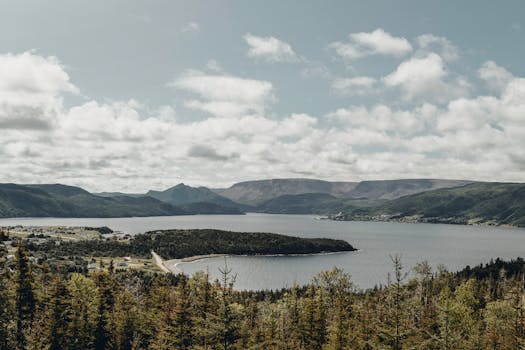
Vibrant summer landscape of Norris Point, NL with lush forests and tranquil lake. Photo: Daniel Battersby / Pexels
Moving from the towering peaks of the Rockies to the dramatic coastlines, Canada's national park system showcases incredible diversity. Two parks that exemplify this coastal grandeur and maritime heritage are Gros Morne National Park in Newfoundland and Labrador, and Pacific Rim National Park Reserve on Vancouver Island, British Columbia. Both offer distinctly different but equally compelling reasons to be considered among the top Canadian National Parks to visit. Gros Morne National Park, a UNESCO World Heritage site, is a geological marvel. Located on the west coast of Newfoundland, it offers a rare opportunity to see the Earth's mantle exposed, providing tangible evidence of plate tectonics. This phenomenon, known as the Tablelands, is a barren, rust-coloured landscape that looks more like a desert planet than part of Canada. Beyond its geological significance, Gros Morne boasts breathtaking fjords, notably Western Brook Pond, a freshwater fjord accessible by a scenic boat tour. Its towering cliffs and cascading waterfalls are a sight to behold. The park also features lush forests, coastal lowlands, and picturesque fishing villages like Woody Point and Norris Point. Hiking opportunities range from easy coastal walks to challenging climbs up Gros Morne Mountain itself, offering panoramic views of the entire park. Wildlife includes moose, caribou, and a variety of seabirds. The blend of geological wonder, fjordland beauty, and vibrant local culture makes Gros Morne an absolutely unique destination. On the opposite side of the country, on the west coast of Vancouver Island, lies Pacific Rim National Park Reserve. This park is renowned for its rugged coastlines, ancient rainforests, and rich Indigenous culture. It's divided into three distinct units: Long Beach, the Broken Group Islands, and the West Coast Trail. Long Beach, as its name suggests, features expansive sandy beaches ideal for surfing, storm watching, and beachcombing. The adjacent temperate rainforests offer enchanting hiking trails through towering old-growth trees. The Broken Group Islands, a labyrinth of over a hundred small islands and islets, are a paddler's paradise, perfect for kayaking and exploring hidden coves and marine life. The iconic West Coast Trail, a challenging multi-day backpacking route, follows an ancient Nuu-chah-nulth trading route along a wild and remote coastline, offering an unforgettable wilderness experience. Pacific Rim is also a significant area for whale watching, particularly during the migration seasons of gray whales. The park's blend of ocean, forest, and cultural history provides a powerful and immersive experience of Canada's Pacific edge, solidifying its place among the must-see national parks.

Wilderness & Wildlife: Fundy, Cape Breton Highlands, and Prince Edward Island
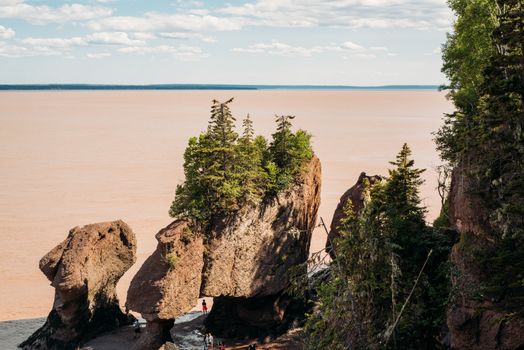
Stunning view of Hopewell Rocks at the Bay of Fundy, showcasing majestic rock formations and vibrant green trees under a clear sky. Photo: Laura Stanley / Pexels
Beyond the dramatic mountains and rugged coastlines, Canada's national parks offer diverse ecosystems teeming with unique wildlife and opportunities for immersive wilderness experiences. The Maritimes, in particular, host several top Canadian National Parks to visit, each with its distinct charm and ecological significance. These parks provide a different flavour of Canadian wilderness, often characterized by lush forests, dramatic coastlines, and a rich cultural tapestry. Fundy National Park in New Brunswick is famous for having the world's highest tides, an awe-inspiring natural phenomenon. Twice daily, the Bay of Fundy's tides can rise and fall by as much as 12 meters (40 feet), dramatically altering the coastline and revealing vast expanses of the ocean floor. Visitors can walk on the seabed at low tide, exploring tide pools and unique rock formations, then witness the rapid return of the ocean just hours later. Beyond the tides, Fundy boasts over 120 kilometers of hiking and biking trails winding through Acadian forests, past cascading waterfalls, and along coastal cliffs. Kayaking and canoeing are popular activities on the park's rivers and lakes. The park also offers excellent opportunities for birdwatching and observing marine life. Its blend of geological wonder and accessible wilderness makes it a standout destination in Eastern Canada. Further east, on Cape Breton Island, Nova Scotia, lies Cape Breton Highlands National Park. This park is where the mountains meet the sea, offering a stunning landscape of rolling hills, deep river canyons, and dramatic ocean vistas. The world-renowned Cabot Trail, one of Canada's most scenic drives, winds through a significant portion of the park, providing breathtaking lookouts and access to numerous hiking trails. The Skyline Trail is a particular highlight, offering panoramic views of the Gulf of St. Lawrence and the chance to spot moose and whales. The park's diverse ecosystems support a wide array of wildlife, including bald eagles, black bears, and various marine mammals. Visitors can enjoy hiking, cycling, golfing, and kayaking, all against a backdrop of unparalleled natural beauty. The rich Acadian and Gaelic culture of the surrounding communities adds another layer of depth to any visit, making it a truly immersive experience. For an even deeper dive into Atlantic Canada's offerings, check out guides to East Coast adventures. Finally, Prince Edward Island National Park, though smaller in scale, offers a quintessential East Coast experience. Stretching along the province's north shore, this park is characterized by its stunning red sandstone cliffs, expansive sandy beaches, and picturesque dunes. It's a haven for beach lovers, swimmers, and birdwatchers. The park is also famous for its connection to Anne of Green Gables, with Green Gables Heritage Place located nearby. Visitors can explore scenic walking and cycling trails, such as the Gulfshore Way, which offers breathtaking coastal views. The park plays a crucial role in protecting fragile dune ecosystems and provides important nesting grounds for various bird species. Its gentle beauty and relaxed atmosphere provide a perfect counterpoint to the more rugged parks, offering a different but equally rewarding Canadian national park experience.

Essential Tips for Visiting Canada's National Parks

A woman hiking with a backpack on a scenic dirt road in Banff, surrounded by lush trees. Photo: Line Knipst / Pexels
To ensure your trip to Canada's national parks is as enjoyable and responsible as possible, consider these essential tips. Planning ahead, understanding park regulations, and being prepared for varying conditions will significantly enhance your experience. **1. Plan Ahead, Especially for Popular Parks:** * **Reservations are Crucial:** For popular parks like Banff, Jasper, and Gros Morne, especially during peak season (June to September), book accommodation (camping, cabins, hotels) and popular activities (e.g., Lake Louise canoe rentals, Western Brook Pond boat tour) months in advance. Many campsites open for reservations 3-5 months prior to the season. * **Park Passes:** Purchase your Parks Canada Discovery Pass online before you arrive, or at the park gate. This pass provides unlimited admission to all national parks for a full year and is often more cost-effective than daily passes if you plan to visit multiple parks or stay for several days. * **Check Park Alerts:** Always visit the official Parks Canada website for the specific park you plan to visit. Check for trail closures, fire bans, wildlife warnings, and seasonal road closures. **2. Practice Leave No Trace Principles:** * **Pack it In, Pack it Out:** Carry out everything you bring into the park, including all garbage and food waste. Even organic materials like apple cores can take a long time to decompose and attract wildlife. * **Stay on Marked Trails:** This protects fragile ecosystems and prevents erosion. Going off-trail can damage vegetation and disturb wildlife habitats. * **Respect Wildlife:** Maintain a safe distance from all animals. Never feed wildlife, as it habituates them to humans and can lead to dangerous encounters. Store food securely to prevent animal access. **3. Be Prepared for All Conditions:** * **Layered Clothing:** Mountain weather can change rapidly. Pack layers, including waterproof and windproof outer shells, even in summer. * **Proper Footwear:** Sturdy, broken-in hiking boots are essential for most trails. * **Bear Safety:** In many parks, especially in the Rockies and remote areas, bear spray is recommended. Know how to use it and carry it in an easily accessible spot. Make noise on trails to avoid surprising animals. * **Navigation:** Carry a map and compass or a reliable GPS device, and know how to use them. Cell service can be unreliable in many park areas. **4. Consider Off-Peak Travel:** * Visiting in shoulder seasons (late spring or early fall) can offer fewer crowds, more readily available accommodations, and often stunning scenery with changing foliage or fresh snow, though some services or roads might be limited. Always check park-specific information for shoulder season conditions. By following these guidelines, you'll not only have a more enjoyable and stress-free trip but also contribute to the preservation of these magnificent natural treasures for future generations.

Comparison

FeatureBanff National ParkGros Morne National ParkPacific Rim National Park
Primary LandscapeMountains, Glacial LakesFjords, Tablelands, CoastRainforest, Rugged Coast
Key ActivitiesHiking, Skiing, CanoeingBoat Tours, Hiking, GeologySurfing, Kayaking, Hiking
UNESCO Status
Best for WildlifeLarge Mammals (Elk, Bear)Moose, Caribou, SeabirdsWhales, Birds, Marine Life
Crowd Level (Peak)HighMediumMedium-High

What Readers Say

"Visiting Banff and Jasper was a dream come true! The majestic mountains and turquoise lakes truly make these the top Canadian national parks to visit. Every view was breathtaking and the trails were well-maintained."

Sarah Chen · Toronto, ON

"Gros Morne National Park was an absolute geological wonder. The Tablelands were unlike anything I've ever seen, and the boat tour on Western Brook Pond was simply magical. A must-see among the top Canadian national parks to visit!"

David Miller · Calgary, AB

"Pacific Rim National Park delivered an incredible blend of rugged coastline and ancient rainforest. Surfing at Long Beach and exploring the Broken Group Islands was an unforgettable adventure. It's definitely one of the top Canadian national parks to visit for any outdoor enthusiast."

Emily Rodriguez · Vancouver, BC

"Fundy National Park's tides were mesmerizing, and the hiking was fantastic. While slightly less dramatic than the Rockies, its unique natural phenomenon makes it a strong contender for the top Canadian national parks to visit, especially for coastal exploration."

Mark Johnson · Montreal, QC

"We did a road trip through several top Canadian national parks to visit, and Cape Breton Highlands was a stunning surprise. The Cabot Trail views were incredible, and the hiking was spectacular. Highly recommend for a scenic drive and coastal exploration."

Jessica Lee · Seattle, WA

Frequently Asked Questions

What is the best time of year to visit the top Canadian National Parks?

The best time largely depends on the park and your desired activities. For most parks, especially in the Rockies, late spring (May-June) and early fall (September-October) offer pleasant weather, fewer crowds, and stunning scenery. Summer (July-August) provides the warmest weather and full access to all services, but also the largest crowds. Winter offers unique opportunities for snow sports in some parks.

Do I need a park pass to enter Canadian National Parks?

Yes, a park pass is required for entry into all Canadian National Parks. You can purchase a daily pass or an annual Discovery Pass, which offers unlimited admission to all national parks for a full year. The Discovery Pass is often more economical if you plan to visit multiple parks or stay for more than 7 days.

How can I book camping or accommodation in these parks?

Camping and other accommodations (like oTENTiks or cabins) in Canadian National Parks can be booked through the Parks Canada Reservation Service online. Reservations open several months in advance, typically in January for the summer season, and popular spots fill up very quickly. It's crucial to book well in advance, especially for peak season visits.

What are the average costs associated with visiting a Canadian National Park?

Costs vary significantly. A Parks Canada Discovery Pass costs around $75 for an individual or $150 for a family/group per year. Camping fees range from $25-$40 per night for basic sites. Accommodation outside campgrounds can range from $100-$400+ per night. Factor in transportation, food, and activity costs (e.g., boat tours, equipment rentals), which can add $50-$200+ per person per day depending on your style of travel.

Are there any specific challenges or risks when visiting these national parks?

Yes, challenges include unpredictable weather, wildlife encounters (bears, cougars, elk), and remote terrain. It's essential to be prepared with appropriate gear, know basic first aid, carry bear spray in bear country, and inform someone of your itinerary, especially when venturing into the backcountry. Always check park-specific safety advisories before your visit.

Who should visit the top Canadian National Parks to visit?

Anyone with an appreciation for nature, outdoor adventure, and stunning landscapes will find Canada's National Parks incredibly rewarding. They cater to a wide range of visitors, from families seeking accessible scenic drives and short walks to experienced hikers and paddlers looking for multi-day wilderness expeditions. Wildlife enthusiasts, photographers, and those interested in geology or Indigenous culture will also find rich experiences.

What should I do if I encounter wildlife in a national park?

Maintain a safe distance from all wildlife (at least 30 meters for large animals like elk, and 100 meters for bears and cougars). Never feed animals. Make noise on trails to avoid surprising them. If you encounter a bear, remain calm, speak in a low voice, and slowly back away. Carry bear spray and know how to use it. Report any aggressive wildlife encounters to park staff immediately.

How do climate change and conservation efforts impact these parks?

Climate change poses significant threats to these parks, including glacier melt, increased wildfire risk, and habitat changes for wildlife. Parks Canada is actively engaged in conservation efforts, including ecosystem restoration, species at risk protection, and promoting sustainable tourism. Visitors can help by practicing Leave No Trace principles, supporting park initiatives, and reducing their environmental footprint.

Canada's National Parks are more than just destinations; they are experiences that connect you with the raw beauty of nature and the rich heritage of the land. Whether you seek the thrill of mountain adventures, the serenity of coastal vistas, or the wonder of unique geological formations, the top Canadian National Parks to visit offer an unparalleled journey. Start planning your unforgettable Canadian wilderness adventure today and discover the magic for yourself.

Topics: top canadian national parks to visitCanada national parkstravel Canada wildernessCanadian Rockies parksEast Coast national parks
Leo List
Brampton weed
Adultwork EstrelaBet Vai de Bet R7 Bet Betão Galera Bet Rainbet Bet9ja Shop SportyBet BetKing Sisal Loto Foot Hollywoodbets YesPlay Odibets RushBet Jugabet BetWarrior BetCity MSport betPawa Fortebet