
Unlock Canada: How to Travel Canada on a Budget
how to travel canada on a budget

Unlock Canada: How to Travel Canada on a Budget

Explore Canada's breathtaking landscapes and vibrant cities without breaking the bank using these actionable budget travel tips.

Start Your Adventure

Key Takeaways

  • ✓ Canada is the world's second-largest country by land area, offering diverse landscapes.
  • ✓ Accommodation is often the biggest expense; consider hostels, camping, or house-sitting.
  • ✓ Public transport and ridesharing are budget-friendly alternatives to car rentals.
  • ✓ Cooking your own meals can save hundreds compared to dining out.
  • ✓ Many national parks offer free entry for youth and affordable passes for adults.

How It Works

1
Plan Your Route Strategically

Focus on a specific region rather than trying to cover the entire vast country. This minimizes travel time and costs, allowing for deeper exploration of chosen areas.

2
Optimize Accommodation Choices

Research hostels, campgrounds, and alternative stays like Airbnb or house-sitting early. Booking in advance, especially during peak season, secures better rates.

3
Master Budget Transportation

Utilize intercity buses, trains, and rideshare apps for long distances. Within cities, rely on public transit, walking, or cycling to save on daily commuting expenses.

4
Embrace Frugal Food & Activities

Cook your own meals whenever possible, pack snacks, and seek out free attractions like hiking trails, public parks, and free museum days. Prioritize experiences over expensive souvenirs.

Smart Planning: The Cornerstone of Cheap Canada Travel
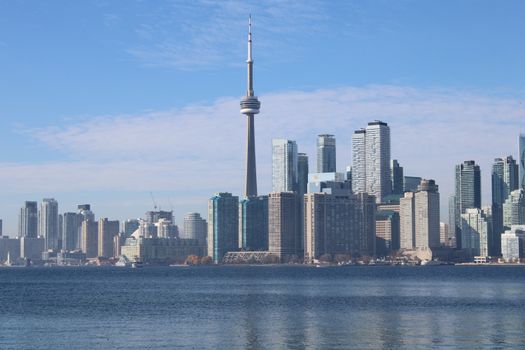
Toronto skyline with the iconic CN Tower and waterfront view. Photo: alex ohan / Pexels
Embarking on a Canadian adventure doesn't have to drain your savings. The key to discovering how to travel Canada on a budget lies firmly in meticulous planning and strategic decision-making long before you even pack your bags. Canada, with its vast landscapes spanning from the Pacific to the Atlantic, offers an incredible array of experiences, but its sheer size can quickly inflate travel costs if not managed carefully. Your first crucial step is to define your travel style and priorities. Are you dreaming of urban exploration in Montreal or Vancouver, or is the rugged wilderness of the Rockies calling your name? Trying to do too much in one trip is a common pitfall that leads to excessive spending on transportation. Instead, choose one or two regions and delve deep into what they offer. This focused approach not only saves money but also provides a more enriching and less rushed experience. For example, if you're set on exploring Western Canada, concentrate on British Columbia and Alberta, rather than trying to add the Maritimes to the same itinerary. This regional focus allows you to optimize your travel between destinations, perhaps by using a single flight into a major hub and then relying on more budget-friendly ground transportation within the region. Another critical planning element is timing. Traveling during the shoulder seasons (spring and fall) or even the off-season can significantly reduce costs for flights and accommodation. While popular summer months offer warm weather and a full roster of activities, they also come with peak prices and larger crowds. Conversely, winter travel, especially in regions known for winter sports, can be surprisingly affordable outside of major holiday periods, offering unique experiences like ice skating on frozen lakes or exploring snow-covered national parks. Always book flights and accommodation well in advance, ideally several months out, to secure the best rates. Last-minute bookings, especially for popular destinations, rarely offer good value. Utilize flight comparison websites but also consider checking airline websites directly for exclusive deals. For accommodations, look beyond traditional hotels. Hostels, guesthouses, and even university dorms during summer breaks can offer significantly cheaper alternatives. Don't underestimate the power of package deals for flights and hotels, but always compare them against booking components separately to ensure genuine savings. Finally, consider travel insurance as a non-negotiable budget item. While it might seem like an upfront cost, it can save you thousands in unexpected medical emergencies or trip cancellations, making it an essential part of any responsible travel plan.

Mastering Budget-Friendly Accommodation and Transportation

Side view of young smiling ethnic female resting in bed under white blanket with camera and phone and looking away holding curtain in train Photo: George Pak / Pexels
When considering how to travel Canada on a budget, accommodation and transportation typically represent the largest chunks of your expenditure. Cutting costs in these areas is paramount. For lodging, think beyond hotels. Hostels are a backpacker's best friend, offering not just a bed but often communal kitchens, social atmospheres, and organized activities that can save you money on food and entertainment. Many Canadian cities boast high-quality hostels with private room options if dorms aren't your preference. Websites like Hostelworld are excellent resources. Camping is another fantastic, deeply Canadian way to save, especially if you're exploring national or provincial parks. Parks Canada offers numerous campgrounds, from basic tent sites to those with electrical hookups. Booking these well in advance, particularly for popular parks like Banff or Jasper, is crucial. If you're open to unique experiences, consider platforms like Couchsurfing for free stays with locals, or house-sitting opportunities where you live in someone's home in exchange for caring for their property or pets. Airbnb can also be budget-friendly, especially for longer stays where discounts apply, or if you're traveling with a group and can split the cost of an entire apartment. Transportation across Canada's vast distances demands careful strategy. Flying domestically can be expensive. Look into budget airlines like Flair Airlines or Swoop (though Swoop is no longer operating independently, check for similar budget options that emerge) for specific routes, but be mindful of baggage fees. For intercity travel, buses are often the most economical choice. Companies like Greyhound (though their Canadian operations are now limited, other regional bus lines exist), Rider Express, and various provincial bus services connect major cities and towns. VIA Rail Canada offers a scenic but often pricier train experience; however, look for their 'Escape Fares' or youth/senior discounts. Car rentals offer flexibility but come with fuel costs, insurance, and parking fees. If renting, compare prices extensively, book compact cars, and consider peer-to-peer car-sharing services like Turo. For solo travelers or small groups, ridesharing platforms like Kijiji's ride-share section or dedicated Facebook groups can connect you with drivers heading in your direction, splitting gas costs. Within cities, embrace public transit. Most major Canadian cities have efficient bus, subway, or tram systems that are far cheaper than taxis or ride-shares. Walking and cycling are not only free but also offer a fantastic way to explore and stay active. Many cities have bike-sharing programs available for short-term use.

Savoring Canada on a Budget: Food and Free Activities

Close-up of delicious eggs benedict and banana topping toast served in Montreal cafe. Photo: Jane T D. / Pexels
Food and activities are two areas where travelers often overspend without realizing it, making them prime targets when figuring out how to travel Canada on a budget. Dining out in Canada, especially in popular tourist areas, can quickly deplete your funds. The most effective way to save on food is to embrace self-catering. Stay in accommodations with kitchen facilities – hostels, Airbnbs, or campgrounds are ideal. Make frequent trips to local grocery stores (e.g., Loblaws, Sobeys, Metro, Walmart Supercentre) to buy ingredients for breakfast, lunch, and even dinner. Preparing your own sandwiches for lunch, cooking pasta or stir-fries for dinner, and packing snacks for day trips will dramatically cut down your food budget. Farmers' markets are also excellent for fresh, local produce at often better prices than supermarkets, and they offer a taste of local culture. When you do eat out, opt for lunch specials, food trucks, or ethnic restaurants in less touristy neighborhoods, which typically offer better value. Look for 'happy hour' deals or early bird specials. Avoid convenience stores for snacks and drinks; buy these in bulk at grocery stores. Carry a reusable water bottle and refill it frequently – tap water in Canada is safe to drink almost everywhere, saving you money on bottled water. Canada is blessed with an abundance of natural beauty and cultural attractions, many of which are free or low-cost. National Parks offer stunning scenery and endless hiking opportunities. While there's an entry fee for most parks, consider purchasing a Parks Canada Discovery Pass if you plan to visit multiple parks over several days; it can be a significant saving. For youth aged 17 and under, entry to Parks Canada places is free! Many cities offer free walking tours that provide a great introduction to the local history and culture, often operating on a 'tip-what-you-think-it's-worth' basis. Public libraries, art galleries (some offer free admission on specific days or evenings), and community events are also excellent sources of free entertainment. Seek out local festivals, concerts in the park, and free museum days. Embrace the outdoors. Canada's provincial parks, municipal parks, and countless hiking trails are generally free to access (though some provincial parks may have day-use fees). Kayaking, swimming in lakes, cycling along scenic routes, or simply enjoying a picnic with a view are all fantastic, budget-friendly ways to experience the country's natural splendor. Look for free attractions like Vancouver's Stanley Park, Toronto's High Park, or Montreal's Notre-Dame Basilica (outside of specific visiting hours). Always check tourist information centers for free local guides and event listings. Being resourceful and open to local experiences will unlock a wealth of affordable Canadian adventures.

Smart Spending: Tips to Avoid Common Budget Blunders

The word 'BUDGET' on a pink textured background emphasizes financial planning. Photo: Ann H / Pexels
Even with careful planning, it's easy to fall into traps that inflate your travel budget. Learning how to travel Canada on a budget means being vigilant about smart spending. Here are some critical tips and common mistakes to avoid: * **Avoid Tourist Traps:** While iconic attractions are often worth it, many tourist-heavy areas inflate prices for food, souvenirs, and activities. Research alternatives or seek out local favorites slightly off the main drag. For example, instead of a pricey waterfront restaurant, grab takeout from a local deli and enjoy it in a scenic park. * **Prioritize Experiences Over Souvenirs:** Rather than buying trinkets, invest your money in memorable experiences that align with your interests. A guided hike, a local cooking class, or a whale-watching tour will provide lasting memories far beyond a mass-produced souvenir. If you must buy gifts, look for local artisan markets or thrift stores for unique, often more affordable items. * **Limit Alcohol Consumption:** Alcohol can be surprisingly expensive in Canada, especially in bars and restaurants due to high taxes. If you enjoy a drink, consider purchasing beer, wine, or spirits from liquor stores and enjoying them responsibly at your accommodation, rather than frequenting expensive establishments. * **Be Mindful of Exchange Rates and Bank Fees:** If you're an international traveler, use a credit card that doesn't charge foreign transaction fees. When withdrawing cash, use your bank's ATM network or look for fee-free ATMs, and always decline the dynamic currency conversion option at point-of-sale, as it often uses unfavorable exchange rates. Inform your bank of your travel plans to avoid card freezes. * **Pack Smart to Avoid Baggage Fees:** Budget airlines are notorious for charging hefty fees for checked luggage and even oversized carry-ons. Travel light! A well-packed backpack or a small carry-on can save you significant money and hassle. Research airline baggage policies before you fly. * **Leverage Free Wi-Fi:** Avoid costly international roaming charges by utilizing free Wi-Fi available at cafes, libraries, and public spaces. Download offline maps and essential information before you leave your accommodation. * **Consider a Travel Buddy:** Traveling with a friend or partner allows you to split costs for accommodation, car rentals, and even groceries, making many experiences significantly more affordable. However, ensure you have compatible travel styles to avoid friction. By being aware of these common pitfalls and actively seeking out cost-saving measures, your Canadian adventure can be both enriching and affordable.

Comparison

FeatureBest Budget OptionMid-Range OptionLuxury Option
AccommodationHostel Dorm/CampingBudget Hotel/Airbnb RoomBoutique Hotel/Resort
Transportation (Intercity)Bus/RideshareVIA Rail (Economy)/Budget FlightRental Car/Business Class Flight
FoodGrocery Store/PicnicsCasual Restaurants/Food TrucksFine Dining/Room Service
ActivitiesFree Parks/HikingMuseums/Local ToursGuided Expeditions/Spa Days
Flexibility

What Readers Say

"Following these tips, I managed to travel Canada on a budget for three weeks, hitting Banff and Vancouver! The hostel recommendations saved me a fortune on accommodation, and cooking most of my meals truly made a difference."

Liam O'Connell · Dublin, Ireland

"I was worried about Canada's reputation for being expensive, but this guide on how to travel Canada on a budget was a lifesaver. Using public transport and focusing on free outdoor activities allowed me to see so much without overspending."

Sarah Chen · Sydney, Australia

"The advice on planning my route strategically and prioritizing regions was gold. I explored the Maritimes for two weeks on a shoestring budget, proving that you can absolutely travel Canada on a budget and have an amazing time."

Marcus Thorne · London, UK

"While some parts of Canada are still pricey even with budget efforts, the insights on cheap food options and free activities in this guide significantly reduced my overall expenses. I highly recommend the self-catering approach."

Priya Sharma · Mumbai, India

"As a solo backpacker, learning how to travel Canada on a budget was essential. This article's emphasis on ridesharing and camping allowed me to journey from coast to coast, meeting incredible people and seeing breathtaking sights without financial stress."

David Miller · Berlin, Germany

Frequently Asked Questions

What's the cheapest way to get around Canada?

For long distances, intercity buses are generally the cheapest option, followed by ridesharing or budget airlines. Within cities, public transit, walking, and cycling are the most economical. Consider train travel for scenic routes, but book well in advance for 'Escape Fares'.

Is Canada really expensive to travel?

Canada can be expensive, particularly in major cities and popular tourist destinations, if you opt for high-end hotels, frequent dining out, and domestic flights. However, with careful planning, budget accommodation, self-catering, and utilizing free activities, it's very possible to travel Canada on a budget.

How can I save money on food while traveling in Canada?

The best way to save on food is to cook your own meals by staying in accommodations with kitchen facilities (hostels, Airbnbs, campgrounds) and buying groceries. Pack snacks, carry a reusable water bottle, and choose lunch specials or food trucks when dining out.

What's a realistic daily budget for a budget traveler in Canada?

A realistic daily budget for a budget traveler in Canada, excluding major flights to and from Canada, can range from CAD $60 to $100 per person. This would involve staying in hostels or camping, cooking most meals, using public transport, and focusing on free or low-cost activities.

Is it better to travel Canada during specific seasons to save money?

Yes, traveling during the shoulder seasons (spring: April-May, fall: September-October) or the off-season (winter, excluding major holidays) can significantly reduce costs for flights, accommodation, and sometimes even activities, compared to peak summer travel.

Who should consider budget travel in Canada?

Budget travel in Canada is ideal for backpackers, students, adventurous travelers, and anyone looking to experience Canada's natural beauty and culture without a hefty price tag. It suits those willing to prioritize experiences over luxury and embrace a more self-sufficient travel style.

Are there any safety concerns with budget travel options like hitchhiking or couchsurfing in Canada?

While Canada is generally safe, it's crucial to exercise caution with options like hitchhiking or couchsurfing. Always prioritize your safety; use reputable platforms, check reviews, inform someone of your plans, and trust your instincts. Public transport and established rideshare apps are generally safer alternatives.

Will budget travel allow me to see Canada's main attractions?

Absolutely! Budget travel focuses on smart choices, not deprivation. You can still visit iconic places like national parks, major cities, and stunning natural wonders. The difference lies in how you get there, where you stay, and how you eat, ensuring you experience the best of Canada without the premium price tag.

Ready to explore the majestic landscapes and vibrant cities of Canada without emptying your wallet? By implementing these proven strategies on how to travel Canada on a budget, you can unlock incredible adventures and create lasting memories. Start planning your affordable Canadian journey today and discover that the trip of a lifetime doesn't have to cost a fortune.

Topics: how to travel canada on a budgetcheap canada travelbudget canada tripaffordable canada vacationsave money canada travel
Leo List

DK Escorts LU Escorts AT Escorts SE Escorts FI Escorts CH Escorts DE Escorts HR Escorts IE Escorts GR Escorts CZ Escorts NO Escorts BE Escorts FR Escorts SI Escorts IL Escorts NL Escorts PL Escorts HU Escorts ES Escorts IT Escorts PT Escorts SK Escorts RO Escorts ZA Escorts UY Escorts US Escorts UK Escorts NZ Escorts AU Escorts
Brampton weed
Adultwork EstrelaBet Vai de Bet R7 Bet Betão Galera Bet Rainbet Bet9ja Shop SportyBet BetKing Sisal Loto Foot Hollywoodbets YesPlay Odibets RushBet Jugabet BetWarrior BetCity MSport betPawa Fortebet