How to Get Around Canada Without a Car: The Ultimate Guide
how to get around canada without a car

How to Get Around Canada Without a Car: The Ultimate Guide

Unlock Canada's vast beauty and vibrant cities effortlessly without the need for a personal vehicle.

Start Your Car-Free Adventure!

Key Takeaways

  • ✓ Canada's public transit network is robust in major cities.
  • ✓ VIA Rail offers extensive intercity train services.
  • ✓ Long-distance buses connect many towns and cities.
  • ✓ Domestic flights are efficient for covering vast distances quickly.

How It Works

1
Plan Your Route & Transportation

Research your destinations and the most efficient modes of transport between them. Consider a mix of trains, buses, and flights for optimal travel.

2
Book Tickets in Advance

Secure your train, bus, and flight tickets ahead of time, especially during peak seasons. This often guarantees better prices and availability.

3
Utilize Local Transit & Ride-Shares

Once in a city, rely on local buses, subways, streetcars, or ride-sharing apps like Uber/Lyft. Many cities are very walkable or bike-friendly.

4
Embrace the Journey

Enjoy the scenic routes and relaxed pace that car-free travel offers. Connect with locals and fellow travelers, making the journey part of the adventure.

Navigating Canada's Vastness: Trains, Buses, and Flights

A train emitting smoke on snowy tracks in a winter station setting. Photo: Evelyn Chong / Pexels
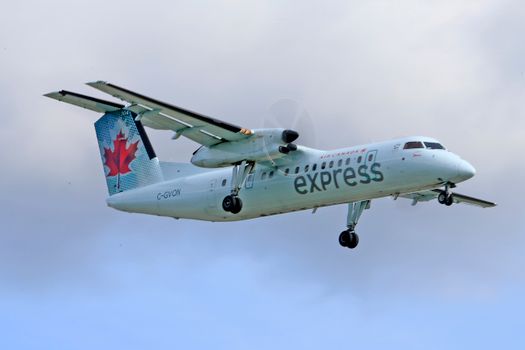
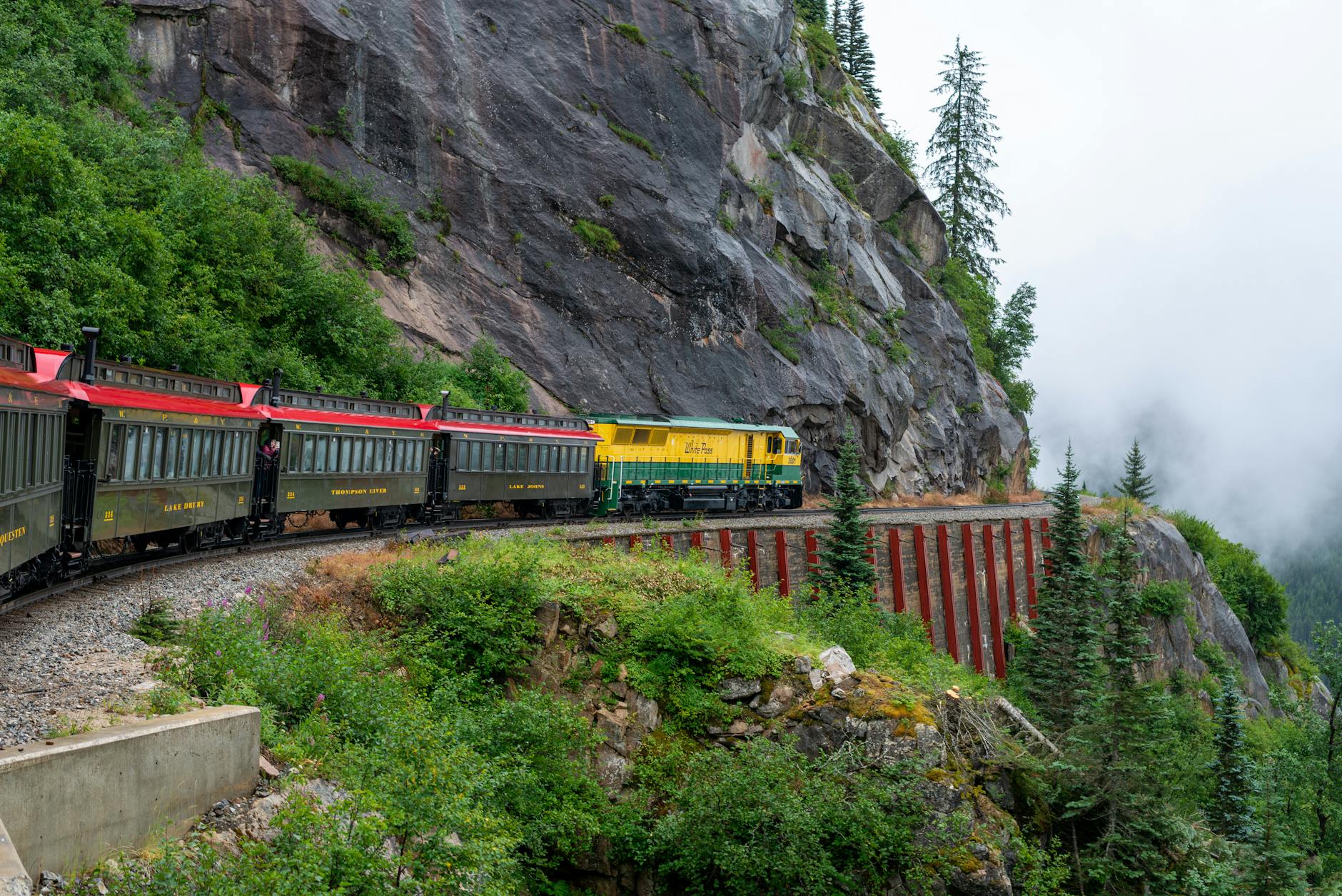
Canada is the second-largest country in the world by land area, a fact that often intimidates travelers contemplating a visit without a personal vehicle. However, dismissing the idea of car-free exploration would be a mistake. While the distances are indeed vast, Canada boasts a surprisingly efficient and enjoyable network of public and commercial transportation options that make traversing its diverse landscapes not only possible but often preferable. From the rugged beauty of the Rocky Mountains to the historic charm of Quebec City and the vibrant energy of Toronto, getting around Canada without a car can be an immersive and stress-free experience. The key to successful car-free travel in Canada lies in strategic planning and understanding the strengths of each mode of transportation. For covering long distances, especially between major urban centers or across provinces, domestic flights are often the quickest option. Canada has several major airlines, including Air Canada, WestJet, and Porter Airlines, offering extensive routes connecting cities like Vancouver, Calgary, Toronto, Montreal, and Halifax. Booking in advance can yield competitive prices, and the time saved allows for more exploration at your destination. For example, flying from Toronto to Vancouver takes approximately 5 hours, a journey that would otherwise take several days by car. These flights not only connect major hubs but also serve smaller regional airports, providing access to more remote areas, though often with connecting flights. For a more scenic and relaxed pace, VIA Rail Canada offers an incredible train network. Imagine gazing at snow-capped peaks or serene lakes from the comfort of a train car, free from the stress of driving. VIA Rail’s routes span the country, from the iconic 'Canadian' route connecting Toronto and Vancouver, offering a multi-day journey through some of Canada's most breathtaking scenery, to shorter intercity routes in Eastern Canada like the Quebec City-Windsor corridor. While slower than flying, train travel provides a unique perspective on the country's geography and culture, often with amenities like dining cars, observation domes, and comfortable sleeping arrangements. It's an experience in itself, allowing travelers to truly soak in the journey. For those interested in exploring the country's natural beauty, train travel offers unparalleled access to some of Canada's most stunning vistas, often passing through national parks and wilderness areas that are less accessible by road. Planning your route with VIA Rail can open up a world of scenic wonders. Long-distance bus services, primarily provided by companies like Greyhound (though its intercity services in Western Canada have largely ceased, other regional carriers have emerged to fill the gap), Rider Express, and various provincial operators, are another backbone of car-free travel. These services connect a multitude of cities, towns, and even smaller communities that might not be on the train or flight network. While generally slower and less luxurious than train travel, buses are often the most economical option, making them popular among budget-conscious travelers. They offer flexibility with schedules and routes, allowing for more spontaneous travel or access to destinations off the beaten path. Always check local and regional bus operators for specific routes, as the network can vary significantly by province. For instance, in Ontario, companies like GO Transit and Ontario Northland provide extensive regional services, while in British Columbia, BC Transit and various private companies cover large areas. Combining these options effectively allows travelers to craft a comprehensive itinerary that balances speed, cost, and experience.

Embracing Urban Mobility: City Transit and Local Exploration

Commuters navigate a snowstorm outside a TTC streetcar in downtown Toronto. Photo: Andre Furtado / Pexels
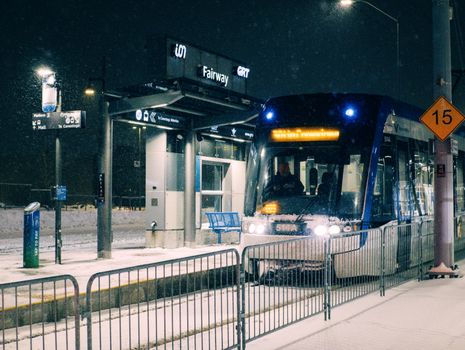
Once you arrive in a Canadian city, leaving the car behind becomes even easier and often more enjoyable. Major urban centers across Canada boast excellent public transportation systems, designed to efficiently move residents and visitors alike. These networks typically include subways, buses, streetcars, and sometimes commuter rail, offering comprehensive coverage that can take you to almost any attraction, neighborhood, or restaurant you wish to explore. Cities like Toronto, Montreal, and Vancouver are particularly renowned for their extensive and user-friendly transit systems. Toronto's TTC (Toronto Transit Commission) operates a vast network of subways, streetcars, and buses, making it simple to navigate from downtown attractions like the CN Tower to cultural hubs like Kensington Market. Montreal's Metro, famous for its unique architecture and art in each station, provides quick access across the island, while Vancouver's SkyTrain, a fully automated light rapid transit system, connects the city center with its vibrant suburbs and even the airport. Beyond the major cities, many smaller urban centers and even some towns offer reliable local bus services. It's always a good idea to research the local transit options for your specific destination before you arrive. Websites and apps like Google Maps often integrate public transit schedules and routes, making planning your local movements straightforward. Many transit systems now offer contactless payment options, allowing you to tap your credit card or mobile device for easy access, or you can purchase daily or weekly passes if you plan on using transit frequently. These passes can often be a cost-effective solution for extensive urban exploration. For shorter distances or when public transit doesn't quite reach, ride-sharing services like Uber and Lyft are widely available in most larger Canadian cities. Taxis are also readily accessible, particularly in downtown areas and at transportation hubs. These options provide convenience and flexibility, especially for late-night outings or when carrying luggage. However, for a more active and immersive experience, consider walking or cycling. Many Canadian cities are becoming increasingly pedestrian-friendly, with dedicated walking paths and bike lanes. Renting a bicycle is a popular option in places like Vancouver's Stanley Park, Montreal's Lachine Canal, or along Toronto's waterfront, allowing you to explore at your own pace and discover hidden gems. Some cities even offer bike-sharing programs, providing an easy and affordable way to get around for short trips. Furthermore, for exploring specific regions or attractions that might be slightly outside city limits but still car-free friendly, look for organized tours. Many tour operators offer day trips or multi-day excursions from major cities to popular destinations like Niagara Falls from Toronto, the Rocky Mountains from Calgary, or whale watching tours from Vancouver or Halifax. These tours typically include transportation, guides, and often entrance fees, providing a hassle-free way to experience Canada's iconic sights without the need for a personal vehicle. This blend of efficient public transit, convenient ride-shares, active transportation, and guided tours ensures that every corner of Canada, from bustling downtown cores to serene natural wonders, is accessible to the car-free traveler.

Planning Your Car-Free Itinerary: Tips for Seamless Travel

A stunning view of Toronto's skyline with the CN Tower on a sunny day. Photo: Alex Ohan / Pexels
Successfully navigating Canada without a car requires thoughtful planning, but the rewards—a relaxed pace, stunning views, and genuine cultural immersion—are well worth the effort. One of the primary considerations is the sheer scale of the country. Attempting to traverse Canada from coast to coast in a short timeframe without a car can be challenging, even with flights. Instead, focus on exploring specific regions or provinces in depth. For example, dedicate a trip to Eastern Canada, focusing on the Maritimes and Quebec, or explore Western Canada, encompassing British Columbia and Alberta. This regional approach minimizes travel time between destinations and allows for a more comprehensive experience of each area's unique charm. Researching specific regional transit options is crucial, as some areas might have more limited services than others. Flexibility is another key aspect of car-free travel. While booking major legs of your journey (flights, long-distance trains) in advance is highly recommended to secure the best prices and availability, try to leave some room for spontaneity in your day-to-day activities. Public transit schedules can sometimes be adjusted, or you might discover a local gem that requires a slight detour. Having a reliable travel app on your phone, such as Google Maps or specific transit apps for the cities you're visiting, will be invaluable for real-time information on routes, schedules, and potential delays. These apps often provide step-by-step navigation for public transport, making it easy to get around even in unfamiliar cities. Packing light is also a significant advantage when relying on public transport, as you'll be responsible for carrying your luggage on and off various vehicles. Consider purchasing a rail pass if you plan extensive train travel. VIA Rail offers various passes, such as the Canrailpass, which can provide significant savings compared to buying individual tickets, especially if you intend to make multiple long-distance journeys. Similarly, if you're spending an extended period in a single city, a weekly or monthly transit pass can be more economical than single fares. Always compare the cost of individual tickets versus passes based on your anticipated usage. Additionally, look into package deals offered by tour companies that combine accommodation and transportation for specific routes or regions. These packages can often simplify logistics and provide good value, taking the hassle out of coordinating multiple bookings. Finally, embrace the unique experiences that car-free travel offers. Without the distractions of driving, you'll have more time to read, observe the scenery, or engage with fellow travelers. Many train and bus routes offer breathtaking views that you would miss if you were focused on the road. Don't hesitate to ask locals for advice on the best ways to get around or for hidden gems off the main tourist routes. Canadians are generally friendly and happy to help. With careful planning and an open mind, exploring Canada without a car can be an incredibly rewarding and memorable adventure, allowing you to connect with the country's diverse landscapes and vibrant cultures on a deeper level.

Essential Tips for a Smooth Car-Free Canadian Journey

A woman holds a map while traveling through the scenic desert of California, USA. Photo: Leah Newhouse / Pexels
Embarking on a car-free adventure across Canada is an exciting prospect, and with these essential tips, your journey will be as smooth and enjoyable as possible: * **Download Offline Maps and Apps:** Data coverage can be spotty in remote areas. Download offline maps (Google Maps, Maps.me) and transit apps for cities you'll visit. This ensures you can navigate even without an internet connection. * **Learn Key Phrases:** While English and French are official languages, knowing a few basic French phrases, especially in Quebec, can enhance your experience and interactions with locals. * **Factor in Travel Time Buffers:** Canada's distances are vast. Always add extra time to your travel estimates, especially for connections, to account for potential delays in public transport or unexpected detours. Being rushed can lead to stress and missed connections. * **Utilize Luggage Storage:** Many train stations, bus terminals, and even some major attractions offer luggage storage facilities. This is incredibly useful for day trips or when you have a layover and want to explore without your bags. * **Stay Informed on Regional Differences:** Transportation availability and efficiency can vary significantly between provinces and even within regions. For instance, public transit is highly developed in Ontario and Quebec but might be less frequent in parts of the Prairies or the North. Always research the specific region you're visiting. * **Pack Smartly and Lightly:** Hauling heavy luggage through bus terminals, train stations, and onto different modes of transport can quickly become exhausting. Opt for versatile clothing, minimize toiletries, and consider a backpack or easily maneuverable rolling luggage. * **Embrace the Journey:** Car-free travel forces you to slow down and appreciate the landscapes passing by. Use the travel time for reading, journaling, or simply observing the world outside your window. This mindset shift is key to enjoying the experience. * **Consider Travel Insurance:** Given the potential for flight or train delays, lost luggage, or unexpected medical needs, comprehensive travel insurance is highly recommended. It provides peace of mind and financial protection. **Mistakes to Avoid:** * **Underestimating Distances:** Canada is enormous. Don't plan to visit Vancouver, Toronto, and Halifax in a single one-week trip without significant flight time. Focus on a region. * **Not Booking Ahead:** Especially for popular train routes (like VIA Rail's 'Canadian') or during peak season, tickets can sell out. Book well in advance to secure your spot and often better prices. * **Ignoring Local Transit:** Relying solely on taxis or ride-shares in cities can become very expensive. Utilize the excellent and affordable public transit systems. * **Overpacking:** This is a common pitfall. Every extra pound of luggage will feel heavier when you're moving between various modes of transportation. Stick to essentials.

Comparison

FeatureVIA Rail (Train)Long-Distance BusDomestic Flights
Speed (Long Distance)Moderate (Scenic)SlowestFastest
Cost (Average)Moderate to HighLowestModerate to High
Comfort & AmenitiesHigh (Dining, Sleepers)Basic (WiFi often)Varies by airline/class
Scenic Views✓ (Aerial)
Environmental ImpactLowerModerateHighest
Flexibility/RoutesLimited major routesExtensive regional routesExtensive major routes

What Readers Say

"I was nervous about how to get around Canada without a car, but VIA Rail was a revelation! The trip from Toronto to Montreal was comfortable, scenic, and so relaxing. No traffic, no parking worries – just pure enjoyment."

Sarah Chen · Toronto, ON

"Exploring BC using a combination of BC Transit and local buses was surprisingly easy. Even managed to get to some hiking trails without a car. It really showed me how to get around Canada without a car effectively."

David Miller · Vancouver, BC

"My flight from Calgary to Halifax was seamless, and then the local transit in Halifax was excellent. I saved so much money by not renting a car and still saw everything I wanted. Truly a great way to get around Canada without a car."

Priya Sharma · Calgary, AB

"The Montreal Metro is fantastic, but getting to some of the smaller towns required a bit more planning with regional buses. It's definitely doable to get around Canada without a car, but some areas need more research."

Mark Johnson · Montreal, QC

"As an international traveler, I found the car-free options in Canada incredibly user-friendly. From the SkyTrain in Vancouver to the intercity buses, I felt completely independent and managed to explore extensively. This guide on how to get around Canada without a car is spot on!"

Emily White · London, UK

Frequently Asked Questions

Is it realistic to travel across Canada without a car?

Yes, it is absolutely realistic to travel across Canada without a car, especially if you focus on major cities and well-serviced regions. A combination of domestic flights for long distances, VIA Rail for scenic intercity travel, and long-distance buses for regional connections makes it entirely feasible. Planning your itinerary strategically to minimize travel time between regions is key.

Is public transportation in Canada reliable?

Public transportation in major Canadian cities is generally very reliable, offering extensive networks of subways, buses, and streetcars. Intercity trains (VIA Rail) are also known for their reliability, though occasional delays can occur. Long-distance bus services vary by operator and region but usually run on schedule. Always check real-time updates for specific routes.

How do I get from major airports to city centers without a car?

Most major Canadian airports offer excellent public transport links to city centers. For example, Toronto Pearson International Airport has the UP Express train, Montreal-Trudeau has bus routes, and Vancouver International Airport is connected by the SkyTrain. Taxis and ride-sharing services are also readily available at all airports, providing convenient alternatives.

What's the most cost-effective way to travel long distances in Canada without a car?

For long distances, long-distance buses are typically the most cost-effective option, though they are also the slowest. Domestic flights can be economical if booked well in advance, especially with budget airlines. VIA Rail offers various passes that can provide good value for extensive train travel, but individual tickets can be more expensive than buses or even some flights.

How does car-free travel compare to driving in terms of scenic routes?

Car-free travel, particularly by train, often provides unparalleled scenic views that are difficult or impossible to experience by car. Train routes like the 'Canadian' pass through national parks and wilderness areas, offering breathtaking vistas from observation cars. While driving offers flexibility for spontaneous stops, car-free options allow you to fully immerse yourself in the scenery without the distraction of navigation.

Who should consider traveling Canada without a car?

Travelers who prioritize relaxation, environmental consciousness, budget-friendliness (when using buses), or simply wish to avoid the stresses of driving, parking, and navigation should consider traveling Canada without a car. It's also ideal for those who prefer to immerse themselves in local cultures and interact with fellow travelers and locals.

Are there safety concerns when traveling car-free in Canada?

Generally, traveling car-free in Canada is very safe. Public transport in cities is well-regulated and secure. When using long-distance trains or buses, exercise standard travel precautions like keeping an eye on your belongings. In remote areas, ensure you have reliable transportation planned to and from your accommodations, especially at night.

Will car-free travel become easier in Canada in the future?

Yes, trends suggest car-free travel in Canada will likely become even easier. There's a growing emphasis on sustainable transportation, expansion of public transit networks in urban areas, and potential for increased high-speed rail development. Digital tools for planning and booking are also continuously improving, enhancing the overall car-free travel experience.

Embrace the freedom and adventure of exploring Canada without a car. With strategic planning and the right mix of trains, buses, and flights, you can discover this incredible country's vast beauty and vibrant cities stress-free. Start planning your car-free Canadian journey today and create unforgettable memories.

Topics: how to get around canada without a carCanada public transporttravel Canada without drivingtrain travel Canadabus travel Canadaflights within Canada
Leo List
Brampton weed
Adultwork EstrelaBet Vai de Bet R7 Bet Betão Galera Bet Rainbet Bet9ja Shop SportyBet BetKing Sisal Loto Foot Hollywoodbets YesPlay Odibets RushBet Jugabet BetWarrior BetCity MSport betPawa Fortebet