Your Ultimate Guide: how to apply for Canadian eTA
how to apply for Canadian eTA

Your Ultimate Guide: how to apply for Canadian eTA

Canadian flag waving over a beautiful, rugged coastline with ocean views.Photo: Erik Mclean / Pexels

Your Ultimate Guide: how to apply for Canadian eTA

Unlock your journey to Canada with our essential guide, simplifying every step of the eTA application process for a worry-free trip.

Start Your Application

Key Takeaways

  • ✓ The Canadian eTA is mandatory for visa-exempt foreign nationals traveling to Canada by air.
  • ✓ The application is entirely online and typically takes only a few minutes to complete.
  • ✓ Most applicants receive approval within minutes, though some may require additional processing time.
  • ✓ An approved eTA is electronically linked to your passport and is valid for up to five years, or until your passport expires, whichever comes first.

How It Works

1
Determine Your Eligibility

Before starting, confirm if your nationality requires an eTA and if you meet the basic eligibility criteria. This prevents unnecessary application attempts and ensures you are on the correct path for entry.

2
Gather Necessary Documents

Collect your valid passport, a credit/debit card for the fee, and an email address. Having these ready streamlines the application process and avoids interruptions.

3
Complete the Online Application

Access the official Government of Canada website and accurately fill out the eTA application form. Double-check all personal and passport details to avoid delays or rejections.

4
Pay the Fee and Receive Confirmation

Submit the non-refundable eTA processing fee and await your confirmation email. This email will contain your eTA status, and if approved, your eTA number.

Understanding the Canadian eTA: Who Needs It and Why

A woman holding a passport with a boarding pass and a smartphone, ready for travel.Photo: Thiếu Quân Võ Vũ / Pexels
Navigating international travel requirements can often feel like a complex puzzle, but understanding the Canadian eTA (Electronic Travel Authorization) is a crucial first step for many aspiring visitors. The eTA is not a visa; rather, it’s an entry requirement for visa-exempt foreign nationals flying to or transiting through Canada. Think of it as a digital pre-screening tool that allows Canadian authorities to assess potential visitors before they even board their flight. This system enhances border security and streamlines the entry process, making travel safer and more efficient for everyone. So, who exactly needs an eTA? Generally, if you are from a country that does not require a visa to enter Canada (such as the United Kingdom, most European Union countries, Australia, New Zealand, Japan, and many others), and you are arriving by air, you will need an eTA. There are a few key exceptions to this rule. Canadian citizens, including dual citizens, do not need an eTA; they must travel with a valid Canadian passport. Permanent residents of Canada also do not need an eTA but must travel with a valid permanent resident card. U.S. citizens are exempt from needing an eTA, as are those with a valid Canadian visa. Additionally, travelers entering Canada by land or sea are not required to have an eTA, though they will still need to meet other entry requirements. It’s imperative to confirm your specific situation, as requirements can change, and missteps can lead to significant travel disruptions. The official Government of Canada website is always the most reliable source for up-to-date information on eligibility and requirements. The purpose of the eTA is multifaceted. Primarily, it's a security measure, allowing Canadian authorities to identify individuals who might pose a security or health risk before they depart for Canada. This proactive approach helps protect Canada's borders and its citizens. Secondly, it contributes to a more efficient processing of legitimate travelers. By having pre-approved travelers, border agents can focus their efforts where they are most needed, thereby reducing wait times and improving the overall travel experience. Lastly, it aligns Canada's immigration policies with those of other major travel destinations that have similar electronic authorization systems, such as the U.S. ESTA or Australia's ETA. Understanding these fundamental aspects of the eTA is vital for anyone planning a trip to Canada. It’s not just a bureaucratic hurdle; it’s an integral part of modern international travel protocols designed for safety and efficiency. For more detailed information on general travel preparations, you might find our guide on essential travel tips helpful.

Step-by-Step Guide: How to Apply for Canadian eTA Online

Close-up of a business professional reviewing an application form at a desk.Photo: Kampus Production / Pexels
Applying for your Canadian eTA is a straightforward process, designed to be completed entirely online. Following these steps carefully will ensure a smooth application and minimize potential delays. The first and most critical step is to ensure you are applying through the official Government of Canada website. Beware of third-party websites that may charge excessive fees or offer misleading services. Always look for the 'gc.ca' domain. Once on the official website, you’ll begin by selecting the 'Apply for an eTA' option. The application form will then guide you through various sections, requiring personal information, passport details, and some background questions. You'll need a valid passport from an eTA-eligible country. Ensure your passport is valid for at least six months beyond your intended stay in Canada. The application will ask for your passport number, issue date, and expiry date. Double-check these details meticulously, as even a minor typo can lead to your eTA being linked to incorrect information, making it invalid for travel. Next, you will be prompted to provide personal details such as your full name, date of birth, place of birth, and gender, exactly as they appear on your passport. You’ll also need to provide your current address, occupation, and contact information, including a valid email address. This email address is crucial, as all communication regarding your application, including the approval or denial notice, will be sent there. Ensure it’s an email you check regularly. The application also includes a series of background questions related to your health, criminal history, and previous immigration issues. It is vital to answer these questions honestly and accurately. Providing false or misleading information can result in your application being denied and could impact future travel to Canada. If you have a complex situation, such as a prior conviction or a medical condition that might be relevant, it's advisable to consult with an immigration professional or contact the Canadian authorities directly before applying. Finally, you will be required to pay the non-refundable processing fee. As of now, this fee is CAD $7.00. You will need a valid credit or debit card for this transaction. The website accepts major cards such as Visa, MasterCard, and American Express. Once the payment is processed, you will receive an email confirmation that your application has been submitted. In most cases, applicants receive an approval email within minutes. However, some applications may require further review, which could take a few days. If this happens, you might receive a request for additional documents or information. Monitor your email closely, including your spam folder, for any updates. Once approved, your eTA is electronically linked to your passport and is valid for up to five years or until your passport expires, whichever comes first. Remember, an eTA allows you to travel to Canada; it does not guarantee entry, as final admission is always at the discretion of a border services officer.

Common Pitfalls and How to Avoid Them During Your eTA Application

A woman holding a passport with a boarding pass and a smartphone, ready for travel.Photo: Thiếu Quân Võ Vũ / Pexels
While the Canadian eTA application process is designed to be straightforward, several common pitfalls can lead to delays or even rejection. Being aware of these issues and taking proactive steps to avoid them will significantly increase your chances of a smooth application. One of the most frequent mistakes is using an unofficial website. Many third-party sites mimic the official Government of Canada portal, often charging exorbitant fees for a service that costs a nominal amount directly from the source. Always verify that the URL ends in '.gc.ca' before entering any personal or payment information. Trusting an unofficial site not only puts your finances at risk but can also compromise your personal data. Another significant issue is inaccurate or incomplete information. The eTA is electronically linked to your passport. Any discrepancy between the information on your application and your physical passport – even a single incorrect letter or number in your passport details, or a mismatched date of birth – can render your eTA invalid. Before submitting, meticulously review every field, especially your passport number, issue date, and expiry date. It’s also crucial that your name on the application exactly matches the name on your passport. If you have multiple names or specific spellings, ensure consistency. Similarly, ensure all background questions are answered truthfully and completely. Any omissions or false statements can lead to immediate denial and potentially impact future travel applications. Passport validity is another critical factor. Your passport must be valid for the entire duration of your intended stay in Canada. While an eTA is generally valid for up to five years, if your passport expires sooner, your eTA will also expire on the same date as your passport. If you obtain a new passport after your eTA is approved, you will need to apply for a new eTA, as the old one is linked to your previous passport number. This is a common oversight that can catch travelers off guard at the airport. Payment issues can also cause delays. Ensure you are using a valid credit or debit card with sufficient funds. Some international transactions might be flagged by your bank, so it’s a good idea to notify your bank of the upcoming payment if you anticipate issues. A failed payment means your application won't be processed. Lastly, not checking your email, including spam or junk folders, for updates is a common mistake. While most approvals are instant, some applications require manual review, and immigration authorities may request additional documents or clarification. Missing these requests can lead to delays or the eventual cancellation of your application. Staying informed throughout the process is key to a successful outcome. For more insights on navigating international travel, consider reviewing our article on international travel documents.

Post-Application: What to Expect and Key Considerations for Your Trip
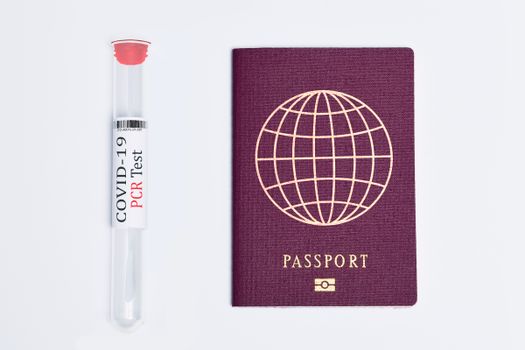
Travel essentials during the pandemic: a COVID-19 PCR test and a passport.Photo: adrian vieriu / Pexels
Once you've submitted your Canadian eTA application and received approval, it's natural to feel a sense of relief and excitement for your upcoming trip. However, there are a few important considerations and expectations to keep in mind post-application. The first and most crucial point is that an approved eTA does not guarantee entry into Canada. It is merely an authorization to travel to Canada by air. The final decision on entry rests with the Canada Border Services Agency (CBSA) officer at your port of entry. When you arrive, the officer will assess your purpose of visit, duration of stay, and overall eligibility based on Canadian immigration laws. Be prepared to answer questions about your trip, demonstrate sufficient funds for your stay, and show evidence of onward travel. Your eTA is electronically linked to the passport you used to apply. This means you do not need to print anything out; the airline staff and border officers will be able to verify your eTA status by scanning your passport. However, it’s always a good idea to keep a digital or physical copy of your eTA approval email, just in case there are any technical issues or if you need to reference your eTA number. This can provide peace of mind and expedite any queries. An approved eTA is generally valid for up to five years from the date of issue, or until your passport expires, whichever comes first. This means if you plan multiple visits to Canada within this period, you typically won't need to reapply, provided your passport remains valid. However, if you obtain a new passport for any reason (e.g., renewal, loss, damage), you will need to apply for a new eTA, as the old one is tied to your previous passport number. Similarly, if your personal circumstances change significantly (e.g., a change in name, nationality, or a new criminal conviction), you should review your eTA status and potentially reapply. While the eTA simplifies entry for many, it’s designed for short-term visits such as tourism, visiting family or friends, or business trips. It does not permit you to work in Canada without a separate work permit, nor does it allow you to study for an extended period without a study permit. If your intentions change after arriving, you must contact Immigration, Refugees and Citizenship Canada (IRCC) to explore your options. Overstaying your authorized period of stay can have serious consequences, including future inadmissibility to Canada. Always be clear about your intentions and adhere to the conditions of your entry. By understanding these post-application considerations, you can ensure a smoother journey and a more enjoyable experience in Canada. **Tips for a Smooth Entry:** * **Have your travel itinerary handy:** Be prepared to show your return ticket and accommodation details. * **Be honest and concise:** Answer all CBSA officer questions truthfully and directly. * **Declare all goods:** Be aware of Canada's customs regulations regarding goods, currency, and food items. * **Stay calm and respectful:** Maintain a polite demeanor with border officials. * **Know your rights:** Understand what to do if you are denied entry or have specific concerns.

Comparison

FeatureCanadian eTACanadian Visitor VisaUS ESTAAustralian ETA
PurposeShort-term air travelExtended/specific purpose travelShort-term air/sea travel (US)Short-term air/sea travel (Australia)
EligibilityVisa-exempt air travelersNon-visa-exempt travelersVisa Waiver Program citizensEligible passport holders
Application MethodOnline onlyOnline/Paper, often interviewOnline onlyOnline only
ValidityUp to 5 years (or passport expiry)Varies (often 6 months-10 years)2 years (or passport expiry)1 year (or passport expiry)
Cost (approx.)CAD $7Varies significantly (CAD $100+)USD $21AUD $20

What Our Readers Say

5 ★★★★★

"I was so worried about how to apply for Canadian eTA, but this guide broke it down perfectly. The official website link was clear, and I got my approval in minutes. Highly recommend following these steps!"

5 ★★★★★

"Applying for the eTA was much simpler than I thought, thanks to the detailed instructions here. I double-checked all my passport info as advised, and my application went through without a hitch. Canada, here I come!"

5 ★★★★★

"This article was a lifesaver! It helped me navigate the Canadian eTA application quickly, and I received my approval email promptly. The tip about avoiding unofficial sites saved me money and hassle."

4 ★★★★☆

"The guide on how to apply for Canadian eTA was very comprehensive. I appreciated the section on common pitfalls, which helped me avoid making mistakes with my passport details. The process was mostly smooth, though I did have to wait a few hours for approval."

5 ★★★★★

"My family and I all needed eTAs for our trip to Canada. Following this guide made it easy to apply for each of us. We made sure all our passports were valid, and we all got approved quickly. Excellent resource!"

Frequently Asked Questions

What is the official website to apply for Canadian eTA?
The only official Government of Canada website to apply for an eTA is canada.ca/eta. Be very cautious of third-party websites that may charge additional fees or provide incorrect information. Always ensure the URL ends in '.gc.ca'.
How long does it take to get a Canadian eTA approval?
Most applicants receive their eTA approval within minutes of submitting their application. However, in some cases, it can take several days if additional documents or information are requested. It's best to apply well in advance of your travel date.
What documents do I need to apply for a Canadian eTA?
You will need a valid passport from an eTA-eligible country, a credit or debit card to pay the CAD $7 fee, and a valid email address. Ensure your passport is valid for at least six months beyond your planned stay in Canada.
How much does the Canadian eTA cost?
The official processing fee for a Canadian eTA is CAD $7. This fee is non-refundable. Be wary of websites charging significantly more, as they are likely third-party intermediaries.
Can I enter Canada by land or sea with an eTA?
No, an eTA is only required for visa-exempt foreign nationals entering Canada by air. If you are arriving by land or sea, you do not need an eTA, but you will still need to meet other entry requirements, such as a valid passport.
Who should use how to apply for Canadian eTA?
The Canadian eTA is specifically for visa-exempt foreign nationals who are flying to or transiting through a Canadian airport. This includes citizens of countries like the UK, France, Germany, Australia, and Japan, among others, who do not hold a Canadian visa or permanent resident status, and are not U.S. citizens.
What happens if my eTA application is denied?
If your eTA application is denied, the reason for denial will typically be provided in the email notification. Depending on the reason, you may need to apply for a visitor visa, resolve the underlying issue (e.g., criminal record), or clarify information. It's advisable to contact IRCC for guidance.
Does having an eTA guarantee entry into Canada?
No, an approved eTA does not guarantee entry into Canada. It only authorizes you to travel to Canada by air. The final decision on whether you can enter the country rests with a Canada Border Services Agency (CBSA) officer at the port of entry, who will assess your admissibility.

Ready to explore the majestic landscapes and vibrant cities of Canada? Now that you know how to apply for Canadian eTA, take the first step towards your adventure. Apply today through the official Government of Canada website and secure your Electronic Travel Authorization for a seamless journey.

Topics: how to apply for Canadian eTACanada eTA applicationCanadian travel authorizationeTA requirements Canadaapply for eTA online
Leo List
Brampton weed
Adultwork