
Your Ultimate Guide to Flights to Canada from USA
flights to canada from usa

Your Ultimate Guide to Flights to Canada from USA

Unlock the secrets to finding affordable and convenient flights across the border for your next Canadian adventure.

Plan Your Trip Now

Key Takeaways

  • ✓ Over 100 direct flight routes connect major US and Canadian cities.
  • ✓ Passport or NEXUS card is required for air travel between the two countries.
  • ✓ Off-peak seasons (fall, winter excluding holidays) often offer the best flight deals.
  • ✓ Booking 2-3 months in advance typically yields lower prices.

How It Works

1
Define Your Destination & Dates

Pinpoint the exact Canadian city you wish to visit and your desired travel dates. Flexibility with dates can significantly impact flight costs.

2
Compare Flight Options

Utilize flight comparison websites and airline direct sites to scout for the best routes, airlines, and prices. Consider connecting flights for potential savings.

3
Understand Travel Requirements

Familiarize yourself with current Canadian entry requirements, including passport validity, visa needs (if applicable), and any health protocols. Ensure all your documents are up-to-date.

4
Book & Prepare

Once you've found your ideal flight, book it promptly. Review baggage allowances, check-in procedures, and plan your airport arrival to ensure a smooth journey.

Navigating the Skies: Finding the Best Flights to Canada from USA
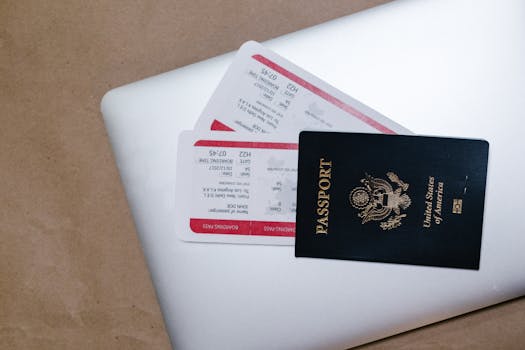
Close-up of a passport and boarding passes on a laptop, symbolizing travel preparation. Photo: RDNE Stock project / Pexels
Embarking on a journey from the United States to Canada by air is a common and often straightforward endeavor, but securing the best flights to Canada from USA requires a strategic approach. With a shared border stretching thousands of miles and deep cultural and economic ties, air travel between these two nations is incredibly frequent, offering a plethora of options for every type of traveler. From bustling metropolises like Toronto, Vancouver, and Montreal to charming smaller cities and remote natural wonders, Canada presents an irresistible allure. The first step in finding your ideal flight involves understanding the vast network of routes available. Major US hubs such as New York (JFK, EWR, LGA), Chicago (ORD), Los Angeles (LAX), Seattle (SEA), and Miami (MIA) offer direct flights to Canada's largest cities. For instance, you can easily find direct flights from New York to Toronto, or from Seattle to Vancouver, often with multiple daily departures. When beginning your search, flexibility is your greatest asset. If your travel dates are not set in stone, exploring a range of departure and return dates can reveal significant price differences. Mid-week flights (Tuesday, Wednesday) are typically less expensive than weekend travel. Similarly, flying during the shoulder seasons (spring and fall) or the off-peak winter months (excluding holidays like Christmas and New Year's) can yield substantial savings compared to the peak summer travel period. Utilize flight comparison websites like Google Flights, Skyscanner, Kayak, and Expedia, but also check individual airline websites directly. Sometimes, airlines offer exclusive deals or lower prices when booked directly through their platforms. Keep an eye out for sales and promotions, especially from major carriers like Air Canada, WestJet, United, Delta, and American Airlines, which frequently operate these routes. Consider the type of experience you're seeking. Do you prioritize a non-stop flight for speed and convenience, or are you willing to endure a layover for a lower fare? For shorter distances, such as flights from Buffalo to Toronto, a direct flight is almost always preferable and often reasonably priced. However, for longer routes or less common city pairs, a connecting flight might be the most economical option. Always factor in the total travel time, including layovers, and the potential for delays when opting for connecting flights. Another crucial aspect is understanding the different fare classes. Basic Economy, often the cheapest, comes with restrictions like no seat selection and limited baggage. Standard Economy offers more flexibility, while Premium Economy and Business Class provide enhanced comfort and services at a higher cost. Weigh your budget against your comfort and convenience preferences. For those looking to save money, consider flying into a smaller, regional airport near your final destination if it's feasible, as these can sometimes offer cheaper fares than major international gateways. However, also factor in the cost and time of ground transportation from the smaller airport. Planning your itinerary meticulously will help you identify the most efficient and cost-effective flight path.

Essential Travel Documents and Entry Requirements for Canada

Before you even begin searching for flights to Canada from USA, it is paramount to ensure all your travel documentation is in order. For air travel between the United States and Canada, a valid passport is the primary and most universally accepted document. Your passport must be valid for the duration of your intended stay in Canada. While Canada does not typically require a passport to be valid for six months beyond your departure date (unlike some other countries), it's always a good practice to have a passport with ample validity to avoid any unforeseen issues. Beyond a standard passport, US citizens have a few other options for air travel to Canada. The NEXUS card, a trusted traveler program designed to expedite border crossings for pre-approved, low-risk travelers, is an excellent alternative. A NEXUS card can significantly reduce wait times at airports and land borders, making it a highly valuable asset for frequent travelers between the two countries. However, applying for a NEXUS card involves an application process, an interview, and a background check, so it's not a last-minute solution. Enhanced Driver's Licenses (EDLs) issued by certain US states (Michigan, Minnesota, New York, Vermont, and Washington) are valid for land and sea travel to Canada but are NOT accepted for air travel. Therefore, for flights, a passport or NEXUS card is essential. For non-US citizens residing in the USA, the requirements can be more complex. Depending on your nationality, you may need an Electronic Travel Authorization (eTA) or a visitor visa to enter Canada. The eTA is a digital travel document that most visa-exempt foreign nationals need when flying to or transiting through a Canadian airport. It is electronically linked to your passport and is valid for up to five years or until your passport expires, whichever comes first. It's crucial to apply for an eTA well in advance of your flight, as processing times can vary. Citizens of countries that require a visa for entry into Canada must obtain one before their travel. This process can be lengthy and requires submitting an application to Immigration, Refugees and Citizenship Canada (IRCC). Beyond identification, travelers should also be aware of any current health and safety protocols. While many pandemic-era restrictions have been lifted, it's always wise to check the official Government of Canada website (Travel.gc.ca) for the latest entry requirements, including any vaccination mandates, testing requirements, or quarantine rules that might be in effect. These can change, so staying informed right up until your departure date is crucial. Finally, be prepared to declare any goods you are bringing into Canada, including currency amounts over CAD$10,000. Failure to declare can result in penalties. Having all your documents organized and easily accessible will ensure a smooth and stress-free experience when you arrive at the Canadian border control.

See also: pc-max.net.

Maximizing Savings: Finding Cheap Flights to Canada from USA

Securing cheap flights to Canada from USA is a goal for many travelers, and while it often requires a bit of strategy and patience, it's entirely achievable. The key lies in understanding the dynamics of airline pricing and leveraging various tools and techniques. One of the most effective strategies is to book your flights in advance. Generally, the sweet spot for international flights, including those to Canada, is between 2 to 3 months before your departure date. Booking too early (6+ months out) can sometimes be more expensive as airlines haven't fully adjusted their pricing models, and booking last-minute almost always results in higher fares due to limited availability. As mentioned earlier, flexibility with your travel dates is paramount. Weekday flights, particularly Tuesday, Wednesday, and sometimes Saturday, are often cheaper than flying on Friday or Sunday. Early morning or late-night flights can also sometimes offer lower prices, as they are less convenient for most travelers. Consider flying during the off-peak seasons: late fall (October, November) and late winter/early spring (January, February, March, excluding holiday periods) often see a dip in demand and, consequently, in prices. Summer, especially July and August, is peak travel season, and prices will reflect that. Another powerful tool in your arsenal is setting up price alerts. Most major flight comparison websites (Google Flights, Skyscanner, Kayak) allow you to track specific routes and dates, sending you notifications when prices drop. This eliminates the need for constant manual checking and ensures you don't miss out on a good deal. Don't be afraid to consider flying into or out of alternative airports. For example, if you're visiting Vancouver, checking flights to Bellingham (BLI) in Washington State, just across the border, and then taking ground transportation, could sometimes be cheaper than flying directly into Vancouver International (YVR). Similarly, for Toronto, consider Buffalo (BUF) or Niagara Falls (IAG) in New York. Always compare the total cost, including ground transportation and time, before committing to an alternative airport strategy. Lastly, consider budget airlines. While they may not offer the same level of amenities as full-service carriers, airlines like Flair Airlines and Swoop (though Swoop has merged with WestJet) often provide significantly cheaper fares on certain routes. Be mindful of their baggage policies and other fees, as these can quickly add up and negate any initial savings if you're not careful. Bundling flights with hotels or car rentals through travel packages can also sometimes lead to savings, though this requires careful comparison to ensure it's truly a better deal than booking separately. Loyalty programs and credit card points can also be a game-changer for frequent flyers, allowing you to redeem points for free or discounted flights. Exploring different travel insurance options can also protect your investment in case of unexpected changes or cancellations, which is especially important when booking non-refundable cheap flights.

Common Mistakes to Avoid When Booking Flights to Canada from USA

Booking flights to Canada from USA can seem straightforward, but a few common missteps can turn a smooth journey into a stressful ordeal or an unnecessarily expensive trip. Being aware of these pitfalls can help you avoid them and ensure a pleasant travel experience. Here are some common mistakes to avoid: * **Not Checking Passport Validity:** This is perhaps the most critical mistake. Many travelers assume their passport is valid, only to discover it's expired or nearing expiration just before their trip. While Canada typically only requires validity for the duration of your stay, some airlines might have stricter policies. Always check your passport's expiration date well in advance and initiate renewal if necessary. A valid passport or NEXUS card is non-negotiable for air travel. * **Ignoring Baggage Fees:** Budget airlines are notorious for their low base fares, but they often make up for it with hefty baggage fees. Even full-service carriers have varying baggage policies. Always check the airline's specific baggage allowance and associated costs for both carry-on and checked luggage before booking. An unexpected $50-$100 baggage fee can quickly erode any savings from a cheap flight. * **Not Comparing Enough Options:** Sticking to the first flight you find or only checking one travel website can mean missing out on better deals. Use multiple flight comparison engines, check direct airline websites, and even consider different departure/arrival airports. Prices fluctuate constantly, so a thorough search is always recommended. * **Overlooking Travel Insurance:** While not strictly a booking mistake, neglecting travel insurance can be a costly oversight. Flight delays, cancellations, lost luggage, or medical emergencies can happen. Travel insurance can provide financial protection and peace of mind. Evaluate different policies to find one that covers your specific needs for your trip to Canada. * **Forgetting About Time Zones and Layover Durations:** Canada spans multiple time zones, and while the difference between US and Canadian cities is usually minor, it's important to be aware. More critically, when booking connecting flights, ensure you have sufficient layover time. A tight 30-minute layover might seem efficient but leaves little room for delays, potentially causing you to miss your connecting flight, especially when changing terminals or going through customs. * **Not Verifying Entry Requirements:** Beyond passports, specific entry requirements can change. During the pandemic, this was particularly volatile. Always check the official Government of Canada website for the most up-to-date information regarding health protocols, visa requirements for non-US citizens, and any other declarations you might need to make upon arrival. Failing to meet these requirements can result in denied boarding or entry. * **Booking Non-Refundable Fares Without Certainty:** While non-refundable fares are often the cheapest, they offer no flexibility. If your plans are even slightly uncertain, consider a slightly more expensive flexible fare or ensure you have robust travel insurance that covers cancellations. The savings from a non-refundable ticket can quickly be lost if you have to cancel and forfeit the entire cost. By being mindful of these common errors, you can significantly improve your chances of a smooth, affordable, and enjoyable journey when flying to Canada from the USA.

Comparison

FeatureBest Option (Flexibility & Value)Alternative 1 (Budget Focus)Alternative 2 (Premium Experience)
Booking Window2-3 Months OutLast-Minute Deals (Risky)Anytime (Higher Cost)
Airline TypeMajor Carriers (Sales)Budget Airlines (Flair, Swoop)Major Carriers (Business/First)
Travel DatesMid-week, Shoulder SeasonEarly Morning/Late NightPeak Season (Convenience)
Baggage PolicyStandard (1 carry-on, 1 personal)Strict (Fees for everything)Generous (Multiple checked bags)
Seat SelectionOften IncludedExtra FeeIncluded (Premium Seats)
Change FeesVaries (Some waived)High/Non-changeableLow/Waived
In-flight AmenitiesBasic (Paid Wi-Fi/Food)Minimal (Everything extra)Full Service (Meals, Entertainment)

What Readers Say

"Finding flights to Canada from USA for my trip to Montreal was so easy with these tips! I saved over $150 by booking on a Tuesday and flying mid-week. The advice on checking alternative airports was also a game-changer."

Sarah J. · Boston, MA

"This guide was incredibly helpful for my flight to Vancouver. I used the price alert feature and snagged a fantastic deal. Knowing the passport requirements beforehand made customs a breeze."

Mark D. · Seattle, WA

"I was worried about finding affordable flights to Canada from USA for my family trip to Toronto, but following the advice here, I managed to book direct flights for a great price, saving us time and money."

Emily R. · Miami, FL

"The information on baggage fees was crucial; I almost made a mistake with a budget airline. While I didn't find the absolute cheapest flight, I found a great balance of value and convenience for my trip to Calgary."

David L. · Chicago, IL

"As a frequent cross-border traveler, the NEXUS card recommendation was spot on. This guide provided excellent reminders for even experienced flyers on how to optimize flights to Canada from USA."

Jessica M. · Los Angeles, CA

Frequently Asked Questions

What documents do I need for flights to Canada from USA?

For air travel, US citizens must present a valid US passport or a NEXUS card. Enhanced Driver's Licenses (EDLs) are not accepted for air travel. Non-US citizens may require an Electronic Travel Authorization (eTA) or a visitor visa, depending on their nationality. Always check the official Government of Canada website for the latest requirements.

When is the best time to book cheap flights to Canada from USA?

Generally, the best time to book is 2-3 months in advance of your travel date. Prices tend to be lower for mid-week flights (Tuesday, Wednesday) and during the shoulder seasons (spring and fall) or off-peak winter months, excluding major holidays. Setting price alerts can also help you catch deals.

How can I find the cheapest flights to Canada from USA?

To find the cheapest flights, be flexible with your travel dates and times, use flight comparison websites and check airline direct sites, consider flying into alternative airports, and be aware of budget airline baggage fees. Booking in advance and setting price alerts are also effective strategies.

Are direct flights always more expensive for flights to Canada from USA?

Not always. For shorter routes or highly competitive city pairs, direct flights can sometimes be comparable in price or even cheaper than connecting flights when factoring in time and potential layover inconveniences. However, for less common routes or during peak times, connecting flights often offer significant savings.

What are the baggage restrictions for flights to Canada from USA?

Baggage restrictions vary significantly by airline and fare class. Always check your specific airline's website for their current policies regarding carry-on and checked luggage dimensions, weight limits, and associated fees. Budget airlines typically have stricter rules and higher fees for baggage.

Who should consider getting a NEXUS card for travel to Canada?

Frequent travelers between the USA and Canada, especially those who fly often, should strongly consider a NEXUS card. It expedites border crossings at airports and land borders, saving considerable time and hassle. The application process requires an interview and background check, so plan ahead.

Is it safe to fly to Canada from the USA right now?

Yes, air travel between the USA and Canada is generally very safe. Both countries have robust aviation safety standards. It's always advisable to stay informed about any current travel advisories or health protocols issued by the Government of Canada or your airline, which can be found on their official websites.

Will flight prices to Canada from USA increase in the future?

Flight prices are subject to many factors, including fuel costs, demand, airline competition, and economic conditions. While predicting exact future prices is difficult, general trends suggest a potential for gradual increases due to rising operational costs, but competition often keeps prices in check. Booking in advance remains a good strategy.

Ready to explore the breathtaking landscapes and vibrant cities of Canada? With this comprehensive guide, you're now equipped to find the best flights to Canada from USA, navigate travel requirements, and save money. Start planning your Canadian adventure today for an unforgettable journey across the border.

Topics: flights to canada from usatravel to CanadaUSA Canada flightscheap flights CanadaCanada travel requirements
Leo List
Brampton weed
Adultwork