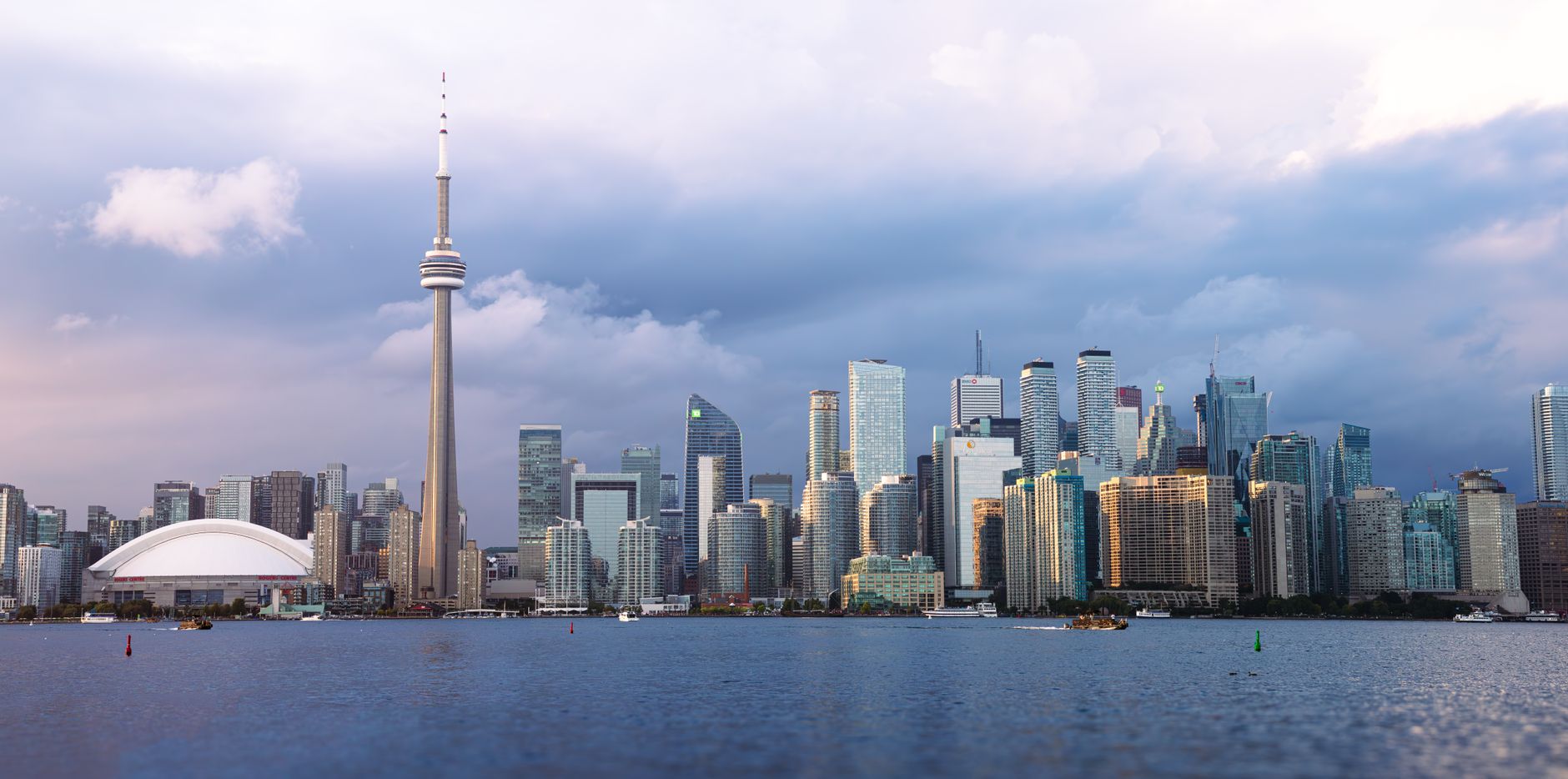
Unveiling the True Cost of Living in Toronto for Tourists
cost of living in Toronto for tourists

Unveiling the True Cost of Living in Toronto for Tourists

Master your Toronto travel budget with our expert guide to accommodation, dining, transport, and attractions.

Plan Your Toronto Trip

Key Takeaways

  • ✓ Accommodation is often the largest single expense for tourists in Toronto.
  • ✓ Public transit (TTC) is efficient and cost-effective for navigating the city.
  • ✓ Dining out frequently can significantly increase your budget; consider grocery shopping.
  • ✓ Many of Toronto's top attractions offer free or discounted entry on certain days.

How It Works

1
Define Your Travel Style

Determine if you prefer luxury, mid-range, or budget travel. This will heavily influence your accommodation and dining choices, setting your overall spending tone.

2
Research Accommodation Options

Explore hotels, Airbnb, and hostels in different neighborhoods. Compare prices and locations to find the best fit for your budget and desired experience.

3
Budget for Food & Drink

Estimate daily food costs based on your dining habits. Factor in a mix of restaurant meals, casual eateries, and potentially some self-catering to save money.

4
Account for Transportation & Activities

Calculate public transit passes, potential ride-share costs, and entry fees for attractions. Look for city passes or free activities to maximize savings.

Understanding Accommodation Costs for Your Toronto Visit

Contemporary hotel room with a man tying shoes in a bright Toronto setting. Photo: Andrew Neel / Pexels
One of the most significant variables when calculating the cost of living in Toronto for tourists is accommodation. Toronto, as a major global city, offers a spectrum of lodging options, from luxurious five-star hotels to budget-friendly hostels and unique Airbnb rentals. The price you pay will largely depend on your travel style, the time of year, and how far in advance you book. Peak tourist seasons, such as summer (June to August) and around major festivals like TIFF (Toronto International Film Festival), will invariably see higher prices. Conversely, shoulder seasons (spring and fall) or the colder winter months might offer more competitive rates. For budget-conscious travelers, hostels are an excellent choice. Many offer dormitory-style rooms starting from CAD $40-$70 per night, often including basic amenities like Wi-Fi and sometimes breakfast. Private rooms in hostels can range from CAD $80-$150. These are great for solo travelers or small groups looking to minimize costs and meet other travelers. Popular areas for hostels include downtown, Kensington Market, and the Annex, offering good access to public transit and local attractions. Mid-range hotels typically fall in the CAD $150-$300 per night range. These properties usually offer more amenities, such as private bathrooms, fitness centers, and sometimes on-site dining. Neighborhoods like the Entertainment District, Yorkville, and Queen West have numerous options. Booking these well in advance, especially for weekend stays, is highly recommended to secure better rates. Look for hotels slightly outside the absolute city center but still within easy reach of a subway station to potentially save a few dollars without sacrificing convenience. Websites like Booking.com, Expedia, and direct hotel sites are your best friends for comparing prices and finding deals. Don't forget to check for package deals that might include flights or car rentals if you're planning a broader trip. Exploring Toronto neighborhoods can help you choose the best area for your stay. Luxury hotels, offering premium services, exquisite dining, and prime locations, can cost upwards of CAD $350 per night, easily reaching CAD $600+ for top-tier establishments. These are often found in areas like the Financial District, Yorkville, and along the waterfront. While they come with a hefty price tag, they offer an unparalleled level of comfort and service, making them a worthwhile splurge for some travelers. Airbnb and other short-term rental platforms provide another flexible option, with prices varying widely based on the size, location, and amenities of the unit. A private room could be similar to a hostel private room, while an entire apartment might range from CAD $100-$400+, offering more space and potentially kitchen facilities, which can help save on food costs. Remember to factor in cleaning fees and service charges when booking through these platforms, as they can add a significant amount to the total cost. Always verify the legality of short-term rentals in Toronto, as regulations can change.

Navigating Food & Dining Expenses in Toronto
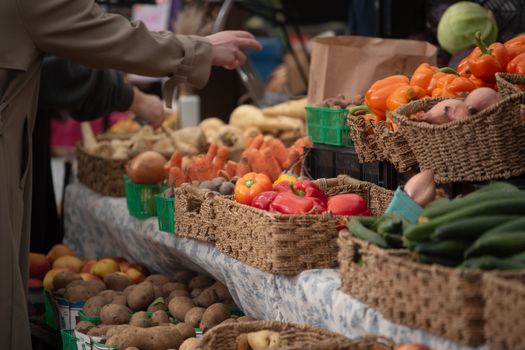
Fresh vegetables on display at a bustling Toronto farmers market, highlighting vibrant colors and local produce. Photo: Karen Longwell / Pexels
Food and dining are another substantial component of the cost of living in Toronto for tourists. Toronto is a culinary melting pot, offering an incredible diversity of cuisines at various price points. Your daily food budget can fluctuate dramatically based on your dining habits. If you plan to eat out for every meal, expect to spend significantly more than if you incorporate some self-catering or more casual options. Breakfast can range from a quick coffee and pastry (CAD $5-$10) at a local cafe to a sit-down brunch (CAD $20-$30+) at a popular spot. Many hotels offer breakfast, sometimes included in the room rate, which can be a convenient saving. For lunch, street food markets like Kensington Market, food trucks, or casual eateries offer delicious and affordable options, often in the CAD $12-$20 range. A classic Canadian poutine might set you back CAD $8-$15 depending on the toppings and location. Fast food chains are also prevalent, with meals typically costing CAD $10-$15. Dinner is where costs can really add up. A mid-range restaurant meal, including a main course and a non-alcoholic drink, can easily cost CAD $30-$50 per person before tax and tip. If you add appetizers, desserts, and alcoholic beverages, this can quickly climb to CAD $70-$100+ per person. Fine dining establishments will naturally be much higher, often exceeding CAD $100 per person. Remember that in Canada, it's customary to tip 15-20% on the pre-tax bill for good service, and sales tax (HST) adds another 13% to your bill. To save on food costs, consider utilizing grocery stores. Toronto has numerous supermarkets like Loblaws, Metro, and No Frills, where you can buy ingredients for sandwiches, snacks, and even simple meals if your accommodation has kitchen facilities. A week's worth of basic groceries for one person could be around CAD $70-$100. Exploring ethnic neighborhoods like Chinatown, Little Italy, or Greektown can also yield more affordable and authentic dining experiences. Many smaller, family-run restaurants in these areas offer generous portions at lower prices. Another great tip is to look for lunch specials or early bird dinners, which often provide better value than regular dinner menus. Don't forget to check out Toronto's vibrant food hall scene, offering diverse options under one roof at varying price points, perfect for groups with different cravings. Consider packing a reusable water bottle and refilling it to avoid buying bottled water throughout the day.

Transportation and Attraction Costs in Toronto
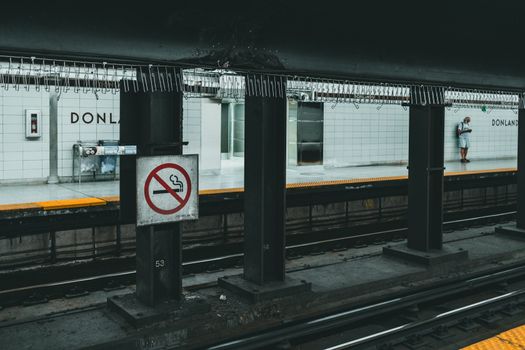
No smoking sign and commuter on Toronto's Donland subway station platform, showcasing urban transit infrastructure. Photo: Jonathan Cooper / Pexels
Efficiently managing transportation and attraction costs is crucial for controlling the cost of living in Toronto for tourists. Toronto boasts an excellent public transportation system, the Toronto Transit Commission (TTC), which includes subways, streetcars, and buses. A single adult fare costs CAD $3.30 (if paid with a PRESTO card or debit/credit tap) or CAD $3.25 (with PRESTO card). Cash fare is CAD $3.30, but you won't get a transfer, so using a PRESTO card is highly recommended. You can purchase a reloadable PRESTO card at subway stations and Shoppers Drug Mart locations for a one-time fee of CAD $6. Once you have the card, you can load it with funds or weekly/monthly passes. A weekly pass, valid from Monday to Sunday, costs CAD $43.75 and is an excellent value if you plan to use public transit frequently. For shorter stays or less frequent use, loading funds onto a PRESTO card allows you to pay per ride at the discounted rate. Ride-sharing services like Uber and Lyft are also readily available, offering convenience but at a higher price, especially during peak hours or for longer distances. Taxis are another option, with metered fares starting around CAD $4.25 and increasing by distance and time. For trips from Pearson International Airport (YYZ) to downtown, expect to pay CAD $50-$70 for a taxi or ride-share, or use the UP Express train for CAD $12.35 one-way, which is a fast and efficient option. Attraction costs can vary widely. Many of Toronto's iconic landmarks and museums have admission fees. For example, the CN Tower general admission typically ranges from CAD $43-$53, while the Royal Ontario Museum (ROM) and the Art Gallery of Ontario (AGO) cost around CAD $25-$30 for adult admission. Ripley's Aquarium of Canada is another popular spot, with tickets around CAD $40-$50. If you plan to visit multiple attractions, consider purchasing a Toronto CityPASS, which offers discounted admission to 5 major attractions (CN Tower, Ripley's Aquarium, ROM, Toronto Zoo, and Casa Loma) for a single price, often saving you around 40% compared to individual ticket purchases. This pass is valid for 9 days from first use, allowing flexibility in your itinerary. Beyond paid attractions, Toronto offers many free or low-cost activities. Exploring neighborhoods like Kensington Market, the Distillery District, or Queen West is free and provides a rich cultural experience. Strolling through High Park, visiting the Toronto Islands (ferry fee applies, approx. CAD $9 for a round trip), or enjoying the city's numerous public art installations are excellent ways to experience Toronto without breaking the bank. Many museums also offer free admission on specific evenings or days, so check their websites in advance. Discovering Toronto's hidden gems can lead to fantastic free experiences.

Smart Budgeting Tips and Common Tourist Mistakes
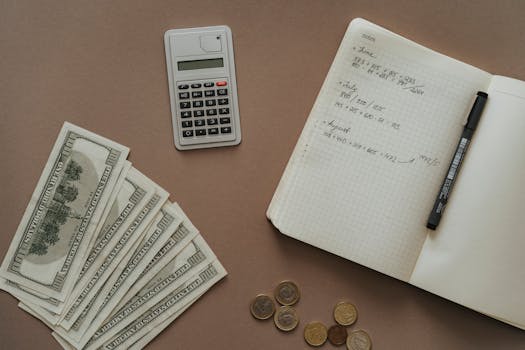
Flat lay with calculator, notebook, and US dollars ideal for financial concepts. Photo: olia danilevich / Pexels
Effective budgeting is key to enjoying Toronto without financial stress. Here are some smart tips and common mistakes to avoid when considering the cost of living in Toronto for tourists: **Smart Budgeting Tips:** * **Book in Advance:** Especially for accommodation and popular attractions, booking several months ahead can secure better prices, particularly during peak season. Flights too, are often cheaper when booked early. * **Travel During Shoulder Season:** Spring (April-May) and Fall (September-October) offer pleasant weather, fewer crowds, and often lower prices for flights and hotels compared to the summer. * **Utilize Public Transit:** Invest in a PRESTO card and use the TTC extensively. It's much cheaper than relying solely on taxis or ride-shares, especially for getting around downtown and to major attractions. * **Cook Some Meals:** If your accommodation has kitchen facilities, buying groceries for breakfast and some lunches can significantly reduce your food budget. Toronto has excellent farmers' markets for fresh produce. * **Look for Free Activities:** Toronto has many free parks, walking tours (often tip-based), art galleries with free admission days, and vibrant neighborhoods that are free to explore. Check out the city's events calendar for free festivals and concerts. * **Take Advantage of City Passes:** If you plan to visit several paid attractions, a Toronto CityPASS can offer substantial savings. Do the math to ensure it's cost-effective for your planned itinerary. * **Student/Senior Discounts:** If applicable, always ask for student or senior discounts at attractions, museums, and even some restaurants. Carry valid ID. * **Happy Hour/Lunch Specials:** Many restaurants offer discounted drinks and appetizers during happy hour, or special lunch menus that are more affordable than dinner. **Common Tourist Mistakes to Avoid:** * **Not Factoring in Taxes and Tips:** Canada has a 13% Harmonized Sales Tax (HST) on almost everything, and tipping 15-20% for service is customary. These added costs can quickly inflate your budget if not accounted for. * **Only Eating at Tourist Traps:** Restaurants directly adjacent to major attractions often have inflated prices. Venture a few blocks away or explore local neighborhoods for better value and more authentic dining experiences. * **Ignoring Public Transit:** Relying solely on taxis or ride-shares for all your movements will quickly drain your budget. The TTC is comprehensive and a much more economical choice. * **Overpacking:** Excess baggage fees can be costly. Pack light and efficiently, considering Toronto's weather variations. * **Not Having Travel Insurance:** Medical emergencies or unforeseen travel disruptions can be incredibly expensive. Travel insurance is a vital, often overlooked, budget item. * **Forgetting a Power Adapter:** If you're from outside North America, ensure you have the correct adapter (Type A/B, 120V) for your electronics to avoid needing to buy one at inflated airport prices. * **Underestimating Walking Distances:** While the TTC is great, Toronto is a walkable city. Wear comfortable shoes to save on transit and discover hidden gems, but don't underestimate how far some distances can be. Plan your routes to minimize unnecessary travel. By being mindful of these tips and avoiding common pitfalls, you can stretch your budget further and have a more enjoyable and stress-free trip to Toronto.

Comparison

FeatureBudget Traveler (Hostel/Airbnb)Mid-Range Traveler (3-star hotel)Luxury Traveler (5-star hotel)
Accommodation (per night)CAD $40 - $100CAD $150 - $300CAD $350+
Food (per day)CAD $40 - $70 (mix of groceries/casual)CAD $70 - $120 (mix of casual/mid-range)CAD $120+ (mid-range/fine dining)
Transportation (per day)CAD $7 - $15 (TTC pass/PRESTO)CAD $10 - $25 (TTC + occasional ride-share)CAD $25+ (ride-share/taxi focus)
Attractions (per day)CAD $0 - $30 (free/1-2 paid)CAD $30 - $70 (1-2 paid/CityPASS)CAD $70+ (multiple paid/exclusive experiences)

What Readers Say

"I was worried about the cost of living in Toronto for tourists, but this guide was a lifesaver! By following the tips on public transit and finding free attractions, I managed to stay well within my budget and had an amazing time."

Sarah J. · Boston, USA

"The advice on food expenses was spot on. We alternated between cooking at our Airbnb and trying mid-range restaurants, which kept our costs down significantly without sacrificing the incredible food scene."

Mark T. · London, UK

"Thanks to this article, I budgeted for a PRESTO card and the Toronto CityPASS. It saved me a fortune on transportation and attractions, allowing me to see so much more of the city than I thought possible on my budget."

Jessica L. · Sydney, Australia

"Good overview, though I found some of the luxury hotel prices to be even higher than suggested during my visit in August. Still, the breakdown of food and transport costs was very accurate and helpful for planning."

David M. · Vancouver, CA

"As a solo backpacker, understanding the cost of living in Toronto for tourists was crucial. The hostel recommendations and tips for free activities were invaluable. Toronto can be affordable if you plan smartly!"

Emily R. · Berlin, Germany

Frequently Asked Questions

What is a realistic daily budget for a tourist in Toronto?

A realistic daily budget for a mid-range tourist in Toronto, including accommodation, food, transportation, and a few attractions, would typically range from CAD $150 to $250. This can be reduced to CAD $80-$120 for budget travelers staying in hostels and cooking some meals, or increased to CAD $350+ for luxury experiences.

Is Toronto an expensive city for tourists?

Compared to some other major global cities, Toronto can be considered moderately expensive, particularly for accommodation and dining. However, with careful planning and utilizing public transport and free attractions, it is possible to enjoy the city on a reasonable budget.

How can I save money on transportation in Toronto?

The best way to save on transportation is to use the TTC (Toronto Transit Commission) with a PRESTO card. A weekly pass is ideal for frequent use, or load funds for discounted single fares. Walking and cycling are also great free options for shorter distances.

Are there many free attractions or activities in Toronto?

Yes, Toronto offers numerous free attractions! You can explore neighborhoods like Kensington Market or the Distillery District, visit High Park, stroll along the waterfront, enjoy public art, and check out free events or museum nights. Many festivals are also free to attend.

How much should I budget for food per day in Toronto?

For budget travelers, CAD $40-$70 per day for food (mixing groceries with casual meals) is feasible. Mid-range travelers should budget CAD $70-$120 for a mix of casual and sit-down restaurant meals. For luxury dining, expect to spend CAD $120+ per day.

Who should use this guide on the cost of living in Toronto for tourists?

This guide is for anyone planning a trip to Toronto, from solo backpackers to families, who wants to understand and manage their travel expenses effectively. It caters to various budget levels and aims to provide practical advice for a stress-free financial experience.

Is it safe to use public transport in Toronto to save money?

Yes, Toronto's public transit system (TTC) is generally very safe and widely used by residents and tourists alike. It's a reliable and cost-effective way to navigate the city. Like any major city, it's always wise to be aware of your surroundings, especially late at night.

Will the cost of living in Toronto for tourists increase significantly in the future?

While inflation and economic factors can lead to gradual increases, significant drastic changes are unlikely. Toronto's tourism sector is competitive, which helps keep prices somewhat in check. However, always check current prices closer to your travel date for the most accurate budgeting.

By understanding the nuanced cost of living in Toronto for tourists, you can strategically plan your trip, allocate your budget wisely, and ensure every dollar contributes to an unforgettable Canadian adventure. Start planning your Toronto journey today with confidence!

Topics: cost of living in Toronto for touristsToronto travel budgetToronto vacation expensesbudgeting Toronto tripToronto tourist costs
Leo List
Brampton weed
Adultwork