✓ US citizens typically do not require a visa for tourist or business visits to Canada.
✓ A valid US passport is the primary document needed for entry by air, land, or sea.
✓ For stays longer than six months, a visa or permit is usually required.
✓ Specific rules apply for dual citizens, permanent residents, and those with a criminal record.
How It Works
1
Verify Your Passport Validity
Ensure your US passport is valid for the entire duration of your planned stay in Canada. While Canada doesn't enforce a six-month validity rule, it's a good practice for international travel.
2
Understand Entry Purpose
Determine if your visit is for tourism, business, study, or work. Different purposes may have varying documentation needs, especially for longer stays or specific activities.
3
Gather Supporting Documents
While not always requested, have proof of onward travel, sufficient funds, and accommodation readily available. This can expedite your entry process at the border.
4
Be Prepared for Border Questions
Canadian border officials may ask about your purpose of visit, duration of stay, and where you'll be staying. Answer truthfully and concisely to ensure a smooth entry.
Understanding the Basics: Do US Citizens Need a Visa for Canada?
Photo: Borys Zaitsev / Pexels
For the vast majority of United States citizens, the question of 'do I need a visa to enter Canada?' is met with a reassuring 'no' for short tourist or business visits. This long-standing agreement between the two neighboring countries facilitates frequent cross-border travel, making Canada an incredibly accessible destination for Americans. However, while a traditional visa isn't typically required, there are crucial entry requirements and documents that US citizens must present to gain admission. The cornerstone of these requirements is a valid United States passport. This document serves as your primary proof of citizenship and identity and is universally accepted for entry by air, land, or sea. It's imperative that your passport is not expired and remains valid for the duration of your intended stay in Canada. While Canada doesn't strictly enforce the 'six-month validity rule' often seen in other countries, having a passport valid well beyond your return date is always a wise precaution. An expired passport, even by a day, will result in denial of entry.
Beyond the passport, understanding the nature of your visit is key. For tourism, visiting family or friends, or attending short business meetings, US citizens are generally granted entry for up to six months. This period is at the discretion of the Canada Border Services Agency (CBSA) officer. If you intend to stay longer than six months, or if your purpose of visit is for work, study, or permanent residency, then different rules and applications come into play, which will require specific permits or visas. It's crucial not to overstay your authorized period of stay, as this can lead to future complications when attempting to re-enter Canada or even other countries. Always be truthful about your intentions when speaking with border officials. Misrepresenting your purpose of visit can lead to serious consequences, including denial of entry or future travel bans. For those planning an extended trip, it's advisable to research the specific permit requirements well in advance. For more general travel advice and tips for planning your Canadian adventure, explore our comprehensive Canada travel guide. This foundational understanding ensures that your journey begins smoothly, without unexpected hurdles at the border. Remember, while visa-free, 'no visa' does not mean 'no requirements.'
Essential Documentation for US Citizens Entering Canada
Photo: Alesia Kozik / Pexels
While the absence of a visa requirement simplifies travel for US citizens to Canada, presenting the correct documentation at the point of entry is non-negotiable. The primary document, as previously mentioned, is a valid US passport. This is the gold standard for identification and citizenship. However, depending on your mode of transportation and specific circumstances, other documents may be accepted or required. For air travel, a valid US passport is mandatory for all US citizens, regardless of age. There are no exceptions for air entry. When traveling by land or sea (including ferries), US citizens have slightly more flexibility under the Western Hemisphere Travel Initiative (WHTI). Acceptable documents for land and sea entry include a valid US passport, a US Passport Card, an Enhanced Driver's License (EDL) from participating US states, or a NEXUS card. A Passport Card is a convenient, wallet-sized alternative to the passport book, valid for land and sea travel to Canada (and Mexico, the Caribbean, and Bermuda) but not for international air travel. Enhanced Driver's Licenses are issued by some US states (currently Michigan, Minnesota, New York, Vermont, and Washington) and serve as both a driver's license and proof of identity and citizenship for land and sea crossings. The NEXUS program is a trusted traveler program designed to speed up border crossings for pre-approved, low-risk travelers into Canada and the United States. It's an excellent option for frequent travelers, offering dedicated lanes and kiosks at many ports of entry.
It's important to note that while simpler documents like birth certificates and government-issued photo IDs were once accepted for land and sea travel for US citizens, these are generally no longer sufficient on their own. Children traveling with only one parent, or without either parent, may require additional documentation, such as a consent letter from the absent parent(s) or legal guardianship papers. This is to prevent child abduction and trafficking. Furthermore, while not always explicitly requested, it's always prudent to have supporting documents that can attest to your travel intentions and financial capability. This could include a return or onward ticket, proof of accommodation (hotel bookings, invitation letter from a host), and evidence of sufficient funds to support yourself during your stay. Border services officers have the final say on who enters Canada, and presenting a complete and credible case for your visit will always facilitate a smoother entry process. Always carry these documents on your person, not in checked luggage, to ensure immediate access upon arrival.
Special Considerations: Dual Citizens, Green Card Holders, and Criminal Records
Photo: Claudia Solano / Pexels
While the general rules for US citizens entering Canada are straightforward, specific scenarios require additional attention to ensure a smooth border crossing. Dual citizens, for instance, often face confusion. If you are a citizen of both the United States and Canada, you must enter Canada using your Canadian passport. Canadian law requires all Canadian citizens, including dual citizens, to enter and exit Canada using a valid Canadian passport. Presenting a US passport as a dual US-Canadian citizen can lead to delays or complications, as you are essentially presenting yourself as a foreign national when you are legally a citizen of Canada. This is a common point of confusion, so it's vital to remember this requirement. If you are a US citizen who is also a citizen of another country (but not Canada), you should still use your US passport to enter Canada, as you are entering as a US citizen.
For US Permanent Residents (Green Card holders) who are not US citizens, the rules are different. Green Card holders are not exempt from Canada's Electronic Travel Authorization (eTA) requirement if they are flying to Canada. While they do not need a visa, they will need an eTA if arriving by air. However, if entering Canada by land or sea, a valid Green Card and a valid passport from their country of citizenship are typically sufficient; an eTA is not required for land or sea entry for US Green Card holders. It's crucial for Green Card holders to verify their specific requirements based on their nationality and mode of travel. For detailed information on various travel documents, you might find our international travel documents guide helpful.
Perhaps one of the most critical special considerations involves individuals with a criminal record, even for minor offenses like DUIs. Canada has strict laws regarding inadmissibility due to criminality. Even a misdemeanor in the US could render an individual inadmissible to Canada. This applies to both felonies and some misdemeanors, including impaired driving offenses (DUI/DWI), which Canada considers serious crimes. If you have any criminal record, it is imperative to address this before attempting to enter Canada. Options may include applying for 'Criminal Rehabilitation' if enough time has passed since the completion of your sentence, or obtaining a 'Temporary Resident Permit' (TRP) for a specific, compelling reason to enter Canada for a limited time. Both processes can be lengthy and require detailed applications and documentation. Attempting to enter Canada with a criminal record without prior authorization can result in denial of entry at the border, a record of inadmissibility, and potential future travel complications. It is always best to consult with an immigration lawyer specializing in Canadian inadmissibility if you have any concerns about your criminal history affecting your entry.
Tips for a Smooth Border Crossing and Common Mistakes to Avoid
Photo: Kampus Production / Pexels
Ensuring a seamless entry into Canada as a US citizen involves more than just having the right documents; it also requires a certain level of preparedness and awareness. Here are some invaluable tips to facilitate a smooth border crossing and common pitfalls to steer clear of:
**Tips for a Smooth Border Crossing:**
* **Have all documents ready:** Before you even reach the border agent, have your passport (or other accepted WHTI document) open to the correct page. If traveling with children, have their documents and any consent letters readily accessible.
* **Be honest and concise:** Answer all questions truthfully and directly. Avoid providing excessive or unnecessary information. Border agents are primarily interested in your purpose of visit, length of stay, and where you'll be staying.
* **Declare all goods:** If you are bringing goods into Canada that are subject to duty or taxes, or if you are carrying more than CAN$10,000 in currency or monetary instruments, declare it. Failure to declare can result in seizure of goods, fines, or even arrest.
* **Know your itinerary:** Be prepared to briefly explain your travel plans, including your destination, expected duration of stay, and accommodation details.
* **Check vehicle requirements:** If driving, ensure your vehicle insurance is valid in Canada. Some US insurance policies extend coverage, but it's wise to confirm with your provider. Also, be aware of any specific vehicle import regulations if you plan to leave your car in Canada for an extended period.
* **Be polite and respectful:** A positive attitude goes a long way. Border agents are doing their job to ensure national security.
**Common Mistakes to Avoid:**
* **Overstaying your welcome:** The typical authorized stay for tourists is up to six months, but the final decision rests with the border officer. Do not overstay your permitted period without officially extending your stay with Immigration, Refugees and Citizenship Canada (IRCC).
* **Lying to border officials:** Providing false information or misrepresenting your intentions can lead to immediate denial of entry, a ban from Canada, and potential legal repercussions.
* **Forgetting about criminal inadmissibility:** As discussed, even minor offenses can cause issues. Do not assume your record is clean or that Canadian authorities won't find out. Address any potential inadmissibility issues proactively.
* **Bringing prohibited items:** Be aware of what you cannot bring into Canada, such as certain firearms, pepper spray, some agricultural products, and regulated medications without proper documentation. Check the CBSA website for detailed lists.
* **Ignoring customs declarations:** Failing to declare items, especially tobacco, alcohol, or large sums of cash, can lead to severe penalties.
* **Not having proper child travel documents:** Traveling with minors without the necessary consent letters or identification can lead to significant delays or denial of entry, especially if parents have different last names or are traveling separately.
By following these tips and avoiding common pitfalls, US citizens can ensure their entry into Canada is as smooth and hassle-free as possible, allowing them to focus on enjoying their trip.
Comparison
Feature
US Passport (Book)
US Passport Card
Enhanced Driver's License (EDL)
NEXUS Card
Air Travel to Canada
✓
✗
✗
✓
Land Travel to Canada
✓
✓
✓
✓
Sea Travel to Canada
✓
✓
✓
✓
International Air Travel (beyond CA/MX)
✓
✗
✗
✗
Convenience for Frequent Travelers
Good
Good
Good
Excellent
Application Process
Standard
Standard
State DMV
Pre-Approval & Interview
What Readers Say
★★★★★
"This guide clarified all my concerns about Canada visa requirements for US citizens. I traveled with just my passport and had absolutely no issues at the Vancouver border. Very helpful information!"
Sarah J. · Seattle, WA
★★★★★
"As a frequent cross-border traveler, I appreciate the detailed breakdown of documents. The section on NEXUS cards was particularly useful, confirming it's the best option for speed and convenience."
Mark T. · Detroit, MI
★★★★★
"I was worried about my old DUI, but after reading this, I contacted an immigration lawyer. I was able to get a TRP and visit family without a hitch. This article literally saved my trip!"
Emily R. · Buffalo, NY
★★★★★
"Mostly excellent advice. I wish there was a bit more detail on bringing pets across the border, but the core info on Canada visa requirements for US citizens was spot on and very reassuring."
David L. · Miami, FL
★★★★★
"Traveling with my grandchildren, the advice on consent letters was invaluable. We presented everything as suggested and had a quick, stress-free entry into Canada. Highly recommend reading this before your trip."
Linda K. · San Diego, CA
Frequently Asked Questions
What is the single most important document for US citizens traveling to Canada?
The single most important document for US citizens traveling to Canada is a valid US passport. While other documents like Passport Cards or Enhanced Driver's Licenses are accepted for land and sea travel, a passport book is universally accepted for all modes of entry, including air travel, and provides the broadest utility.
Do I need an eTA (Electronic Travel Authorization) as a US citizen for Canada?
No, US citizens are exempt from the Electronic Travel Authorization (eTA) requirement when flying to Canada. This exemption applies whether you are arriving by air, land, or sea. Only certain visa-exempt foreign nationals require an eTA.
How long can a US citizen stay in Canada without a visa?
Typically, a US citizen can stay in Canada for up to six months as a visitor without needing a visa. However, the final decision on the length of your authorized stay rests with the Canada Border Services Agency (CBSA) officer at the port of entry. They may grant a shorter or longer period based on your stated purpose and other factors.
Are there any fees for US citizens to enter Canada?
No, there are no specific entry fees charged by the Canadian government for US citizens to cross the border for tourism or business purposes. You will only incur costs associated with obtaining your travel documents (like a passport) or any applicable duties/taxes on goods you import.
What's the difference between a US Passport Card and a US Passport Book for Canada travel?
A US Passport Book is valid for all international travel, including air, land, and sea. A US Passport Card is a more compact, less expensive alternative valid only for land and sea travel to Canada, Mexico, the Caribbean, and Bermuda. It cannot be used for international air travel.
Who should be most careful about Canada's entry requirements?
Individuals with a criminal record (even minor offenses like DUIs), dual US-Canadian citizens (who must use their Canadian passport), and US Permanent Residents (Green Card holders) who are not US citizens (as they may need an eTA for air travel) should be most careful about understanding and adhering to Canada's specific entry requirements.
Is it safe to travel to Canada as a US citizen with just a driver's license?
No, it is generally not safe or advisable to attempt to travel to Canada as a US citizen with just a standard driver's license. While some states issue Enhanced Driver's Licenses (EDLs) that are WHTI-compliant for land and sea crossings, a regular driver's license is not sufficient proof of citizenship and will likely result in denial of entry.
Will Canada's entry requirements for US citizens change in the near future?
While the core policy of visa-free travel for US citizens to Canada has been stable for decades, travel regulations can always evolve. It's always best practice to check the official Immigration, Refugees and Citizenship Canada (IRCC) and Canada Border Services Agency (CBSA) websites close to your travel date for the most up-to-date information, especially concerning health protocols or new security measures.
Navigating Canada visa requirements for US citizens is generally straightforward, but preparedness is key. By ensuring you have the correct documentation and understanding any special circumstances, you can look forward to a hassle-free entry and an unforgettable Canadian experience. Plan your trip with confidence and enjoy all that Canada has to offer!

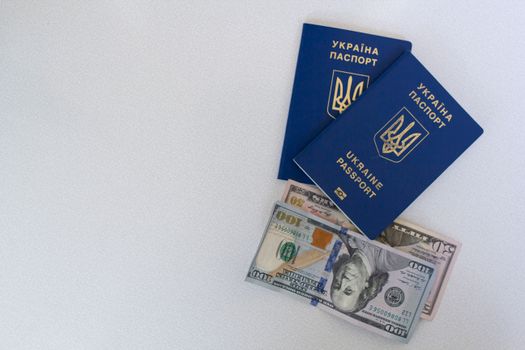 Photo: Borys Zaitsev / Pexels
 Photo: Alesia Kozik / Pexels
 Photo: Claudia Solano / Pexels
 Photo: Kampus Production / Pexels