✓ As of mid-2024, Canada has largely lifted all COVID-19 specific travel restrictions for international arrivals.
✓ Proof of vaccination is generally no longer required for entry into Canada.
✓ Pre-arrival testing and mandatory quarantine for travellers have been discontinued.
✓ While border measures are eased, travellers should still monitor for potential updates or regional health advisories.
How It Works
1
Check Official Government Sources
Before planning any trip, always consult the official website of the Government of Canada for the most up-to-date travel advisories and entry requirements. Policies can change rapidly, and official sources are the most reliable.
2
Confirm Travel Document Validity
Ensure your passport is valid for at least six months beyond your intended stay. Depending on your nationality, you may also need an Electronic Travel Authorization (eTA) or a visitor visa.
3
Understand Provincial/Territorial Guidelines
While federal restrictions are eased, individual provinces or territories may have specific public health recommendations or requirements. Research your destination's local guidelines before arrival.
4
Consider Travel Insurance
Even with eased restrictions, unexpected events can occur. Comprehensive travel insurance that covers medical emergencies, trip cancellations, and interruptions is highly recommended for all international travel.
Understanding Canada Travel Restrictions COVID 2024: The Current Landscape
Photo: Yihan Wang / Pexels
As we navigate through 2024, the landscape of Canada travel restrictions related to COVID-19 has evolved significantly since the pandemic's peak. For many prospective visitors, the primary concern remains: 'What are the current Canada travel restrictions COVID 2024?' The good news is that Canada has largely returned to pre-pandemic border measures, signifying a major step towards normalcy for international travel. This means that the stringent requirements of previous years, such as mandatory vaccination proof, pre-arrival testing, and quarantine periods, have been discontinued for most travellers. The Canadian government's approach has shifted from reactive pandemic response to a more integrated public health strategy, focusing on general health measures rather than specific COVID-19 border controls. This change reflects the global decline in severe COVID-19 cases and increased vaccination rates worldwide. However, it is crucial for all travellers to understand that 'discontinued' does not necessarily mean 'non-existent.' While the federal government no longer imposes these specific COVID-19 entry requirements, it retains the right to reintroduce measures if public health conditions warrant. Therefore, staying informed through official channels remains paramount. Understanding international travel advisories is always a wise first step. Furthermore, while federal mandates have been lifted, individual airlines, cruise lines, or even specific provinces and territories within Canada may still have their own internal policies or recommendations. For instance, some cruise operators might still recommend or require specific health protocols onboard, even if not mandated by Canadian border services. It's essential to differentiate between federal border requirements and private company policies. The onus is on the traveller to verify all aspects of their journey. This section will delve into the specifics of what has been lifted, what remains, and what travellers should proactively consider to ensure a smooth entry into Canada in 2024. We will explore the nuances of these changes, providing clarity on what to expect at the border and beyond. This comprehensive overview aims to dispel common misconceptions and provide a clear picture of the current travel environment for anyone planning a trip to Canada this year.
Entry Requirements and Health Protocols for Canada in 2024
Photo: RDNE Stock project / Pexels
For anyone planning to visit Canada in 2024, understanding the current entry requirements and health protocols is fundamental to a hassle-free journey. As of mid-2024, the most significant change is the removal of all COVID-19 specific border measures for all travellers, regardless of citizenship. This includes the elimination of the requirement to provide proof of COVID-19 vaccination, undergo pre-entry or on-arrival testing, or quarantine. The ArriveCAN app, which was previously mandatory for submitting health information and travel details, is also no longer required for most travellers, though it remains available as an optional tool for customs and immigration declarations. This streamlining of the entry process reflects a global trend towards easing travel restrictions as the world adjusts to living with COVID-19. However, it's important to remember that standard immigration and customs procedures still apply. All international travellers must possess valid travel documents, such as a passport, and meet the eligibility criteria for entry into Canada. Depending on your nationality, this might include obtaining an Electronic Travel Authorization (eTA) for visa-exempt foreign nationals flying into Canada, or a visitor visa for citizens of countries that require one. It is highly recommended to apply for an eTA or visa well in advance of your travel date, as processing times can vary. While COVID-19 specific health screening at the border has largely ceased, border services officers retain the right to refer any traveller for further assessment if they exhibit symptoms of communicable diseases. This is a standard public health measure that predates the pandemic and is not unique to COVID-19. Travellers are always expected to be truthful about their health status upon entry. Moreover, while federal mandates are lifted, travellers should still practice good public health habits. This includes hand hygiene, covering coughs and sneezes, and considering wearing a mask in crowded indoor settings or on public transportation, especially if they are at higher risk or feel unwell. These are recommendations, not requirements, but contribute to a safer travel environment for everyone. Staying informed about these general health guidelines, alongside specific immigration requirements, will ensure a smooth and enjoyable trip to Canada in 2024.
Navigating Provincial and Territorial Guidelines Post-Federal Restrictions
Photo: Andre Furtado / Pexels
While the federal government has significantly eased Canada travel restrictions COVID 2024, it is crucial for travellers to understand that individual provinces and territories within Canada maintain their own jurisdiction over public health policies. This means that while you might enter Canada without federal COVID-19 specific hurdles, your destination province or territory might have distinct recommendations or, in rare cases, specific requirements that you should be aware of. The Canadian health system is structured with significant provincial autonomy, which allows for tailored responses to local health situations. For example, a province might recommend masking in healthcare settings or public transport, even if the federal government does not mandate it. They might also have specific guidelines regarding isolation if you test positive for COVID-19 during your stay. Therefore, before finalizing your itinerary, it is highly advisable to research the specific public health guidelines of the province or territory you plan to visit. Websites for provincial health authorities are the best sources for this information. These sites often provide up-to-date advisories, recommendations for personal protective measures, and information on local health services. This step is particularly important if you plan to visit multiple regions within Canada, as policies could theoretically vary from one province to another, although most have also aligned with the federal easing of restrictions. Preparing for international travel involves more than just border checks; it includes understanding the local context. Furthermore, certain sectors, such as healthcare facilities, long-term care homes, or even some private businesses, may implement their own visitor policies that could include masking or health screening, irrespective of broader government mandates. It is always polite and practical to inquire about such policies before visiting these establishments. By being proactive and informed about both federal and provincial/territorial guidelines, travellers can ensure they are fully prepared for their Canadian adventure and can navigate any local nuances with ease, contributing to a safe and respectful travel experience for themselves and the communities they visit. This layered approach to public health ensures flexibility while prioritizing local well-being.
Essential Tips for Seamless Travel to Canada in 2024 and Common Mistakes to Avoid
Photo: Vlada Karpovich / Pexels
Ensuring a smooth journey to Canada in 2024, even with eased restrictions, still requires careful planning. Here are some essential tips and common mistakes to avoid:
* **Verify Passport and Visa/eTA Validity:** This is non-negotiable. Your passport should be valid for the entire duration of your stay, and ideally for at least six months beyond. If you require an eTA or visa, apply well in advance. Delays can occur, and an invalid document means denied entry.
* **Review Airline and Cruise Line Policies:** While Canada's federal government has lifted most COVID-19 restrictions, individual carriers might have their own requirements. Always check with your airline or cruise line for their specific health and travel policies before departure.
* **Stay Updated on Local Health Advisories:** As discussed, provincial and territorial guidelines can differ. A quick check of the local public health authority website for your destination will provide current recommendations on masking, public gatherings, or what to do if you feel unwell.
* **Pack Essential Medications:** Bring sufficient quantities of any prescription medications, along with a copy of your prescription. Ensure they are in their original packaging. Check Canada's regulations on bringing medications into the country.
* **Consider Travel Insurance:** Comprehensive travel insurance is always a good investment. It can cover medical emergencies, trip cancellations, lost luggage, and other unforeseen events, providing peace of mind.
* **Declare All Goods:** When entering Canada, you must declare all goods you are bringing into the country. Failure to declare items, especially restricted or prohibited goods, can lead to fines, seizure of goods, or even arrest.
* **Common Mistakes to Avoid:**
* **Ignoring Layover Country Requirements:** If you have a layover in another country, remember to check their entry requirements as well. You might need a transit visa or meet specific health criteria for that country.
* **Overlooking Customs Declarations:** Do not assume small gifts or personal items don't need to be declared. When in doubt, declare it.
* **Not Having Sufficient Funds:** Border services officers may ask to see proof of sufficient funds to support your stay in Canada. Be prepared to show bank statements or credit card limits.
* **Failing to Check for Regional Events:** Major events can impact accommodation and transportation availability. Check for local festivals, conferences, or holidays that might affect your travel plans. By following these tips and avoiding common pitfalls, your journey related to Canada travel restrictions COVID 2024 will be as smooth and enjoyable as possible.
Comparison
Feature
Pre-2023 Rules
Current Canada Travel Restrictions COVID 2024
Future Outlook (Speculative)
Proof of Vaccination
Mandatory for most
Not Required
Unlikely to be reintroduced
Pre-arrival Testing
Mandatory for most
Not Required
Only for new pandemic threats
Mandatory Quarantine
Required for unvaccinated/positive
Not Required
Highly unlikely
ArriveCAN App Submission
Mandatory
Optional (Customs)
Optional (Customs)
Standard Visa/eTA
Required
Required
Required
Health Screening at Border
Enhanced
Standard
Standard
What Readers Say
★★★★★
"I was so worried about Canada travel restrictions COVID 2024, but this guide cleared everything up. My trip to Vancouver was incredibly smooth, no extra paperwork or tests needed!"
Sarah J. · London, UK
★★★★★
"Traveling from Australia, I appreciated knowing exactly what to expect. The information on eased Canada travel restrictions COVID 2024 was spot-on, making my family visit stress-free."
David M. · Sydney, AU
★★★★★
"Thanks to this article, I confidently booked my trip to Montreal. The detailed breakdown of Canada travel restrictions COVID 2024 saved me hours of searching and ensured I had all the right documents for entry."
Elena P. · Berlin, DE
★★★★★
"The guide was mostly helpful for understanding Canada travel restrictions COVID 2024. Just wish there was a bit more on specific provincial recommendations, but overall a solid resource."
Omar K. · Dubai, UAE
★★★★★
"Crossing the land border into Canada was a breeze. No more ArriveCAN for me! This article confirmed the current Canada travel restrictions COVID 2024 status and helped me prepare perfectly."
Jessica L. · New York, USA
Frequently Asked Questions
Are there any specific COVID-19 vaccination requirements to enter Canada in 2024?
No, as of mid-2024, the Government of Canada has lifted the requirement for travellers to provide proof of COVID-19 vaccination for entry. This applies to all travellers, regardless of their citizenship or vaccination status.
Do I still need to use the ArriveCAN app for my trip to Canada in 2024?
The ArriveCAN app is no longer mandatory for most travellers entering Canada. While it remains available as an optional tool for submitting customs and immigration declarations in advance, it is not required for health-related information.
What happens if I test positive for COVID-19 while in Canada?
If you test positive for COVID-19 while in Canada, you should follow the public health guidelines of the province or territory you are in. These guidelines typically include recommendations for isolation and monitoring symptoms, similar to other respiratory illnesses.
Will I need travel insurance that specifically covers COVID-19 for my trip to Canada?
While not a mandatory entry requirement, comprehensive travel insurance, including medical coverage for emergencies (which may include COVID-19 related illness), is highly recommended for all international visitors to Canada. Healthcare costs can be substantial without it.
How do Canada's current COVID-19 travel rules compare to other major travel destinations?
Canada's current COVID-19 travel rules are largely aligned with many other major travel destinations, having removed most pandemic-specific border measures. This places Canada among countries that have returned to pre-pandemic standard entry procedures for international travellers.
Who should still be particularly cautious about Canada travel restrictions COVID 2024 updates?
Travellers with underlying health conditions, those who are immunocompromised, or individuals planning to visit vulnerable populations (e.g., in long-term care facilities) should remain particularly vigilant. They should monitor public health advisories and consider personal protective measures like masking.
Is there a risk that Canada's COVID-19 travel restrictions could be reintroduced?
While unlikely given the current global health situation, the Government of Canada reserves the right to reintroduce travel restrictions if a new variant of concern emerges or if public health conditions significantly deteriorate. Travellers should always consult official government sources before and during their trip.
What is the general outlook for Canada travel restrictions COVID 2024 for the rest of the year?
The general outlook for Canada travel restrictions COVID 2024 is continued stability with minimal to no COVID-19 specific border measures. The focus remains on standard immigration procedures and general public health recommendations rather than strict pandemic controls.
Planning your Canadian adventure in 2024 should be exciting, not confusing. By staying informed on the latest Canada travel restrictions COVID 2024 information, you can ensure a smooth and enjoyable journey. Visit official government websites and your airline's policies to confirm all details before you depart, and get ready to experience the beauty of Canada.

 Photo: Yihan Wang / Pexels
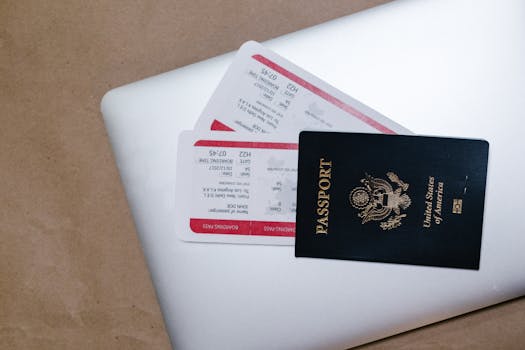 Photo: RDNE Stock project / Pexels
 Photo: Andre Furtado / Pexels
 Photo: Vlada Karpovich / Pexels