
Your Ultimate Canada Travel Guide for First Timers
canada travel guide for first timers

Your Ultimate Canada Travel Guide for First Timers

Unlock the secrets to an incredible Canadian adventure, ensuring your first visit is smooth, exciting, and memorable.

Start Your Journey

Key Takeaways

  • ✓ Canada is the second-largest country by total area.
  • ✓ It has two official languages: English and French.
  • ✓ The currency is the Canadian Dollar (CAD).
  • ✓ Tipping is customary in services (15-20%).

How It Works

1
Plan Your Entry

Determine if you need a visa or an Electronic Travel Authorization (eTA) based on your nationality. Apply well in advance to avoid last-minute complications with your travel plans.

2
Choose Your Region

Canada is vast; focus on a specific region or two for your first trip to avoid excessive travel time. Research destinations that align with your interests, whether it's mountains, cities, or coastlines.

3
Book Essentials

Secure flights, accommodations, and any major tours or activities ahead of time, especially during peak seasons. This guarantees availability and often better rates for your Canadian adventure.

4
Pack Smart

Prepare for varying weather conditions, even within a single season, with layers. Research regional climate patterns for your travel dates to ensure you have appropriate clothing and gear.

Navigating Entry Requirements and Essential Preparations for Canada

Scenic view of the Rainbow Bridge stretching over the Niagara River in Ontario, Canada. Photo: Alex Ohan / Pexels
For first-time visitors to Canada, understanding the entry requirements is paramount. The primary distinction lies between requiring a visa and needing an Electronic Travel Authorization (eTA). Citizens of visa-exempt countries, excluding U.S. citizens, typically need an eTA to fly to or transit through Canada. This is a digital travel document linked electronically to your passport, and applying for it is a straightforward online process that usually takes only a few minutes. It's crucial to apply for an eTA from the official Government of Canada website to avoid scams and ensure your information is secure. The cost is minimal, and most applications are approved within minutes, though some may take several days if additional documents are requested. Ensure your passport is valid for at least six months beyond your intended departure date from Canada. For those from countries that require a visa, the process is more involved and requires submitting an application to Immigration, Refugees and Citizenship Canada (IRCC) well in advance of your travel dates. This typically includes providing biometric data, financial proof, and a detailed itinerary. The processing times for visitor visas can vary significantly depending on your country of residence and the volume of applications, so early planning is non-negotiable. Regardless of whether you need an eTA or a visa, always print copies of your approval or relevant documents to carry with you, alongside your passport. While Canadian border services officers can access your information electronically, having physical proof can expedite your entry and provide peace of mind. Beyond entry documents, travel insurance is a non-negotiable item for any international trip, especially to Canada. Healthcare in Canada can be expensive for non-residents, and a comprehensive travel insurance policy will cover unforeseen medical emergencies, trip cancellations, lost luggage, and other potential travel disruptions. Research different policies and choose one that offers robust coverage tailored to your travel plans and activities. Consider policies that include adventure sports coverage if you plan on skiing, hiking, or other outdoor activities. Furthermore, familiarize yourself with Canadian customs regulations regarding what you can bring into the country, especially concerning food, alcohol, and tobacco. Declare all dutiable or restricted items to avoid penalties. Being prepared with all necessary documentation and insurance will ensure a smooth start to your Canadian adventure, allowing you to focus on the wonders that await. For more detailed information on visa processes, you might find specific government resources helpful, such as those linked on the official Canadian travel website.

Choosing Your Canadian Adventure: Regions, Seasons, and Must-See Sights

Beautiful view of Toronto skyline with the iconic CN Tower during sunset, showcasing urban architecture. Photo: Anurag Jamwal / Pexels
Canada's immense size means that choosing a region for your first visit is critical to having a fulfilling experience without feeling rushed. Each province and territory offers a distinct flavour, landscape, and cultural experience. For a classic North American city experience combined with natural beauty, consider Eastern Canada. Toronto, Ontario, boasts iconic landmarks like the CN Tower and a vibrant multicultural scene, while nearby Niagara Falls offers breathtaking natural wonders. Montreal and Quebec City in Quebec provide a deep dive into French-Canadian culture, with historic architecture, delicious cuisine, and a European charm. The Maritimes – Nova Scotia, Prince Edward Island, and New Brunswick – offer picturesque coastlines, charming fishing villages, and fresh seafood, perfect for a relaxed coastal getaway. These regions are easily accessible by air and have well-developed transportation networks, making them ideal for first-timers. If majestic mountains, pristine lakes, and abundant wildlife are what you seek, Western Canada, particularly the provinces of Alberta and British Columbia, is unparalleled. Banff and Jasper National Parks in Alberta are world-renowned for their stunning Rocky Mountain scenery, turquoise lakes like Lake Louise and Moraine Lake, and opportunities for hiking, skiing, and wildlife viewing. Vancouver, British Columbia, offers a unique blend of urban sophistication and natural beauty, with mountains, oceans, and a bustling city center. Victoria, on Vancouver Island, charms with its British colonial heritage and beautiful gardens. Planning a trip to these areas requires booking accommodations and popular tours well in advance, especially during the peak summer months, as they are incredibly popular destinations. The best time to visit Canada largely depends on the activities you envision. Summer (June to August) is ideal for hiking, exploring cities, and enjoying outdoor festivals, with long daylight hours and warm temperatures across most of the country. Fall (September to October) brings spectacular foliage, particularly in Eastern Canada, and pleasant temperatures for sightseeing, though some mountain passes may start to see early snow. Winter (November to March) transforms Canada into a wonderland for skiing, snowboarding, ice skating, and experiencing the Northern Lights in northern regions. Spring (April to May) offers milder weather, fewer crowds, and the beauty of blossoming landscapes, though some attractions may still be preparing for the summer season. Understanding the seasonal variations will help you pack appropriately and plan your activities to maximize your enjoyment. Whether you're captivated by the cosmopolitan allure of its cities or the untamed wilderness of its national parks, Canada offers an incredible array of experiences for every type of traveler.

Mastering Canadian Transportation and Essential Local Etiquette
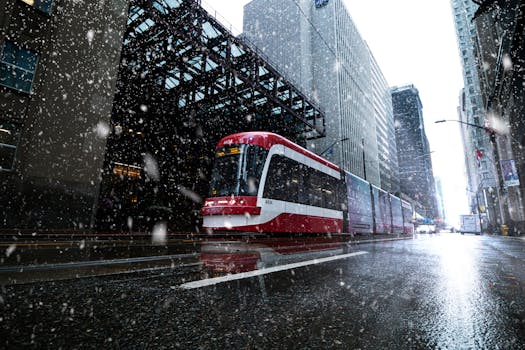
A Toronto streetcar navigating a snowy city street during winter with downtown buildings. Photo: Andre Furtado / Pexels
Navigating Canada's vast distances requires a strategic approach to transportation. For inter-city travel, especially between major urban centers or across provinces, flying is often the most time-efficient option. Canada has several major airlines, including Air Canada, WestJet, and Porter Airlines, offering domestic routes. Booking in advance can secure better fares, particularly for popular routes. For shorter distances or scenic journeys, VIA Rail Canada provides train services that offer a comfortable and picturesque way to see the country, though they can be slower and sometimes more expensive than flying. Buses, operated by companies like Greyhound (though its Canadian operations have scaled back, regional operators exist) and smaller provincial services, are generally the most budget-friendly option for inter-city travel, connecting many towns and cities. Within cities, public transit systems are efficient and comprehensive, particularly in major hubs like Toronto, Montreal, and Vancouver. Subways, buses, and streetcars make it easy to get around. Consider purchasing a day pass or a multi-day pass if you plan to use public transit extensively. Ride-sharing apps like Uber and Lyft are also widely available in larger urban areas, offering convenient on-demand transportation. For exploring national parks or more remote areas, renting a car is highly recommended. This provides the flexibility to stop at scenic viewpoints, access trailheads, and explore at your own pace. Be aware of varying road conditions, especially in winter, and always check local driving laws. Gas prices fluctuate, and distances can be significant, so factor fuel costs into your budget. For instance, a road trip from Calgary to Vancouver is stunning but covers a considerable distance, highlighting the need for good planning, which you can learn more about in a general road trip planning guide. Understanding local etiquette and cultural nuances will enhance your experience. Canadians are generally known for their politeness and respect for personal space. A common phrase you'll hear is "sorry," often used casually as an apology or even a polite way to get someone's attention. Tipping is customary and expected in service industries, including restaurants, bars, taxis, and for services like hairdressers. A gratuity of 15-20% before tax is standard for good service. When dining, wait to be seated in most restaurants. Canadians value punctuality, so if you have appointments or reservations, aim to be on time. Dress codes are generally relaxed, but in finer dining establishments or theaters, smart casual attire is appropriate. Canada is a multicultural country, and respecting diverse customs and traditions is highly valued. Learning a few basic French phrases, especially in Quebec, will also be appreciated. Being mindful of these small details will not only make your interactions smoother but also deepen your appreciation for Canadian culture.

Essential Tips for First-Time Canada Travelers and Common Mistakes to Avoid
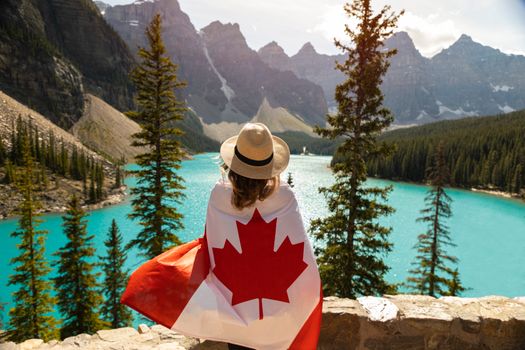
Explore the beauty of Moraine Lake in Alberta, Canada, with a stunning view and a Canadian flag. Photo: Andre Furtado / Pexels
To ensure your first Canadian journey is as smooth and enjoyable as possible, keep these essential tips in mind and be aware of common pitfalls. **Top Tips for First-Timers:** * **Embrace the Layers:** Canadian weather can be unpredictable, even within a single day. Pack layers of clothing that you can easily add or remove to adapt to temperature changes, especially if traveling between different regions or seasons. * **Learn Basic French in Quebec:** While English is widely spoken, making an effort to use a few French phrases (like 'Bonjour', 'Merci', 'S'il vous plaît') in Quebec will be greatly appreciated and can enhance your cultural experience. * **Stay Connected:** Consider purchasing a local SIM card upon arrival or activating an international roaming plan. Reliable phone and data access are crucial for navigation, emergencies, and staying in touch. Wi-Fi is widely available in hotels and cafes, but not everywhere. * **Budget for Taxes and Tipping:** Prices displayed in Canada often exclude sales taxes (GST/HST/PST), which are added at checkout. Tipping 15-20% for good service in restaurants, taxis, and other service industries is customary and expected. * **Protect Against Wildlife:** If exploring natural areas, be wildlife aware. Carry bear spray (know how to use it!), make noise on trails, and never feed wild animals. Store food properly to avoid attracting animals. * **Book Accommodations and Popular Activities in Advance:** Especially during peak seasons (summer, ski season), popular hotels, tours, and national park campsites book up months ahead. Early booking can save you disappointment and often money. **Common Mistakes to Avoid:** * **Underestimating Distances:** Canada is vast. Don't try to cram too many geographically dispersed destinations into a single trip. Focus on one or two regions to truly experience them without spending all your time traveling. * **Ignoring Travel Insurance:** As mentioned earlier, healthcare costs can be prohibitive for non-residents. Skipping travel insurance is a risky gamble that can lead to significant financial stress if an emergency arises. * **Not Declaring Items at Customs:** Always declare all items you are bringing into Canada, especially food, alcohol, and tobacco. Failure to do so can result in fines, seizure of goods, or even denial of entry. * **Forgetting Adapters:** Canada uses Type A and Type B electrical outlets (the same as the U.S.) with a voltage of 120V. If coming from outside North America, you'll need a power adapter and potentially a voltage converter for your electronics. * **Driving Without Proper Preparation:** If renting a car, ensure you understand Canadian road signs, rules, and have proper insurance coverage. In winter, ensure your rental has appropriate tires for snowy or icy conditions, especially in mountain regions. * **Only Carrying Cash:** While cash is accepted, credit and debit cards are widely used throughout Canada. Ensure your cards work internationally and notify your bank of your travel plans to avoid transaction issues. By keeping these tips in mind and avoiding common missteps, your first Canadian adventure will undoubtedly be a more relaxed, enriching, and memorable experience.

Comparison

FeatureBest Option (First-Timers)Alternative 1 (Adventure)Alternative 2 (Culture)
Region FocusEastern Canada (Ontario/Quebec)Western Canada (BC/Alberta)Maritimes (PEI/NS)
Primary ActivityCity exploration, natural wondersHiking, skiing, wildlifeCoastal drives, seafood
Best SeasonSummer/FallSummer/WinterSummer/Early Fall
TransportationFlights + Public TransitFlights + Rental CarRental Car
PaceModerateActiveRelaxed
Language ExposureEnglish & FrenchEnglishEnglish
Must-SeeNiagara Falls, MontrealBanff, VancouverPeggy's Cove, Anne of Green Gables
CostModerateHigherModerate

What Readers Say

"This Canada travel guide for first timers was a lifesaver! It clearly explained the eTA process and helped me choose between Western and Eastern Canada. My trip to Montreal and Quebec City was incredible, thanks to the planning advice."

Sarah L. · London, UK

"As a first-timer, I was overwhelmed by Canada's size. This guide simplified everything, especially the transportation section. Renting a car in Alberta was the best decision, and the tips on wildlife safety were invaluable."

David M. · Sydney, Australia

"The details on what to pack and tipping etiquette in this Canada travel guide for first timers saved me from several awkward moments! I felt much more prepared and confident navigating Canadian culture. Highly recommend for new visitors."

Maria P. · Berlin, Germany

"A very thorough guide, particularly helpful for understanding the visa requirements. I wish there was a bit more on specific regional food recommendations, but overall, it provided an excellent foundation for my trip to Vancouver."

Chen W. · Shanghai, China

"Even coming from the US, this guide offered great insights, especially on budgeting for taxes and booking tours in advance for the Rockies. It truly helped me maximize my first Canadian adventure."

Emily R. · Phoenix, USA

Frequently Asked Questions

What are the most common entry requirements for first-time visitors to Canada?

Most first-time visitors will need either an Electronic Travel Authorization (eTA) or a visitor visa. Citizens of visa-exempt countries (excluding U.S. citizens) flying into Canada require an eTA, which is applied for online. All other nationalities typically need a visitor visa, which involves a more extensive application process. Always check the official Government of Canada website for requirements based on your nationality well before your travel date.

Is Canada safe for first-time travelers?

Yes, Canada is widely considered one of the safest countries in the world for travelers. Major cities are generally safe, but like anywhere, it's wise to be aware of your surroundings, especially at night. When exploring natural areas, adhere to park guidelines and be mindful of wildlife. Emergency services are reliable and easily accessible by dialing 911.

How do I get around Canada, especially for long distances?

For long distances, flying is the most efficient option, with major airlines connecting cities across the country. VIA Rail offers scenic train journeys, and inter-city buses are a more budget-friendly alternative. Within cities, public transit is excellent, and for exploring national parks or rural areas, renting a car provides the most flexibility. Plan your transportation based on your itinerary and budget.

What is the typical cost of a first-time trip to Canada?

The cost of a trip to Canada can vary significantly based on your travel style, chosen region, and duration. Budget travelers might spend CAD 100-150 per day, while mid-range travelers could expect CAD 200-400+ per day. This includes accommodation, food, local transport, and some activities. Flights to Canada and major tours are additional. Always factor in taxes and customary tipping (15-20%) for services.

Should I visit Eastern or Western Canada for my first trip?

The choice between Eastern and Western Canada depends on your interests. Eastern Canada (e.g., Ontario, Quebec, Maritimes) offers a blend of vibrant cities, rich history, French-Canadian culture, and coastal charm. Western Canada (e.g., British Columbia, Alberta) is renowned for its stunning Rocky Mountains, national parks, and outdoor adventures. For a first trip, many choose to focus on one region to avoid extensive travel time and truly immerse themselves in the local experience.

Who should use this Canada travel guide for first timers?

This Canada travel guide for first timers is designed for anyone planning their inaugural visit to Canada, particularly those who feel overwhelmed by the planning process or are unsure about entry requirements, regional choices, and local customs. It's ideal for independent travelers, couples, and families seeking a comprehensive yet digestible resource to make their first Canadian adventure successful and stress-free.

Are there any health risks or safety concerns unique to Canada for travelers?

Canada has high health and safety standards. There are no specific vaccinations required for entry for most travelers, but ensuring routine vaccinations are up-to-date is always recommended. The primary safety concerns revolve around wildlife in national parks (bears, cougars) and extreme weather conditions in winter. Always check local advisories, respect nature, and dress appropriately for the season. Comprehensive travel insurance is highly advisable for medical emergencies.

What are the emerging travel trends for first-time visitors to Canada?

Emerging trends for first-time visitors include a growing interest in sustainable tourism, with travelers seeking eco-friendly accommodations and experiences that support local communities. There's also an increasing demand for authentic Indigenous cultural experiences. Furthermore, 'slow travel' is gaining popularity, encouraging visitors to spend more time in one region to fully appreciate its offerings rather than rushing through multiple destinations.

Ready to embark on your Canadian adventure? This Canada travel guide for first timers has equipped you with the knowledge to plan an unforgettable journey. Start exploring, booking, and dreaming – your incredible Canadian experience awaits!

Topics: canada travel guide for first timersplan a trip to Canadafirst time Canada visitortravel tips CanadaCanada itinerary
Leo List

IE Escorts NO Escorts US Escorts NZ Escorts AU Escorts
Brampton weed
Adultwork EstrelaBet Vai de Bet R7 Bet Betão Galera Bet Rainbet Bet9ja Shop SportyBet BetKing Sisal Loto Foot Hollywoodbets YesPlay Odibets RushBet Jugabet BetWarrior BetCity MSport betPawa Fortebet