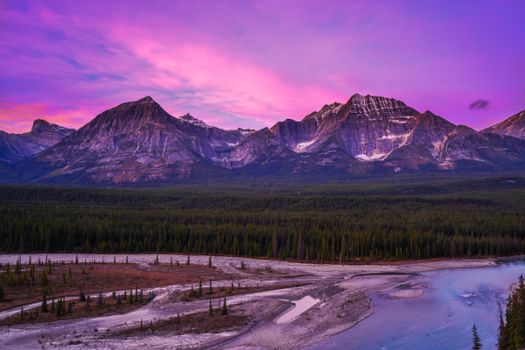
Your Ultimate Canada Travel Guide for First Timers
Canada travel guide for first timers

Your Ultimate Canada Travel Guide for First Timers

Unlock the wonders of Canada with this essential guide, ensuring your first visit is smooth, safe, and spectacularly memorable.

Start Your Canadian Journey

Key Takeaways

  • ✓ Canada is the world's second-largest country by land area, offering diverse landscapes.
  • ✓ Official languages are English and French; French is predominant in Quebec.
  • ✓ The Canadian dollar (CAD) is the official currency.
  • ✓ Tipping is customary in Canada, typically 15-20% for good service.

How It Works

1
Plan Your Itinerary & Budget

Research destinations that align with your interests, whether it's mountains, cities, or coastlines. Establish a realistic budget, accounting for accommodation, transport, food, and activities.

2
Handle Travel Logistics

Secure your eTA or visa, book flights and accommodations well in advance, especially during peak seasons. Consider travel insurance for peace of mind.

3
Pack Smart & Prepare

Pack layers of clothing suitable for varied weather, comfortable walking shoes, and any necessary medications. Familiarize yourself with local customs and emergency numbers.

4
Explore & Enjoy Responsibly

Immerse yourself in Canada's natural beauty and vibrant culture, respecting local communities and wildlife. Stay safe by informing others of your plans and being aware of your surroundings.

Planning Your Canadian Adventure: Visas, Currency & Best Time to Visit

Two blue Ukrainian passports placed on a white surface, close-up view. Photo: Borys Zaitsev / Pexels
Embarking on your first Canadian journey requires careful preparation, but with this Canada travel guide for first timers, you’ll be well-equipped. First, let's talk about entry requirements. Most international visitors will need an Electronic Travel Authorization (eTA) if arriving by air, or a visa, depending on their nationality. It's crucial to check the official Government of Canada website well in advance of your trip to determine your specific requirements and apply accordingly. The application process for an eTA is generally straightforward and inexpensive, often approved within minutes, but it's wise not to leave it until the last minute. For those requiring a visa, the process can be more involved and take longer. Next, currency. Canada uses the Canadian Dollar (CAD). While credit cards are widely accepted, especially Visa and Mastercard, it’s always a good idea to carry some cash for smaller purchases or in areas where card readers might be unavailable. ATMs are prevalent in urban and semi-urban areas, making it easy to withdraw cash. Inform your bank of your travel plans to avoid any issues with your cards being flagged for suspicious activity. Understanding the exchange rate before you go can also help you budget more effectively. Many banks offer travel-friendly credit cards with no foreign transaction fees, which can save you money. Choosing the best time to visit Canada largely depends on what kind of experience you're seeking. Summer (June to August) is ideal for exploring national parks, hiking, and enjoying vibrant city life, but it’s also the peak tourist season, meaning higher prices and larger crowds. Spring (April to May) and Fall (September to October) offer stunning scenery, fewer tourists, and often more moderate temperatures, perfect for sightseeing and enjoying the autumn foliage. Winter (November to March) transforms much of Canada into a snowy wonderland, perfect for skiing, snowboarding, and experiencing festive holiday markets, though temperatures can be extremely cold, especially in the interior and northern regions. Consider what activities are most important to you when deciding on your travel dates. For example, if you dream of seeing the Northern Lights, winter in Yukon or the Northwest Territories is your best bet. If you want to explore the Rockies without snow, aim for late summer. No matter the season, Canada offers a unique charm. Discover more about seasonal activities in Canada to perfectly tailor your trip.

Navigating Canada: Transportation, Accommodation & Local Etiquette

Interior of a Toronto subway station with a Metrolinx train and passengers boarding. Photo: apertur 2.8 / Pexels
Getting around Canada, a vast country, requires some planning. For long distances between major cities or provinces, flying is often the most practical and time-efficient option. Canada has several major airlines, including Air Canada and WestJet, offering extensive domestic networks. For exploring specific regions, renting a car provides unparalleled flexibility, allowing you to discover hidden gems and scenic routes at your own pace. Keep in mind that Canada drives on the right side of the road, and road conditions can vary significantly by season and region, particularly in winter. Public transportation within cities is generally excellent, with extensive bus, subway, and tram systems in major metropolitan areas like Toronto, Montreal, and Vancouver. VIA Rail Canada offers train services, providing a more leisurely way to see the country, with routes that showcase breathtaking landscapes. However, train travel can be slower and more expensive than flying for long distances. For shorter distances within a region, inter-city bus services are a more economical option. Consider purchasing a local SIM card or an eSIM for your phone to ensure you have access to maps and navigation apps on the go. Accommodation options in Canada are as diverse as its landscapes. From luxury hotels in bustling city centers to charming bed & breakfasts in quaint towns, rustic cabins in national parks, and budget-friendly hostels, there's something for every traveler and budget. It's highly recommended to book your accommodation well in advance, especially if you're traveling during peak season or to popular destinations like Banff or Vancouver. Many national parks also offer camping facilities, which can be a fantastic way to immerse yourself in nature, but these too often require reservations months ahead. When choosing where to stay, consider your itinerary and the type of experience you want. City hotels offer convenience and access to attractions, while rural accommodations provide tranquility and proximity to nature. Reading reviews and comparing prices on reputable booking sites can help you find the perfect fit. Always check for amenities like Wi-Fi and parking, especially if you're renting a car. Understanding local etiquette will enhance your experience and help you connect with Canadians. Canadians are generally known for their politeness and respect. A common phrase you'll hear is "sorry," often used as an apology but also as a general expression of politeness. Tipping is customary in service industries – restaurants, bars, taxis, and hair salons – typically ranging from 15-20% for good service. When greeting someone, a firm handshake is common. In Quebec, a light kiss on each cheek is a common greeting among friends and family. Punctuality is appreciated, especially for appointments. When visiting someone’s home, it’s polite to remove your shoes at the door. Canadians value their personal space, so avoid standing too close during conversations. Respect for nature is also paramount; always follow leave-no-trace principles when exploring Canada's beautiful outdoors. Familiarizing yourself with these customs will make your interactions smoother and more enjoyable, reflecting positively on you as a visitor.

See also: independent companion directory Canada, directory for independent Canadian companions, create an independent listing, Escorts.vc.

Must-See Destinations and Activities for First-Time Visitors

Stunning view of Lake Louise with mountains and glacier reflections in Banff National Park, Alberta, Canada. Photo: Ryan Beirne / Pexels
Canada offers an incredible array of destinations and activities that cater to every interest, making it a dream for any first-time visitor. For those drawn to majestic mountains and pristine wilderness, the Canadian Rockies in Alberta are an absolute must. Banff National Park, with its turquoise lakes like Lake Louise and Moraine Lake, towering peaks, and abundant wildlife, provides breathtaking scenery and endless opportunities for hiking, wildlife viewing, and photography. Nearby Jasper National Park offers a more rugged experience, with the Columbia Icefield and Maligne Lake. These parks are best explored during the summer months when all trails are accessible and the weather is generally pleasant. Remember to purchase a Parks Canada pass if you plan to visit multiple national parks, as this offers better value. For an urban experience with stunning natural backdrops, Vancouver, British Columbia, is a vibrant coastal city nestled between mountains and ocean. Explore Stanley Park, stroll through Gastown, or take a ferry to Victoria on Vancouver Island for a taste of British colonial charm and the famous Butchart Gardens. If you're captivated by history and European charm, Quebec City in Quebec is like stepping into an old-world fairy tale. As the only fortified city in North America, its historic district, Old Quebec, is a UNESCO World Heritage site, boasting cobblestone streets, charming cafes, and impressive architecture, including the iconic Château Frontenac. Montreal, also in Quebec, offers a dynamic blend of French and English cultures, with its historic Old Montreal, vibrant arts scene, and delicious culinary offerings. Don't forget to try some poutine! For a taste of Canada's diverse cultural mosaic and world-class attractions, Toronto, Ontario, is a bustling metropolis. Ascend the CN Tower for panoramic views, explore diverse neighborhoods like Kensington Market, or visit the Royal Ontario Museum. A day trip to Niagara Falls, just a short drive from Toronto, is an unforgettable experience, witnessing the sheer power and beauty of one of the world's most famous waterfalls. You can take a boat tour right into the mist or explore the surrounding Niagara-on-the-Lake wine region. Each of these destinations provides a unique slice of the Canadian experience. Find more detailed itineraries for Canadian cities to help you plan your explorations.

Essential Tips for a Smooth Canadian Journey & Common Mistakes to Avoid

A woman with headphones packing a suitcase in her stylish living room, preparing for travel. Photo: Vlada Karpovich / Pexels
To ensure your first Canadian adventure is as smooth as possible, here are some essential tips and common mistakes to avoid. Firstly, always pack in layers. Canada's weather can be unpredictable, even in summer, with temperatures fluctuating significantly between day and night, and even within a single day, especially in mountainous regions. Being able to add or remove layers will keep you comfortable. Secondly, invest in good quality, comfortable walking shoes. You’ll likely be doing a lot of walking, whether exploring city streets or hiking trails. **Common Mistakes to Avoid:** * **Underestimating distances:** Canada is enormous. What looks like a short hop on a map can be a full day’s drive or an expensive flight. Plan your travel time realistically. * **Not booking in advance:** Especially for popular attractions, accommodations in national parks, or during peak season, booking flights, hotels, and tours months ahead can save you money and ensure availability. * **Ignoring local wildlife warnings:** In national parks and rural areas, wildlife encounters are possible. Never feed wild animals, keep a safe distance, and be aware of bear safety protocols. * **Forgetting travel insurance:** Medical care can be expensive for non-residents. Comprehensive travel insurance is a non-negotiable for peace of mind. * **Not checking visa/eTA requirements:** This is a crucial step that can derail your trip before it even begins. Verify your entry requirements well before your departure date. * **Only sticking to major cities:** While Canadian cities are fantastic, some of the country's most breathtaking beauty lies in its natural landscapes and smaller towns. Try to incorporate a mix into your itinerary. * **Not carrying an adapter:** If your electronics use a different plug type, you'll need a Type A/B adapter (North American standard) and possibly a voltage converter. By keeping these tips in mind and being aware of these common pitfalls, your first-time visit to Canada will be much more enjoyable and stress-free. Always stay informed, be flexible, and embrace the unexpected joys of travel in this magnificent country.

Comparison

FeatureSummer (June-Aug)Fall (Sept-Oct)Winter (Nov-Mar)Spring (Apr-May)
CrowdsHighMediumLowMedium-Low
WeatherWarm/HotCool/CrispCold/SnowyMild/Variable
ActivitiesHiking, Water Sports, FestivalsFall Foliage, Wine ToursSkiing, Snowboarding, Northern LightsBlossoms, City Exploration
CostHighestMedium-HighMediumMedium

What Readers Say

"This Canada travel guide for first timers was a lifesaver! It helped me understand the eTA process and what to pack for my trip to the Rockies. Absolutely invaluable information."

Sarah L. · London, UK

"As a first-timer, I was overwhelmed, but this guide broke down everything from transportation to tipping. My trip to Vancouver and Banff was flawless thanks to these tips."

David M. · Sydney, AU

"The sections on currency and local etiquette were incredibly helpful. I felt much more prepared and confident navigating Canada, leading to a truly enjoyable vacation."

Maria P. · Berlin, DE

"The destination recommendations were spot on, especially for Quebec City. I wish there was a bit more detail on specific train routes, but overall, it was a fantastic resource."

Kenji T. · Tokyo, JP

"I used this guide to plan a multi-province road trip. The advice on driving and booking accommodations in advance saved me so much hassle and helped me discover amazing hidden gems."

Emily R. · New York, USA

Frequently Asked Questions

What is the most important thing to know before traveling to Canada for the first time?

The most crucial step is to confirm your entry requirements (eTA or visa) well in advance. Without proper documentation, your trip could be halted before it even begins. Additionally, research the weather for your chosen season and region to pack appropriately for Canada's diverse climates.

Is Canada safe for solo first-time travelers?

Yes, Canada is generally considered a very safe country for solo travelers. Major cities are well-policed, and crime rates are low. However, like anywhere, it's wise to exercise common sense, be aware of your surroundings, and avoid walking alone in poorly lit areas at night.

How do I get an eTA for Canada?

You can apply for an eTA online through the official Government of Canada website. You'll need your passport, a credit card to pay the small fee, and an email address. The process is typically quick, with most approvals granted within minutes, but it can take longer in some cases.

How much does a trip to Canada cost for a first-timer?

The cost varies widely based on your travel style, duration, and chosen activities. A conservative estimate for a budget traveler might be CAD $100-150 per day (excluding flights), while mid-range could be CAD $200-400+, covering accommodation, food, transport, and some activities. Luxury travel will, of course, be significantly higher.

How does traveling in Canada compare to the USA?

While sharing a border, Canada offers a distinct cultural experience with a strong emphasis on multiculturalism and a noticeable French influence in Quebec. It's generally perceived as having a more relaxed pace and a greater focus on public services. Prices for some goods and services can differ, and tipping customs are similar.

Who should use this Canada travel guide for first timers?

This guide is specifically designed for anyone planning their inaugural trip to Canada. Whether you're a solo adventurer, a couple, or a family, if you're looking for comprehensive, practical advice to navigate the logistics and make the most of your first Canadian experience, this guide is for you.

What should I do if I encounter wildlife in Canada's national parks?

Always maintain a safe distance from wildlife, never feed animals, and store food securely to prevent attracting them. Carry bear spray if hiking in bear country and know how to use it. If you encounter a bear, make noise, make yourself look big, and back away slowly without running. Consult Parks Canada guidelines for specific animal encounters.

What are the emerging travel trends in Canada for first-time visitors?

Sustainable and eco-tourism are growing trends, with more visitors seeking experiences that minimize environmental impact. Indigenous tourism is also gaining popularity, offering authentic cultural insights. Digital nomad-friendly destinations and remote working options are also becoming more accessible in some regions.

Ready to turn your Canadian dreams into reality? This Canada travel guide for first timers provides all the essential information to plan an unforgettable journey. Start exploring, booking, and preparing for an adventure that will create memories for a lifetime!

Topics: Canada travel guide for first timersplan Canada tripfirst-time Canada visitorCanada vacation tipsexploring Canada
Leo List
Brampton weed
Adultwork