Your Ultimate Canada Travel Guide for First Timers
Canada travel guide for first timers

Your Ultimate Canada Travel Guide for First Timers

Unlock the secrets to an unforgettable Canadian adventure with this essential guide designed for first-time visitors.

Start Your Journey

Key Takeaways

  • ✓ Canada is the second-largest country by total area.
  • ✓ It has two official languages: English and French.
  • ✓ The Canadian dollar (CAD) is the official currency.
  • ✓ Tipping is customary for services in restaurants, taxis, and more.

How It Works

1
Plan Your Itinerary

Decide which regions you want to explore, considering the vast distances. Factor in travel time between destinations to maximize your experience.

2
Secure Travel Documents

Ensure your passport is valid and apply for any necessary visas or Electronic Travel Authorizations (eTA) well in advance of your trip.

3
Book Flights & Accommodation

Search for flights and book your accommodations, whether hotels, B&Bs, or vacation rentals. Early booking often yields better prices and availability.

4
Pack Smart & Prepare

Research the weather for your chosen season and pack accordingly, including layers. Familiarize yourself with local customs and essential phrases.

Navigating Entry Requirements and Visas for Canada

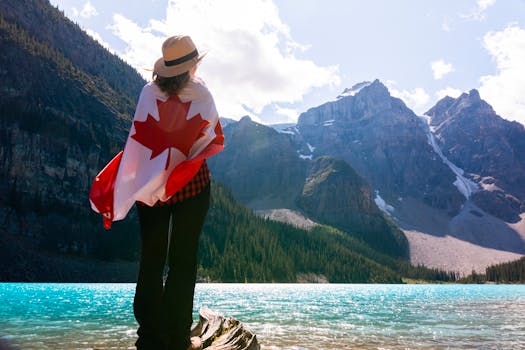
Blonde woman with closed eyes holding Canada flag symbolizing pride and celebration. Photo: Alesia Kozik / Pexels
Embarking on a Canadian adventure begins long before you set foot on its majestic soil. For first-time visitors, understanding Canada's entry requirements is paramount. The primary document you'll need is a valid passport. Ensure your passport is valid for at least six months beyond your intended departure date from Canada. This is a standard international travel recommendation that can save you a lot of grief at the border. Beyond the passport, many visitors will also require an Electronic Travel Authorization (eTA) or a visitor visa. The eTA is a digital travel document that most visa-exempt foreign nationals need to fly to or transit through Canada by air. It's electronically linked to your passport and is valid for up to five years or until your passport expires, whichever comes first. Applying for an eTA is a straightforward online process, costing a nominal fee, and approval often comes within minutes, though it's always wise to apply a few days or weeks in advance, just in case. For citizens of countries that are not visa-exempt, a traditional visitor visa is necessary. This process is more involved, requiring an application form, supporting documents, and potentially an interview at a Canadian embassy or consulate in your home country. The processing times for visitor visas can vary significantly, so it's crucial to apply several months before your planned travel date. Remember to check the official Government of Canada website for the most up-to-date and accurate information regarding visa exemptions and requirements based on your nationality. Don't rely on third-party sites for this critical information. Additionally, all travelers should be prepared to declare any goods they are bringing into Canada. There are strict rules regarding certain items, such as firearms, food products, and large quantities of alcohol or tobacco. Familiarize yourself with these regulations to avoid delays or penalties at customs. Finally, consider travel insurance. While not an entry requirement, comprehensive travel insurance is highly recommended. Canadian healthcare can be expensive for non-residents, and insurance can cover unexpected medical emergencies, trip cancellations, or lost luggage. For more detailed information on securing your travel documents, consult our guide on international travel essentials.

Choosing Your Canadian Adventure: Regions and Highlights

Scenic landscape of the majestic Rocky Mountains in Banff, Alberta, Canada. Photo: Ali Kazal / Pexels
Canada is a country of immense geographical and cultural diversity, offering a different experience in every province and territory. Deciding where to go for your first visit is perhaps the most exciting, yet challenging, part of planning. For many first-timers, the classic East-West itinerary is appealing, often focusing on the major cities and natural wonders. In Eastern Canada, the provinces of Ontario and Quebec are popular choices. Toronto, Ontario's capital, is a vibrant, multicultural metropolis known for its iconic CN Tower, diverse culinary scene, and proximity to Niagara Falls, a natural wonder that truly lives up to its hype. Montreal, Quebec, offers a distinctly European charm with its historic Old Montreal, vibrant arts scene, and delicious French-Canadian cuisine. Quebec City, with its fortified walls and historic architecture, feels like stepping back in time. Further east, the Maritime provinces of Nova Scotia, New Brunswick, and Prince Edward Island offer rugged coastlines, charming fishing villages, and a rich Celtic heritage. Here, you can enjoy fresh seafood, explore picturesque lighthouses, and experience genuine hospitality. Moving westward, the Prairie provinces of Manitoba, Saskatchewan, and Alberta present a different kind of beauty. Alberta is home to the majestic Canadian Rockies, including Banff and Jasper National Parks, which boast turquoise lakes, towering peaks, and abundant wildlife. These parks are a paradise for hikers, photographers, and anyone seeking breathtaking natural beauty. Vancouver, British Columbia, on the west coast, offers a stunning blend of urban sophistication and natural splendor, with mountains, ocean, and a thriving city culture all within easy reach. Nearby, Vancouver Island provides opportunities for whale watching, exploring ancient rainforests, and enjoying a more relaxed pace. The Yukon, Northwest Territories, and Nunavut, Canada's northern territories, offer truly unique experiences like viewing the Northern Lights, exploring vast wilderness, and learning about Indigenous cultures, though these regions typically require more specialized planning and a larger budget. Consider the time of year you plan to visit, as each region offers distinct seasonal attractions. Summer (June-August) is ideal for outdoor activities and national park visits, while fall (September-October) brings spectacular foliage, especially in Eastern Canada. Winter (December-March) transforms much of the country into a snowy wonderland, perfect for skiing and winter sports enthusiasts. Spring (April-May) is a transitional period, good for city breaks and experiencing the thaw. Your interests, budget, and the length of your trip will ultimately guide your choice of regions. Don't try to see everything in one go; Canada is best savored one region at a time. A well-planned itinerary is key to a fulfilling trip.

Getting Around Canada: Transportation and Logistics

Snow-covered forest and mountains with a red train in Banff, Canada, capturing winter's beauty. Photo: Ali Kazal / Pexels
Canada's immense size means that transportation will be a significant aspect of your travel planning. Unlike some European countries where train travel between major cities is quick and efficient, distances in Canada can be vast, making domestic flights a common necessity for covering long distances. If you're planning to explore different regions, say from Toronto to Vancouver, flying is almost always the most practical and time-efficient option. Canada has several major airlines, including Air Canada and WestJet, offering extensive domestic networks. Booking flights in advance can help secure better fares. For shorter distances, particularly within a province or between neighboring cities, buses can be a more economical alternative. Companies like Greyhound (though its intercity service has scaled back significantly in recent years, local operators have filled some gaps) and regional bus lines connect many communities. However, bus travel can be slow and may not reach more remote destinations. Renting a car offers unparalleled freedom and flexibility, especially if you plan to explore national parks, rural areas, or embark on a scenic road trip. Roads in Canada are generally well-maintained, and signage is clear. However, be aware of seasonal conditions, particularly in winter when snow and ice can make driving challenging in many regions. Rental car agencies are available at all major airports and cities. Ensure you have a valid driver's license (an international driving permit is recommended if your license is not in English or French) and understand the insurance options. Gas prices can fluctuate, and distances between towns can be significant, so plan your fuel stops accordingly. For urban exploration, Canada's major cities boast efficient public transit systems, including subways, buses, and streetcars. Purchasing a day pass or multi-day pass is often the most cost-effective way to get around cities like Toronto, Montreal, and Vancouver. Taxis and ride-sharing services like Uber and Lyft are also widely available in metropolitan areas. VIA Rail Canada operates the national passenger rail network, offering a more scenic and relaxed way to travel. While not always the fastest option, it provides a unique perspective on the Canadian landscape, especially the iconic 'Canadian' route from Toronto to Vancouver. This is more of a journey experience than a quick transit option. For those seeking adventure, consider ferries, particularly to Vancouver Island or exploring the coastal regions of the Maritimes. These offer beautiful views and a different mode of transport. No matter your chosen method, always factor in ample travel time, especially for inter-city journeys. Canada's landscapes are breathtaking, and enjoying the journey is as much a part of the experience as the destination itself. For tips on navigating airport security and customs, check our dedicated article.

Essential Tips for a Smooth First-Time Canada Trip

To ensure your first Canadian adventure is as smooth and enjoyable as possible, here are some crucial tips: * **Embrace the Weather:** Canada's weather can be unpredictable and varies wildly by region and season. Always check the forecast for your specific destinations and pack layers. Even in summer, evenings can be cool, especially in mountainous or coastal areas. In winter, be prepared for extreme cold, snow, and ice, with appropriate warm clothing, waterproof gear, and insulated footwear. * **Mind the Distances:** Canada is vast. Do not underestimate travel times between cities or attractions. What looks like a short hop on a map can easily be a full day's drive or require a domestic flight. Focus on exploring one or two regions thoroughly rather than trying to see the entire country in a short visit. * **Learn Basic French (in Quebec):** While English is widely spoken across Canada, Quebec is predominantly French-speaking. Learning a few basic French phrases like 'Bonjour' (hello), 'Merci' (thank you), and 'Parlez-vous anglais?' (Do you speak English?) will go a long way in showing respect and enhancing your experience in the province. * **Tipping Culture:** Tipping is customary in Canada for service industries. Expect to tip 15-20% for good service at restaurants, bars, and for taxi drivers. Hotel staff (bellhops, housekeepers) and tour guides also appreciate tips. Factor this into your budget. * **Stay Connected:** Consider purchasing a local SIM card or an eSIM plan upon arrival to avoid expensive roaming charges. This will allow you to use navigation apps, stay in touch, and access information on the go. Wi-Fi is generally available in hotels, cafes, and public spaces in cities. * **Wildlife Awareness:** If you're exploring national parks or rural areas, be aware of wildlife. Never approach or feed wild animals. Carry bear spray and know how to use it if hiking in bear country. Always store food securely to avoid attracting animals. * **Sales Tax:** Be aware that prices displayed on menus or in stores typically do not include sales tax. Canada has a Goods and Services Tax (GST), and some provinces also have a Provincial Sales Tax (PST) or a Harmonized Sales Tax (HST). This will be added at the point of purchase, so factor it into your budgeting. * **Book Accommodations and Popular Attractions in Advance:** Especially during peak season (summer and holidays), popular hotels, national park campsites, and sought-after tours can book up quickly. Secure your reservations well in advance to avoid disappointment. * **Emergency Services:** The emergency number for police, fire, and ambulance services across Canada is 911. It's free to call from any phone, including cell phones. * **Hydration and Sun Protection:** Even on cool days, the Canadian sun can be strong, especially at higher altitudes or near water. Stay hydrated and use sunscreen, sunglasses, and hats. In winter, proper hydration is also important, as the dry air can be dehydrating. By keeping these tips in mind, you'll be well-prepared to enjoy all the incredible experiences Canada has to offer on your first visit.

Comparison

FeatureEast Coast AdventureWest Coast WildernessCentral City Break
Best ForHistory, Coastal Scenery, Quaint TownsMountains, Ocean, Outdoor SportsCulture, Nightlife, Diverse Cuisine
Typical ActivitiesWhale watching, exploring historic sites, seafoodHiking, skiing, surfing, wildlife viewingMuseums, fine dining, shopping, festivals
Major CitiesHalifax, Quebec City, MontrealVancouver, Victoria, CalgaryToronto, Ottawa
Average Budget (per day)CAD 150-250CAD 200-350CAD 180-300
Best SeasonSummer, FallSummer, WinterSpring, Fall
Public TransportLimited outside major citiesExcellent in Vancouver, VictoriaExcellent in Toronto, Montreal
Road Trip Potential

What Readers Say

"This Canada travel guide for first timers was an absolute lifesaver! It walked me through everything from eTA applications to packing tips. I felt so prepared for my trip to the Rockies."

Sarah L. · London, UK

"As a first-time visitor, I was overwhelmed by Canada's size. This guide helped me narrow down my focus to Quebec and Ontario, making my itinerary manageable and incredibly rewarding. Highly recommend!"

Marco P. · Rome, Italy

"Thanks to this Canada travel guide for first timers, I avoided common mistakes like underestimating travel times and forgetting local taxes. My trip went off without a hitch, and I had the most amazing time in Vancouver and Banff."

Emily R. · Sydney, Australia

"The guide was very comprehensive, especially on visa requirements. I wish there had been a bit more detail on specific budget-friendly accommodation options, but overall, it was an excellent resource for my cross-Canada journey."

David K. · Berlin, Germany

"Coming from a different cultural background, this guide's section on tipping and local customs was invaluable. It helped me navigate social interactions confidently and enjoy my visit to Toronto and Montreal immensely."

Chen W. · Shanghai, China

Frequently Asked Questions

What is the best time of year for first-time visitors to Canada?

The best time largely depends on what you want to experience. Summer (June-August) is popular for outdoor activities and warm weather across most regions. Fall (September-October) offers stunning foliage, especially in Eastern Canada, and pleasant temperatures. Winter (December-March) is ideal for winter sports and seeing the Northern Lights, while spring (April-May) is a quieter time for city exploration and nature's reawakening.

Is Canada safe for solo first-time travelers?

Yes, Canada is generally considered very safe for solo travelers, including first-timers. Major cities have low crime rates, and public transport is reliable. However, like any travel, it's always wise to exercise common sense, be aware of your surroundings, and inform someone of your itinerary, especially if venturing into remote areas.

How do I apply for an eTA or visitor visa for Canada?

You apply for an eTA online through the official Government of Canada website. It's a quick process. For a visitor visa, you'll also apply through the official government site, but it's a more involved process requiring documents and potentially an interview at a Canadian embassy or consulate. Always use official government channels to avoid scams.

What is the average cost of a first-time trip to Canada?

The cost varies significantly based on your travel style, duration, and chosen regions. A moderate budget for a first-time visitor might range from CAD 150-350 per person per day, covering accommodation, food, transportation, and some activities. Flights to Canada and major tours are additional. Western Canada and major cities tend to be pricier.

How does Canada compare to the USA for first-time international travelers?

Canada generally offers a more relaxed pace and a strong emphasis on nature and outdoor activities. It's often perceived as slightly safer and more multicultural, with two official languages. The USA has a wider range of climates and attractions but can feel more intense. Both offer diverse experiences, but Canada provides a distinct blend of urban sophistication and vast wilderness.

Who should definitely use this Canada travel guide for first timers?

This guide is specifically designed for anyone planning their very first trip to Canada, regardless of their origin country. It's particularly useful for those who feel overwhelmed by the planning process, are unsure about entry requirements, or want to maximize their experience while avoiding common pitfalls. It's also beneficial for travelers who prefer a structured and comprehensive approach to trip planning.

What are the common health and safety concerns for first-time visitors?

Common concerns include adapting to Canada's diverse weather, potential wildlife encounters in natural areas (especially bears), and understanding local emergency procedures. It's crucial to have travel insurance for medical emergencies, stay hydrated, dress in layers, and be respectful of nature. Tap water is safe to drink across the country.

What future travel trends might impact a first-time visit to Canada?

Future trends may include an increased focus on sustainable and eco-tourism, with more emphasis on responsible travel practices and Indigenous tourism experiences. Digitalization of travel documents and enhanced connectivity in remote areas could also improve the travel experience. Expect more personalized and curated travel packages catering to specific interests.

Ready to embark on an extraordinary journey? This Canada travel guide for first timers is your essential companion. Start planning your unforgettable Canadian adventure today and discover the magic of this incredible country!

Topics: Canada travel guide for first timersplanning Canada tripfirst time Canada visitorCanada itinerarytravel to Canada tips
Leo List
Brampton weed
Adultwork