Your Ultimate Canada Tourist Attractions Map Guide
Canada tourist attractions map

Your Ultimate Canada Tourist Attractions Map Guide

Yellow map of Canada with a blue pin marking a location.Photo: Beate Vogl / Pexels

Your Ultimate Canada Tourist Attractions Map Guide

Uncover the breathtaking beauty and diverse experiences Canada offers, meticulously mapped for your perfect journey.

Start Your Adventure

Key Takeaways

  • ✓ Canada is the world's second-largest country by total area, offering vast diversity.
  • ✓ It boasts 38 National Parks and 10 National Park Reserves, protecting incredible natural beauty.
  • ✓ From coast to coast, Canada features six time zones, reflecting its immense size.
  • ✓ Canadian culture is a vibrant mosaic, influenced by Indigenous, French, and British heritage.

How It Works

1
Explore Regions

Dive into specific Canadian provinces and territories. Discover unique attractions and regional highlights that define each area.

2
Filter by Interest

Tailor your search by selecting categories like nature, history, urban, or adventure. Find attractions that perfectly match your travel style.

3
View Detailed Spotlights

Click on any map marker to access in-depth information about an attraction. Learn about its history, activities, and best times to visit.

4
Build Your Itinerary

Save your favorite destinations to create a personalized travel plan. Optimize routes and discover nearby hidden gems for a seamless trip.

Navigating Canada's Natural Wonders: A Scenic Tour
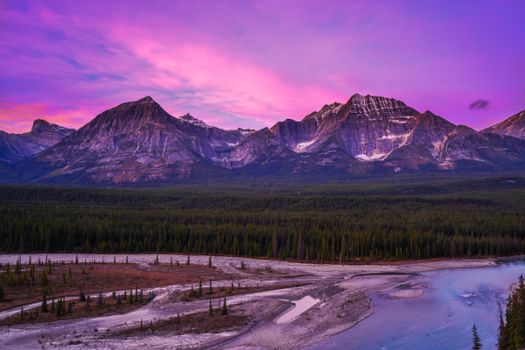
Breathtaking view of the Canadian Rockies at sunset with a vibrant purple sky.Photo: Nunzio Guerrera / Pexels
Canada, a land of unparalleled natural beauty, offers an extraordinary array of landscapes that captivate every traveler. From the rugged coastlines of the Maritimes to the majestic peaks of the Rocky Mountains and the pristine wilderness of the Arctic, a Canada tourist attractions map is your essential companion for exploring these wonders. Each region presents a distinct ecological tapestry, inviting exploration and adventure. In British Columbia, the dramatic collision of mountains and ocean creates stunning fjords, lush rainforests, and vibrant marine life, making places like Vancouver Island and the Pacific Rim National Park Reserve must-sees. The Canadian Rockies, spanning Alberta and British Columbia, are perhaps the most iconic, featuring turquoise lakes such as Lake Louise and Moraine Lake, towering glaciers, and abundant wildlife. Banff and Jasper National Parks are world-renowned for their accessibility and breathtaking vistas, offering opportunities for hiking, skiing, and wildlife viewing. Further east, the Canadian Prairies, while often overlooked, offer a unique beauty with their vast skies, golden fields, and significant paleontological sites like Dinosaur Provincial Park in Alberta. Manitoba’s Churchill is famously known as the 'Polar Bear Capital of the World,' providing an exceptional opportunity to witness these magnificent creatures in their natural habitat. Ontario and Quebec boast their own natural marvels, from the thundering spectacle of Niagara Falls, a global icon, to the expansive forests and serene lakes of Algonquin Provincial Park and Mont-Tremblant National Park. The Atlantic provinces, with their maritime charm, feature dramatic sea cliffs, sandy beaches, and picturesque fishing villages. Gros Morne National Park in Newfoundland and Labrador, a UNESCO World Heritage site, showcases a unique geological landscape, including a fjord that rivals those of Norway. Even the Canadian Arctic, with its ethereal beauty of ice, tundra, and the Northern Lights, offers an experience unlike any other, albeit requiring more specialized travel planning. Understanding the geographical distribution of these natural wonders on a map allows travelers to efficiently plan routes, considering the vast distances and diverse climates. Whether you're seeking adrenaline-pumping adventures or tranquil moments in nature, Canada's natural attractions provide an endless source of inspiration and unforgettable memories.

Uncovering Canada's Rich History and Culture

A man walking by a motorcycle on a shadowy street in Old Montreal with historic facades.Photo: Lester Rojas / Pexels
Beyond its natural splendor, Canada is a country steeped in a rich and diverse history, reflected in its vibrant cultural sites and historical landmarks. A comprehensive Canada tourist attractions map reveals a narrative woven from Indigenous heritage, French and British colonial influences, and subsequent waves of immigration. From coast to coast, historical sites offer glimpses into the nation's past, shaping its present identity. In Quebec, the historic district of Old Quebec City, a UNESCO World Heritage site, stands as a testament to its French colonial roots. Its cobblestone streets, fortified walls, and European-style architecture transport visitors back in time, offering a truly immersive historical experience. The Plains of Abraham, site of a pivotal battle between the French and British, is now a beautiful urban park with significant historical importance. Montreal, another major Quebec city, blends old-world charm with modern vibrancy, featuring historical sites like Notre-Dame Basilica and the Pointe-à-Callière Archaeology and History Complex. Ontario's historical landscape includes Upper Canada Village, a living history museum depicting rural life in the 1860s, and the numerous War of 1812 sites, such as Fort George in Niagara-on-the-Lake. Ottawa, the nation's capital, is home to Parliament Hill, a stunning architectural marvel and the heart of Canadian democracy, alongside numerous national museums that chronicle Canadian history, art, and natural sciences. The Atlantic provinces boast a maritime history rich with tales of explorers, fisheries, and shipbuilding. Halifax's Citadel Hill National Historic Site in Nova Scotia offers a fascinating look into 19th-century military life, while the Fortress of Louisbourg National Historic Site on Cape Breton Island reconstructs an entire 18th-century French fortified town. In Western Canada, the history shifts to the fur trade, early settlements, and the stories of the First Nations. The Head-Smashed-In Buffalo Jump in Alberta, another UNESCO site, provides profound insight into the hunting practices and culture of the Indigenous peoples of the plains. Vancouver's Gastown district retains its Victorian charm and tells the story of the city's early beginnings. Across the country, numerous museums, galleries, and cultural centers celebrate Canada's multicultural tapestry, highlighting Indigenous art, French-Canadian traditions, and the contributions of immigrant communities. Exploring these historical and cultural sites allows visitors to connect deeply with the essence of Canada, understanding the forces that shaped this diverse and welcoming nation.

Urban Adventures and Unique Experiences Across Canada
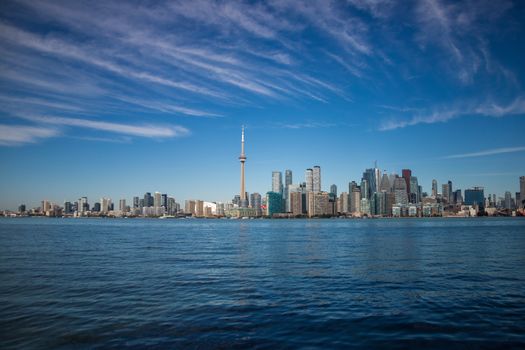
Scenic view of Toronto city skyline featuring the CN Tower and waterfront under a clear blue sky.Photo: Isnar Silva / Pexels
Beyond its stunning natural landscapes and rich historical tapestry, Canada offers a plethora of vibrant urban centers and unique experiences that cater to every interest. A well-utilized Canada tourist attractions map will highlight not just the iconic landmarks but also the hidden gems within its bustling cities and charming towns. Each urban hub boasts its own distinct character, from the cosmopolitan energy of Toronto to the laid-back West Coast vibe of Vancouver and the European flair of Montreal. Toronto, Canada's largest city, is a melting pot of cultures, offering world-class dining, shopping, and entertainment. The CN Tower provides panoramic views of the city and Lake Ontario, while the Royal Ontario Museum and Art Gallery of Ontario house impressive collections. Its diverse neighborhoods, such as Kensington Market and the Distillery District, offer unique cultural experiences and culinary delights. Montreal, with its bilingual charm, is a hub for arts and culture, known for its vibrant festivals, impressive architecture, and delectable cuisine. Exploring Old Montreal, visiting the iconic Notre-Dame Basilica, or wandering through the underground city are quintessential Montreal experiences. Vancouver, nestled between mountains and ocean, offers a perfect blend of urban sophistication and outdoor adventure. Stanley Park, one of North America's largest urban parks, provides stunning views and recreational opportunities. Granville Island Market is a foodie's paradise, and the city's diverse culinary scene is not to be missed. Calgary, known for its Stampede, offers a gateway to the Rockies and a vibrant cowboy culture, while Edmonton boasts North America's largest shopping mall, West Edmonton Mall, and a thriving arts scene. On the East Coast, Halifax, Nova Scotia, charms with its historic waterfront, lively pubs, and fresh seafood, while St. John's, Newfoundland and Labrador, is one of North America's oldest cities, famous for its colorful houses, rugged coastline, and unique cultural identity. Beyond the major cities, Canada offers countless niche experiences. Imagine whale watching off the coasts of British Columbia or Newfoundland, exploring ice caves in the Rockies, or experiencing Indigenous cultural ceremonies in various communities. Food tours, craft beer trails, and wine regions (like Niagara-on-the-Lake and Okanagan Valley) offer culinary delights. For adventure seekers, there's heli-skiing, whitewater rafting, and kayaking in pristine waters. The diverse range of urban attractions and unique activities ensures that every traveler can craft an itinerary that speaks to their personal interests, making every trip to Canada an unforgettable adventure.

Essential Tips for Planning Your Canada Tourist Attractions Map Journey
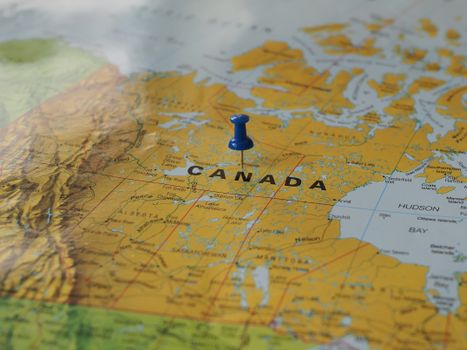
Yellow map of Canada with a blue pin marking a location.Photo: Beate Vogl / Pexels
Planning a trip across a country as vast and diverse as Canada requires careful consideration to maximize your experience. Utilizing a Canada tourist attractions map effectively is key, but here are some essential tips to ensure a smooth and enjoyable journey: * **Embrace Regional Exploration:** Canada is immense. Instead of trying to see everything in one go, focus on a specific region or two (e.g., the Rockies, Atlantic Canada, Quebec-Ontario corridor). This allows for deeper immersion and less travel time. Consider domestic flights for long distances between regions. * **Understand Seasonal Variations:** Canada experiences four distinct seasons, each offering different attractions and challenges. Summer (June-August) is ideal for outdoor activities, but also peak tourist season. Fall (September-October) brings stunning foliage, especially in Eastern Canada. Winter (November-March) is perfect for skiing and Northern Lights, but requires preparation for cold weather. Spring (April-May) is a shoulder season with fewer crowds and blooming landscapes. * **Transportation is Key:** Canada's public transport system varies greatly by region. While major cities have good transit, exploring national parks or rural areas often requires a car. Consider renting a car, especially for road trips along scenic routes like the Icefields Parkway. For longer distances, VIA Rail offers a unique way to see the country, and domestic flights are efficient. * **Book Accommodations in Advance:** Especially during peak season or for popular national parks, accommodations can book up quickly. This applies to everything from luxury hotels to campsites. Planning ahead ensures you get your preferred lodging at a reasonable price. * **Budget Wisely:** Canada can be an expensive destination, particularly for accommodation and transportation. Factor in costs for park passes (e.g., Parks Canada Discovery Pass), attraction entry fees, and dining. Look for deals and consider cooking some of your meals if staying in self-catering accommodations. * **Pack Appropriately:** Due to diverse climates and activities, layering is always recommended. Even in summer, evenings can be cool. If visiting multiple regions, research the expected weather for each. Don't forget comfortable walking shoes, rain gear, and sun protection. * **Respect Nature and Local Culture:** When visiting natural areas, adhere to 'Leave No Trace' principles. Be aware of wildlife and maintain a safe distance. Canada is a multicultural nation; be respectful of local customs and Indigenous traditions. Learning a few basic French phrases can be appreciated in Quebec. * **Stay Connected:** While many areas have good cell service, remote regions may not. Consider downloading offline maps and important travel documents. Wi-Fi is generally available in urban areas and accommodations. By keeping these tips in mind, your journey across Canada, guided by your meticulously planned tourist attractions map, will be an adventure filled with wonder and cherished memories.

Comparison

FeatureBest OptionAlternative 1Alternative 2
Best Time to VisitSummer (June-Aug)Fall (Sept-Oct)Winter (Dec-Feb)
Primary TransportationRental CarDomestic FlightsVIA Rail
Budget LevelMid-Range to HighBudget (Camping/Hostels)Luxury
Nature Exploration
Urban Exploration
Historical Sites

What Our Readers Say

5 ★★★★★

"This Canada tourist attractions map was invaluable for planning our two-week road trip through the Rockies. We discovered so many hidden gems we wouldn't have found otherwise, and the detailed descriptions helped us prioritize our stops. Truly a game-changer!"

5 ★★★★★

"As a first-time visitor to Canada, the comprehensive nature of this guide was a lifesaver. It helped me visualize the vast distances and group attractions logically, making my trip from Toronto to Montreal seamless and incredibly enjoyable."

5 ★★★★★

"We used this map to plan our family vacation to Atlantic Canada. The insights on family-friendly activities and seasonal tips were spot on, resulting in a perfectly balanced trip that everyone loved, from hiking to whale watching."

4 ★★★★☆

"While excellent for major attractions, I wished there were more details on less-known, very local spots. However, for a broad overview and planning core routes, this Canada tourist attractions map is exceptionally useful and well-researched."

5 ★★★★★

"Coming from Australia, the sheer scale of Canada was daunting. This guide helped break down the country into manageable regions and gave fantastic recommendations for both nature and city experiences. Our trip to British Columbia was flawless thanks to this resource."

Frequently Asked Questions

What are the must-see attractions on a Canada tourist attractions map?
Canada offers a diverse range of attractions. Must-sees often include the Canadian Rockies (Banff, Jasper), Niagara Falls, Old Quebec City, Vancouver's Stanley Park, and the iconic CN Tower in Toronto. For natural beauty, Gros Morne National Park and the Bay of Fundy are also highly recommended, depending on your interests and travel region.
Is Canada safe for tourists, and how does that affect using a tourist map?
Canada is generally considered a very safe country for tourists. Using a tourist map helps you navigate safely and stay aware of your surroundings, especially in urban areas or when exploring remote natural sites. Always exercise standard travel precautions, such as safeguarding valuables and informing someone of your itinerary, especially for backcountry adventures.
How do I use a digital Canada tourist attractions map for offline navigation?
Most modern digital maps (like Google Maps or Maps.me) allow you to download entire regions for offline use. Before your trip, ensure you've downloaded the relevant areas of Canada. This is crucial for navigating in national parks or remote areas where cell service might be limited, ensuring you always have access to your planned routes and attraction details.
What's the typical cost for visiting major attractions shown on a Canada tourist attractions map?
The cost varies significantly. Many natural attractions, like national parks, require a Parks Canada Discovery Pass (around CAD$75.25 for an adult annual pass or CAD$145.25 for a family/group). Urban attractions like the CN Tower or museums can range from CAD$20-50 per person. Budgeting for these entry fees is essential when planning your trip.
How does a Canada tourist attractions map compare to just using a GPS or general map app?
While GPS or general map apps provide navigation, a specialized Canada tourist attractions map offers curated information specific to tourist interests. It highlights key landmarks, includes descriptions, suggests itineraries, and often provides practical tips (e.g., best time to visit, accessibility) that a standard mapping app might lack, making your planning more efficient and informed.
Who should use a detailed Canada tourist attractions map?
Anyone planning to explore Canada, whether for a short city break or an extensive multi-province adventure, will benefit from a detailed map. It's particularly useful for first-time visitors, those on a self-drive tour, families planning diverse activities, or travelers wanting to discover both popular and off-the-beaten-path attractions efficiently.
Are there any safety concerns when exploring remote areas highlighted on a Canada tourist attractions map?
Yes, when exploring remote areas like national parks or wilderness regions, safety is paramount. Be aware of wildlife (bears, moose), carry appropriate gear, inform someone of your plans, and check trail conditions. Always follow local regulations and heed warnings from park authorities. A detailed map helps you stay on marked trails and understand the terrain.
What future trends might impact how we use a Canada tourist attractions map?
Future trends might include enhanced augmented reality (AR) features on digital maps, allowing for interactive overlays of historical information or wildlife spotting. Personalized AI-driven itinerary suggestions based on real-time data (weather, crowd levels) and improved integration with public transport and sustainable tourism initiatives are also likely to become more prevalent.

Ready to embark on an unforgettable journey? Let our comprehensive Canada tourist attractions map be your guide to discovering the wonders of this magnificent country. Start planning your adventure today and create memories that will last a lifetime.

Topics: Canada tourist attractions mapCanada travel guideCanadian landmarksplan Canada trip
Leo List
Brampton weed
Adultwork