Mastering Canada National Parks Camping Reservations
canada national parks camping reservations

Mastering Canada National Parks Camping Reservations

Your ultimate guide to successfully booking your dream campsite in Canada's breathtaking national parks.

Start Your Adventure

Key Takeaways

  • ✓ Reservations open in January for the upcoming season.
  • ✓ Popular parks and dates sell out in minutes, not hours.
  • ✓ A Parks Canada Discovery Pass is required for entry, not camping.
  • ✓ Cancellation policies vary; always review before booking.

How It Works

1
Research Your Destination

Before booking, identify the national park and specific campgrounds that best suit your travel style and desired activities. Consider factors like amenities, location, and accessibility.

2
Understand Reservation Dates

Parks Canada releases reservation dates for each park and campground in late fall for the following year. Mark these crucial dates on your calendar and set reminders for launch day.

3
Prepare Your Account

Create a Parks Canada online reservation account well in advance of your desired booking date. Familiarize yourself with the interface and ensure all your personal details are up-to-date.

4
Book Strategically

On launch day, log in early, have multiple tabs open for different campgrounds or dates, and be ready to click quickly. Have backup dates and locations in mind if your first choice is unavailable.

Navigating the Parks Canada Reservation System
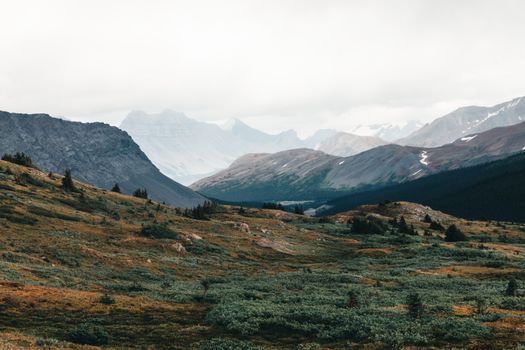
Stunning view of snow-capped mountains and lush green forests in Jasper National Park. Photo: John De Leon / Pexels
Securing a spot in Canada's iconic national parks is a right of passage for many outdoor enthusiasts, and understanding the Canada National Parks camping reservations system is your first critical step. This isn't just about picking a date; it's about strategic planning, quick reflexes, and a little bit of luck. Parks Canada operates a centralized online reservation system that handles bookings for hundreds of campgrounds across its vast network of national parks, national marine conservation areas, and national historic sites. The demand for these prime spots, especially in world-renowned locations like Banff, Jasper, and Pacific Rim, far outstrips supply, making the reservation process highly competitive. The system typically opens for reservations in January for the upcoming summer season, with specific staggered release dates for different parks. This staggered approach is designed to manage server load, but it also means you need to be acutely aware of the exact launch date and time for your desired destination. For instance, reservations for popular Rocky Mountain parks might open on one day, while coastal parks like Pacific Rim or Kouchibouguac might open a week or two later. It's crucial to consult the official Parks Canada website well in advance to pinpoint these dates. Failure to do so could mean missing your window entirely. Before the booking window even opens, it's highly advisable to create an account on the Parks Canada reservation portal. This seemingly minor step can save you precious minutes on launch day. Ensure all your personal information, including billing details, is up-to-date. Nothing is more frustrating than having a perfect campsite in your cart only to be delayed by forgotten passwords or outdated addresses. Familiarize yourself with the interface by doing a 'practice run' for a less popular park or a different season. Understand how to search for sites, apply filters for amenities (e.g., electrical hookup, pull-through, pet-friendly), and navigate the calendar view. This preparation will significantly increase your chances of success when the real booking frenzy begins. Beyond the technical aspects, a deep dive into the specific rules and regulations of each park is paramount. Some parks have specific vehicle length restrictions, generator hours, or bear-proof food storage requirements. Knowing these details beforehand can prevent issues upon arrival. For example, some campgrounds are 'dry' (no hookups), while others offer full services. Understanding the difference will ensure you book a site that matches your equipment and preferences. Additionally, be aware of the maximum length of stay, which often varies by park and campground, typically ranging from 7 to 14 nights. This foundational knowledge forms the bedrock of a successful Canada National Parks camping reservations strategy. For more general travel planning tips, always start with thorough research.

Strategic Planning for High-Demand Parks

Scenic landscape of the majestic Rocky Mountains in Banff, Alberta, Canada. Photo: Ali Kazal / Pexels
When it comes to high-demand parks like Banff, Jasper, Yoho, or Glacier National Park, securing Canada National Parks camping reservations requires more than just being online on time; it demands a strategic, almost military-like approach. These parks are not just popular; they are often listed among the best natural attractions in the world, drawing millions of visitors annually. This intense popularity translates directly into fierce competition for campsites. On reservation launch days, thousands of hopeful campers are simultaneously vying for a limited number of spots, with many prime sites selling out within minutes, sometimes even seconds. Your strategy should begin months before the reservation window opens. First, identify your target park(s) and specific campgrounds within them. Don't just pick 'Banff'; narrow it down to Tunnel Mountain Village I, Two Jack Lakeside, or Lake Louise Campground. Each campground offers a different experience, from proximity to town to lakeside views or more secluded forest settings. Research the exact amenities of each, such as fire pits, washrooms, showers, and proximity to hiking trails. Having a clear idea of your top three to five preferred campgrounds, ranked by priority, is essential. Next, determine your exact travel dates. Be as flexible as possible. If you are rigid about specific dates, your chances decrease significantly. Consider shoulder seasons (late spring or early fall) if your schedule allows, as these times often offer slightly less competition and beautiful weather, albeit with some facilities potentially still closed or operating on reduced hours. Weekdays are generally easier to book than weekends, and early in the season or late in the season often have more availability than the peak summer months of July and August. On the actual booking day, treat it like an Olympic event. Have multiple devices ready – a desktop computer is often preferred for its stability and larger screen, but a tablet or even a smartphone can serve as a backup. Ensure your internet connection is stable and fast. Log into your Parks Canada account at least 15-30 minutes before the reservation time. Have multiple browser tabs open, each loaded with a different campground or a different set of dates for your preferred park. This allows you to quickly jump between options if your first choice is unavailable. Practice navigating the booking system a few times before the actual day so you're not fumbling with menus when the clock starts ticking. Be prepared to be decisive and quick; hesitation can mean losing a site. Have your credit card information readily accessible, or even better, stored securely in your browser's autofill, to expedite the checkout process. This meticulous preparation is the cornerstone of successfully securing those coveted Canada National Parks camping reservations in high-demand areas.

Understanding Different Camping Options and Fees
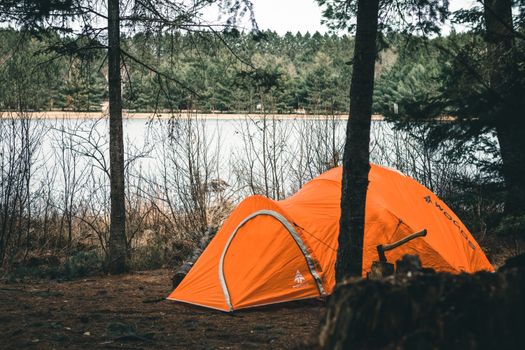
A man sets up a tent in a lush Canadian forest, perfect for summer camping adventures. Photo: Ali Kazal / Pexels
The world of Canada National Parks camping reservations is diverse, offering a range of experiences beyond just a basic tent site. Understanding these options and their associated fees is crucial for planning your perfect wilderness getaway. Parks Canada caters to various preferences, from rustic backcountry adventures to fully serviced RV parks, each with its own booking nuances and cost structure. Frontcountry camping is the most common option, offering drive-in sites with varying levels of amenities. These typically include a picnic table, fire pit, and access to shared washrooms, often with flush toilets and showers. Some frontcountry campgrounds offer 'serviced' sites with electrical hookups, water, and sometimes sewer connections, ideal for RVs. Unserviced sites are generally cheaper. The fees for frontcountry sites vary significantly by park, campground, and the level of service provided. For example, a basic unserviced site might range from $20-$30 CAD per night, while a fully serviced RV site could be $40-$60 CAD per night. These fees are subject to change, so always check the current rates on the Parks Canada website. Beyond frontcountry, Parks Canada also offers unique accommodation experiences. O'TENTiks are a popular glamping option, providing a comfortable blend of tent and cabin. These structures typically include beds, heating, and lighting, offering a step up from traditional tenting without the need for extensive gear. Equipped Campsites are another fantastic option for those without their own gear, providing a tent, sleeping pads, and cooking equipment. These options are often slightly more expensive than basic tent sites but offer incredible convenience. Remember, booking O'TENTiks or Equipped Campsites also falls under the Canada National Parks camping reservations system and can be just as competitive. Backcountry camping, on the other hand, offers a more rugged and immersive experience for hikers and backpackers. These sites are accessible only by foot, paddle, or horse, and require more self-sufficiency. Backcountry permits are often booked separately from frontcountry sites, though still through the Parks Canada reservation system. Fees are typically charged per person per night, plus a reservation fee. Availability for backcountry sites can also be highly competitive, especially for popular multi-day treks. It's important to note that all camping fees are separate from the park entry fee. To access any national park, you will need a Parks Canada Discovery Pass or a daily park pass. The Discovery Pass offers unlimited admission to all national parks for a full year and is often the most cost-effective option for those planning multiple visits or extended stays. Always factor in both camping fees and park entry fees when budgeting for your trip. Understanding these various options and their associated costs will enable you to make informed Canada National Parks camping reservations that align with your adventure style and budget. For more details on park passes and fees, check the official Parks Canada website.

Tips, Tricks, and Common Mistakes to Avoid

A couple enjoys a coastal view in Portugal, sitting by their camper van. Photo: Kampus Production / Pexels
Successfully navigating Canada National Parks camping reservations often comes down to insider knowledge and avoiding common pitfalls. Here are some essential tips and tricks, along with mistakes to steer clear of: **Tips and Tricks:** * **Be Flexible with Dates:** If your schedule allows, consider booking during shoulder seasons (May-June, September-October) or weekdays. You'll encounter fewer crowds and better availability. * **Have Backup Plans:** Always have at least two or three alternative campgrounds or dates in mind. If your top choice sells out instantly, you can quickly pivot to your second option. * **Use Multiple Browsers/Devices:** On launch day, have tabs open for different campgrounds or dates across various browsers (Chrome, Firefox, Edge) or even different devices. This can sometimes give you a slight edge. * **Practice with the System:** Before the reservation window opens, do a dummy run on the Parks Canada website for a less popular park or a past season. Familiarize yourself with the click path. * **Check for Cancellations:** Don't give up if you miss out initially. People cancel reservations all the time. Check the Parks Canada website frequently for last-minute availability, especially in the weeks leading up to your desired dates. * **Consider First-Come, First-Served (FCFS) Sites:** Some parks offer a limited number of FCFS sites. While these require more spontaneity and often involve arriving early in the morning, they can be a lifesaver if you can't get a reservation. Research which parks offer these and their specific rules. * **Book Your Park Pass Separately:** Remember that a camping reservation does not include your park entry fee. Purchase your Discovery Pass or daily pass in advance to save time upon arrival. **Common Mistakes to Avoid:** * **Waiting Until the Last Minute:** This is the most common mistake. Popular sites for Canada National Parks camping reservations sell out months in advance, often within minutes of opening. * **Not Creating an Account in Advance:** Fumbling with account creation or password resets on booking day will cost you valuable time and likely your desired site. * **Ignoring Park-Specific Rules:** Each park and even each campground can have unique rules regarding generators, pet policies, quiet hours, and vehicle length. Not knowing these can lead to fines or an uncomfortable stay. * **Underestimating Demand:** Even seemingly less popular parks can fill up quickly during peak season, especially on weekends. Assume demand will be high. * **Forgetting Time Zones:** Reservation times are typically listed in the park's local time. If you're booking from a different time zone, ensure you convert correctly. * **Booking the Wrong Site Type:** Double-check whether you're booking an unserviced, electrical, or full-service site to ensure it matches your equipment (tent, small RV, large RV). * **Not Confirming Your Reservation:** Always ensure you receive a confirmation email and keep it accessible for your trip.

Comparison

FeatureFrontcountry ReservedO'TENTik/Equipped SiteBackcountry PermitFrontcountry FCFS
Booking MethodOnline ReservationOnline ReservationOnline ReservationOn-Site Arrival
AmenitiesVaries (basic to full hookups)Beds, heating, lightVery basic (outhouse)Varies (basic to full hookups)
Gear NeededTent/RVMinimalExtensive (backpacking)Tent/RV
Booking DifficultyHighHighModerateModerate to High (early arrival needed)
Cost (per night)Mid-RangeHigherLower (per person)Mid-Range

What Readers Say

"The Parks Canada reservation system can be intimidating, but following these tips for Canada National Parks camping reservations made all the difference. We snagged a gorgeous spot in Jasper thanks to being prepared and having multiple browser tabs ready. Highly recommend the strategic approach!"

Sarah J. · Toronto, ON

"We used to struggle every year, but this guide on Canada National Parks camping reservations really helped us understand the staggered release dates. We finally got our dream lakeside site in Banff after years of trying. Patience and preparation truly pay off."

Mark D. · Vancouver, BC

"After reading this, I booked an O'TENTik in Riding Mountain National Park. The advice about having my account ready and being flexible with dates was key. The whole process was smooth, and the O'TENTik was fantastic!"

Emily C. · Calgary, AB

"The competition for Canada National Parks camping reservations is intense, especially for peak season. While I didn't get my first choice in Yoho, the advice to have backup options led me to a wonderful alternative. Still an amazing trip, just a different park than planned."

David L. · Montreal, QC

"As an international traveler, understanding the Canada National Parks camping reservations system was daunting. This guide broke it down perfectly, from creating an account to knowing about the different site types. We successfully booked a serviced site for our RV in Waterton Lakes."

Jessica M. · Seattle, WA

Frequently Asked Questions

When do Canada National Parks camping reservations typically open?

Reservations for Canada National Parks usually open in January for the upcoming summer season. Specific dates are staggered by park and announced by Parks Canada in late fall of the preceding year. It's crucial to check the official Parks Canada website for the exact launch dates and times for your desired park.

What if I can't get a reservation for my desired dates or park?

Don't despair! You can often find success by checking frequently for cancellations, especially in the weeks leading up to your desired dates. Also, consider being flexible with your dates (weekdays are easier) or exploring less popular campgrounds or parks. Some parks also offer first-come, first-served sites, though these require early arrival.

How do I create a Parks Canada reservation account?

Visit the official Parks Canada reservation website (reservation.pc.gc.ca). Look for the 'Sign Up' or 'Create Account' option. You'll need to provide your personal details, email address, and create a password. It's highly recommended to do this well in advance of any booking dates to save time.

Are camping fees included in the Parks Canada Discovery Pass?

No, camping fees are separate from the park entry fee. A Parks Canada Discovery Pass (or a daily park pass) is required for entry into any national park, but you will still need to pay an additional fee for your campsite or accommodation. Always factor in both costs when budgeting for your trip.

Can I modify or cancel my Canada National Parks camping reservations?

Yes, you can usually modify or cancel your reservations through your Parks Canada online account, but specific rules and fees apply. Cancellation policies vary by park and how close you are to your arrival date. Be sure to review the terms and conditions carefully before making changes, as some fees may be non-refundable.

Who should prioritize booking Canada National Parks camping reservations?

Anyone planning to camp in popular national parks like Banff, Jasper, Pacific Rim, or Yoho during peak season (June-September) should prioritize making Canada National Parks camping reservations. This is especially true for families, groups, or those with specific dates and site requirements, as availability is extremely limited.

What happens if I arrive without a reservation in a popular park?

Arriving without a reservation in a popular national park during peak season is highly risky and often leads to disappointment. While some parks have a limited number of first-come, first-served sites, these fill up extremely quickly. It's best to have a confirmed reservation or a solid backup plan outside the park.

Are there any apps or tools to help with booking Parks Canada camping?

While Parks Canada has its own mobile-friendly reservation website, there are third-party notification services (often subscription-based) that can alert you to cancellations for specific campgrounds or dates. These can be helpful, but they do not guarantee a booking and you still need to act quickly when notified.

Don't let the competitive nature of Canada National Parks camping reservations deter you from experiencing Canada's natural wonders. With careful planning, strategic execution, and the insights from this guide, your dream camping adventure is well within reach. Start preparing today and embark on an unforgettable journey into the heart of Canada's national parks!

Topics: canada national parks camping reservationsparks Canada bookingwilderness camping Canadanational park campsitesCanadian Rockies camping
Leo List
Brampton weed
Adultwork EstrelaBet Vai de Bet R7 Bet Betão Galera Bet Rainbet Bet9ja Shop SportyBet BetKing Sisal Loto Foot Hollywoodbets YesPlay Odibets RushBet Jugabet BetWarrior BetCity MSport betPawa Fortebet