Your Ultimate Guide to Camping in Yosemite National Park
camping in yosemite national park

Your Ultimate Guide to Camping in Yosemite National Park

Unlock the secrets to securing a spot and maximizing your unforgettable outdoor experience in Yosemite's stunning wilderness.

Plan Your Adventure

Key Takeaways

  • ✓ Yosemite offers 13 campgrounds; 7 require reservations, 3 are first-come, first-served.
  • ✓ Reservations open 5 months in advance, on the 15th of the month at 7 AM PST, and are highly competitive.
  • ✓ Bear canisters are mandatory for food storage in all campgrounds and wilderness areas.
  • ✓ Peak season is May through September, requiring meticulous planning for camping.

How It Works

1
Research & Choose Your Campground

Familiarize yourself with Yosemite's diverse campgrounds, considering factors like location (Valley, Tuolumne Meadows, etc.), amenities, and reservation requirements. Each offers a unique experience, from bustling valley sites to serene high-country spots.

2
Master the Reservation System

Understand the 5-month-in-advance booking window and set multiple alarms for reservation day. Be prepared with your desired dates and alternative choices, as spots fill within minutes of opening.

3
Prepare Your Gear & Itinerary

Gather essential camping equipment, including a tent, sleeping bags, cooking supplies, and a bear-resistant food canister. Plan your daily activities, hikes, and scenic drives to make the most of your time in the park.

4
Arrive & Explore Responsibly

Check in at your campground, set up camp, and familiarize yourself with park regulations, especially regarding food storage and Leave No Trace principles. Immerse yourself in Yosemite's beauty while respecting its fragile ecosystem.

Navigating Yosemite's Campground Landscape
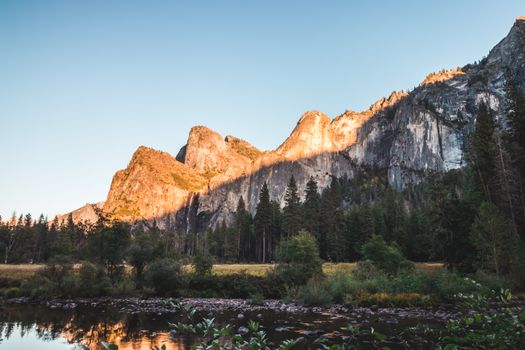
Sunset over Yosemite National Park's majestic mountains reflecting in a serene river. Photo: Anatolii Grytsenko / Pexels
Camping in Yosemite National Park is an unparalleled experience, offering direct immersion into one of nature's grandest cathedrals. However, securing a campsite here is often described as winning the lottery, a testament to the park's immense popularity. Yosemite features 13 distinct campgrounds, each with its own character, location, and accessibility. Understanding these differences is your first critical step towards a successful trip. The most sought-after campgrounds are located within Yosemite Valley – Upper Pines, Lower Pines, and North Pines. These sites offer immediate access to iconic landmarks like El Capitan, Half Dome, and Yosemite Falls, along with convenient access to shuttle stops, shops, and ranger programs. Their central location makes them incredibly convenient for exploring the Valley floor, but also makes them the most competitive to book. For those seeking a higher elevation experience, Tuolumne Meadows Campground, situated along the scenic Tioga Road, provides a different kind of Yosemite magic. Open typically from July to September, it offers access to high-country hiking and a more remote feel. Other campgrounds like Hodgdon Meadow, Crane Flat, and Wawona are located near the park entrances, offering a slightly less crowded experience while still providing relatively easy access to various park attractions. Beyond the reserved campgrounds, Yosemite also offers first-come, first-served options, primarily during the off-season or in specific areas like Camp 4 (for climbers) or portions of Bridalveil Creek and White Wolf. Relying on first-come, first-served can be incredibly risky, especially during peak season, and often requires arriving days in advance or very early in the morning, which might not be feasible for many travelers. Regardless of your chosen campground, familiarizing yourself with its specific rules, amenities (flush toilets vs. vault toilets, potable water, picnic tables, fire rings), and bear locker availability is crucial. All campgrounds within Yosemite require proper food storage in bear-resistant lockers due to the active bear population. Understanding the nuances of each campground will help you set realistic expectations and choose the site that best suits your group's needs and desired Yosemite experience. Don't underestimate the importance of this initial research; it lays the foundation for your entire adventure. For more general travel insights, check out our guide on planning your perfect road trip.

Mastering the Reservation Game for Yosemite Campgrounds
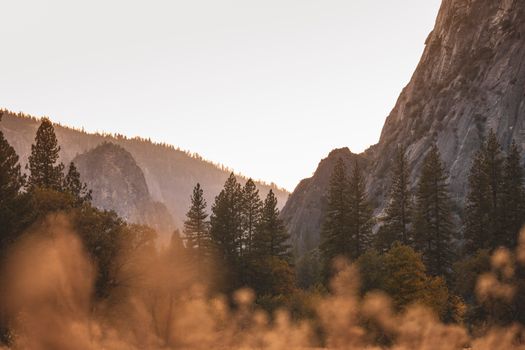
Serene golden hour view of trees and mountains in Yosemite National Park. Photo: Stephen Leonardi / Pexels
Securing a reservation for camping in Yosemite National Park is not for the faint of heart; it's a strategic mission requiring preparation, speed, and a touch of luck. The primary challenge lies in the reservation system: sites become available exactly five months in advance, on the 15th of each month, at 7:00 AM Pacific Standard Time. For example, if you want to camp in July, reservations for the entire month open on February 15th. These prime spots, especially in Yosemite Valley, often sell out within minutes, sometimes even seconds. This means you need to be logged in, ready to click, and have your dates and preferred campground pre-selected well before 7:00 AM. Many seasoned Yosemite campers recommend having multiple tabs open, each set to a different campground or date range, to maximize your chances. It's also wise to have a second choice or even a third choice in mind, as your first preference might be gone before you can even complete the booking. Beyond the initial rush, there are other strategies to consider. Regularly checking the reservation system for cancellations can sometimes yield a last-minute spot. People's plans change, and reserved sites occasionally become available again. While less reliable, it's worth a periodic check if your initial attempt fails. For those who miss the 5-month window, consider camping just outside the park's boundaries. National Forests surrounding Yosemite, like Stanislaus or Sierra National Forests, offer numerous campgrounds, some reservable and some first-come, first-served, which can serve as a base camp for day trips into Yosemite. While not directly within the park, these options provide a viable alternative for experiencing the region's beauty. Additionally, consider visiting during the shoulder seasons (late spring or early fall) when crowds are slightly thinner and reservations might be marginally easier to obtain, though still competitive. Understanding and executing a solid reservation strategy is paramount to successfully camping in Yosemite National Park. It’s a competitive landscape, but with persistence and planning, your dream trip can become a reality.

Essential Gear and Regulations for a Safe Yosemite Camping Trip
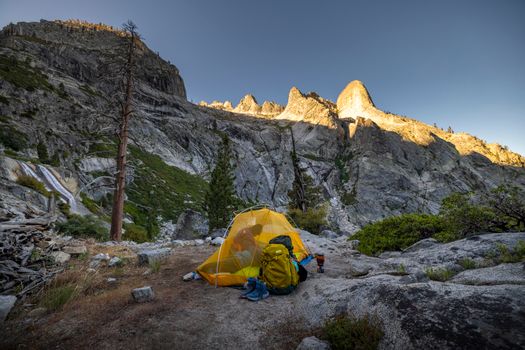
Scenic campsite in Sequoia National Park showcasing mountain peaks at sunrise. Photo: Stephen Leonardi / Pexels
A successful and safe camping trip in Yosemite National Park hinges not only on securing a site but also on meticulous preparation regarding gear and adherence to park regulations. The diverse elevations and microclimates within Yosemite mean weather can change rapidly, from warm sunny days to chilly nights, even in summer. Therefore, packing layers is paramount. Beyond a sturdy tent, comfortable sleeping bags rated for cooler temperatures (even in summer, nights can dip into the 40s), and sleeping pads, there are several non-negotiable items. A bear-resistant food canister or access to a bear locker is mandatory for all food, scented items (like toiletries), and anything with a smell that might attract wildlife. Bears in Yosemite are habituated to human food, and improper storage can lead to severe consequences for both wildlife and visitors. Water purification options (filter, tablets, or boiling) are essential, especially if you plan to hike or backpack away from developed areas. A reliable headlamp or flashlight, first-aid kit, sun protection (hat, sunscreen, sunglasses), and sturdy hiking boots are also critical. Beyond gear, understanding and respecting park regulations is vital. The 'Leave No Trace' principles are strictly enforced: pack out everything you pack in, stay on marked trails, and properly dispose of waste. Campfires are generally permitted in established fire rings, but always check current fire restrictions, especially during dry seasons. Quiet hours are typically enforced between 10 PM and 6 AM, promoting a peaceful environment for all campers. Wildlife viewing is a highlight, but remember to maintain a safe distance and never feed animals. Feeding wildlife can lead to habituation, aggression, and ultimately, harm to the animals. Familiarize yourself with the park's specific rules on pets, drones, and fishing if these activities are part of your plan. Adhering to these guidelines ensures your safety, protects the park's natural resources, and contributes to a positive experience for everyone. For more detailed packing lists, consider consulting comprehensive camping checklists.

Maximizing Your Yosemite Camping Experience: Tips and Common Mistakes
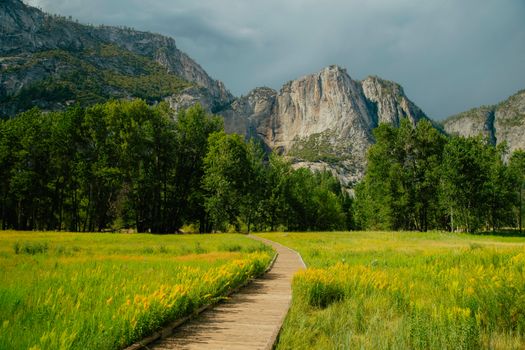
Scenic boardwalk leading through lush meadow towards majestic mountains in Yosemite National Park. Photo: Isaac Garcia / Pexels
To truly make the most of your camping in Yosemite National Park, a few strategic tips can elevate your trip from good to unforgettable, while avoiding common pitfalls can save you significant headaches. **Tips for an Epic Trip:** * **Arrive Prepared:** Beyond reservations, have your park entrance pass ready (or purchase online), download offline maps, and fill up your gas tank before entering the park. Services inside are limited and can be expensive. * **Utilize the Shuttle System:** Especially in Yosemite Valley, the free shuttle bus is your best friend. It reduces traffic congestion, parking stress, and allows you to easily access trailheads and viewpoints without moving your vehicle. * **Hike Early or Late:** To avoid crowds on popular trails like Mist Trail or Lower Yosemite Fall Trail, start your hikes at sunrise or closer to sunset. You'll enjoy cooler temperatures and more solitude. * **Explore Beyond the Valley:** While the Valley is iconic, don't miss out on other areas. Drive up to Glacier Point for breathtaking panoramic views, explore the giant sequoias at Mariposa Grove (reservations often required for parking), or venture to Tuolumne Meadows for a high-country wilderness experience (seasonal). * **Attend Ranger Programs:** Park Rangers offer free, informative programs on geology, wildlife, and history. These are excellent opportunities to learn more about Yosemite and ask questions. **Common Mistakes to Avoid:** * **Underestimating Bear Safety:** This is paramount. Leaving food or scented items unattended, even for a moment, or not storing them properly overnight, is a recipe for a bear encounter and potentially a damaged vehicle or tent. Treat all food and scented items as bear attractants. * **Ignoring Fire Restrictions:** Always check current fire conditions and restrictions. A single ember can spark a devastating wildfire, leading to fines and severe environmental damage. * **Lack of Water:** Dehydration is a real risk, especially during strenuous hikes. Carry plenty of water and know where to refill. Don't rely solely on bottled water; bring a reusable bottle and purification system. * **Over-scheduling:** Yosemite is vast. Trying to see everything in a short trip will lead to exhaustion and a rushed experience. Focus on a few key areas and allow time for spontaneous discoveries and relaxation. * **Disregarding Leave No Trace Principles:** Littering, carving on trees, or disturbing wildlife negatively impacts the park and future visitors. Be a responsible steward of this natural wonder.

Comparison

FeatureUpper Pines CampgroundTuolumne Meadows CampgroundHodgdon Meadow Campground
LocationYosemite ValleyHigh Country (Tioga Road)Near Big Oak Flat Entrance
Reservation DifficultyExtremely HighHighModerate
Access to Valley AttractionsExcellent (Shuttle)Limited (Long Drive)Moderate (Long Drive)
Amenities (Flush Toilets)
Showers Available✗ (Nearby Lodge)✗ (Nearby Lodge)✗ (Nearby Lodge)
Season OpenYear-roundSummer (July-Sept)Spring-Fall
Elevation4,000 ft (1,219 m)8,600 ft (2,621 m)4,100 ft (1,249 m)

What Readers Say

"Camping in Yosemite National Park at Upper Pines was a dream come true! Waking up to Half Dome outside my tent was surreal. The reservation process was tough, but so worth the effort."

Sarah J. · San Francisco, CA

"Tuolumne Meadows offers a completely different, more serene Yosemite experience. The high-country hiking was incredible, and the campground felt much less crowded than the Valley. Remember your bear canister!"

Mark D. · Portland, OR

"After struggling with reservations, we landed a spot at Crane Flat. It was a bit further out, but still gave us easy access to everything, and we saved money. Definitely a great alternative for camping in Yosemite National Park."

Jessica L. · Los Angeles, CA

"Yosemite Valley camping is fantastic for access, but be prepared for crowds, even in the campgrounds. The facilities were clean, but it felt more like a community than a wilderness escape. Still, the views are unmatched."

David K. · Phoenix, AZ

"As a solo female traveler, I felt incredibly safe and welcomed while camping in Yosemite National Park. The ranger programs were a highlight, and the natural beauty is simply overwhelming in the best way."

Emily R. · Denver, CO

Frequently Asked Questions

What is the best time of year for camping in Yosemite National Park?

The best time largely depends on what you want to experience. Late spring (May-June) offers roaring waterfalls and lush greenery. Summer (July-August) provides access to all areas, including Tuolumne Meadows, but with peak crowds. Early fall (September-October) brings beautiful foliage and fewer people, though some high-country roads may close.

How far in advance do I need to book a campsite in Yosemite?

For most popular campgrounds in Yosemite Valley, you need to book exactly five months in advance, on the 15th of the month, at 7:00 AM PST. Spots often sell out within minutes, so be prepared and act quickly.

What should I do if I can't get a reservation for camping in Yosemite National Park?

If you can't secure a reservation, consider checking regularly for cancellations, looking for first-come, first-served campgrounds during the off-season, or booking a campsite in the surrounding National Forests (like Stanislaus or Sierra) and driving into the park for day trips.

How much does it cost to camp in Yosemite National Park?

Campsite fees generally range from $20 to $36 per night, depending on the specific campground and amenities. This does not include the park entrance fee, which is typically $35 per vehicle for a 7-day pass.

Are there showers available at Yosemite campgrounds?

Most campgrounds in Yosemite National Park do not have showers directly at the campsites. Showers are typically available at Curry Village (seasonal) and Yosemite Valley Lodge for a fee, requiring a short drive or shuttle ride from many campgrounds.

Can I bring my pet camping in Yosemite?

Pets are allowed in developed areas, including campgrounds, paved roads, and designated unpaved trails. However, they must be on a leash no longer than six feet and are not permitted on most hiking trails, in wilderness areas, or on shuttle buses. Always check specific park regulations.

What are the rules for food storage to prevent bear encounters?

All food, scented items, and anything that could attract animals must be stored in a hard-sided food locker (bear box) provided at each campsite, or in an approved bear-resistant food canister if backpacking. Never leave food in your tent or vehicle unattended.

Will climate change impact future camping availability or conditions in Yosemite?

Climate change is already impacting Yosemite, with earlier snowmelts, increased wildfire risks, and changes in water levels. Future camping could see longer fire seasons, potential restrictions due to air quality, and shifts in optimal visiting times. Staying informed about park conditions is crucial.

Camping in Yosemite National Park offers an unparalleled opportunity to connect with nature's grandeur. With careful planning, strategic reservations, and adherence to park guidelines, your adventure will be nothing short of magnificent. Start planning your unforgettable Yosemite camping trip today and experience the magic for yourself.

Topics: camping in yosemite national parkyosemite campgroundsyosemite reservationsyosemite camping tipsyosemite valley camping
Leo List
Brampton weed
Adultwork EstrelaBet Vai de Bet R7 Bet Betão Galera Bet Rainbet Bet9ja Shop SportyBet BetKing Sisal Loto Foot Hollywoodbets YesPlay Odibets RushBet Jugabet BetWarrior BetCity MSport betPawa Fortebet