
Ultimate Guide to Camping in Algonquin Provincial Park
Unlock the secrets to an unforgettable wilderness experience in Ontario's iconic Algonquin Provincial Park.
Plan Your AdventureKey Takeaways
- ✓ Algonquin Provincial Park is Ontario's oldest provincial park, established in 1893.
- ✓ It covers over 7,653 square kilometers (2,955 sq mi) of forests, lakes, and rivers.
- ✓ The park offers both developed car camping and extensive backcountry canoe camping opportunities.
- ✓ Reservations are essential, especially for popular periods like summer and fall.
- ✓ Wildlife viewing is a major draw, with moose, bears, and various bird species common.
How It Works
Decide between car camping for convenience and amenities, or backcountry canoe camping for a true wilderness immersion. Each offers a distinct experience within the park.
Research campgrounds or canoe routes, considering your skill level, desired activities, and group size. Check availability and select your preferred dates well in advance.
Book your campsite or backcountry permit through the Ontario Parks reservation system as soon as your plans are firm. Popular sites fill up quickly, sometimes months ahead.
Gather appropriate gear for your chosen camping style, including shelter, cooking equipment, food, and safety items. Review park regulations and pack for varying weather conditions.
Understanding Algonquin's Diverse Camping Opportunities
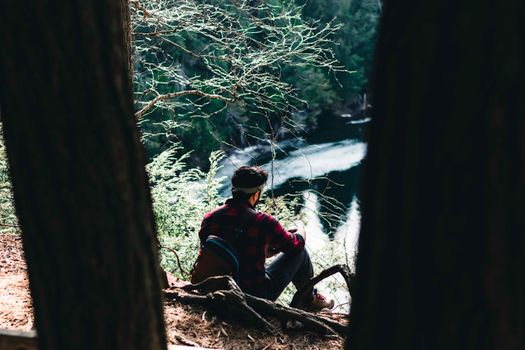 Photo: Ali Kazal / Pexels
Navigating Reservations and Essential Planning for Your Algonquin Trip
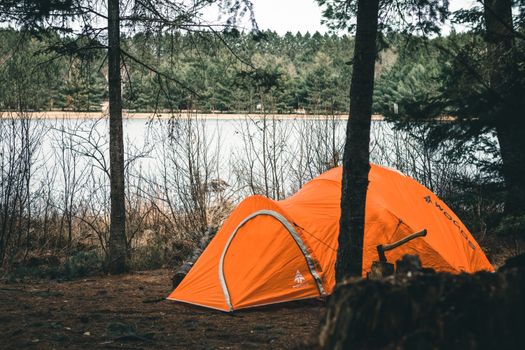 Photo: Ali Kazal / Pexels
Embracing the Wilderness: Activities and Wildlife in Algonquin
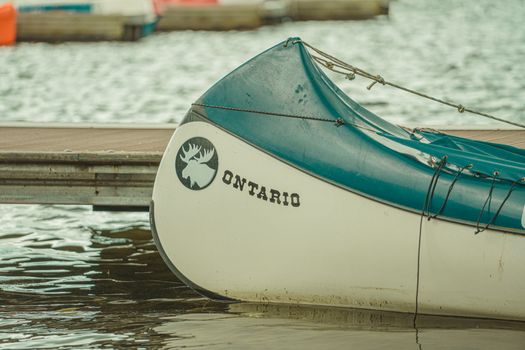 Photo: Robert Schwarz / Pexels
Essential Tips for a Safe and Enjoyable Algonquin Camping Trip
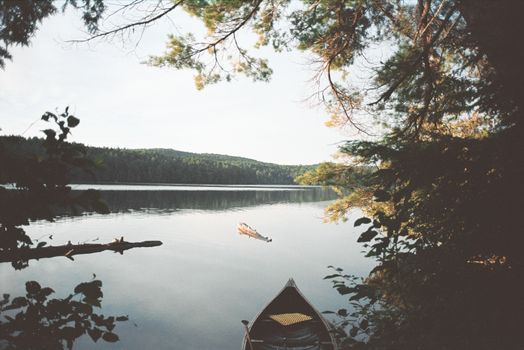 Photo: Andrew Apperley / Pexels
Comparison
| Feature | Car Camping | Backcountry Canoe Camping | Yurt/Cabin Camping |
|---|---|---|---|
| Amenities | High (flush toilets, showers, electricity) | Low (thunderbox, fire pit) | Moderate (bed, heating, shared washrooms) |
| Accessibility | Vehicle access, paved roads | Canoe access, portages | Vehicle access, short walk |
| Privacy/Solitude | Lower (closer to neighbours) | High (remote, secluded sites) | Moderate (designated areas) |
| Gear Required | Standard camping gear, cooler | Lightweight, specialized canoe/portage gear | Minimal camping gear, bedding |
| Skill Level | Beginner to Intermediate | Intermediate to Advanced | Beginner to Intermediate |
| Reservations | Essential, 5 months ahead | Essential, 5 months ahead | Highly competitive, 5 months ahead |
| Wildlife Viewing | Good (moose along HWY 60) | Excellent (remote, undisturbed) | Good (around developed areas) |
What Readers Say
"Our family car camping trip to Lake of Two Rivers in Algonquin Provincial Park was incredible. The amenities were clean, the lake was perfect for swimming, and we even saw a moose from our campsite! Booking early was definitely key to getting our preferred spot."
Sarah L. · Toronto, ON"Just returned from a 5-day backcountry canoe trip starting from Opeongo Lake. The solitude was profound, and the portages were challenging but rewarding. The sense of accomplishment and the pristine nature of the campsites made it an unforgettable experience, truly the best camping in Algonquin Provincial Park."
Mark D. · Ottawa, ON"We booked a yurt at Mew Lake for a winter camping in Algonquin Provincial Park adventure, and it was fantastic! The heated yurt made for a comfortable base after snowshoeing and skating. It allowed us to experience the park's winter beauty without roughing it too much."
Jessica R. · Montreal, QC"Canisbay Lake campground was lovely, though a bit busy during peak summer. The hiking trails were accessible, and the lake was great for kayaking. I would definitely recommend it, but perhaps try for a mid-week visit next time for a bit more peace."
Kevin P. · Mississauga, ON"As an international visitor, navigating the reservation system for camping in Algonquin Provincial Park seemed daunting, but the Ontario Parks website was clear. Our canoe rental from an outfitter was seamless, and their advice on routes was invaluable. The beauty of the park exceeded all expectations."
Emily S. · Buffalo, NYFrequently Asked Questions
When is the best time for camping in Algonquin Provincial Park?
The best time largely depends on your desired experience. Summer (July-August) offers warm weather for swimming and paddling but can be busy. Fall (September-October) brings spectacular fall foliage and fewer bugs but cooler temperatures. Spring (May-June) is great for wildlife viewing (especially moose) but can have intense black flies and mosquitoes. Winter offers unique snow-based activities.
How far in advance do I need to book a campsite in Algonquin?
For car camping and backcountry permits, you can book up to five months in advance. For popular dates like summer weekends, long weekends, and fall colours, it is highly recommended to book precisely five months out on the day reservations open, as spots fill up very quickly.
What should I do if I encounter a bear while camping in Algonquin?
Stay calm. Make noise and make yourself look as large as possible. Slowly back away while facing the bear. Do not run. Ensure all food and scented items are properly stored in bear-resistant containers or hung from a tree when not in use. Carry bear spray only if you are trained in its use and it is legal in the area (check local regulations).
What are the costs associated with camping in Algonquin Provincial Park?
Costs include a daily vehicle permit (or seasonal pass), campsite fees (which vary by campground and amenities), and backcountry permit fees (per person, per night). Additionally, you might incur costs for canoe/gear rentals, firewood, and food. Check the Ontario Parks website for current fee schedules.
Is backcountry camping in Algonquin suitable for beginners?
While Algonquin offers some easier backcountry routes, true beginner paddlers and campers might find the portages and self-sufficiency challenging. It's recommended that beginners start with car camping or go with experienced friends/guides for their first backcountry trip. Practice basic paddling and navigation skills beforehand.
Who should consider camping in Algonquin Provincial Park?
Algonquin is perfect for nature lovers, outdoor adventurers, families seeking a natural escape, and anyone looking to disconnect from city life. It appeals to paddlers, hikers, wildlife enthusiasts, and photographers. Whether you seek comfort or rugged wilderness, there's an experience for you.
What are the biggest safety concerns for campers in Algonquin?
The primary safety concerns include wildlife encounters (bears, moose), unpredictable weather, water safety (hypothermia, drowning), and getting lost in the backcountry. Proper preparation, carrying essential gear, informing others of your itinerary, and adhering to park regulations significantly mitigate these risks.
How is Algonquin Provincial Park adapting to increased visitor numbers?
Algonquin is implementing strategies like dynamic pricing, reservation system improvements, and promoting shoulder seasons to manage visitor flow. They are also focusing on visitor education regarding Leave No Trace principles and sustainable practices to preserve the park's ecological integrity amidst growing popularity.
Embark on your own unforgettable journey into the heart of Ontario's wilderness. With this comprehensive guide, you're now equipped to plan the perfect camping in Algonquin Provincial Park adventure. Start reserving your spot today and prepare to create lasting memories amidst its unparalleled natural beauty.