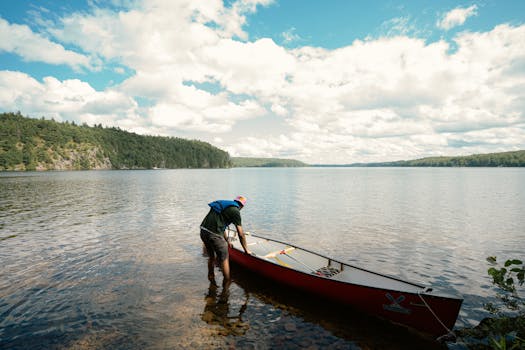
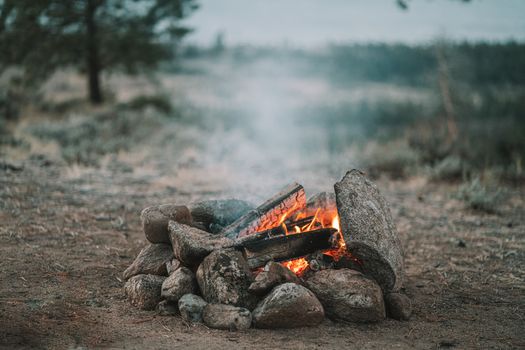
Ultimate Guide to Camping in Algonquin Provincial Park
camping in algonquin provincial park

Ultimate Guide to Camping in Algonquin Provincial Park

Unlock the secrets to an unforgettable wilderness escape in one of Ontario's most iconic natural treasures.

Start Your Adventure

Key Takeaways

  • ✓ Algonquin Provincial Park is Ontario's oldest provincial park, established in 1893.
  • ✓ The park covers over 7,653 square kilometers (2,955 sq mi) of forests, rivers, and lakes.
  • ✓ It's renowned for its diverse wildlife, including moose, bears, wolves, and over 250 bird species.
  • ✓ Offers various camping experiences: developed campgrounds, backcountry, and yurt/cabin rentals.

How It Works

1
Choose Your Camping Style

Decide between car camping at developed sites, rugged backcountry canoe/hike-in, or comfortable yurt/cabin rentals. Each offers a unique experience tailored to different preferences.

2
Make Reservations Early

Algonquin is incredibly popular, especially for summer and fall. Book your campsites or permits well in advance, often up to five months ahead, to secure your spot.

3
Plan Your Route & Gear

Research canoe routes, hiking trails, and necessary equipment based on your chosen camping style and trip duration. Ensure you have appropriate safety gear and supplies.

4
Prepare for Wildlife & Weather

Understand park regulations regarding food storage and wildlife encounters. Pack layers for fluctuating temperatures and be ready for rain, even in summer.

Understanding Algonquin's Diverse Camping Options
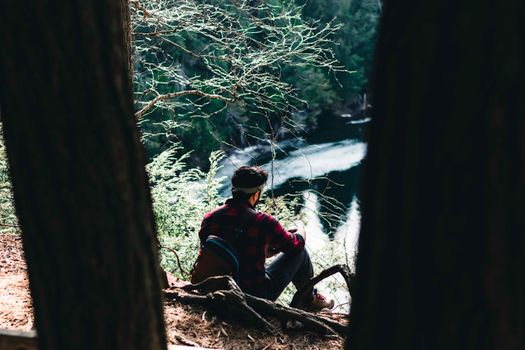
Algonquin Provincial Park, a true gem in Ontario's crown, offers a spectrum of camping experiences designed to cater to every type of outdoor enthusiast. From the family-friendly convenience of car camping to the rugged solitude of backcountry portaging, understanding your options is the first crucial step in planning your adventure. The park is primarily divided into two main camping zones: developed campgrounds, often referred to as 'car camping,' and the vast backcountry, accessible by canoe or hiking. Each offers a distinct immersion into Algonquin's pristine wilderness. Car camping sites are located along Highway 60, the park's main corridor. These campgrounds, such as Lake of Two Rivers, Mew Lake, and Canisbay Lake, provide amenities like flush toilets, showers, picnic tables, and fire pits. They are perfect for families, first-time campers, or those who prefer easy access to their vehicles and a few creature comforts. Many also offer electrical hookups for RVs. These sites serve as excellent base camps for exploring the park's interpretive walking trails, visitor centres, and organized programs. Reservations for these sites are highly competitive, especially for peak season weekends and holidays, often requiring booking exactly five months in advance through the Ontario Parks reservation system. Detailed maps and information about specific campground amenities can be found on the Ontario Parks website, which is essential for planning your stay. For those seeking a more profound connection with nature and a true wilderness experience, Algonquin's backcountry is unparalleled. This involves paddling canoes deep into the park's interior via a network of lakes and rivers, often requiring portaging (carrying your canoe and gear) between waterways. Alternatively, some backcountry sites are accessible via hiking trails. Backcountry camping provides a sense of solitude and remoteness that car camping cannot match. Sites are typically primitive, offering only a cleared tent pad and a fire pit, with human waste managed through thunderboxes or catholes. Access points for the backcountry are scattered around the park's perimeter, requiring careful planning of your route, entry, and exit points. Permits are mandatory and must be booked in advance, specifying your access point and the lakes you intend to camp on each night. The preparation for a backcountry trip is more intensive, requiring specialized gear, navigational skills, and a strong understanding of Leave No Trace principles. It's an immersive experience, truly defining what it means to be camping in Algonquin Provincial Park.

Planning Your Algonquin Backcountry Adventure

Embarking on a backcountry camping trip in Algonquin Provincial Park is an experience that demands thorough preparation and respect for the wilderness. Unlike car camping, where amenities are readily available, the backcountry challenges you to be self-sufficient and mindful of your impact. The first step is selecting your route. Algonquin boasts an extensive network of canoe routes, ranging from easy day trips to multi-week expeditions. Factors to consider include your group's experience level, desired trip duration, and the type of scenery or wildlife you hope to encounter. Popular entry points like Lake Opeongo, Smoke Lake, and Cedar Lake offer access to diverse routes, but remember that popular routes fill up quickly. Once a route is chosen, securing your permits is paramount. Backcountry permits must be reserved through Ontario Parks, specifying your access point, the number of people in your group, and your planned campsites for each night. It's crucial to adhere to your reserved itinerary, as park rangers often patrol to ensure compliance and safety. Failure to secure permits or deviating significantly from your planned route can lead to fines and safety risks. The reservation system opens five months in advance, and for prime summer dates, spots can be snatched up within minutes. Being prepared with alternative dates or routes is a wise strategy. Gear preparation for the backcountry is another critical component. Essential items include a lightweight tent, sleeping bags appropriate for potential nighttime temperatures (which can drop significantly even in summer), a reliable cooking system, water purification methods (filters, tablets, or boiling), and bear-resistant food storage (bear barrels are highly recommended). Navigation tools like waterproof maps and a compass (and the knowledge to use them) are indispensable, as GPS devices can fail or lose signal. Proper attire, including layers for varying weather conditions and sturdy footwear, is also vital. Remember to pack out everything you pack in, leaving no trace of your visit. This commitment to Leave No Trace principles helps preserve the park's pristine environment for future generations. Understanding Algonquin's unique ecosystem and preparing for its challenges, from portages to potential wildlife encounters, ensures a safe and rewarding backcountry experience.

Essential Gear and Safety for Your Algonquin Trip

Regardless of whether you choose car camping or venture into the backcountry, proper gear and a strong emphasis on safety are non-negotiable for any trip to Algonquin Provincial Park. The park's diverse ecosystem and often unpredictable weather demand respect and readiness. For all campers, a well-stocked first-aid kit is essential, including items for cuts, blisters, insect bites, and any personal medications. Sunscreen, insect repellent (especially for mosquitoes and blackflies, which can be intense from late spring through early summer), and a headlamp or flashlight are also universal necessities. Staying hydrated is key, so bring reusable water bottles and, if in the backcountry, a reliable water purification system. For car campers, comfortable sleeping arrangements (tents, sleeping pads, sleeping bags), cooking equipment (cooler, stove, pots, pans), and camp chairs are standard. Don't forget firewood (purchased within the park to prevent invasive species spread) and fire-starting materials. While car camping offers more amenities, it's still important to secure food from wildlife, particularly raccoons and bears. Use designated food lockers or store food in your vehicle. Always check the park's current fire restrictions before lighting a campfire. Staying informed about park regulations is crucial for a safe and enjoyable visit. Backcountry safety takes on additional layers of complexity. Beyond the basic gear, a whistle for signaling, a multi-tool or knife, and a repair kit for your tent or canoe can be lifesavers. It's highly recommended to carry a satellite communication device (like a SPOT or InReach) for emergencies, as cell service is non-existent in much of the park. Informing a trusted contact of your detailed itinerary and expected return time is also a critical safety measure. Wildlife encounters, especially with bears and moose, are possible. Know how to react: make noise while hiking, store food properly, and never approach animals. Carrying bear spray is a personal choice, but understanding its proper use is vital. Always pack out all garbage, including food scraps, to minimize human-wildlife conflict. Algonquin's natural beauty is captivating, but its wildness demands preparedness and caution. By prioritizing safety and equipping yourself appropriately, you can fully embrace the magic of camping in Algonquin Provincial Park.

Tips for an Unforgettable Algonquin Camping Experience

Making your camping trip to Algonquin Provincial Park truly unforgettable goes beyond just booking a site and packing your bags. It involves embracing the park's unique offerings and preparing for its challenges. Here are some expert tips to enhance your experience: * **Embrace the Early Morning:** Algonquin is renowned for its incredible sunrises and morning mist on the lakes. Waking up early not only allows you to witness these breathtaking sights but also increases your chances of spotting wildlife like moose, which are most active at dawn and dusk. Consider a sunrise paddle for an unparalleled experience. * **Learn to Portage Efficiently:** If you're backcountry camping, portaging is a fundamental part of the experience. Practice carrying your canoe and gear, distribute weight evenly, and use a tumpline if possible to save your shoulders. Efficient portaging makes the journey much more enjoyable. * **Pack Smart for Pests:** Depending on the season, mosquitoes and blackflies can be abundant. Pack long-sleeved shirts, long pants, a head net, and strong insect repellent (DEET or picaridin are often recommended). Consider visiting in late summer or early fall for fewer bugs and vibrant fall colours. * **Explore Beyond Your Campsite:** Algonquin offers numerous hiking trails, from short interpretive loops to challenging multi-day treks. The Visitor Centre and Logging Museum provide fascinating insights into the park's natural and human history. Take advantage of guided walks and educational programs offered by park staff. * **Master Campfire Cooking:** While stoves are efficient, cooking over an open fire is a quintessential camping experience. Practice safe fire building, learn to control heat, and try simple, delicious recipes like foil packet meals or bannock. Always ensure your fire is completely extinguished before leaving. * **Respect Wildlife & Leave No Trace:** This cannot be stressed enough. Keep a respectful distance from all animals, never feed them, and store all food and scented items securely. Pack out everything you pack in, including all garbage and food scraps. Leave your campsite cleaner than you found it. This ensures the park remains pristine for everyone. * **Bring Binoculars & a Camera:** Algonquin is a photographer's paradise. From detailed wildflowers to majestic moose and starry night skies, there's always something incredible to capture. Binoculars will greatly enhance your wildlife viewing opportunities. By following these tips, your camping in Algonquin Provincial Park will be more than just a trip; it will be an immersive and cherished memory.

Comparison

FeatureCar Camping (Developed Sites)Backcountry Camping (Canoe/Hike-in)Yurt/Cabin Rental
AmenitiesFlush toilets, showers, picnic tablesThunderbox, fire pit, tent padBeds, heat, lights, privacy
AccessibilityVehicle access, paved roadsCanoe/hike required, portagesVehicle access to specific sites
PrivacyModerate, close to neighboursHigh, secluded sitesHigh, designated private areas
Required GearStandard camping gear, coolerLightweight backpacking/canoeing gear, purificationSleeping bags, cooking gear
Experience LevelBeginner-friendlyIntermediate-AdvancedComfort-oriented, all levels
Reservations
Wildlife EncountersOccasionalFrequent, immersiveOccasional
Cost (per night)$$$$$$

What Readers Say

"Our family car camping trip to Mew Lake was fantastic! The facilities were clean, and we loved the easy access to hiking trails. Camping in Algonquin Provincial Park was even better than we imagined, definitely coming back next year."

Sarah M. · Toronto, ON

"Just completed a 4-day backcountry canoe trip from Lake Opeongo. The solitude and stunning scenery were breathtaking. It was challenging, but the reward of pristine lakes and wildlife made camping in Algonquin Provincial Park truly unforgettable."

David L. · Ottawa, ON

"The yurt at Mew Lake was perfect for our fall getaway. Cozy and warm, with beautiful views. It allowed us to experience Algonquin's beauty without needing all our own camping gear. Highly recommend camping in Algonquin Provincial Park for a comfortable nature retreat."

Emily R. · Montreal, QC

"Algonquin's beauty is undeniable. While the reservation system was a bit tricky to navigate, the effort was well worth it for the incredible hiking and wildlife viewing. Next time, we'll try a less busy time for camping in Algonquin Provincial Park."

Mark J. · Buffalo, NY

"As an experienced paddler, Algonquin's vast network of lakes and portages offers endless exploration. The sense of peace you find deep in the park is unmatched. Camping in Algonquin Provincial Park truly rejuvenates the soul."

Jessica T. · Waterloo, ON

Frequently Asked Questions

When is the best time to go camping in Algonquin Provincial Park?

The best time depends on your preferences. Summer (July-August) offers warm weather for swimming and paddling but can be busy. Early fall (September-October) brings spectacular fall foliage and fewer bugs. Late spring (May-June) is great for wildlife viewing, especially moose, but blackflies and mosquitoes are prevalent.

Are there bears in Algonquin Provincial Park, and what should I do?

Yes, black bears are native to Algonquin. It's crucial to practice bear-safe habits: store all food and scented items in bear-resistant containers or your vehicle, keep a clean campsite, and never feed wildlife. If you encounter a bear, make noise, make yourself look big, and slowly back away.

How do I make reservations for camping in Algonquin Park?

All reservations for car camping, backcountry permits, and yurt/cabin rentals are made through the Ontario Parks reservation system online or by phone. For peak season, reservations open five months in advance at 7:00 AM EST, and popular sites/routes fill very quickly, so plan to book right when they open.

How much does it cost to go camping in Algonquin Provincial Park?

Costs vary depending on the type of camping and duration. Car camping sites typically range from $45-$60 per night, backcountry permits are around $12 per person per night plus an access fee, and yurt/cabin rentals can be $90-$120+ per night. A daily vehicle permit is also required if not camping overnight.

Is backcountry camping in Algonquin suitable for beginners?

While Algonquin offers some beginner-friendly backcountry routes, it's generally recommended that beginners start with car camping or join an organized trip with experienced paddlers. Backcountry camping requires navigation skills, proper gear, and a good understanding of wilderness safety and Leave No Trace principles.

Who should consider camping in Algonquin Provincial Park?

Algonquin is ideal for anyone seeking an authentic Canadian wilderness experience, from families looking for accessible nature retreats to seasoned adventurers craving remote backcountry exploration. It appeals to wildlife enthusiasts, photographers, paddlers, hikers, and those who appreciate pristine natural beauty.

What are the biggest safety concerns when camping in Algonquin?

Key safety concerns include wildlife encounters (especially bears), unpredictable weather changes (hypothermia risk), getting lost in the backcountry, and water safety (cold water, currents, capsizing). Proper planning, appropriate gear, and informing others of your itinerary significantly mitigate these risks.

How is technology changing the Algonquin camping experience?

While Algonquin remains a wilderness sanctuary, technology now aids planning with online reservations and digital maps. Satellite communication devices (e.g., InReach) enhance safety in remote areas. However, the core experience emphasizes disconnecting, as cell service is limited, encouraging a focus on nature.

Ready to immerse yourself in the breathtaking beauty of Ontario's wilderness? Start planning your unforgettable journey of camping in Algonquin Provincial Park today. Whether you're a seasoned paddler or a first-time camper, Algonquin offers an adventure waiting to be discovered.

Topics: camping in algonquin provincial parkalgonquin park campingbackcountry camping ontarioalgonquin canoe routesalgonquin park reservations
Leo List

DK Escorts LU Escorts AT Escorts SE Escorts FI Escorts CH Escorts DE Escorts HR Escorts IE Escorts GR Escorts CZ Escorts NO Escorts BE Escorts FR Escorts SI Escorts IL Escorts NL Escorts PL Escorts HU Escorts ES Escorts IT Escorts PT Escorts SK Escorts RO Escorts ZA Escorts UY Escorts US Escorts UK Escorts NZ Escorts AU Escorts
Brampton weed
Adultwork EstrelaBet Vai de Bet R7 Bet Betão Galera Bet Rainbet Bet9ja Shop SportyBet BetKing Sisal Loto Foot Hollywoodbets YesPlay Odibets RushBet Jugabet BetWarrior BetCity MSport betPawa Fortebet