Navigating California Travel Restrictions COVID: Your Guide
california travel restrictions covid

Navigating California Travel Restrictions COVID: Your Guide

Stay informed about the latest California travel restrictions and safety measures to ensure a smooth and enjoyable journey.

Plan Your Safe Trip Now

Key Takeaways

  • ✓ California's travel guidelines have evolved significantly since the start of the pandemic.
  • ✓ While strict mandates have largely been lifted, individual businesses and counties may still have specific requirements.
  • ✓ Vaccination and testing are no longer universally mandated for entry, but are still highly recommended.
  • ✓ Monitoring local health department advisories remains crucial for any California travel.

How It Works

1
Assess Your Travel Needs

Determine your travel dates, destination within California, and the purpose of your trip. This helps tailor your information search.

2
Check State & Local Guidelines

Consult the official California Department of Public Health (CDPH) website and the specific county health department for your destination. Local rules can vary.

3
Verify Venue Requirements

If visiting specific attractions, hotels, or restaurants, check their direct websites for any independent COVID-19 policies. Many establishments have their own protocols.

4
Prepare for Contingencies

Pack masks, hand sanitizer, and consider travel insurance that covers COVID-19 related disruptions. Stay flexible as guidelines can change.

Understanding Current California COVID Travel Guidelines

Beautiful view of the California coastline featuring agave plants and palm trees against a blue ocean backdrop. Photo: Natália Ivanková / Pexels
As of recent updates, California has largely moved beyond the strict, statewide travel restrictions that were in place during the earlier phases of the COVID-19 pandemic. The Golden State, known for its diverse landscapes and vibrant cities, has transitioned to a more endemic approach, emphasizing personal responsibility and preparedness. This means that for most domestic travelers, there are no longer mandatory quarantine periods upon arrival, nor are there statewide requirements for proof of vaccination or negative COVID-19 tests to enter California. This shift reflects a broader national trend towards normalcy, but it's crucial for travelers to understand that 'no statewide mandate' does not equate to 'no precautions.' While the state government has relaxed its overarching rules, the power to implement specific health and safety protocols often rests with individual counties, cities, and even private businesses. This localized approach means that what might be perfectly acceptable in one part of California – for instance, a bustling outdoor market in San Diego – could differ significantly from requirements in a more secluded, rural county or a high-traffic indoor venue in Los Angeles. Therefore, a key part of responsible travel in California involves diligent research into your specific destination. Before booking your accommodation or making plans for attractions, it is highly recommended to check the official websites of the county health department for your intended destination. These sites are the most accurate source for any localized mask mandates, capacity limits, or specific entry requirements that might still be in effect. Furthermore, many businesses, especially those in the hospitality, entertainment, and dining sectors, have retained their own internal COVID-19 safety policies, which may include recommending or requiring masks, enhanced sanitization procedures, or even proof of vaccination for certain events or indoor dining. Always check with your specific hotel, restaurant, or attraction directly. For general travel advice and health recommendations, refer to the California Department of Public Health (CDPH) website, which offers comprehensive resources and frequently asked questions for travelers. Understanding these nuances is paramount to enjoying your California trip without unexpected hurdles. Remember, a little research goes a long way in ensuring a smooth and safe experience for everyone. For broader travel insights, explore our guide on planning your next adventure.

Navigating Testing and Vaccination for California Visitors
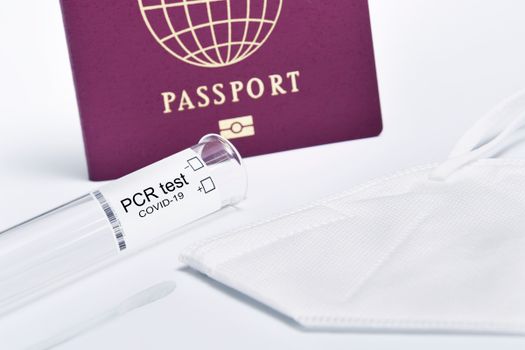
Close-up of a passport, KN95 mask, and PCR test kit highlighting travel safety measures. Photo: adrian vieriu / Pexels
The landscape of COVID-19 testing and vaccination requirements for visitors to California has undergone substantial changes since the height of the pandemic. Currently, the State of California does not mandate proof of COVID-19 vaccination or a negative test result for general entry for either domestic or international travelers. This relaxation of requirements is a welcome development for many, simplifying the travel process and reducing pre-trip stress. However, it's vital to recognize that 'not mandated' does not mean 'irrelevant.' While not required by the state, vaccination against COVID-19 remains strongly recommended by public health officials, both within California and at federal levels, as a primary defense against severe illness. For travelers, being fully vaccinated can offer peace of mind, knowing they are better protected and less likely to experience significant disruption to their trip due to illness. Similarly, while pre-travel testing is no longer a statewide requirement, it is still a highly advisable precaution, especially for individuals who are unvaccinated, immunocompromised, or who will be interacting with vulnerable populations. Taking a rapid antigen test or a PCR test before departing for California can help ensure you aren't unknowingly bringing the virus into new communities or exposing fellow travelers. Furthermore, certain specific scenarios or venues might still enforce their own testing or vaccination policies. For example, some large-scale events, concerts, or conventions may require attendees to show proof of vaccination or a recent negative test result as a condition of entry. Healthcare facilities, including hospitals and nursing homes, often maintain strict visitor policies that may include masking, testing, or vaccination verification. International travelers should also be aware that while California itself doesn't have entry mandates, their country of origin or airline may have specific requirements for re-entry or travel, making a pre-departure test necessary regardless of California's stance. It's always prudent to carry your vaccination card or digital record, along with any recent negative test results, as a precautionary measure. Access to testing remains widely available across California, with numerous pharmacies and clinics offering both rapid and PCR tests, often covered by insurance. Staying informed about these nuances will empower you to make responsible choices for your health and the health of those around you during your California visit.

Essential Safety Protocols and Health Recommendations

Close-up of a person sanitizing hands in a car for hygiene. Photo: Towfiqu barbhuiya / Pexels
Even with the easing of statewide travel restrictions, adopting essential safety protocols and adhering to health recommendations remains a cornerstone of responsible travel in California. Public health officials continue to emphasize the importance of individual actions in preventing the spread of respiratory illnesses, including COVID-19. The core principles of good hygiene and awareness are timeless and continue to be highly relevant for all visitors. Foremost among these recommendations is practicing good hand hygiene. Frequent hand washing with soap and water for at least 20 seconds, especially after coughing, sneezing, or being in public spaces, is incredibly effective. When soap and water are not available, using an alcohol-based hand sanitizer with at least 60% alcohol is a suitable alternative. Many businesses and public facilities across California continue to provide hand sanitizer stations, making this practice convenient. While mask mandates have largely been lifted, the California Department of Public Health (CDPH) still recommends masking in certain situations, particularly indoors in crowded settings, on public transportation, or when interacting with individuals at higher risk of severe illness. Some businesses may still require masks, and it's always respectful to comply with their policies. Carrying a high-quality mask (such as an N95, KN95, or KF94) is a good habit for any traveler. Another critical recommendation is to stay home if you are feeling unwell. If you develop symptoms consistent with COVID-19 – such as fever, cough, sore throat, or fatigue – it is crucial to avoid public spaces, seek testing, and isolate yourself to prevent further transmission. Many hotels and accommodation providers have updated their policies to be more flexible in such situations, but communication is key. Furthermore, maintaining physical distancing where possible, especially in crowded indoor environments, can help reduce transmission risk. While 6-foot distancing is no longer a strict rule, giving others space is a courtesy that also enhances safety. Many venues have also improved ventilation systems, and choosing outdoor activities or well-ventilated indoor spaces can further minimize risk. Staying informed about local conditions, such as community transmission levels, through county health websites can also help you make informed decisions about your activities. By integrating these simple yet effective safety protocols into your travel plans, you not only protect yourself but also contribute to the health and safety of the communities you visit, ensuring a positive experience for everyone.

Planning Your California Trip: Tips and Common Mistakes

A person writing in a notebook on a world map, planning a travel journey with colorful markers and a pen. Photo: Lara Jameson / Pexels
Planning a trip to California amidst evolving health guidelines requires a blend of excitement and preparedness. To make your journey as smooth and enjoyable as possible, here are some crucial tips and common mistakes to avoid: **Tips for a Smooth Trip:** * **Stay Updated:** Regularly check the California Department of Public Health (CDPH) website and the specific county health department websites for your destinations. Guidelines can change, and being informed prevents surprises. * **Book Flexibly:** Opt for accommodations, flights, and activities that offer flexible cancellation or rebooking policies. This provides a safety net if unforeseen circumstances or guideline changes impact your plans. * **Pack Smart:** Include essentials like hand sanitizer, masks (even if not strictly required, they're good for crowded areas), and any personal medications. Consider a small first-aid kit. * **Consider Travel Insurance:** Look for travel insurance policies that specifically cover COVID-19 related disruptions, such as trip cancellation due to illness, medical expenses, or extended stays for quarantine. * **Have a Testing Plan:** Know where you can get tested if needed. Keep a list of local pharmacies or clinics offering rapid or PCR tests near your accommodation. * **Respect Local Policies:** Even if statewide mandates are lifted, individual businesses or venues may have their own rules (e.g., mask requirements). Respecting these helps ensure a positive experience for everyone. **Common Mistakes to Avoid:** * **Assuming No Restrictions:** The biggest mistake is assuming that since major statewide mandates are gone, there are no precautions or local rules whatsoever. Always verify. * **Ignoring Local Advisories:** Failing to check county-specific guidelines can lead to unexpected issues, especially in areas with higher transmission rates or unique local policies. * **Not Checking Venue Requirements:** Don't assume all attractions, restaurants, or events have the same policies. A quick check of their website before visiting can save time and frustration. * **Traveling While Sick:** This is a major no-no. Traveling with symptoms not only risks your health but also the health of others and can lead to significant disruptions to your trip if you need to isolate. * **Overlooking International Re-entry Rules:** If you're an international traveler, remember that your home country or airline may have testing or vaccination requirements for re-entry, regardless of California's rules. * **Forgetting Proof of Vaccination/Test Results:** While not always required, having digital or physical copies of your vaccination record or recent negative test results readily accessible can be helpful in various situations. By being proactive and mindful of these points, you can significantly enhance your California travel experience, ensuring it's both safe and memorable.

Comparison

FeatureCurrent CA State GuidelinePotential Local/Business RuleBest Practice for Travelers
Mask MandateNo statewide mandateRequired in some healthcare, transit, or private venuesCarry a mask, respect requests
Vaccination ProofNot required for entryRequired for some events/venuesCarry digital/physical record
COVID-19 TestingNot required for entryRequired for some events/venues, international re-entryTest before travel if concerned/unvaccinated
QuarantineNot required for entryRecommended if exposed/sickIsolate if symptomatic, seek testing
Travel InsuranceNot mandatedHighly recommended for peace of mindGet policy with COVID-19 coverage

What Readers Say

"The information on California travel restrictions COVID was incredibly helpful. I checked the county health site for San Diego as suggested, and it made my trip so much smoother knowing what to expect at local attractions."

Sarah J. · Seattle, WA

"This guide clarified everything I needed to know about visiting California. I appreciated the advice on checking individual venue policies; it saved me from a potential issue at a concert venue."

David M. · New York, NY

"Thanks to this article, I felt confident planning my family's trip to Yosemite. Understanding the recommendations for testing and having flexible bookings gave us great peace of mind."

Emily R. · Denver, CO

"While most restrictions are lifted, this guide did a good job explaining why it's still wise to be prepared. I still packed masks and hand sanitizer, which came in handy on public transit."

Michael T. · Phoenix, AZ

"As an international traveler, understanding California's stance vs. my home country's re-entry rules was crucial. This resource helped me navigate the complexities perfectly."

Jessica L. · Vancouver, Canada

Frequently Asked Questions

Are there any statewide mask mandates in California for travelers?

No, as of the latest updates, California does not have a statewide mask mandate for travelers. However, masks are still strongly recommended in certain settings like healthcare facilities, on public transportation, and in crowded indoor areas. Individual businesses or counties may also have their own specific mask requirements, so it's always best to check ahead.

Do I need to show proof of vaccination to enter California?

No, the State of California does not require proof of COVID-19 vaccination for general entry for domestic or international travelers. However, some specific events, venues, or businesses may still require proof of vaccination for entry, so it's advisable to check with your specific destination or activity beforehand.

How can I find out about specific county-level COVID-19 travel restrictions in California?

To find out about specific county-level COVID-19 travel restrictions or recommendations, you should visit the official website of the public health department for the county you plan to visit. These local health departments are the most accurate source for any localized mandates or strong advisories.

Is travel insurance necessary when visiting California now that restrictions are eased?

While not mandatory, purchasing travel insurance that covers COVID-19 related disruptions is still highly recommended. It can provide financial protection for unexpected events such as trip cancellations due to illness, medical expenses, or the need for extended accommodation if you test positive during your trip.

What is the difference between California's state guidelines and federal travel rules?

California's state guidelines pertain to rules and recommendations within the state's borders. Federal travel rules, on the other hand, primarily govern international travel into and out of the United States, including requirements for U.S. citizens returning from abroad or foreign nationals entering the U.S. Always check both federal and state guidelines, especially for international trips.

Who should be most careful about California travel restrictions COVID?

Individuals who are unvaccinated, immunocompromised, elderly, or have underlying health conditions should exercise the most caution. They are at higher risk of severe illness from COVID-19 and should prioritize precautions such as masking, testing, and avoiding crowded settings, even when not mandated.

What if I test positive for COVID-19 while traveling in California?

If you test positive for COVID-19 while traveling in California, it's crucial to follow current isolation guidelines from the CDC and CDPH. This typically involves isolating yourself to prevent further spread, informing close contacts, and monitoring your symptoms. Many hotels have policies for extended stays in such situations, but communication with them is key.

Will California reinstate strict travel restrictions in the future?

While unlikely to return to the very strict, widespread mandates seen earlier in the pandemic, California's public health approach is adaptable. Future reinstatement of restrictions, if any, would likely be localized, targeted, and data-driven, based on factors like new variants, hospital capacity, or significant increases in community transmission. Staying informed through official channels is the best defense.

Armed with the latest information on California travel restrictions COVID, you can now confidently plan your journey. Prioritize safety, stay informed, and prepare for a memorable and responsible adventure in the Golden State.

Topics: california travel restrictions covidcalifornia covid travelcalifornia visitor guidelinescovid travel californiasafe california travel
Leo List
Brampton weed
Adultwork EstrelaBet Vai de Bet R7 Bet Betão Galera Bet Rainbet Bet9ja Shop SportyBet BetKing Sisal Loto Foot Hollywoodbets YesPlay Odibets RushBet Jugabet BetWarrior BetCity MSport betPawa Fortebet