Your Ultimate California National Parks Guide
california national parks guide

Your Ultimate California National Parks Guide

Unlock the secrets to an unforgettable adventure across California's diverse and breathtaking national parks.

Plan Your Adventure

Key Takeaways

  • ✓ California boasts 9 national parks, more than any other state.
  • ✓ These parks offer an incredible diversity of landscapes, from towering redwoods to scorching deserts.
  • ✓ Annual visitation exceeds 30 million people across all parks.
  • ✓ Planning ahead, especially for popular parks like Yosemite, is crucial for a smooth trip.

How It Works

1
Choose Your Parks

Research California's nine national parks to identify which ones align with your interests, whether it's hiking, photography, or stargazing. Consider seasonal accessibility and potential crowds.

2
Plan Your Itinerary

Determine how many days you'll spend at each park and book accommodations well in advance, especially for peak seasons. Map out your routes between parks and within each park to optimize your time.

3
Prepare Essentials

Pack appropriate gear for the weather and activities, including hiking boots, layers of clothing, and plenty of water. Check park-specific regulations and entrance requirements before you go.

4
Explore & Enjoy

Immerse yourself in the natural beauty, follow Leave No Trace principles, and be flexible with your plans. Engage with park rangers for local insights and safety tips to enhance your experience.

Unveiling California's Diverse National Parks Landscape
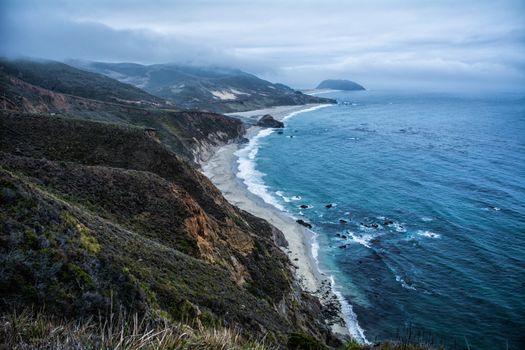
Scenic view of a rugged coastline with waves crashing against the shore under a cloudy sky. Photo: William Marschall / Pexels
California, a state synonymous with natural beauty and diverse landscapes, is home to an astounding nine national parks, more than any other state in the U.S. This incredible collection of protected lands offers everything from the world's tallest trees to the lowest point in North America, from glaciated peaks to scorching desert floors. Understanding the unique character of each park is the first step in planning an unforgettable adventure. Each park presents its own set of wonders, challenges, and opportunities for exploration, catering to a wide range of interests and fitness levels. For instance, Yosemite National Park, arguably the most famous, captivates visitors with its monumental granite cliffs, giant sequoia groves, and spectacular waterfalls, especially vibrant in spring. Death Valley National Park, in stark contrast, offers a surreal landscape of salt flats, sand dunes, and colorful canyons, holding the record for the hottest air temperature ever recorded on Earth. The sheer diversity means that whether you're seeking a strenuous backcountry trek or a leisurely scenic drive, California's national parks have something to offer. This guide aims to help you navigate this rich tapestry of natural wonders, providing insights into what makes each park special and how to best experience its unique charm. We'll delve into the distinct ecosystems, geological formations, and historical significance that define these protected areas, ensuring you're well-equipped to choose the perfect destinations for your journey. From the misty coastal redwoods to the high-alpine lakes of the Sierra Nevada, the experiences are as varied as the landscapes themselves. Remember, while some parks are easily accessible, others require careful planning, particularly regarding road conditions, seasonal closures, and necessary permits. This foundational understanding is crucial for any successful trip. Discover hidden gems and plan your route wisely to maximize your adventure and minimize any unforeseen challenges, ensuring a truly immersive and awe-inspiring experience across California's iconic natural treasures.

Planning Your Epic California National Parks Itinerary

Sign marking the Continental Divide at elevation 8391 in a forest setting. Photo: Brett Buskirk / Pexels
Embarking on a journey through California's national parks requires more than just a map; it demands thoughtful planning to maximize your experience and ensure a smooth, enjoyable trip. Given the vast distances and diverse environments, a well-crafted itinerary is your most valuable tool. Start by considering the time of year you plan to visit. Summer is peak season, offering warm weather and full accessibility to higher elevations, but it also brings crowds and requires booking accommodations and permits months in advance. Spring and fall offer milder temperatures, fewer people, and often stunning natural displays like wildflowers or fall foliage. Winter, while limiting access to some areas due to snow, transforms parks like Yosemite and Sequoia into serene, snow-covered wonderlands, perfect for snowshoeing or cross-country skiing, albeit with fewer services. Next, determine the duration of your trip. While a quick visit to one or two parks might suffice for some, truly experiencing the grandeur of California's national parks often requires dedicating several days to each, allowing time for hiking, exploring, and simply soaking in the atmosphere. For instance, Yosemite and Sequoia National Parks are relatively close and can be combined into a single trip, offering a spectacular contrast between granite giants and ancient trees. Death Valley and Joshua Tree, both desert parks, can also be linked for a unique arid adventure. Always check the official National Park Service websites for each park you plan to visit. These sites are invaluable resources for current conditions, road closures, permit requirements (especially for popular trails like Half Dome in Yosemite), campground availability, and entrance fees. Many parks now use reservation systems for entry during peak times, so failing to check this information could lead to disappointment at the park gates. Consider purchasing an America the Beautiful pass if you plan to visit multiple national parks within a year, as it can save you money on entrance fees. Lastly, think about your mode of transportation. While a car is essential for navigating most parks, some offer shuttle services during peak season, which can alleviate parking stress. Planning your accommodation, whether camping, staying in a lodge, or nearby towns, is also paramount, as options fill up quickly. A meticulous plan ensures you spend less time worrying about logistics and more time marveling at the natural wonders around you.

Must-See Attractions and Activities in California's Premier Parks
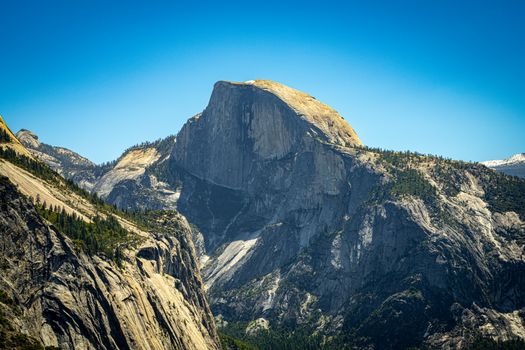
Majestic Half Dome rock formation in Yosemite under a clear blue sky, showcasing rugged beauty. Photo: Elijah Cobb / Pexels
California's national parks are brimming with iconic sights and unparalleled opportunities for adventure, making it crucial to prioritize your experiences. To truly appreciate the grandeur of these protected areas, a focused approach to activities and attractions is key. In Yosemite National Park, the valley floor is a treasure trove of world-famous landmarks. Don't miss the awe-inspiring views of El Capitan and Half Dome, best seen from Tunnel View or Valley View. Hiking to the base of Yosemite Falls, North America's tallest waterfall, is a must-do in spring and early summer when the water flow is at its peak. For a challenging but rewarding experience, consider the Mist Trail to Vernal Fall and Nevada Fall. Sequoia and Kings Canyon National Parks, often visited together, are synonymous with giant sequoias. A walk through Giant Forest, home to the General Sherman Tree (the world's largest tree by volume), is an experience unlike any other. Moro Rock offers panoramic views of the Great Western Divide after a strenuous climb. The sheer granite walls of Kings Canyon rival Yosemite in their scale and beauty. Death Valley National Park offers a starkly beautiful landscape. Visit Badwater Basin, the lowest point in North America, and marvel at the vast salt flats. Zabriskie Point provides an otherworldly panorama of badlands, especially stunning at sunrise or sunset. Don't forget to explore the Mesquite Flat Sand Dunes for a unique desert experience. Joshua Tree National Park, where the Mojave and Colorado deserts meet, is famous for its namesake trees and unique rock formations. It's a mecca for rock climbers, but hikers and stargazers will also find plenty to love. Explore Hidden Valley, take a stroll through the Cholla Cactus Garden, and witness the incredible desert night sky. Explore more about California's natural beauty beyond these parks by visiting Channel Islands National Park, a collection of five remote islands off the Southern California coast, offering incredible marine life, sea caves, and pristine wilderness perfect for kayaking, snorkeling, and hiking. Redwood National and State Parks in Northern California are home to the tallest trees on Earth. Walking among these ancient giants is a humbling experience; trails like Tall Trees Grove or Fern Canyon offer unforgettable immersion in these primeval forests. Lassen Volcanic National Park showcases all four types of volcanoes and features bubbling mud pots, steaming fumaroles, and clear mountain lakes, a true geological wonderland. Each park offers ranger-led programs, junior ranger activities, and visitor centers that provide valuable insights and educational opportunities, enriching your visit significantly.

Essential Tips for a Safe and Enjoyable National Park Adventure
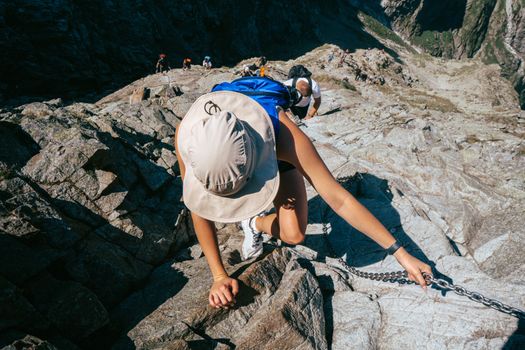
A climber tackles a rocky ascent in the Tatra Mountains during summer. Photo: Artūras Kokorevas / Pexels
Venturing into California's national parks promises adventure and breathtaking beauty, but a safe and enjoyable trip hinges on proper preparation and adherence to park guidelines. Here are crucial tips to ensure your visit is memorable for all the right reasons: * **Stay Hydrated and Nourished:** Dehydration is a serious risk, especially in arid parks like Death Valley and Joshua Tree, or during strenuous hikes. Carry more water than you think you'll need – a gallon per person per day is a good starting point for active days. Pack plenty of snacks and consider bringing a portable water filter for backcountry trips. * **Dress in Layers:** Weather in national parks, particularly in mountainous regions like Yosemite and Sequoia, can change rapidly. Layered clothing allows you to adapt to fluctuating temperatures throughout the day. Include rain gear, even if the forecast looks clear. * **Know Your Limits:** Assess your fitness level honestly and choose trails and activities that match your capabilities. Don't attempt strenuous hikes if you're not prepared, and always turn back if conditions become too challenging or weather turns foul. Inform someone of your itinerary if you're planning a solo hike. * **Practice Leave No Trace Principles:** This is paramount for preserving the natural beauty of the parks. Pack out everything you pack in, stay on marked trails, dispose of waste properly, respect wildlife, and minimize campfire impacts. Leave natural objects and cultural artifacts as you find them. * **Wildlife Safety:** Never approach or feed wildlife. Maintain a safe distance from all animals, including deer, bears, and smaller creatures. Store food properly in bear-proof containers or lockers where required, especially in bear country like Yosemite and Sequoia. * **Check Road Conditions & Closures:** Many park roads, especially in higher elevations, are subject to seasonal closures due to snow or ice. Always check the park's official website or call visitor centers for the latest road conditions before heading out, particularly during spring and fall. * **Download Offline Maps:** Cell service is often nonexistent in national parks. Download maps of the park and specific trails to your phone before you go. A physical map and compass are also highly recommended as backups. * **Protect Yourself from the Sun:** Sunburn and sunstroke are common hazards. Wear a wide-brimmed hat, sunglasses, and apply sunscreen regularly, even on cloudy days or in winter. Consider UV-protective clothing. Following these guidelines will not only enhance your personal safety but also contribute to the preservation of these invaluable natural treasures for future generations. Be prepared, be respectful, and immerse yourself fully in the wonder of California's national parks.

Comparison

FeatureBest for Iconic ViewsBest for Giant TreesBest for Desert LandscapesBest for Coastal Wilderness
Main AttractionYosemite Valley, Half DomeGeneral Sherman Tree, Kings CanyonBadwater Basin, Joshua TreesIsland Ecology, Sea Caves
Best Time to VisitSpring/FallSummer/FallWinter/SpringSpring/Fall
Crowd Level (Peak)HighMedium-HighMediumLow
Major ActivitiesHiking, Photography, Rock ClimbingHiking, Stargazing, BackpackingHiking, Stargazing, Rock ClimbingKayaking, Snorkeling, Hiking
AccessibilityEasy (Valley), Moderate (High Country)ModerateEasy (Main Roads), Moderate (Backcountry)Boat Access Only

What Readers Say

"This California national parks guide was absolutely invaluable for planning our family trip to Yosemite and Sequoia. The tips on booking ahead saved us so much stress, and the activity suggestions were spot on for our kids."

Sarah J. · San Francisco, CA

"As an avid hiker, I appreciated the detailed descriptions of trails and the best times to visit Death Valley. The advice on hydration was particularly helpful for navigating the desert safely."

Mark D. · Phoenix, AZ

"Thanks to this guide, we discovered the magic of Lassen Volcanic National Park, a park we hadn't even considered! The planning section helped us seamlessly integrate it into our road trip, leading to an unforgettable experience."

Emily R. · Portland, OR

"The guide provided excellent insights into the unique ecosystems of each park. While very comprehensive, a bit more detail on specific permit application processes for popular hikes would elevate it even further. Still, highly recommended!"

David L. · New York, NY

"I used this guide to plan a solo backpacking trip to Kings Canyon. The safety tips and recommendations for essential gear were incredibly thorough and made me feel much more confident and prepared for my adventure."

Jessica M. · Los Angeles, CA

Frequently Asked Questions

Which are the best California national parks for first-time visitors?

For first-time visitors, Yosemite National Park is often a top choice due to its iconic landscapes and accessibility. Sequoia and Kings Canyon National Parks offer the awe-inspiring experience of giant sequoias. Joshua Tree National Park is excellent for a unique desert experience and stargazing, especially if you're in Southern California. Consider your interests and the time of year to pick the perfect park.

Is it safe to visit California national parks alone?

Yes, it can be safe to visit California national parks alone, but proper precautions are essential. Always inform someone of your itinerary, stick to marked trails, carry sufficient water and supplies, and be aware of wildlife. Cell service can be unreliable, so consider a satellite communication device for remote areas. Park rangers are also a great resource for safety advice.

How do I make reservations for camping or lodging in California national parks?

Camping and lodging reservations for California national parks are highly competitive and should be made well in advance, often 6 months to a year out, especially for popular parks like Yosemite. Most reservations are made through Recreation.gov for campgrounds and through individual park concessionaires for lodges. Check each park's official NPS website for specific booking windows and links.

What is the average cost to visit California national parks?

Entrance fees for most California national parks range from $20-$35 per vehicle for a 7-day pass. If you plan to visit multiple parks within a year, an America the Beautiful Annual Pass for $80 is a cost-effective option. Beyond entrance fees, costs include transportation, accommodation (camping can be $20-$35/night, lodges significantly more), food, and any activities or gear rentals. Budgeting for these elements is crucial.

How do California's national parks compare to those in other states?

California's national parks stand out due to their sheer number (9) and incredible diversity, encompassing deserts, mountains, coastlines, and ancient forests. While other states like Utah have impressive park concentrations, California offers a broader range of ecosystems within a single state, from the lowest point in North America (Death Valley) to the tallest trees on Earth (Redwood National Park). This makes them uniquely varied and appealing.

Who should use this California national parks guide?

This California national parks guide is perfect for anyone planning a trip to California's stunning protected areas, from first-time visitors to seasoned adventurers. It's designed for families, solo travelers, couples, and groups looking for comprehensive information on planning, activities, safety, and unique park features. If you want to maximize your experience and avoid common pitfalls, this guide is for you.

What are the biggest risks when visiting California national parks?

The biggest risks include dehydration, particularly in desert parks; encounters with wildlife if not respected; getting lost on trails due to lack of preparation or poor navigation; and exposure to extreme weather conditions, including heat, cold, and sudden storms. Always check weather forecasts, carry appropriate gear, and be aware of your surroundings to mitigate these risks.

What future trends might impact visits to California national parks?

Future trends impacting visits to California national parks include increasing visitor numbers, leading to more reservation systems for entry and popular trails. Climate change may alter landscapes, fire seasons, and water availability, impacting accessibility and ecosystems. Technological advancements might enhance visitor experiences through digital tools, while conservation efforts will continue to evolve to protect these precious resources. Sustainable tourism will become increasingly vital.

Ready to explore the unparalleled beauty of the Golden State? Use this comprehensive California national parks guide to plan your next epic adventure, ensuring a safe, memorable, and deeply enriching journey through nature's masterpieces.

Topics: california national parks guideYosemite travelDeath Valley tipsRedwood National ParkSequoia and Kings Canyon
Leo List
Brampton weed
Adultwork EstrelaBet Vai de Bet R7 Bet Betão Galera Bet Rainbet Bet9ja Shop SportyBet BetKing Sisal Loto Foot Hollywoodbets YesPlay Odibets RushBet Jugabet BetWarrior BetCity MSport betPawa Fortebet