✓ Healthcare in Canada is not free for visitors; medical bills can be astronomical.
✓ Travel insurance covers emergency medical treatment, trip cancellations, and lost luggage.
✓ Even short trips to Canada warrant comprehensive travel insurance coverage.
✓ Policies can be customized to include adventure sports or pre-existing conditions.
How It Works
1
Assess Your Needs
Consider your trip duration, activities, and medical history to determine the right coverage types. Think about potential risks specific to your Canadian itinerary.
2
Compare Policies
Utilize online comparison tools to evaluate different providers based on coverage limits, deductibles, and premiums. Read reviews and policy wordings carefully.
3
Purchase Your Plan
Once you've selected a policy, complete the application and payment online. Ensure you receive confirmation and all policy documents before your departure.
4
Travel with Confidence
Keep your policy details accessible, including emergency contact numbers. In case of an incident, follow the insurer's claims procedure promptly.
The Indispensable Need for Canada Travel Medical Insurance
Photo: SHVETS production / Pexels
Planning a trip to Canada, whether for its majestic Rockies, vibrant cities, or serene coastlines, is an exciting endeavor. However, amidst the anticipation of exploring new landscapes and cultures, one crucial aspect often gets overlooked: securing adequate travel insurance. Many international visitors, particularly those from countries with universal healthcare, mistakenly assume that Canada's publicly funded healthcare system extends to them. This is a dangerous misconception. For non-residents, medical treatment in Canada can be incredibly expensive, with hospital stays, doctor visits, and emergency services costing thousands, if not tens of thousands, of dollars out of pocket. Imagine a scenario where you're hiking in Banff National Park, twist an ankle, and require emergency evacuation and medical attention. Without travel medical insurance, you would be solely responsible for the helicopter rescue, ambulance ride, hospital fees, and any subsequent treatments. These costs can quickly escalate, turning your dream vacation into a financial nightmare that could haunt you long after you've returned home. This is why it's not just advisable, but absolutely essential to buy travel insurance for your Canada trip, specifically focusing on comprehensive medical coverage.
Beyond immediate medical emergencies, consider the broader scope of health-related incidents. What if you fall ill with a severe flu, requiring hospitalization? Or develop an unexpected allergic reaction that necessitates urgent care? These are not far-fetched scenarios; they are common occurrences that can impact anyone, anywhere. A robust travel medical insurance policy will cover these unforeseen circumstances, providing peace of mind that your health and finances are protected. It typically includes coverage for emergency medical and dental care, prescription drugs, ambulance services, and even emergency medical evacuation back to your home country if deemed necessary by medical professionals. Some premium policies might also offer coverage for repatriation of remains in the unfortunate event of a fatality. The cost of such insurance is a tiny fraction of what you might pay for even a minor medical emergency, making it an invaluable investment for any traveler. Don't let the allure of Canada's beauty distract you from this fundamental preparation. Prioritize your health and financial security by ensuring you have comprehensive travel medical insurance in place before you depart. It's the smart traveler's first step towards a worry-free Canadian adventure.
Understanding Comprehensive Travel Protection for Your Canadian Journey
Photo: Gustavo Fring / Pexels
While emergency medical coverage is paramount, a comprehensive travel insurance policy for your Canada trip extends its protective umbrella far beyond just health-related incidents. It's designed to safeguard your entire investment in the trip, covering a multitude of potential disruptions that could arise before or during your travels. One of the most common concerns for travelers is trip cancellation or interruption. Life is unpredictable; unforeseen events like a sudden illness, a family emergency, or even a natural disaster at your destination could force you to cancel your trip altogether or cut it short. Without insurance, you stand to lose all non-refundable deposits for flights, accommodations, tours, and other pre-paid expenses. A comprehensive policy will reimburse you for these losses, provided the reason for cancellation or interruption is covered under the policy terms. This financial safety net can be a huge relief, especially for expensive, long-haul trips to Canada.
Another significant benefit is coverage for lost, delayed, or damaged luggage. Imagine arriving in Vancouver, ready to hit the slopes, only to find your ski equipment didn't make it. Or perhaps your suitcase containing all your essential clothing and toiletries is delayed for days. Travel insurance can provide funds to purchase necessary items in the interim and compensate you for lost or damaged belongings. This can alleviate a lot of stress and inconvenience, allowing you to enjoy your trip despite the hiccup. Furthermore, many policies include coverage for travel delays. If your flight is significantly delayed due to weather or mechanical issues, leading to missed connections or additional accommodation costs, your insurance can help cover these unexpected expenses. Some policies even offer accidental death and dismemberment (AD&D) coverage, providing a payout in the tragic event of a severe accident during your trip. When you buy travel insurance for your Canada trip, you're not just buying a piece of paper; you're investing in peace of mind, knowing that a wide range of potential travel mishaps are accounted for. It's about protecting your financial outlay and ensuring that unexpected events don't derail your carefully planned adventure. Always read the policy details carefully to understand the specific inclusions and exclusions, ensuring it aligns with your travel plans and potential risks. This holistic approach to protection is what truly defines a smart and prepared traveler.
Tailoring Your Visitor Insurance Canada: What to Look For
Photo: DΛVΞ GΛRCIΛ / Pexels
When deciding to buy travel insurance for your Canada trip, it's crucial to understand that not all policies are created equal. Customizing your visitor insurance Canada policy to fit your specific needs and travel style is key to ensuring adequate protection. Start by evaluating your health status. If you have any pre-existing medical conditions, it's imperative to find a policy that offers coverage for them. Many standard policies exclude pre-existing conditions, so look for a specific rider or a policy designed for travelers with such needs. Be prepared to provide medical history and possibly undergo a medical questionnaire. Full disclosure is vital here; failing to declare a pre-existing condition could invalidate your claim later. Next, consider the nature of your activities in Canada. Are you planning a leisurely city tour, or are you embarking on adventurous pursuits like skiing, snowboarding, hiking in remote areas, or whitewater rafting? Many standard policies exclude high-risk sports or activities. If your itinerary includes such adventures, you'll need to purchase an add-on or a specialized adventure travel insurance policy to ensure you're covered for any injuries sustained during these activities. This is a common oversight that can leave thrill-seekers dangerously exposed.
The duration and frequency of your trips also play a role in policy selection. For a single, short trip, a single-trip policy is usually sufficient. However, if you're a frequent visitor to Canada or plan multiple international trips within a year, an annual multi-trip policy might be more cost-effective and convenient. These policies cover all your trips within a 12-month period, up to a certain duration per trip. Another important factor is the coverage limits. Ensure that the medical coverage limit is sufficiently high, ideally several million dollars, given the high cost of healthcare in Canada. Also, check the deductible (the amount you pay out-of-pocket before the insurance kicks in) and ensure it's manageable for your budget. Some policies offer a zero deductible option for a higher premium. Finally, always scrutinize the exclusions section of any policy. Understanding what isn't covered is just as important as knowing what is. This might include acts of war, self-inflicted injuries, or incidents related to alcohol or drug abuse. By carefully considering these factors and asking the right questions, you can tailor your visitor insurance Canada to provide comprehensive and appropriate protection for your unique travel plans, ensuring a truly worry-free experience in the Great White North.
Common Mistakes to Avoid When Buying Travel Insurance for Canada
Navigating the world of travel insurance can be complex, and making the right choices is crucial when you buy travel insurance for your Canada trip. Several common mistakes can leave travelers underinsured or facing unexpected costs. Avoiding these pitfalls will ensure your policy truly protects you.
**1. Underestimating Medical Costs:** This is perhaps the most significant error. Many travelers opt for policies with low medical coverage limits to save a few dollars. However, a single emergency hospital visit in Canada can easily run into tens of thousands of dollars. Always choose a policy with a high medical coverage limit, ideally $1 million or more, to adequately cover potential emergencies.
**2. Not Declaring Pre-existing Conditions:** Failing to disclose any existing medical conditions, even minor ones, can lead to your claim being denied. Be honest and thorough during the application process. If a standard policy won't cover your condition, seek out specialized providers.
**3. Ignoring Exclusions:** Every insurance policy has exclusions. These are scenarios or activities that the policy will not cover. Common exclusions include high-risk sports (like heli-skiing or mountaineering), incidents related to alcohol or drug use, and sometimes even natural disasters in certain regions. Read the fine print to ensure your planned activities are covered.
**4. Buying Too Late:** While you can often purchase travel insurance up to the day of your departure, buying it earlier is often beneficial. Trip cancellation benefits, for instance, typically begin from the moment you purchase the policy, protecting your investment from the outset. Don't wait until the last minute.
**5. Focusing Solely on Price:** While cost is a factor, it shouldn't be the only one. A cheaper policy often means less coverage or higher deductibles. Prioritize comprehensive coverage that meets your needs over the lowest premium. Compare benefits, limits, and exclusions, not just the price tag.
**6. Not Understanding Deductibles:** A deductible is the amount you pay out-of-pocket before your insurance coverage begins. A higher deductible means a lower premium, but you'll pay more upfront if you make a claim. Understand your deductible and choose one that you're comfortable with.
**7. Assuming Credit Card Coverage is Enough:** Many credit cards offer some form of travel insurance, but this coverage is often limited. It might only cover trip cancellation or rental car damage, with minimal or no medical coverage. Always verify the extent of your credit card's coverage and supplement it with a dedicated travel insurance policy if needed.
By being aware of these common mistakes, you can make an informed decision and select a travel insurance policy that provides robust protection for your Canadian adventure.
Comparison
Feature
Comprehensive Plan
Basic Medical Only
Credit Card Benefits
Emergency Medical
High limits ($1M+)
Moderate limits ($100k-$500k)
Limited/None
Trip Cancellation/Interruption
✓ (High coverage)
✗
Limited/Specific reasons
Lost/Delayed Baggage
✓
✗
Often limited
Emergency Evacuation
✓
✓ (Often included)
✗
Pre-existing Conditions
Optional rider available
Generally excluded
✗
Adventure Sports Coverage
Optional rider available
Generally excluded
✗
Travel Delay Benefits
✓
✗
Rarely included
What Readers Say
★★★★★
"I had to buy travel insurance for my Canada trip last minute, and it saved me! I broke my arm hiking in Jasper, and the medical bills would have been astronomical without my policy. The process was smooth and reassuring."
Sarah L. · New York, USA
★★★★★
"My flight to Toronto was cancelled due to a snowstorm. My comprehensive travel insurance covered my extra night's accommodation and rebooking fees. It was a relief to know I was protected when things went wrong."
Mark T. · London, UK
★★★★★
"I always buy travel insurance for my Canada trip, especially for the medical coverage. My friend had a minor accident and still faced a $7,000 bill. My policy gives me peace of mind every time I visit family."
Elena R. · Sydney, AUS
★★★★★
"The process to buy travel insurance for my Canada trip was straightforward, though I found comparing policies a bit overwhelming. The coverage was excellent, thankfully I didn't need to use it, but it was good to have."
David P. · Berlin, GER
★★★★★
"My luggage was delayed for two days when I arrived in Montreal. My travel insurance provided funds to buy essentials, which was incredibly helpful. It made a potentially stressful situation much more manageable."
Jessica M. · Mexico City, MEX
Frequently Asked Questions
Is travel insurance mandatory to enter Canada?
No, travel insurance is not legally mandatory for most visitors to enter Canada. However, it is highly recommended due to the high cost of healthcare for non-residents. Without it, you are personally responsible for all medical expenses incurred during your stay, which can be substantial.
What happens if I get sick or injured in Canada without insurance?
If you get sick or injured in Canada without travel insurance, you will be personally liable for 100% of all medical costs. This includes doctor's fees, hospital stays, prescription medications, emergency services, and any necessary medical transportation. These costs can quickly amount to thousands or even tens of thousands of dollars, leading to significant financial burden.
How do I choose the best travel insurance policy for my Canada trip?
To choose the best policy, assess your specific needs: trip duration, planned activities (e.g., adventure sports), any pre-existing medical conditions, and desired coverage limits. Compare multiple providers, read policy wordings carefully, and ensure it covers emergency medical, trip cancellation/interruption, and lost luggage. Don't solely focus on the lowest price.
How much does travel insurance for Canada typically cost?
The cost of travel insurance for Canada varies widely based on factors such as your age, trip duration, chosen coverage limits, deductibles, and any add-ons (like adventure sports or pre-existing condition coverage). A basic policy for a short trip might be under $50, while a comprehensive plan for an older traveler on a longer trip could be several hundred dollars. It's a small investment compared to potential medical bills.
Is credit card travel insurance sufficient for a Canada trip?
While some credit cards offer travel insurance benefits, they are often limited and may not provide comprehensive coverage, especially for emergency medical expenses. Always review your credit card's terms and conditions carefully to understand what is covered and what isn't. It's usually advisable to supplement credit card coverage with a dedicated travel insurance policy.
Who should buy travel insurance for a Canada trip?
Anyone visiting Canada from another country should buy travel insurance. This includes tourists, international students, temporary foreign workers, and visitors on super visas. Even short trips warrant coverage, as unforeseen accidents or illnesses can happen to anyone, regardless of age or health.
What if I have a pre-existing medical condition?
If you have a pre-existing medical condition, it's crucial to find a travel insurance policy that specifically covers it. Many standard policies exclude pre-existing conditions. You may need to purchase a specialized policy or an add-on rider, often requiring a medical questionnaire. Full disclosure is essential to ensure your claims are valid.
What are the future trends in travel insurance for Canada?
Future trends in travel insurance for Canada are likely to include more flexible policies with customizable add-ons for specific activities, increased focus on digital claims processing, and potentially broader coverage for unforeseen global events like pandemics. There's also a growing emphasis on personalized risk assessment and real-time policy adjustments based on travel behavior.
Don't let unforeseen circumstances turn your Canadian dream into a nightmare. Take the proactive step to buy travel insurance for your Canada trip today and embark on your adventure with confidence and complete peace of mind. Get your personalized quote now and secure your journey.

 Photo: SHVETS production / Pexels
 Photo: Gustavo Fring / Pexels
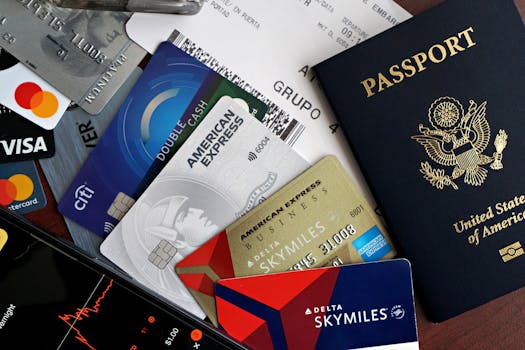 Photo: DΛVΞ GΛRCIΛ / Pexels
 Photo: Karolina Grabowska www.kaboompics.com / Pexels