

Unlock Canada: Smart Budget Travel Tips Canada
budget travel Canada

Unlock Canada: Smart Budget Travel Tips Canada

Breathtaking view of the Canadian Rockies at sunset with a vibrant purple sky.Photo: Nunzio Guerrera / Pexels

Unlock Canada: Smart Budget Travel Tips Canada

Explore Canada's stunning landscapes and vibrant cities affordably with these practical, money-saving strategies.

Start Your Adventure

Key Takeaways

  • ✓ Canada is the world's second-largest country by area, offering diverse landscapes from coast to coast.
  • ✓ Transportation costs can be significant; consider regional passes or alternative modes.
  • ✓ Accommodation is often the largest expense, making camping or hostels budget-friendly choices.
  • ✓ The Canadian dollar (CAD) is the national currency, with varying exchange rates impacting costs.

How It Works

1
Plan Your Route Strategically

Identify key regions or cities you wish to visit and map out a logical, efficient itinerary. Group destinations geographically to minimize travel time and costs.

2
Secure Affordable Accommodation

Research and book hostels, campgrounds, or budget hotels well in advance. Consider options outside major city centers for better rates.

3
Optimize Transportation Choices

Compare flights, trains, buses, and ride-sharing services. Utilize long-distance bus networks or consider carpooling for inter-city travel.

4
Manage Daily Expenses Smartly

Cook your own meals, seek out free attractions, and leverage loyalty programs or discount passes. Track your spending to stay within your budget.

Mastering Accommodation: Your Key to Affordable Canadian Stays

Side view of young smiling ethnic female resting in bed under white blanket with camera and phone and looking away holding curtain in trainPhoto: George Pak / Pexels
One of the most significant line items in any travel budget, especially when exploring a vast country like Canada, is accommodation. The good news is that with a bit of planning and strategic thinking, you can drastically reduce your lodging costs without sacrificing comfort or safety. Forget the notion that budget travel means roughing it; instead, embrace smart choices that free up funds for experiences. Hostels are an absolute game-changer for solo travelers and groups alike. Canada boasts an excellent network of hostels, particularly in major cities like Vancouver, Toronto, and Montreal, and popular tourist destinations such as Banff and Quebec City. These aren't just dorm rooms; many offer private rooms with en-suite bathrooms, providing a hotel-like experience at a fraction of the cost. Beyond the savings, hostels are vibrant social hubs, perfect for meeting fellow travelers and exchanging tips. Look for hostels that include breakfast to save even more on daily food expenses. Websites like Hostelworld and Hostelling International (HI) Canada are your best friends here. Camping presents another fantastic and uniquely Canadian budget option, especially if you're drawn to the country's unparalleled natural beauty. National Parks, Provincial Parks, and private campgrounds offer a range of facilities, from basic tent sites to equipped cabins. While there's a fee, it's significantly less than a hotel, and the experience of sleeping under the stars amidst Canada's wilderness is priceless. Many campgrounds offer amenities like washrooms, showers, and even communal cooking areas. Remember to book well in advance, especially for popular parks like Banff, Jasper, and Gros Morne, as sites fill up quickly, particularly during peak summer months. If you don't own camping gear, consider renting it from outdoor stores in larger cities. Exploring Canada's parks on a budget is an adventure in itself. For those seeking a more traditional roof over their heads but still wanting to save, consider budget hotels, motels, or guesthouses. These often provide basic but clean rooms and are frequently found on the outskirts of cities or along major highways. Websites like Booking.com, Expedia, and Hotels.com allow you to filter by price, guest rating, and amenities. Don't overlook smaller towns, which often have charming local inns that offer great value. Finally, for longer stays or those traveling in groups, consider vacation rentals through platforms like Airbnb or VRBO. While some can be pricey, you can often find entire apartments or homes for less than comparable hotel suites, especially if you're willing to stay slightly outside the main tourist zones. The added benefit of a kitchen allows for significant savings on food, which brings us to our next crucial budget-saving category.

Navigating Canada Affordably: Smart Transportation Strategies

Classic Canadian Brill bus parked inside a vintage vehicle garage. Ideal for history enthusiasts.Photo: Magda Ehlers / Pexels
Canada's immense size is both its allure and its challenge when it comes to budget travel. Spanning almost 10 million square kilometers, getting from one stunning province to another can quickly eat into your budget if not planned carefully. However, with a strategic approach to transportation, you can traverse this beautiful country without breaking the bank. Long-distance buses are often the unsung heroes of budget travel in Canada. Companies like Greyhound (though its intercity service in Western Canada has ceased, other regional operators exist), Coach Canada, and Orléans Express (primarily in Quebec) offer extensive networks connecting major cities and many smaller towns. These services are significantly cheaper than flying or taking the train, and while they might take longer, they offer a comfortable way to see the landscape unfold. Booking tickets in advance, especially during off-peak seasons, can yield even greater savings. Look out for multi-journey passes if you plan on covering a large region. Train travel in Canada, primarily via VIA Rail, offers a scenic and comfortable experience, but it can be expensive, especially for long-haul routes. However, VIA Rail does offer various passes, such as the Canrailpass, which can provide good value if you plan on doing a lot of train travel within a specific period. Keep an eye out for their seat sales and discounts, which are often announced a few months in advance. For shorter regional trips, especially between major cities like Toronto and Montreal, the train can be competitive with flying if booked early. Flying domestically in Canada can be costly, but there are ways to find cheaper fares. Regional airlines and budget carriers like Flair Airlines and Swoop (though Swoop has recently merged with WestJet) often offer competitive prices, especially for routes between major hubs. Always compare prices across different airlines and consider flying into smaller, regional airports if they are close to your final destination, as they sometimes have lower landing fees and thus cheaper fares. Be flexible with your travel dates and times, as mid-week flights are usually cheaper than weekend travel. Use flight comparison websites like Skyscanner, Google Flights, and Kayak, and set up price alerts to be notified when fares drop. For exploring specific regions or national parks, renting a car can be a fantastic option, offering unparalleled flexibility. However, car rentals come with costs: the rental fee itself, insurance, and fuel. To save money, book your rental car far in advance, compare prices from various companies, and consider a smaller, more fuel-efficient vehicle. If traveling with others, carpooling and splitting the costs can make this option very affordable. Gas prices in Canada fluctuate, so factor this into your budget. Many travelers also consider services like Turo, a peer-to-peer car sharing platform, which can sometimes offer better rates than traditional rental agencies. If you're traveling solo or as a couple and don't need a car for the entire trip, look into ride-sharing apps or local public transit within cities. Many Canadian cities have excellent public transit systems that are both efficient and economical, often offering day passes or multi-ride tickets for savings.

Savouring Canada on a Shoestring: Food & Activities for Less

Food truck with 'Order Here' sign in front of a building with a Canadian flag.Photo: Erik Mclean / Pexels
Exploring Canada's diverse culinary scene and engaging in its myriad activities doesn't have to decimate your travel fund. With a bit of ingenuity and local savvy, you can indulge in delicious experiences and unforgettable adventures without overspending. Food and activities are where many travelers unknowingly blow their budget, but they are also areas ripe for significant savings. When it comes to food, the golden rule for budget travelers is: cook your own meals whenever possible. This is where choosing accommodations with kitchen access – whether a hostel, Airbnb, or even a campsite with communal cooking facilities – pays off immensely. Grocery stores in Canada, like Loblaws, Sobeys, Metro, and various regional chains, offer a wide selection of fresh produce, pantry staples, and ready-to-eat options. Planning a few meals in advance, preparing packed lunches, and making your own coffee can save hundreds of dollars over a multi-week trip. Look for local markets, especially farmer's markets, for fresh, often cheaper, ingredients and a taste of local culture. Eating well while traveling affordably is a skill worth developing. While dining out, seek out local eateries, food trucks, and ethnic restaurants, which often offer more authentic and affordable meals than tourist traps. Lunch specials are frequently a better deal than dinner. Don't be afraid to ask locals for their favourite budget-friendly spots. Fast-casual chains like Tim Hortons are ubiquitous and offer inexpensive coffee and baked goods, making them a Canadian institution for a quick, cheap bite. For activities, Canada offers an incredible array of free or low-cost options, particularly for nature lovers. National Parks and Provincial Parks are often the highlights of a Canadian journey, and while there's an entrance fee (consider the Parks Canada Discovery Pass for unlimited entry to all national parks for a year if you plan on visiting several), the experiences within are priceless. Hiking, swimming, wildlife viewing, and picnicking are all free once you're inside. Many cities also boast beautiful urban parks, free museums on certain days, public art installations, and vibrant waterfronts perfect for strolling. Look for free walking tours offered in major cities, which are a fantastic way to learn about the history and culture of a place from a local perspective (just remember to tip your guide!). Check local tourism websites or event listings for free festivals, concerts, or community events happening during your visit. Many museums offer free admission on specific evenings or days of the week. Consider purchasing multi-attraction passes if you plan to visit several paid attractions in a single city, as these can offer significant discounts. However, do the math to ensure the pass genuinely saves you money based on the attractions you intend to visit. Embrace the outdoors – Canada's natural beauty is its biggest draw, and activities like hiking, cycling, and exploring beaches are often free and offer some of the most memorable experiences.

Smart Budget Travel Tips Canada: Avoiding Common Pitfalls
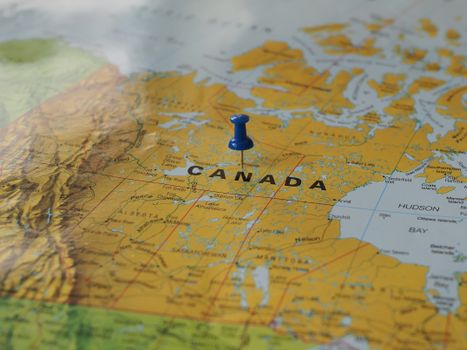
Yellow map of Canada with a blue pin marking a location.Photo: Beate Vogl / Pexels
Traveling Canada on a budget requires more than just knowing where to save; it also means understanding what to avoid. Many common travel mistakes can quickly inflate your expenses, turning a planned budget trip into a costly ordeal. By being aware of these pitfalls, you can navigate your journey more effectively and keep your finances in check. Here are some crucial tips to help you avoid common budget travel mistakes: * **Don't ignore travel insurance:** While it seems like an extra cost, medical emergencies or unexpected trip cancellations can be astronomically expensive in Canada. A good travel insurance policy is a non-negotiable budget safeguard. * **Avoid peak season travel if possible:** Summer (June-August) and major holidays see the highest prices for flights, accommodation, and attractions. Traveling in shoulder seasons (April-May, September-October) offers pleasant weather, fewer crowds, and significantly lower costs. * **Don't rely solely on credit cards for all purchases:** While convenient, foreign transaction fees can add up. Use a no-foreign-transaction-fee credit card or carry a small amount of cash for smaller purchases, especially in rural areas where card readers might be less common or prefer cash for smaller transactions. * **Don't forget about taxes and tips:** Prices listed in Canada generally don't include sales tax (GST/HST/PST), which can add 5-15% to your purchase. Tipping is also customary for service industries (restaurants, taxis, etc.), typically 15-20%. Factor these into your budget. * **Avoid last-minute bookings for major expenses:** Flights, popular accommodations, and rental cars are almost always more expensive when booked close to your travel date. Plan and book these well in advance for the best rates. * **Don't overpack:** Airlines charge hefty fees for overweight or extra luggage. Travel light to avoid these surcharges, especially if you're taking budget airlines. * **Don't underestimate distances:** Canada is vast. Trying to cram too many distant locations into a short trip will lead to excessive transportation costs and exhaustion. Focus on a region or two to save time and money. * **Avoid unnecessary souvenir shopping:** While a small memento is nice, resist the urge to buy expensive, often mass-produced souvenirs. Focus on experiences and take photos instead. * **Don't neglect free activities:** Canada is rich in natural beauty and free cultural experiences. Prioritize hiking, park visits, and exploring public spaces over expensive paid attractions. Check local libraries or community centers for free events. * **Avoid paying for bottled water:** Tap water in Canada is safe to drink almost everywhere. Carry a reusable water bottle and refill it to save money and reduce plastic waste. By being mindful of these common pitfalls, you can stretch your budget further and enjoy a stress-free adventure across Canada.

Comparison

FeatureBest Budget OptionMid-Range OptionHigh-End Option
AccommodationHostel Dorm/CampingBudget Hotel/Private Hostel RoomBoutique Hotel/Resort
TransportationLong-distance Bus/CarpoolEconomy Flight/VIA Rail PassBusiness Class Flight/Rental Car
FoodGrocery Store Meals/PicnicsCasual Dining/Food TrucksFine Dining/Chef Restaurants
ActivitiesFree Parks/Hiking/MuseumsGuided Tours/Select Paid AttractionsAdventure Sports/Exclusive Experiences

What Our Readers Say

5 ★★★★★

"These budget travel tips for Canada were a lifesaver! I managed to explore Banff and Vancouver on a fraction of what I expected. The hostel recommendations and food-saving ideas were particularly useful."

5 ★★★★★

"I followed the advice on transportation and booked my bus passes well in advance. It saved me a ton of money traveling across Quebec and Ontario. Truly invaluable budget travel tips Canada has to offer."

5 ★★★★★

"Thanks to these tips, I hiked through several National Parks and cooked most of my meals, cutting my daily expenses by over 40%. My trip to the Rockies felt luxurious, even on a tight budget!"

4 ★★★★☆

"Mostly excellent advice, especially the camping tips. I found some great deals. A bit more on regional public transport outside major cities would be helpful, but overall, solid budget travel tips Canada."

5 ★★★★★

"As a student, I thought Canada was out of reach. But with these budget travel tips, I planned an incredible two-week journey through the Maritimes. Cooking at hostels made a huge difference!"

Frequently Asked Questions

What's the best time of year for budget travel in Canada?
The shoulder seasons (late April to early June and September to October) are generally best for budget travel in Canada. You'll find lower prices for flights and accommodations, fewer crowds, and pleasant weather, making it ideal for outdoor activities without the peak summer rush or winter cold.
Is it safe to travel Canada on a very tight budget?
Yes, Canada is a very safe country, and traveling on a tight budget is entirely feasible. Prioritizing safety means choosing well-reviewed accommodations (like reputable hostels), being aware of your surroundings, and ensuring you have travel insurance, especially for medical emergencies. Many budget options are very secure.
How can I save on food costs while traveling across Canada?
The most effective way to save on food is to buy groceries and cook your own meals. Look for accommodations with kitchen access. When dining out, opt for lunch specials, food trucks, or local eateries away from main tourist areas. Carry a reusable water bottle to avoid buying bottled water.
What's the average daily budget for a frugal traveler in Canada?
For a frugal traveler, a daily budget in Canada could range from CAD $60-100. This would typically cover hostel dorms or camping, cooking most meals, using public transport or buses, and enjoying free activities like hiking. This can fluctuate significantly based on region and personal choices.
How does traveling Canada by bus compare to train or flying for budget travelers?
Long-distance buses are almost always the most budget-friendly option for inter-city travel in Canada, albeit slower. Trains (VIA Rail) offer comfort and scenic routes but are generally more expensive unless a special pass is purchased. Flying can be quick but costly; budget airlines exist, but often with additional baggage fees.
Who should use budget travel tips Canada to plan their trip?
Anyone looking to explore Canada's incredible landscapes and vibrant cities without overspending should utilize these budget travel tips. They are particularly useful for students, backpackers, young professionals, and families who want to maximize their experiences while minimizing financial outlay.
Are there any hidden costs to be aware of when planning a budget trip to Canada?
Yes, be aware of sales taxes (GST/HST/PST), which are added at checkout and vary by province. Tipping for service is also customary (15-20%). National and Provincial Park entry fees, and potential baggage fees for budget airlines, are other common hidden costs to factor into your planning.
What are some emerging trends in budget travel for Canada?
Emerging trends include increased popularity of glamping and unique eco-lodges that offer budget-friendly nature experiences, more accessible car-sharing platforms (like Turo), and a growing emphasis on local, sustainable tourism which often aligns with budget-conscious choices and community-based experiences.

Ready to explore the breathtaking beauty of Canada without draining your wallet? Apply these comprehensive budget travel tips Canada has to offer, from smart accommodation choices to savvy transportation and delicious, affordable dining. Start planning your unforgettable Canadian adventure today and prove that world-class travel doesn't have to come with a hefty price tag.

Topics: budget travel Canadacheap Canada tripsaffordable Canadian traveltravel Canada on a budgetsave money Canada travel
Leo List
Brampton weed
Adultwork