✓ Vancouver Island is a prime location for whale watching, particularly for Orcas, Humpbacks, and Grey Whales.
✓ The peak whale watching season generally runs from April to October.
✓ Victoria, Ucluelet, and Tofino are major hubs for whale watching departures.
✓ Tours typically last 3-5 hours and offer a variety of vessel types, from zodiacs to larger boats.
How It Works
1
Choose Your Departure Location
Identify whether you'll be departing from the south (Victoria, Sooke) or west coast (Tofino, Ucluelet) of Vancouver Island. Your location will influence the types of whales and scenery you'll encounter.
2
Select Your Vessel Type
Decide between an exhilarating open-air zodiac for a close-to-the-water experience or a larger, more stable covered vessel offering amenities like washrooms and indoor viewing areas. Each offers a distinct experience.
3
Research & Compare Operators
Look for reputable companies with strong safety records, experienced naturalists, and positive reviews. Compare pricing, tour durations, and inclusions to find the best fit for your budget and preferences.
4
Book in Advance & Prepare
Especially during peak season, booking your tour well in advance is crucial to secure your spot. Confirm what to wear (layers are key!), what to bring, and arrive early for check-in.
Understanding Vancouver Island's Whale Watching Seasons and Species
Photo: Silvana Palacios / Pexels
Vancouver Island is a world-renowned destination for marine wildlife, offering unparalleled opportunities to witness whales in their natural habitat. To truly book a whale watching tour on Vancouver Island that meets your expectations, it's crucial to understand the seasonal patterns and the species you're most likely to encounter. The prime whale watching season generally stretches from April to October, but each period offers unique highlights. Spring on Vancouver Island, from April to May, marks the arrival of the Grey Whales. These magnificent baleen whales migrate north from Baja California to the Bering Sea, passing close to the west coast of Vancouver Island, particularly around Tofino and Ucluelet. Their journey is one of the longest migrations of any mammal, making their sighting a truly special event. During this time, you might see mothers and calves, and witness their distinctive 'spyhopping' or breaching behaviors. The waters also start to become more active with other marine life, preparing for the busier summer months.
As summer progresses, from June to September, the focus shifts to the majestic Humpback Whales and the iconic Orcas (Killer Whales). Humpbacks, known for their acrobatic displays such as breaching and tail-slapping, are commonly found feeding in the nutrient-rich waters around the island. Their return to these feeding grounds after wintering in warmer waters is a spectacular sight. Orcas, particularly the Southern Resident Killer Whales and Transient (Bigg's) Killer Whales, are present year-round, but their sightings become more frequent and predictable in the summer. Southern Residents primarily feed on salmon, and their populations are closely monitored, making ethical viewing practices paramount. Transient Orcas, on the other hand, hunt marine mammals like seals and sea lions, offering a different dynamic to their behavior.
Beyond these marquee species, a whale watching tour on Vancouver Island might also introduce you to Minke Whales, often mistaken for smaller Humpbacks, and various other marine animals. Dall's Porpoises, known for their incredible speed, and Harbour Porpoises are common companions, often seen playfully darting through the waves. You'll also likely spot several species of seals and sea lions, including Harbour Seals, California Sea Lions, and Steller Sea Lions, often basking on rocky outcrops or frolicking in the water. Bald Eagles soar overhead, and various seabirds like cormorants, guillemots, and murres are abundant. Understanding these seasonal variances allows you to tailor your trip to your desired experience, whether it's witnessing the Grey Whale migration or hoping for an Orca encounter. Always check with your chosen operator for the most up-to-date information on recent sightings and what to expect during your specific travel dates. This preparation is key to maximizing your chances of a truly unforgettable wildlife experience.
Choosing Your Ideal Departure Point on Vancouver Island
Photo: Jyju Jossey / Pexels
Vancouver Island offers several fantastic departure points for whale watching tours, each with its own unique advantages and access to different marine environments. When you decide to book a whale watching tour on Vancouver Island, your choice of departure location will significantly influence your experience.
Victoria, the provincial capital located at the southern tip of Vancouver Island, is arguably the most popular and accessible starting point. Its strategic position in the Salish Sea means tours from Victoria have excellent access to the waters frequented by both Southern Resident and Transient Orcas, as well as Humpback Whales. The city boasts a large number of reputable operators, offering a wide range of vessels from high-speed zodiacs to larger, more comfortable catamarans with indoor viewing areas and amenities. Tours from Victoria often navigate through stunning coastal scenery, including the Strait of Juan de Fuca and the Gulf Islands. The convenience of Victoria's international airport and ferry terminals makes it an easy choice for many travelers.
Moving to the west coast of Vancouver Island, Ucluelet and Tofino stand out as prime locations, especially for Grey Whale sightings during their spring migration. These charming coastal towns are nestled within the Pacific Rim National Park Reserve, offering a more rugged and wild Pacific experience. From Ucluelet, tours venture into the open Pacific, where the chances of encountering Grey Whales are exceptionally high in spring. Humpbacks are also frequently seen here during the summer months. Tofino, just a short drive north of Ucluelet, offers similar opportunities with its own array of experienced operators. The dramatic coastline, ancient rainforests, and expansive beaches add another layer of beauty to the whale watching adventure from these locations. While the journey to Ucluelet and Tofino is longer than to Victoria, the reward is a truly immersive wild west coast experience.
Other smaller communities like Sooke, just west of Victoria, and Telegraph Cove, on the northern end of Vancouver Island, also offer specialized whale watching experiences. Sooke provides a slightly less crowded alternative to Victoria, with access to similar marine wildlife. Telegraph Cove, particularly famous for its Orca Research Centre and the abundance of Northern Resident Killer Whales, offers a unique opportunity to learn about these specific Orca populations in a more remote setting. When planning to book a whale watching tour on Vancouver Island, consider your overall itinerary, the type of whales you hope to see, and the kind of coastal environment you wish to explore. Each departure point promises a distinct and memorable encounter with the ocean's giants.
Vessel Types and Onboard Experience: What to Expect
Photo: Stuart Robinson / Pexels
When you decide to book a whale watching tour on Vancouver Island, one of the most significant choices you'll make, beyond the departure point, is the type of vessel you'll be on. This decision will largely dictate the nature of your experience, from the level of exhilaration to the comfort and amenities available. Understanding the differences is key to selecting the perfect tour for your preferences and ensuring an enjoyable outing.
**Zodiacs and Rigid Hull Inflatable Boats (RHIBs):** These are the go-to choice for adventure seekers looking for an up-close and personal encounter with marine life. Zodiacs are fast, agile, and sit low to the water, offering an exhilarating ride and a feeling of being truly immersed in the ocean environment. They typically carry a smaller number of passengers (usually 12-24), which means a more intimate experience and unobstructed views. Passengers sit astride the boat, often with a full-body floatation suit provided for warmth and safety. While zodiacs offer an unparalleled sense of speed and proximity to the water, they are exposed to the elements, meaning you'll feel the wind, spray, and ocean swells more acutely. This can be fantastic on a calm, sunny day but less comfortable in choppier conditions. They are generally not recommended for individuals with back or neck issues, pregnant women, or very young children due to the potentially bumpy ride. However, for those seeking adrenaline and an unobstructed view of wildlife, zodiacs are an unbeatable option to book a whale watching tour on Vancouver Island. Consider the weather forecast when choosing a zodiac tour.
**Larger, Covered Vessels (Catamarans and Custom-Built Boats):** For those prioritizing comfort, stability, and amenities, larger vessels are the ideal choice. These boats typically accommodate more passengers but offer a much smoother ride due to their size and design. They often feature both indoor heated cabins with large viewing windows and outdoor deck space, allowing passengers to move around freely. Amenities can include washrooms, snack bars, and sometimes even a gift shop. The higher vantage point from a larger vessel can offer a different perspective of the whales and the surrounding landscape. While you might not feel as 'close' to the water as on a zodiac, the stability and protection from the elements make these tours suitable for all ages, including families with young children, seniors, and individuals with mobility concerns. Many larger boats also come equipped with hydrophones, allowing passengers to listen to the underwater vocalizations of whales, adding another fascinating dimension to the tour.
Regardless of the vessel type, all reputable whale watching tours on Vancouver Island adhere to strict wildlife viewing guidelines to ensure the safety and well-being of the animals. This includes maintaining safe distances and never disturbing natural behaviors. Onboard naturalists or marine biologists are a standard feature on most tours, providing invaluable commentary, identifying species, and sharing fascinating facts about the marine ecosystem. They enhance the educational aspect of the trip, turning a simple sighting into a deeper understanding of these magnificent creatures and their environment. When you book a whale watching tour on Vancouver Island, consider which vessel type aligns best with your desire for adventure versus comfort, and your physical capabilities.
Essential Tips for a Successful Whale Watching Experience
Photo: 光旭 杨 / Pexels
To ensure you have the most incredible and memorable experience when you book a whale watching tour on Vancouver Island, a little preparation goes a long way. Here are some essential tips to consider before, during, and after your adventure:
* **Book in Advance, Especially for Peak Season:** This cannot be stressed enough. Whale watching tours, particularly those departing from popular spots like Victoria and Tofino, sell out quickly during the summer months (June-September) and holiday weekends. Booking online several weeks or even months ahead guarantees your spot and often allows you to secure preferred departure times or specific vessel types. Many operators offer online booking with instant confirmation.
* **Dress in Layers:** Even on a sunny day, the ocean air can be surprisingly cool, especially on a moving boat. Dressing in multiple layers allows you to adjust to changing temperatures. A waterproof and windproof outer layer is highly recommended, regardless of the forecast, as sea spray can be a factor, particularly on zodiacs.
* **Bring Sun Protection:** The sun's rays reflect off the water, increasing your exposure. Pack sunscreen, sunglasses (polarized are best for reducing glare), and a wide-brimmed hat that won't blow off in the wind.
* **Stay Hydrated and Bring Snacks:** While some larger vessels offer snacks, it's always wise to bring your own water bottle and a small, non-messy snack to keep your energy up during the 3-5 hour tour. Avoid sugary drinks that can lead to energy crashes.
* **Consider Motion Sickness Medication:** If you're prone to seasickness, take preventative medication at least an hour before departure. Ginger candies or wristbands can also help. Choosing a larger, more stable vessel can also mitigate motion sickness.
* **Camera with a Good Zoom:** You'll want to capture those incredible moments, but remember that you'll be at a distance from the whales. A camera with a telephoto lens (200mm or more) will yield the best results. Protect your electronics from water spray.
* **Binoculars:** While naturalists often have high-powered binoculars, bringing your own can enhance your personal viewing experience, allowing you to spot distant wildlife or details on closer animals.
* **Listen to Your Naturalist:** The onboard naturalists are experts. They provide invaluable information, spot wildlife, and ensure responsible viewing. Pay attention to their instructions and insights; they'll enrich your understanding of the marine ecosystem.
* **Be Patient and Enjoy the Journey:** Wildlife sightings are never guaranteed. While operators have high success rates, remember that these are wild animals in their natural environment. Embrace the entire experience – the stunning coastal scenery, the fresh ocean air, and the anticipation of a sighting. Sometimes, the journey itself is as rewarding as the destination.
* **Support Responsible Tourism:** Choose operators that are certified by organizations like the Pacific Whale Watch Association (PWWA) and adhere to their strict guidelines for ethical wildlife viewing. This ensures the long-term health and protection of the marine environment you're there to appreciate.
By following these tips, you'll be well-prepared to book a whale watching tour on Vancouver Island and create memories that will last a lifetime.
Comparison
Feature
Victoria (South Island)
Ucluelet/Tofino (West Coast)
Telegraph Cove (North Island)
Primary Species
Orcas, Humpbacks
Grey Whales, Humpbacks
Northern Resident Orcas, Humpbacks
Best Season
June-Sept (Orcas), May-Oct (Humpbacks)
March-May (Greys), June-Sept (Humpbacks)
July-Sept
Vessel Variety
High (Zodiacs, Large Catamarans)
Medium (Zodiacs, Smaller Cruisers)
Limited (Smaller Cruisers, Zodiacs)
Accessibility
Very High (Near airport/ferry)
Medium (Longer drive)
Low (Remote, long drive)
Coastal Scenery
Gulf Islands, Salish Sea
Rugged Pacific Coast, Rainforest
Johnstone Strait, Fjords
What Readers Say
★★★★★
"Booking our whale watching tour from Victoria was incredibly easy. We saw three different pods of Orcas and a Humpback breaching! The naturalists were so knowledgeable, making it an unforgettable experience."
Sarah J. · Seattle, WA
★★★★★
"We chose a zodiac tour from Tofino to book our whale watching tour on Vancouver Island, and it was absolutely thrilling. We got so close to a Grey Whale (at a respectful distance, of course!) and the ride was exhilarating. Highly recommend!"
Mark D. · Calgary, AB
★★★★★
"After struggling to decide, we used a guide to book a whale watching tour on Vancouver Island and ended up choosing a large catamaran from Victoria. We saw countless seals, eagles, and a magnificent Humpback feeding. The onboard hydrophone was a highlight, letting us hear the whales sing."
Emily R. · London, UK
★★★★★
"Our tour from Ucluelet was fantastic, though we only saw one Humpback and some porpoises. The scenery was stunning, and the guide's passion for marine life made the trip worthwhile, even if the whales were a bit shy that day. I'd still book a whale watching tour on Vancouver Island again."
David L. · Vancouver, BC
★★★★★
"As a photographer, I needed a stable platform. The larger vessel I booked allowed me to capture amazing shots of Orcas. The crew knew exactly where to position the boat for the best angles while respecting the whales. Definitely the best way to book a whale watching tour on Vancouver Island."
Jessica M. · Portland, OR
Frequently Asked Questions
What is the best time of year to book a whale watching tour on Vancouver Island?
The peak season for whale watching on Vancouver Island is from April to October. April and May are excellent for Grey Whale migration on the west coast. June through September offers the best chances to see Orcas and Humpback Whales across the island, with September often having calmer waters and fewer crowds.
Are whale sightings guaranteed on Vancouver Island tours?
While tour operators have an incredibly high success rate (often 90-95% or more), whale sightings are never 100% guaranteed as these are wild animals. Reputable companies often offer a 'whale guarantee,' meaning if no whales are sighted, you'll receive a voucher for another tour or sometimes a partial refund. Always check the specific guarantee policy of your chosen operator before you book a whale watching tour on Vancouver Island.
What should I wear and bring on a whale watching tour?
Dress in layers, including a warm, waterproof, and windproof outer layer, even on sunny days. Bring a hat, gloves (especially for zodiacs), sunglasses, and sunscreen. A camera with a zoom lens, binoculars, a small backpack for essentials, and motion sickness medication (if needed) are also highly recommended. Many operators provide flotation suits for zodiac tours.
How much does it cost to book a whale watching tour on Vancouver Island?
Prices vary depending on the operator, vessel type, tour duration, and departure location. Generally, expect to pay between CAD $120 and $180 per adult for a 3-4 hour tour. Shorter or longer, specialized tours may fall outside this range. Family packages and off-season discounts might be available, so it's worth checking with specific companies.
Is whale watching ethical, and how can I choose a responsible operator?
Yes, ethical whale watching is possible and promoted by responsible operators. Choose companies that are members of the Pacific Whale Watch Association (PWWA) or similar organizations, which adhere to strict guidelines for approaching marine wildlife. These guidelines ensure minimal disturbance to the animals. Look for operators who employ certified naturalists and prioritize education and conservation in their tours.
Who should book a whale watching tour on Vancouver Island?
Anyone with an interest in marine wildlife, nature photography, or simply seeking an exhilarating outdoor adventure should book a whale watching tour on Vancouver Island. It's suitable for families (with age restrictions for zodiacs), couples, solo travelers, and nature enthusiasts of all ages who want to experience the awe-inspiring beauty of British Columbia's coastal environment and its magnificent inhabitants.
What are the safety considerations for whale watching tours?
All reputable tour operators prioritize safety. Vessels are equipped with necessary safety gear (life jackets, first aid, communication devices) and staffed by trained crew. Listen carefully to the safety briefing before departure. If you have any medical conditions or mobility concerns, inform the operator when you book a whale watching tour on Vancouver Island to ensure they can accommodate you safely, especially if considering a zodiac.
Are there any alternative ways to see whales around Vancouver Island?
While boat tours offer the best chance, you can sometimes spot whales from shore, particularly Grey Whales during migration from coastal viewpoints like Amphitrite Lighthouse near Ucluelet or various points in the Pacific Rim National Park. Kayaking tours also offer an intimate, albeit more challenging, way to observe marine life, but these tours maintain strict distance protocols for whale encounters.
Ready to witness the majestic giants of the Pacific? Use this comprehensive guide to book a whale watching tour on Vancouver Island and embark on an unforgettable journey into the heart of British Columbia's vibrant marine ecosystem. Your adventure with Orcas, Humpbacks, and Grey Whales awaits.

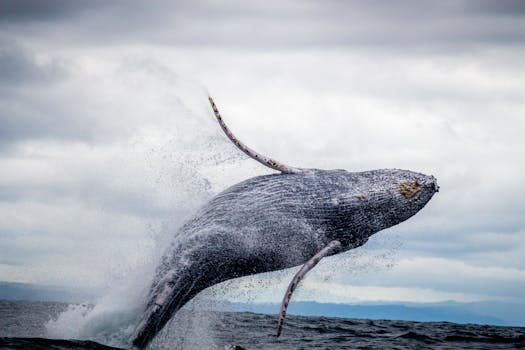 Photo: Silvana Palacios / Pexels
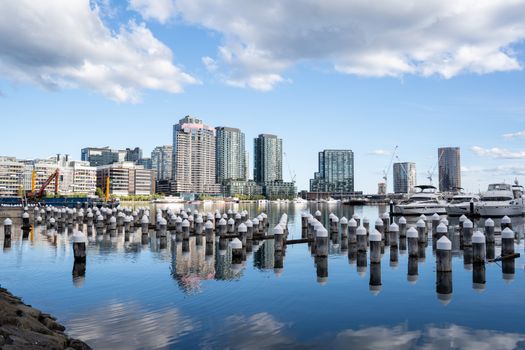 Photo: Jyju Jossey / Pexels
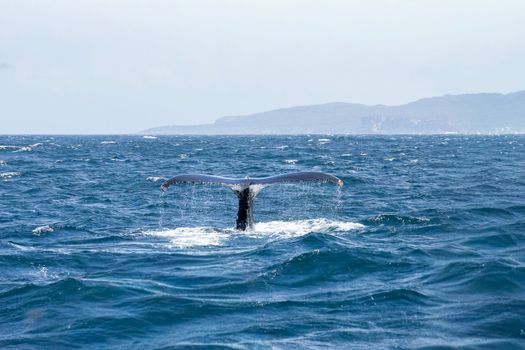 Photo: Stuart Robinson / Pexels
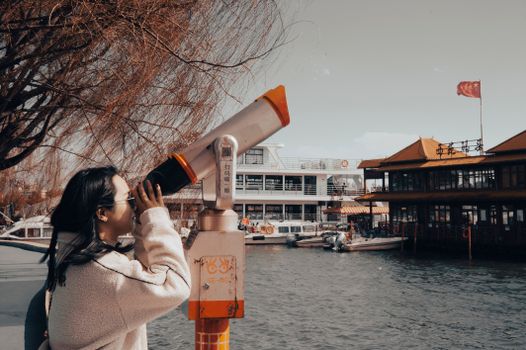 Photo: 光旭 杨 / Pexels