✓ Quebec City offers distinct experiences in all four seasons.
✓ Summer (June-August) is peak tourist season with warm weather and festivals.
✓ Winter (December-March) is magical with snow, ice, and winter sports.
✓ Shoulder seasons (spring/fall) offer fewer crowds and unique charm.
How It Works
1
Define Your Priorities
Consider what kind of experience you're seeking: warm weather, winter sports, cultural festivals, or vibrant foliage. Your preferences will guide your timing.
2
Research Seasonal Activities
Once you have a general idea, delve into specific events, attractions, and weather patterns for each season. This helps align your interests with the city's offerings.
3
Check Event Calendars
Major festivals and events can significantly impact your experience and accommodation availability. Always cross-reference your dates with local event schedules.
4
Book in Advance
Especially for peak seasons like summer and winter carnival, securing flights and accommodations well in advance is crucial. This ensures better prices and availability.
Embracing the Winter Wonderland: December to March
Photo: Ashley Costello / Pexels
Quebec City in winter is nothing short of a fairytale. From December to March, the city transforms into a pristine, snow-covered landscape, reminiscent of an old European village. This is arguably the most iconic time to visit if you dream of snow-dusted cobblestone streets, ice skating, and cozy evenings. Temperatures typically range from -5°C to -15°C (23°F to 5°F), with colder snaps not uncommon. Layering is absolutely essential – think thermal base layers, warm sweaters, a waterproof and insulated coat, gloves, a hat, and sturdy, waterproof boots.
The highlight of the winter season is undoubtedly the Quebec Winter Carnival, usually held in late January to mid-February. This world-renowned festival brings the city to life with ice canoe races, snow sculptures, night parades, and the famous Bonhomme Carnaval. Beyond the carnival, visitors can enjoy ice skating at Place D'Youville, exploring the illuminated Old Quebec, or even trying out ice climbing on the Montmorency Falls (weather permitting). Skiing and snowboarding enthusiasts will find excellent resorts like Mont-Sainte-Anne and Stoneham within a short drive.
While the cold can be intense, the unique charm and festive atmosphere make it an unforgettable experience. Accommodation prices can be higher during the Winter Carnival, so booking well in advance is highly recommended. Many hotels offer packages that include carnival passes. Dining in cozy restaurants with roaring fireplaces becomes a cherished activity, and sipping on a hot chocolate or a traditional caribou drink (a local alcoholic beverage) warms you from the inside out. Don't forget to visit the Hôtel de Glace (Ice Hotel) just outside the city, a truly unique architectural marvel that is rebuilt every year. Winter in Quebec City is an active season, perfect for those who love outdoor activities and a festive, vibrant atmosphere despite the chill. The city truly shines under a blanket of snow, offering countless photographic opportunities and a magical ambiance that is hard to replicate elsewhere. Discover more about Quebec's winter attractions.
Savoring the Summer Charm: June to August
Photo: Gupta Sahil / Pexels
Summer in Quebec City, from June to August, is a period of vibrant energy, warm weather, and a packed calendar of outdoor activities and festivals. This is the peak tourist season, and for good reason. Temperatures are comfortably warm, typically ranging from 20°C to 25°C (68°F to 77°F), making it ideal for exploring the city's historic streets on foot, dining al fresco, and enjoying the numerous parks and green spaces. While the days are generally sunny and pleasant, occasional rain showers are common, so packing a light rain jacket or umbrella is advisable.
The city truly comes alive during summer. The Plains of Abraham, a vast urban park, hosts the Festival d'été de Québec (Quebec City Summer Festival), one of North America's largest music festivals, attracting international artists and huge crowds. Beyond this major event, you'll find street performers, outdoor concerts, and various cultural celebrations throughout the summer months. Boat tours on the St. Lawrence River offer stunning views of the city skyline and the surrounding landscape.
Exploring Old Quebec's charming narrow streets, browsing artisan shops, and visiting iconic landmarks like the Château Frontenac and Notre-Dame de Québec Basilica-Cathedral are even more enjoyable under the summer sun. Pedestrian areas are bustling, and the atmosphere is lively and celebratory. Due to its popularity, summer sees the highest number of tourists, which means attractions can be crowded, and accommodation prices are at their peak. Booking flights and hotels several months in advance is crucial to secure your preferred options and avoid disappointment.
Day trips to Île d'Orléans, a picturesque island known for its rural charm, farms, and local produce, are also popular. Visitors can cycle around the island, sample local delicacies, and enjoy scenic views. The Montmorency Falls Park offers zip-lining and a cable car ride, providing breathtaking vistas of the falls and the St. Lawrence River. Summer evenings are perfect for strolling along the Dufferin Terrace, enjoying the fresh air and the illuminated cityscape. This season is perfect for those who love bustling atmospheres, outdoor activities, and soaking up the sun while exploring historical sites. The city’s gardens are in full bloom, adding to the picturesque scenery and making every corner a photo opportunity. Expect a lively, energetic experience where there's always something happening around every corner, from street performers to open-air markets. The extended daylight hours allow for longer days of exploration and enjoyment.
The Serenity of Shoulder Seasons: Spring and Fall
Photo: Abdel Achkouk / Pexels
For travelers seeking a balance between good weather, fewer crowds, and often better prices, the shoulder seasons of spring (April-May) and fall (September-October) are ideal times to visit Quebec City. Each offers its unique charm, providing a different perspective of the city's beauty.
Spring in Quebec City is a season of reawakening. As the snow melts away in April, the city gradually sheds its winter coat, revealing budding trees and emerging greenery. Temperatures in April typically range from 5°C to 12°C (41°F to 54°F), warming up to 10°C to 18°C (50°F to 64°F) in May. While April can still be chilly with unpredictable weather, including late snowfalls, May usually brings pleasant, mild days perfect for walking. This is maple syrup season, and a visit to a traditional sugar shack (cabane à sucre) for a hearty meal and maple taffy on snow is a quintessential Quebec experience. The city is less crowded than in summer, allowing for a more relaxed exploration of its historical sites and museums. Learn more about Quebec's springtime activities.
Fall, particularly September and early October, is arguably one of the most beautiful times to visit Quebec City. The surrounding landscapes burst into a spectacular array of red, orange, and gold foliage, creating breathtaking scenery. Temperatures are crisp and comfortable, ranging from 10°C to 18°C (50°F to 64°F) in September, cooling down to 5°C to 12°C (41°F to 54°F) in October. This period offers excellent weather for sightseeing, hiking in nearby parks like Jacques-Cartier National Park, and enjoying the vibrant fall colors. The crowds begin to thin out after the summer rush, leading to shorter lines at attractions and more serene experiences.
Both spring and fall provide a more intimate experience of Quebec City. Accommodation and flight prices are generally lower than in peak summer or during the Winter Carnival. Dining experiences are still excellent, with local produce coming into season. In spring, you might catch the last glimpses of ice on the St. Lawrence, while fall offers the perfect backdrop for romantic strolls and photographic opportunities. These seasons are perfect for those who prefer a quieter visit, appreciate natural beauty, and are looking for a more budget-friendly trip without sacrificing the charm and cultural richness of Quebec City. Packing layers is key for both seasons, as temperatures can fluctuate throughout the day. Spring might require a warm jacket and waterproof shoes, while fall calls for sweaters and a medium-weight coat to enjoy the crisp air. The changing light and fewer tourists create a truly magical atmosphere for exploration.
Planning Your Perfect Quebec City Getaway: Tips and Considerations
Photo: Eky Rima Nurya Ganda / Pexels
Choosing the best time to visit Quebec City ultimately depends on your personal preferences and what you hope to experience. However, there are several key considerations that apply regardless of the season you choose, ensuring a smoother and more enjoyable trip.
**Budget and Crowds:**
* **Peak Seasons (Summer & Winter Carnival):** Expect higher prices for flights and accommodations, and larger crowds at popular attractions. Booking well in advance (3-6 months) is essential.
* **Shoulder Seasons (Spring & Fall):** Generally offer better value and fewer crowds. You can often find deals on hotels and flights, and enjoy a more relaxed pace.
**Weather Preparedness:**
* **Winter:** Essential to pack heavy winter gear: insulated waterproof coat, thermal layers, hat, gloves, scarf, and waterproof boots with good grip.
* **Summer:** Light layers, comfortable walking shoes, sunglasses, sun hat, and a light rain jacket/umbrella are recommended.
* **Spring/Fall:** Layering is crucial. A medium-weight coat, sweaters, and waterproof shoes are advisable, as weather can be unpredictable.
**Events and Festivals:**
* Always check the official Quebec City tourism website for specific event dates before booking. Festivals like the Summer Festival or Winter Carnival can significantly impact hotel availability and prices.
**Transportation:**
* Quebec City's Old Town is very walkable, but public transport (RTC) is efficient for exploring areas outside the core. In winter, walking on icy cobblestones requires caution and appropriate footwear.
**Language:**
* French is the official language, but English is widely spoken in tourist areas, hotels, and restaurants. Learning a few basic French phrases (bonjour, merci, s'il vous plaît) is always appreciated.
**Dining:**
* Quebec City is a culinary delight. Make reservations for popular restaurants, especially during peak season or on weekends, to avoid disappointment. Don't miss local specialties like poutine, tourtière, and maple products.
**Mistakes to Avoid:**
* **Underestimating winter cold:** Many visitors arrive unprepared for the intense cold. Proper gear is non-negotiable for comfort and safety.
* **Not booking in advance during peak times:** Waiting until the last minute can lead to fully booked accommodations or exorbitant prices.
* **Over-scheduling:** Quebec City is best enjoyed at a leisurely pace. Allow time for spontaneous discoveries and soaking in the atmosphere.
* **Ignoring local customs:** While generally welcoming, respecting local customs and the French language enriches your experience.
By keeping these tips in mind, you can optimize your visit to Quebec City, ensuring that no matter when you go, you’ll have an enriching and memorable experience tailored to your desires. The city’s unique blend of history, culture, and natural beauty makes it a captivating destination year-round, but a little planning goes a long way in maximizing your enjoyment.
Foliage (fall), maple syrup (spring), less crowded sightseeing
Scenery
Lush green, vibrant
Snow-covered, magical
Spring blossoms, autumn colors
Best for
Lively atmosphere, events
Unique winter experience
Relaxed exploration, budget
Booking Lead Time
4-6 months
3-5 months
1-3 months
Required Gear
Light layers, rain jacket
Heavy winter clothing, waterproof boots
Layers, medium coat, waterproof shoes
What Readers Say
★★★★★
"Visiting Quebec City during the Winter Carnival was an absolute dream! The city was alive with energy, and the snow sculptures were incredible. Definitely the best time to visit Quebec City for a truly magical experience, despite the cold."
Sarah L. · Toronto, ON
★★★★★
"We went in early September, and the fall foliage was just starting to turn. The weather was perfect for walking, and the crowds were manageable. It felt like the ideal balance for exploring the city's history and enjoying the natural beauty."
Mark D. · Boston, MA
★★★★★
"Our summer trip during the Festival d'été de Québec was unforgettable. The music, the food, the vibrant street life – it was an incredible atmosphere. We really felt the pulse of the city, making it the best time to visit Quebec City for cultural immersion."
Jessica M. · New York, NY
★★★★★
"We chose late April for our visit, hoping for fewer crowds and some spring weather. It was a bit chilly and still had some lingering snow, but we enjoyed the quiet charm and the authentic maple sugar shack experience. Definitely worth it for the unique local feel."
David P. · Vancouver, BC
★★★★★
"For a romantic getaway, early October with the stunning autumn colors was perfect. The crisp air and beautiful scenery made our walks around the Old City truly special. Highly recommend this period for couples looking for a picturesque escape."
Emily R. · London, UK
Frequently Asked Questions
What is the absolute best time to visit Quebec City for first-timers?
For first-time visitors, summer (June to August) is often considered the best time due to the warm weather, numerous festivals, and vibrant outdoor atmosphere. However, if you dream of a true winter wonderland, the period around the Winter Carnival (late January to mid-February) offers a uniquely magical experience that many consider unparalleled.
Is Quebec City too cold to visit in winter?
While Quebec City winters are undeniably cold, often dropping well below freezing, it is a fantastic time to visit if you are prepared. The city embraces winter with open arms, offering world-class events like the Winter Carnival, ice skating, and beautiful snow-covered scenery. With proper warm clothing, the cold is part of the charm and can be thoroughly enjoyed.
How can I avoid large crowds in Quebec City?
To avoid large crowds, consider visiting during the shoulder seasons: late April to May (spring) or September to October (fall). During these times, the weather is generally pleasant, and popular attractions are less congested. You'll often find better deals on accommodation and a more relaxed pace for exploring the city.
Is Quebec City expensive to visit?
The cost of visiting Quebec City can vary significantly depending on the time of year. Peak seasons (summer and Winter Carnival) are generally more expensive for flights, hotels, and sometimes even dining due to high demand. Traveling during the shoulder seasons or off-peak winter months can offer more budget-friendly options for accommodation and activities.
How does Quebec City compare to Montreal for a winter trip?
While both cities offer great winter experiences, Quebec City generally provides a more European, fairytale-like winter ambiance with its walled city and historic architecture heavily draped in snow. Montreal offers a more urban, contemporary winter experience with extensive underground city access. For a quintessential 'winter wonderland' feel, Quebec City often wins out.
Who would enjoy visiting Quebec City in the spring?
Visitors who enjoy milder weather, fewer crowds, and a focus on local culture will love Quebec City in the spring (April-May). This is the ideal time for experiencing maple syrup season at sugar shacks, seeing the city slowly reawaken from winter, and enjoying a more relaxed pace of sightseeing before the summer rush begins.
What are the risks of visiting Quebec City in the off-season?
The main risks of visiting in the off-season (e.g., late November or early April) include potentially unpredictable weather (e.g., slush, rain, or very cold snaps), and some attractions or tours might have reduced hours or be temporarily closed. However, these periods also offer the lowest prices and very few crowds, making for a truly intimate experience if you're flexible and well-prepared.
Will climate change affect the best time to visit Quebec City in the future?
Climate change is gradually impacting seasonal patterns globally, and Quebec City is no exception. Future trends may see shorter, less intense winters and longer, warmer summers. This could shift the 'best time' for certain activities, potentially extending the shoulder seasons for pleasant weather and altering the nature of winter sports or carnival experiences. Travelers should always check current forecasts and local conditions.
Choosing the best time to visit Quebec City truly shapes your adventure, from festive winter magic to vibrant summer energy. No matter your preference, this historic city promises an unforgettable experience. Start planning your perfect Quebec City getaway today and discover its unique charm for yourself!
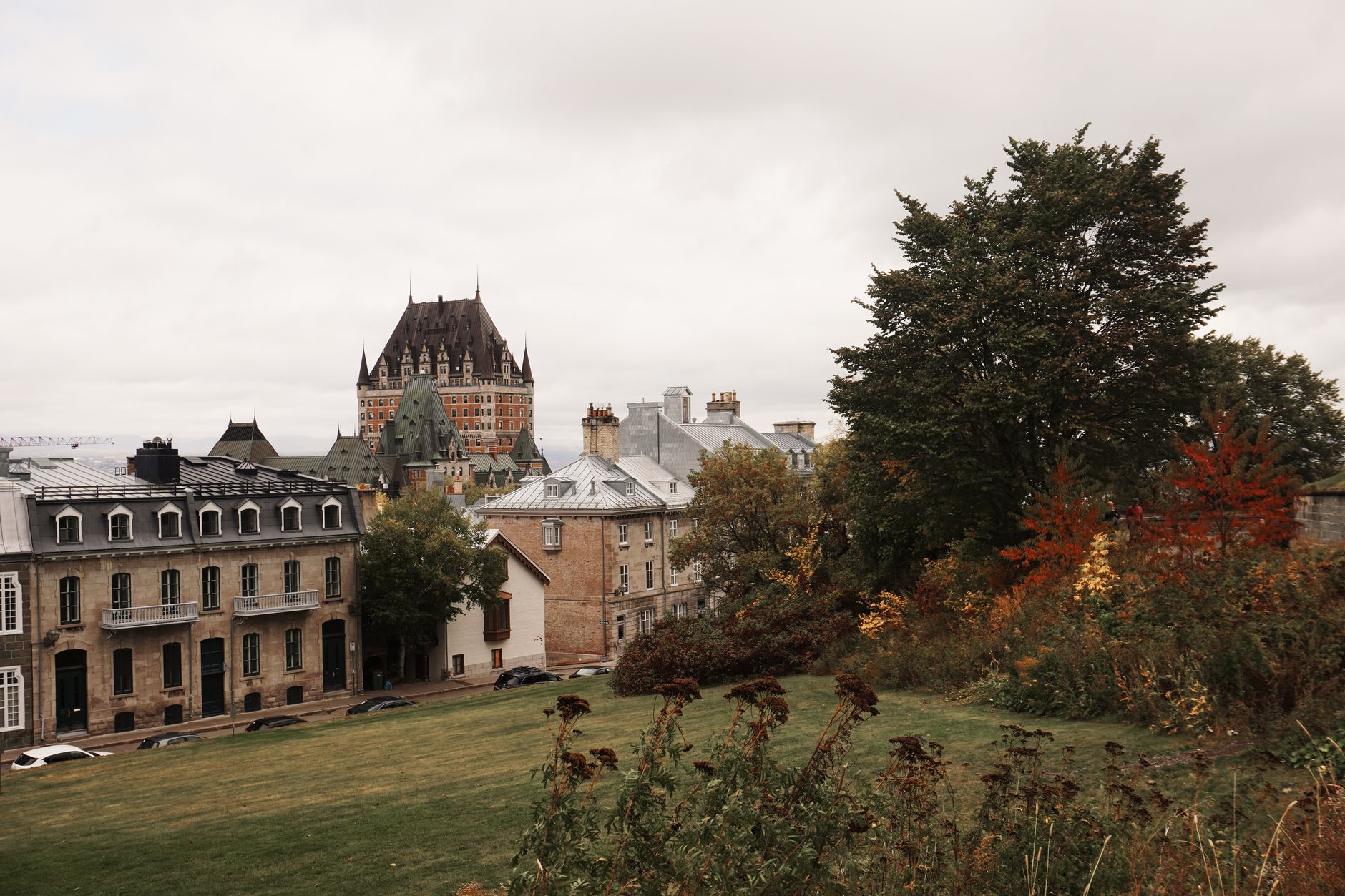
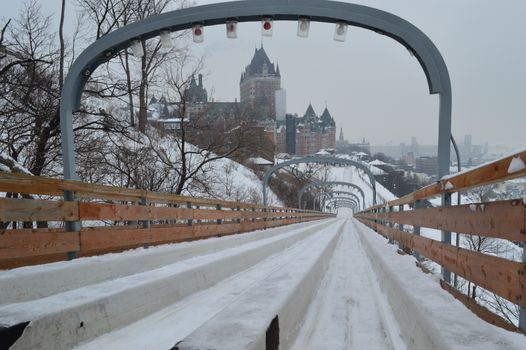 Photo: Ashley Costello / Pexels
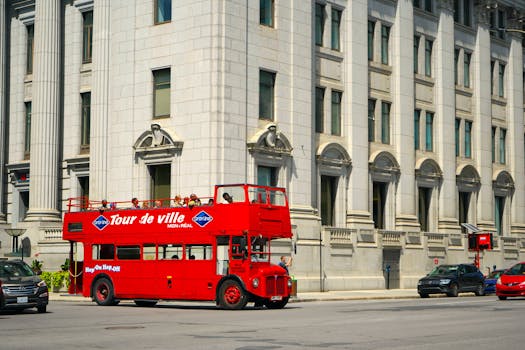 Photo: Gupta Sahil / Pexels
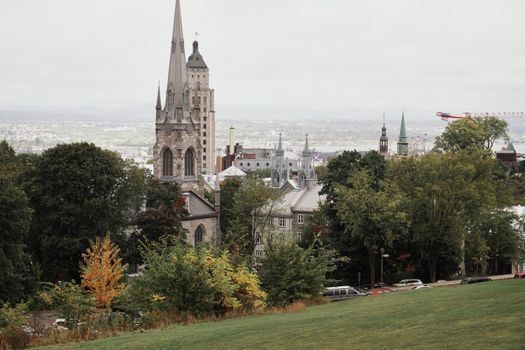 Photo: Abdel Achkouk / Pexels
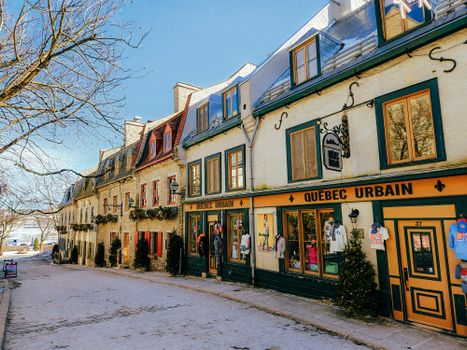 Photo: Eky Rima Nurya Ganda / Pexels