
Best Time to Visit Niagara Falls Canada: Your Ultimate Guide
Unlock the secrets to an unforgettable Niagara Falls experience, optimizing for weather, crowds, and unique seasonal attractions.
Plan Your Perfect TripKey Takeaways
- ✓ Peak season is generally June to August, offering warm weather but large crowds.
- ✓ Shoulder seasons (April-May, September-October) provide a balance of good weather and fewer tourists.
- ✓ Winter offers unique, serene views and festive light displays, though some attractions close.
- ✓ Consider weekday visits during any season to minimize crowd density.
How It Works
Determine what matters most for your trip: warm weather, avoiding crowds, specific activities, or budget. This will guide your seasonal choice.
Research what attractions are open and what events are happening during your preferred time. Niagara Falls offers distinct experiences in each season.
Consult historical weather data and crowd predictions for your chosen month. This helps set realistic expectations and prepare accordingly.
Once you've narrowed down your timing, secure your lodging and any must-do tours in advance. This is especially crucial during peak and shoulder seasons.
Understanding Niagara Falls Seasons: Peak vs. Shoulder
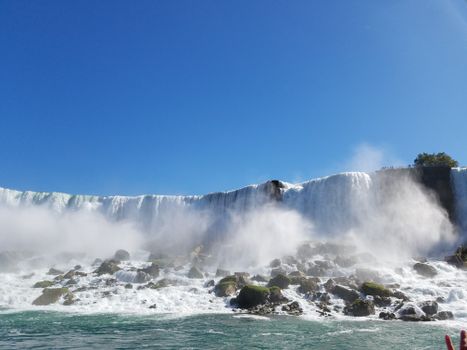 Photo: Nithya K / Pexels
Exploring Winter Wonders and Off-Peak Advantages
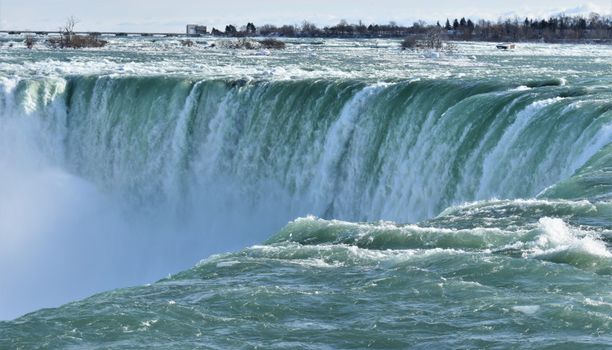 Photo: Nat Smith / Pexels
Activities, Events, and Budget Considerations by Month
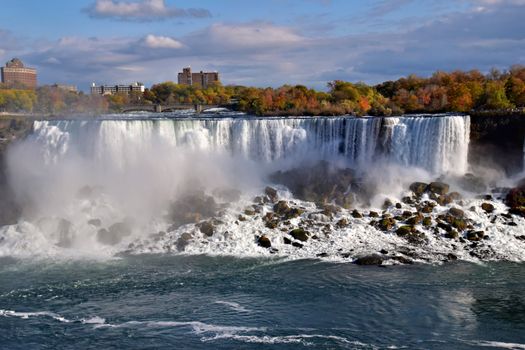 Photo: Jeffrey Eisen / Pexels
Essential Tips for Planning Your Niagara Falls Trip
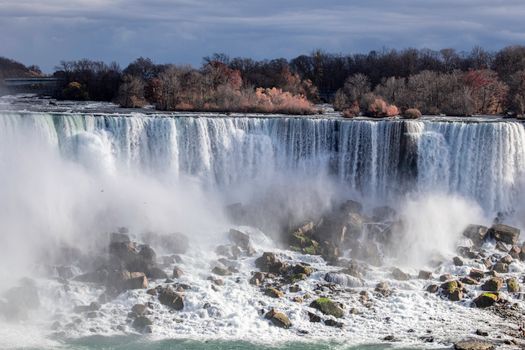 Photo: Ali Soheil / Pexels
Comparison
| Feature | Summer (June-Aug) | Shoulder (Apr-May, Sep-Oct) | Winter (Nov-Mar) |
|---|---|---|---|
| Weather | Warm, Sunny (20-28°C) | Mild, Variable (10-20°C) | Cold, Icy (-5-5°C) |
| Crowd Levels | Very High | Moderate | Low |
| Attraction Availability | All Open, Full Hours | Most Open, Varied Hours | Limited Outdoor, Indoor Focus |
| Accommodation Prices | Highest | Moderate | Lowest |
| Hornblower Niagara Cruises | ✓ | ✓ (Seasonal) | ✗ |
| Journey Behind the Falls | ✓ | ✓ | ✓ (Unique View) |
| Winter Festival of Lights | ✗ | ✗ | ✓ |
| Fall Foliage | ✗ | ✓ (Sept-Oct) | ✗ |
What Readers Say
"We visited in early May, and it was the best time to visit Niagara Falls Canada! The weather was perfect, not too hot, and the crowds were so much smaller than when I went in summer years ago. We got on the Hornblower cruise right away!"
Sarah J. · Toronto, ON"My wife and I chose late September for our anniversary trip, and it was incredible. The fall colors were starting, the air was crisp, and we enjoyed a fantastic wine tour with hardly any lines. Definitely the best time to visit Niagara Falls Canada for us."
Mark D. · Buffalo, NY"We braved the cold in January specifically for the Winter Festival of Lights and were blown away. The frozen falls were a surreal sight, and the light displays were magical. It was quiet and felt very special, making it the best time to visit Niagara Falls Canada for a unique experience."
Emily R. · London, UK"We went in July because that's when we had vacation time. While it was very busy, the energy was fantastic, and all the attractions were open. If you don't mind crowds and love warm weather, it's still a great time, just be prepared for the hustle."
David L. · Montreal, QC"For our family trip with young kids, early June was perfect. All the splash pads and outdoor activities were open, the weather was warm enough for comfortable exploring, and the peak summer crowds hadn't fully arrived yet. Highly recommend for families looking for the best time to visit Niagara Falls Canada."
Jessica M. · Detroit, MIFrequently Asked Questions
What is the absolute best time to visit Niagara Falls Canada for first-timers?
For first-timers seeking the most comprehensive experience with pleasant weather and all attractions open, the shoulder seasons of May or September are generally considered the best. You'll enjoy comfortable temperatures, fewer crowds than mid-summer, and full access to boat tours, behind-the-falls experiences, and surrounding park areas. It offers an excellent balance of everything Niagara has to offer.
Are there any attractions closed during the winter months?
Yes, several major outdoor attractions typically close for the winter due to ice conditions and cold weather. The Hornblower Niagara Cruises (boat tour) is the most prominent closure, usually from late November to April. The White Water Walk and Whirlpool Aero Car may also have seasonal closures or reduced hours. However, Journey Behind the Falls remains open, offering a unique perspective of the icy falls, and indoor attractions are fully operational.
How can I avoid crowds at Niagara Falls?
To best avoid crowds, consider visiting during the off-peak winter months (November-March) or the early and late shoulder seasons (April, October). Within any season, aim for weekday visits rather than weekends, and plan to arrive at popular attractions right when they open. Visiting in the late afternoon can also sometimes yield fewer people as day-trippers begin to leave.
Is Niagara Falls expensive to visit, and when is it cheapest?
Niagara Falls can be expensive, especially for accommodations and certain attractions during peak season. The cheapest time to visit is typically during the winter months (January-March), when demand is lowest. You'll find the best deals on hotels, and some attractions may offer off-season pricing. Shoulder seasons (April, May, October, November) also offer more competitive pricing than summer.
Is it better to visit Niagara Falls in Canada or the USA?
Many visitors consider the Canadian side of Niagara Falls (Niagara Falls, Ontario) to offer superior views of both the American and Horseshoe Falls due to its panoramic vantage points. The Canadian side also boasts more developed tourist infrastructure, parks, and attractions directly overlooking the falls. The U.S. side offers a closer, more intimate experience with the American Falls and Goat Island, but for sheer grandeur and overall experience, Canada is often preferred.
Who should consider visiting Niagara Falls in the off-season?
The off-season (late fall to early spring) is ideal for budget travelers, photographers seeking unique icy landscapes, couples looking for a romantic and quieter getaway, and those interested in the Winter Festival of Lights. It's also perfect for visitors who prioritize a serene atmosphere over bustling crowds and don't mind colder temperatures or limited outdoor attraction availability.
What are the safety considerations when visiting Niagara Falls in winter?
In winter, safety concerns primarily revolve around cold weather and icy conditions. Dress warmly in layers, wear waterproof and slip-resistant footwear, and be mindful of slippery surfaces on walkways and observation decks. Always check weather forecasts before heading out and exercise caution when walking near the falls due to potential ice spray. Some paths might be closed if deemed unsafe.
How might climate change impact the best time to visit Niagara Falls Canada in the future?
Climate change could lead to milder winters with less ice formation, potentially extending the operational season for boat tours earlier into spring and later into fall. Conversely, more intense summer heatwaves could make mid-summer less comfortable for some visitors, shifting preference towards shoulder seasons. Increased precipitation variability might also affect water levels and mist conditions, subtly altering the experience across seasons.
Armed with this comprehensive guide, you're now ready to choose the absolute best time to visit Niagara Falls Canada for your unique travel style. Whether you seek the vibrant energy of summer, the serene beauty of winter, or the perfect balance of the shoulder seasons, your unforgettable journey awaits. Start planning your dream Niagara Falls adventure today!