✓ Summer (June-August) offers warm weather, full accessibility, and peak crowds.
✓ Fall (September-October) brings stunning larch season, fewer crowds, and crisp air.
✓ Winter (November-March) is ideal for snow sports, ice skating, and serene landscapes.
✓ Spring (April-May) is a transition period with thawing lakes, wildlife, and shoulder-season deals.
How It Works
1
Define Your Priorities
Consider what you want most from your trip: hiking, skiing, wildlife viewing, or serene landscapes. Your priorities will heavily influence the ideal time to visit.
2
Understand Seasonal Characteristics
Each season in the Canadian Rockies offers a distinct experience. Learn about typical weather, accessibility, and available activities for summer, fall, winter, and spring.
3
Assess Crowd Levels & Budget
Peak seasons mean higher prices and more people, while shoulder seasons offer a balance. Decide if saving money and avoiding crowds is more important than perfect weather.
4
Book in Advance
Regardless of the season, popular accommodations and activities, especially in Banff and Jasper, book up quickly. Secure your reservations well ahead of time for the best choices.
Summer in the Canadian Rockies: Peak Season Perfection (June-August)
Photo: Line Knipst / Pexels
Summer is undeniably the most popular time to visit the Canadian Rockies, and for good reason. From early June to late August, the region transforms into a vibrant playground, offering unparalleled opportunities for outdoor enthusiasts. The weather is generally warm and sunny, with average daytime temperatures ranging from 20-25°C (68-77°F), making it perfect for exploring. All hiking trails, including iconic ones like the Lake Agnes Tea House trail near Lake Louise and the Plain of Six Glaciers, are typically free of snow, allowing for extensive trekking. Lakes such as Moraine Lake and Lake Louise, famous for their surreal turquoise hues, are fully thawed and accessible, inviting visitors to canoe, kayak, or simply marvel at their beauty. Wildlife viewing is at its peak, with opportunities to spot grizzly bears, black bears, elk, deer, and bighorn sheep. The long daylight hours, sometimes extending past 10 PM, provide ample time for adventure and sightseeing.
However, this peak season comes with its own set of considerations. The Canadian Rockies, particularly Banff and Jasper National Parks, experience significant crowds during these months. Popular attractions can be bustling, and parking lots often fill up by early morning. Accommodation prices are at their highest, and availability can be scarce if not booked many months in advance. Similarly, tour operators and rental services are in high demand. Despite the crowds, the sheer beauty and accessibility of the Rockies in summer make it a top choice for many. If you're planning a summer trip, flexibility with your schedule, early bookings, and a willingness to explore lesser-known trails can enhance your experience. Consider visiting mid-week or exploring areas slightly off the main tourist routes to escape some of the hustle. For those who dream of postcard-perfect turquoise lakes and endless hiking, summer is the ideal time to experience the Canadian Rockies at their most vibrant.
Fall in the Canadian Rockies: Golden Hues and Quieter Trails (September-October)
Photo: Deane Bayas / Pexels
As summer transitions into fall, the Canadian Rockies undergo a breathtaking transformation, offering a unique and often preferred experience for many travelers. September and October are characterized by cooler temperatures, crisp air, and the spectacular display of autumn foliage, particularly the vibrant golden larch trees. Daytime temperatures typically range from 10-18°C (50-64°F) in September, gradually cooling to 0-10°C (32-50°F) in October, with nights becoming significantly colder. This shoulder season presents a fantastic balance of accessible trails and fewer crowds compared to the summer months.
The highlight of fall is undoubtedly the larch season, which usually peaks in late September. Trails like Larch Valley and Sentinel Pass near Moraine Lake become a photographer's dream, adorned with brilliant yellow and orange. While some higher elevation trails might see early snowfall by late October, most popular hiking routes remain open and enjoyable. The reduced crowds mean a more serene experience at popular viewpoints and easier access to parking. Wildlife, particularly elk, are very active during their rutting season in September, providing incredible viewing opportunities, especially in areas like the Banff townsite and Jasper. Accommodation prices begin to drop from their summer highs, offering better value, though booking in advance is still recommended, especially for larch season.
However, visitors should be prepared for variable weather. Snow can occur at any time in the mountains, and conditions can change rapidly. Layered clothing is essential, and some facilities or services might begin to close down towards the end of October. Despite the potential for cooler weather, the stunning visual spectacle, combined with the quieter atmosphere, makes fall an incredibly appealing time to visit the Canadian Rockies for those seeking natural beauty without the peak season rush. It's a truly magical time for photographers and hikers who appreciate the dramatic shift in landscape.
Winter Wonderland: Skiing, Skating, and Serenity (November-March)
Photo: Claudia Solano / Pexels
Winter in the Canadian Rockies is a magical experience, transforming the rugged landscape into a pristine, snow-covered wonderland. From November to March, the region becomes a haven for winter sports enthusiasts and those seeking a tranquil escape. Temperatures can be quite cold, ranging from -15°C to -5°C (5°F to 23°F) on average, though colder snaps are common. Despite the chill, the dry mountain air often makes it feel less severe, and sunny days are frequent, offering spectacular views of snow-dusted peaks.
This season is prime for skiing and snowboarding, with world-class resorts like Sunshine Village, Lake Louise Ski Resort, and Marmot Basin offering extensive terrain. Ice skating on frozen lakes like Lake Louise and Johnson Lake is a quintessential winter activity, often accompanied by stunning ice sculptures. Snowshoeing and cross-country skiing trails abound, providing opportunities to explore the quiet, snow-laden forests. Many of the iconic lakes, while frozen, still offer breathtaking views, and the absence of summer crowds creates a profound sense of peace and solitude. Wildlife, particularly bighorn sheep and elk, are often easier to spot against the white backdrop. The Northern Lights, though not guaranteed, can occasionally be seen on clear, dark nights, adding another layer of magic to the winter experience.
While some roads and higher elevation trails may be closed, the main routes and park facilities remain open. Accommodation prices are generally lower than in summer, outside of peak holiday periods like Christmas and New Year's. However, it's crucial to be prepared for winter driving conditions and to pack appropriate cold-weather gear. For those who embrace the cold and revel in snow-filled adventures, winter offers a unique and unforgettable perspective on the Canadian Rockies, showcasing its raw, majestic beauty in a different light. It's a time for cozy evenings by the fire after exhilarating days on the slopes or quiet walks through a hushed, snowy landscape.
Spring in the Canadian Rockies: Thaw, Wildlife, and Shoulder Season Value (April-May)
Spring in the Canadian Rockies is a season of transition, offering a unique blend of winter's lingering beauty and the first hints of summer's warmth. April and May are considered shoulder season months, characterized by thawing landscapes, emerging wildlife, and fewer crowds compared to the peak summer. Daytime temperatures gradually rise from 0-10°C (32-50°F) in April to 10-15°C (50-59°F) in May, but nights can still be cold, and snow is not uncommon, especially at higher elevations.
This period is excellent for wildlife viewing as animals emerge from hibernation and are more active. Bears, elk, and deer are frequently spotted along valley bottoms and roadsides. While many high-elevation hiking trails remain snow-covered and inaccessible until late May or early June, lower elevation trails begin to open up, offering pleasant walks. Lakes like Lake Louise and Moraine Lake typically remain frozen or partially frozen well into May, presenting a different, often dramatic, aesthetic compared to their summer turquoise. This can be a fantastic time for photography, capturing the contrast between snow-capped peaks and budding greenery.
One of the significant advantages of visiting in spring is the reduced number of tourists and lower accommodation prices. This makes it an attractive option for budget-conscious travelers or those who prefer a quieter experience. Ski resorts often remain open into April, allowing for spring skiing, which can be a delightful combination of soft snow and sunny days. However, visitors should be prepared for muddy conditions on some trails and the possibility of rapidly changing weather. It's a time for flexibility and appreciating the dynamic nature of the mountains. For those who enjoy a mix of winter and summer activities, value, and the chance to witness the Rockies awakening from their winter slumber, spring offers a compelling and often overlooked opportunity. It’s a great time to enjoy both late-season skiing and early-season hiking, making for a diverse trip.
Comparison
Feature
Summer (June-Aug)
Fall (Sept-Oct)
Winter (Nov-Mar)
Spring (Apr-May)
Weather
Warm, sunny (20-25°C)
Cool, crisp (0-18°C)
Cold, snowy (-15 to -5°C)
Cool, thawing (0-15°C)
Crowds
Very High
Moderate-Low
Low (except holidays)
Low-Moderate
Hiking
All trails open
Most trails open, larch season
Snowshoeing/XC skiing
Lower trails open, muddy
Lake Access
Fully thawed, turquoise
Thawed, vibrant
Frozen, ice skating
Frozen/thawing
Wildlife
High visibility
High visibility (rutting)
Good visibility (tracks)
High visibility (emerging)
Activities
Hiking, canoeing, biking
Hiking, photography, scenic drives
Skiing, skating, snowshoeing
Spring skiing, early hiking, wildlife
Cost
Highest
Moderate-High
Moderate-Low (except holidays)
Low-Moderate
What Readers Say
★★★★★
"We visited in early September, and it was absolutely perfect! The larch trees were just starting to turn golden, and the crowds were noticeably thinner than when we went in July a few years ago. Highly recommend for hikers and photographers."
Sarah J. · Vancouver, BC
★★★★★
"Our family trip in July was everything we dreamed of. Lake Louise was stunning, and we loved canoeing. Yes, it was busy, but planning ahead made all the difference; we booked our canoe and accommodation months in advance."
Mark T. · Dallas, TX
★★★★★
"I went in February for a ski trip, and the Canadian Rockies delivered! The snow was incredible, and the scenery was breathtakingly beautiful. Plus, we got some great deals on our hotel compared to peak summer prices."
Emily R. · London, UK
★★★★★
"April was a mixed bag – some trails were still snowed in, but we saw so much wildlife! It felt like we had the park to ourselves at times, which was a real treat. Just be prepared for all types of weather."
David L. · Calgary, AB
★★★★★
"We chose late May for our honeymoon, and it was a fantastic compromise. The lakes were still partially frozen, which was unique, and we avoided the intense summer crowds while still getting some lovely sunny days for lower elevation walks."
Jessica M. · Sydney, AUS
Frequently Asked Questions
What is the absolute best time to visit Canadian Rockies for hiking?
For optimal hiking conditions, with all trails accessible and clear of snow, late June through early September is the best time. Lakes are fully thawed and at their most vibrant, and the weather is generally warm and stable, perfect for extended treks and exploring high-alpine routes.
Is it too cold to visit the Canadian Rockies in winter?
While winter temperatures can be very cold, ranging from -15°C to -5°C, the dry mountain air often makes it feel less severe. With proper layering and appropriate winter gear, it's an incredible time for snow sports, ice skating, and enjoying the serene, snow-covered landscapes without the summer crowds.
How do I avoid crowds when visiting the Canadian Rockies?
To avoid peak summer crowds, consider visiting during the shoulder seasons (late April to early June or late September to October). Arrive at popular attractions early in the morning, visit during weekdays, or explore lesser-known trails and areas slightly off the main tourist routes.
What is the most budget-friendly time to visit the Canadian Rockies?
The shoulder seasons (late April to early June and late October to early December) typically offer the best value. Accommodation prices and tour costs are generally lower than in the peak summer months, and you'll still find plenty of activities and beautiful scenery to enjoy, albeit with variable weather.
Should I visit Banff or Jasper, and when is best for each?
Both Banff and Jasper offer incredible experiences. Banff is generally more accessible and has more amenities, while Jasper is wilder and more remote. Summer is great for both, but for specific activities like skiing, Banff's resorts are more extensive, while Jasper offers unique winter solitude. Fall is stunning in both for larch viewing.
Who should consider visiting the Canadian Rockies in the spring?
Spring (April-May) is ideal for travelers who appreciate fewer crowds, lower prices, and the unique beauty of a landscape transitioning from winter to summer. It's excellent for wildlife viewing, early-season hiking on lower trails, and those who don't mind variable weather and potentially partially frozen lakes.
Is it safe to drive in the Canadian Rockies during winter?
Driving in the Canadian Rockies during winter is generally safe on major highways, but requires caution. Roads can be icy or snow-covered, and conditions can change rapidly. Ensure your vehicle has proper winter tires (mandatory on some routes) and always check road conditions before departing. Allow extra travel time.
What are the emerging trends for Canadian Rockies tourism?
Increasingly, visitors are seeking more sustainable and off-the-beaten-path experiences. There's a growing trend towards shoulder season travel to avoid crowds, a focus on responsible tourism, and a desire for authentic cultural and indigenous experiences alongside traditional outdoor activities. Demand for eco-friendly accommodations is also on the rise.
Choosing the best time to visit Canadian Rockies depends entirely on your personal preferences and what you hope to experience. Whether you seek vibrant summer hikes, golden fall landscapes, serene winter adventures, or the quiet beauty of spring, the Rockies offer an unforgettable journey. Start planning your perfect trip today to discover the magic of this iconic Canadian destination.
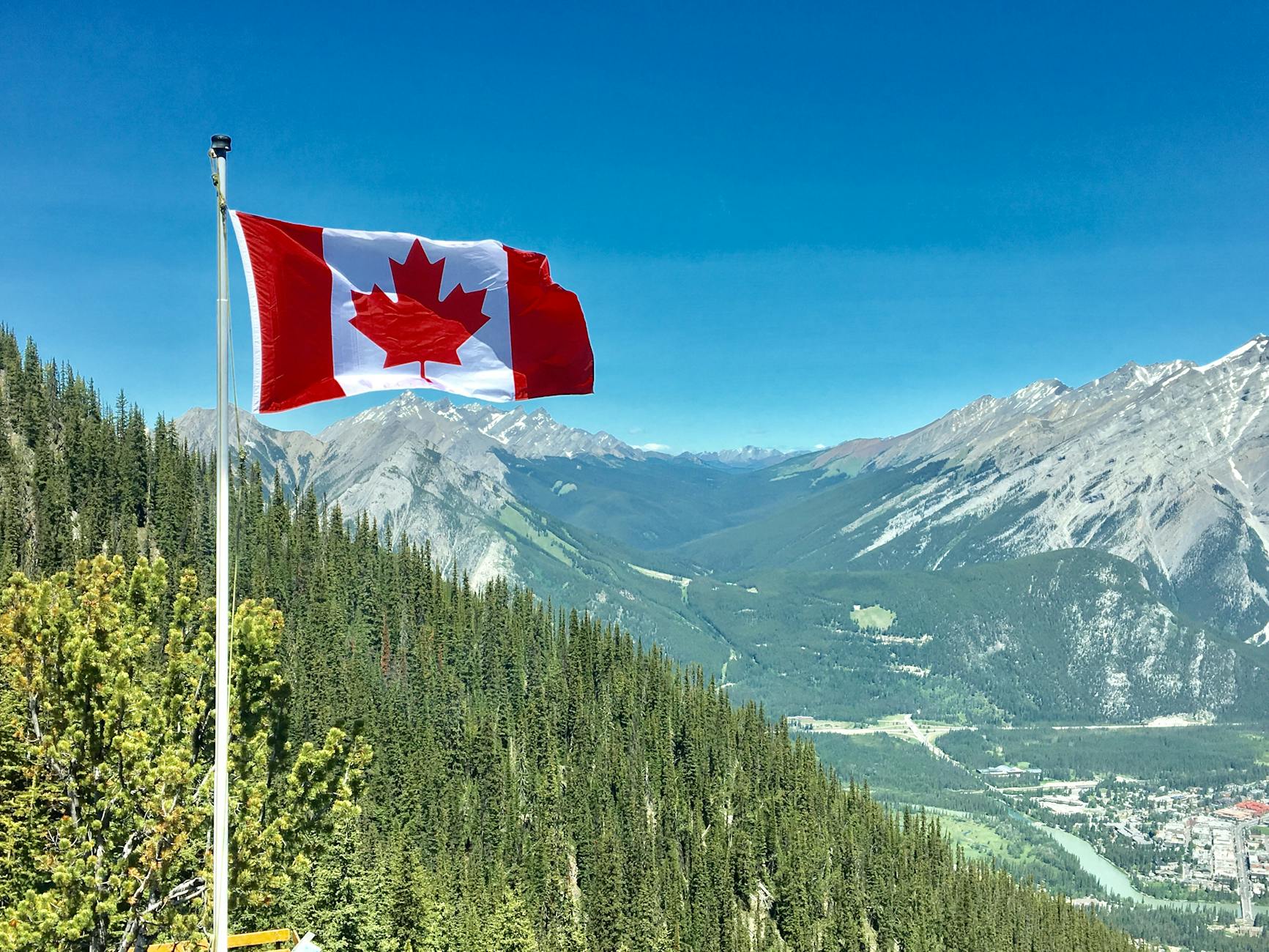
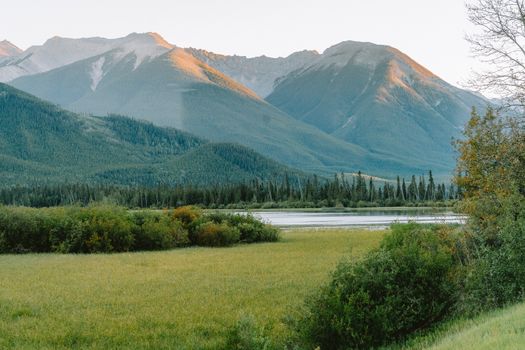 Photo: Line Knipst / Pexels
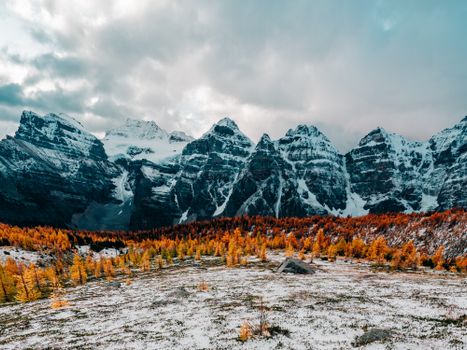 Photo: Deane Bayas / Pexels
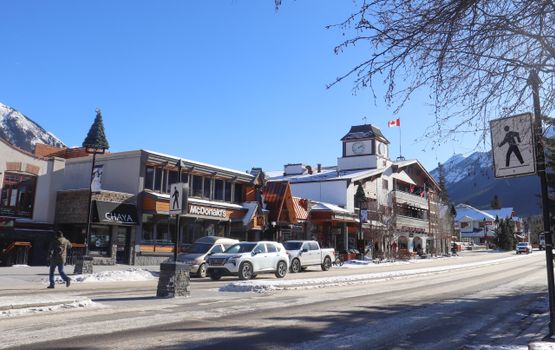 Photo: Claudia Solano / Pexels