The best time to visit California Coast: Your Ultimate Guide
best time to visit california coast

The best time to visit California Coast: Your Ultimate Guide

Unlock the secrets to an unforgettable coastal adventure, minimizing crowds and maximizing sunshine.

Plan Your Coastal Escape

Key Takeaways

  • ✓ Fall (September-October) often offers the best weather with fewer crowds.
  • ✓ Summer (June-August) is popular but can bring 'June Gloom' and heavy crowds.
  • ✓ Winter (November-February) is ideal for whale watching and storm watching, with lower prices.
  • ✓ Spring (March-May) showcases wildflowers and mild temperatures, perfect for hiking.

How It Works

1
Define Your Priorities

Consider what you value most: pristine weather, budget-friendly options, specific activities like whale watching, or avoiding tourist peaks. Your ideal trip depends on your personal preferences.

2
Understand Seasonal Nuances

California's coast has distinct microclimates and seasonal patterns. Learn about 'June Gloom,' wildfire season, and the best times for specific regions from San Diego to Mendocino.

3
Match Season to Activity

If surfing is key, certain swells are better in winter. For beach lounging, late summer/early fall is prime. Align your interests with the coastal calendar for maximum enjoyment.

4
Book Smart & Early

Especially for peak seasons like summer and holidays, booking accommodations and popular attractions well in advance is crucial. Flexibility in travel dates can also save money.

Unpacking the Seasons: When to Experience California's Coastal Charm
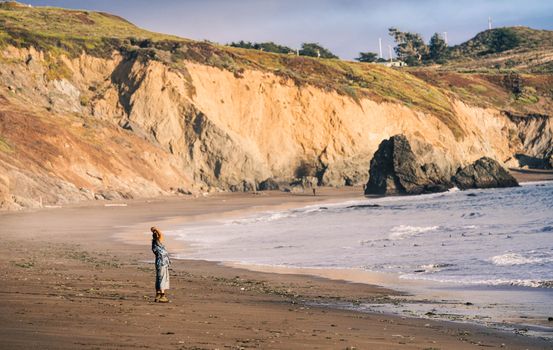
A solitary figure enjoys a quiet moment on a stunning coastal beach with rocky cliffs. Photo: david hou / Pexels
Deciding the best time to visit the California Coast isn't a one-size-fits-all answer. It largely depends on what you seek from your journey: sun-drenched beaches, dramatic stormy seascapes, vibrant wildflowers, or perhaps a serene escape from the crowds. Each season paints a unique picture of this iconic stretch of shoreline, offering distinct advantages and minor drawbacks. Understanding these seasonal nuances is the first step in crafting your perfect Golden State adventure. Let's break down what each period offers, helping you align your expectations with reality. **Fall (September - October): The Golden Window.** Often lauded as the absolute best time to visit the California Coast, fall brings a magical combination of warm temperatures, clear skies, and significantly fewer crowds than the summer months. The infamous 'June Gloom' and 'May Gray' have long dissipated, leaving behind crisp, sunny days that are perfect for everything from beach hopping in Malibu to wine tasting in Santa Barbara. The ocean temperatures are at their warmest, making swimming and surfing particularly inviting. This period also sees the peak of the grape harvest in regions like Sonoma and Mendocino, offering unique wine country experiences. Prices for accommodations and flights also tend to drop slightly after the summer rush, making it a more budget-friendly option without sacrificing prime weather. If you're dreaming of a classic California coastal road trip, cruising down Highway 1 with unobstructed views and mild breezes, fall is your ideal companion. The natural beauty is amplified, with fewer people vying for the best photo ops at iconic spots like Big Sur or the Bixby Bridge. Wildlife, such as migrating birds and seals, remains active and visible. This season truly encapsulates the quintessential California dream, offering a balance of pleasant weather, accessibility, and a generally more relaxed atmosphere. For those who prioritize comfortable temperatures and avoiding the masses, autumn is undeniably the optimal choice for a California coastal getaway. **Summer (June - August): Bustling Beaches and Coastal Fog.** Summer is, by default, the most popular time to visit the California Coast, especially for families on vacation. The allure of school holidays and the promise of summer sun draw millions to the beaches and attractions. However, it's crucial to understand the phenomenon known as 'June Gloom' and 'May Gray,' which often extends into July, particularly in Southern California. This refers to persistent low clouds and fog that hug the coastline, burning off later in the day, or sometimes not at all. While inland areas can be scorching, the coast often remains cooler and overcast in the mornings. Despite this, when the sun does break through, the beaches are vibrant and lively, perfect for swimming, surfing lessons, and quintessential seaside fun. Expect larger crowds at all major attractions, from Santa Monica Pier to the Monterey Bay Aquarium. This also means higher prices for flights, hotels, and rental cars. Booking far in advance is essential if you plan a summer trip. Northern California's coast tends to be less affected by the persistent morning fog and can offer sunnier days, though temperatures remain moderate. For those who thrive on energy and don't mind sharing the experience with many others, summer provides a classic, albeit crowded, coastal adventure. It's also the peak season for many outdoor concerts, festivals, and events along the coast, adding to the vibrant atmosphere. Families with children often find summer the most convenient time due to school schedules, making it a viable option despite the crowds and potential for morning fog. **Spring (March - May): Wildflower Wonders and Mild Breezes.** Spring breathes new life into the California Coast, transforming hillsides into vibrant tapestries of wildflowers, especially after a wet winter. Temperatures are mild and pleasant, making it an excellent time for hiking, cycling, and exploring the numerous state parks and preserves that dot the coastline. Crowds are significantly lighter than in summer, but more present than in winter, striking a nice balance. The weather can be a bit unpredictable, with occasional rain showers, but these are often short-lived and contribute to the lush, green landscapes. Northern California, in particular, shines in spring with verdant redwood forests and roaring waterfalls. This season is ideal for nature lovers and those seeking active outdoor pursuits without the intense heat or crowds. Whale watching is also a highlight, as gray whales complete their migration north, often seen close to shore with their calves. The air is fresh, and the ocean views are often crystal clear, making for stunning photography opportunities. Spring offers a refreshing escape, a chance to witness the Golden State in full bloom, and enjoy a more serene coastal experience before the summer rush. It's a fantastic alternative for those who find fall too late or summer too busy, offering a beautiful blend of mild weather and natural splendor. Many coastal towns host spring festivals and farmers' markets, adding to the local charm. Exploring the diverse ecosystems during this period is a truly rewarding experience.

Winter Wonders: Whale Watching, Storms, and Seclusion
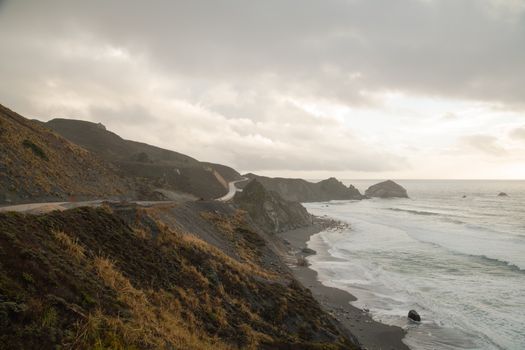
Captivating view of California's rugged coastline with waves crashing against the cliffside. Photo: John De Leon / Pexels
While many shy away from coastal travel in winter (November - February), this season offers a uniquely dramatic and often peaceful experience along the California Coast. For those who appreciate raw natural beauty, powerful ocean waves, and fewer tourists, winter can be an unexpectedly rewarding time to visit. The air is crisp, and while temperatures are cooler, they rarely drop below freezing in most coastal areas. Rain is more frequent, bringing with it a lush green landscape that contrasts beautifully with the rugged coastline. **Whale Watching Extravaganza.** One of the primary draws of winter is the incredible gray whale migration. From December through April, tens of thousands of gray whales journey from their Alaskan feeding grounds to the warm lagoons of Baja California for calving, and then back north. This epic migration brings them incredibly close to the California shoreline, making it one of the best places in the world for land-based and boat-based whale watching. Prime viewing spots include Point Reyes National Seashore, Monterey Bay, and the bluffs of San Diego. Seeing these magnificent creatures breach and spout is an unforgettable spectacle, a true highlight for any nature enthusiast. Many tour operators offer dedicated whale-watching excursions during these months, providing an up-close and educational experience. **Storm Watching and Cozy Retreats.** Winter also brings the opportunity for spectacular storm watching. Imagine sitting by a roaring fire in a cozy inn, gazing out at the tempestuous Pacific, waves crashing dramatically against the shore. Places like Mendocino, Big Sur, and the rugged coast north of San Francisco become even more atmospheric during a winter storm. This is the time for quiet reflection, enjoying gourmet meals in charming coastal towns, and perhaps a bit of storm photography. While some hiking trails might be muddy or temporarily closed due to rain, many coastal towns offer a different kind of charm, with fewer crowds and a more intimate feel. **Budget-Friendly Travel.** Winter is generally considered the off-season, which translates to lower prices for accommodations, flights, and rental cars. If budget is a significant concern, traveling during these months can offer substantial savings, allowing you to enjoy luxurious stays or extend your trip without breaking the bank. Many hotels and resorts offer special off-season rates and packages, enticing travelers with cozy amenities and serene settings. **Exploring Coastal Cities.** Even with cooler temperatures, California's coastal cities like San Francisco, Santa Cruz, and San Diego offer plenty of indoor attractions, museums, and world-class dining. You can explore Fisherman's Wharf, Alcatraz, or the Gaslamp Quarter without the summer throngs. The cooler weather is also perfect for enjoying the vibrant culinary scene without the discomfort of heat. While beach days might be limited to bundled-up strolls, the overall experience of connecting with the raw power of the Pacific and enjoying the solitude can be incredibly rejuvenating. Just be sure to pack layers, including waterproof outer shells, to be prepared for the changeable winter weather. The stark beauty of the winter coast, often shrouded in dramatic clouds or illuminated by a low, golden sun after a storm, offers a profound and unique perspective that many summer visitors miss.

Regional Variations and Activity-Specific Timing: Tailoring Your Coastal Trip
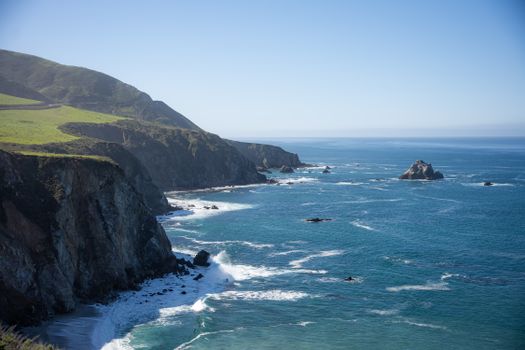
Breathtaking view of the rugged coastline at Big Sur, California, showcasing majestic cliffs and the vast Pacific Ocean. Photo: Kinley Lindsey / Pexels
The California Coast is a vast and diverse stretch of land, encompassing over 840 miles from border to border. This means that while general seasonal patterns apply, there are significant regional variations that can influence the best time to visit specific areas or engage in particular activities. Understanding these microclimates and local nuances is key to optimizing your trip, whether you're chasing waves, wildflowers, or wine. **Northern California Coast (e.g., Mendocino, Point Reyes, San Francisco):** This region generally experiences cooler temperatures and more fog year-round compared to its southern counterparts. Summer, while popular, can still bring significant fog (especially in San Francisco), often referred to as 'Fogust' in August. The best weather for clear skies and comfortable temperatures often occurs in late summer and early fall (September-October). Spring (April-May) is glorious for wildflowers and lush greenery, though expect occasional rain. Winter is rugged and beautiful, ideal for storm watching and dramatic photography, but be prepared for cold and wet conditions. Surfing can be excellent in winter due to larger swells, but requires advanced skill and thick wetsuits. Redwood National Park, while not directly on the coast, is a common pairing, and its dense forests are magnificent in spring and fall. **Central California Coast (e.g., Monterey, Big Sur, San Luis Obispo):** This segment of the coast often enjoys some of the most consistent and pleasant weather, particularly in the shoulder seasons. Fall (September-November) is truly spectacular here, with warm, clear days and fewer crowds, making it perfect for driving Highway 1 through Big Sur. Spring (March-May) is also excellent, with mild temperatures, fewer crowds, and vibrant green hillsides. Summer (June-August) can experience 'June Gloom,' especially around Monterey Bay, but it usually burns off to pleasant afternoons. Winter (December-February) is mild but wetter, offering excellent whale watching opportunities and dramatic ocean views, though some hiking trails in Big Sur might close due to rain or mudslides. The elephant seal viewing at Piedras Blancas is phenomenal in winter, as thousands of seals gather to breed. **Southern California Coast (e.g., Santa Barbara, Los Angeles, San Diego):** Southern California boasts the warmest and sunniest climate overall. Fall (September-November) is arguably the best time to visit, with consistently warm temperatures, clear skies, and the ocean at its warmest. Crowds are also significantly thinner than in summer. Spring (March-May) is very pleasant, with mild temperatures and blooming flora, and is great for avoiding the peak summer rush. Summer (June-August) is the busiest time, with hot inland temperatures driving people to the beaches. However, 'June Gloom' can be a real factor, particularly in June and early July, with overcast mornings that can linger. August and September often offer the clearest and warmest beach days. Winter (December-February) is mild and often sunny, making it a popular escape for those from colder climates. While swimming might be too chilly for some, it's perfect for beach walks, surfing (with a wetsuit), and exploring attractions without the crowds. San Diego, in particular, enjoys a very temperate climate year-round, making it a great destination almost anytime, though fall remains supreme for beach-goers. **Activity-Specific Timing:** * **Surfing:** Best swells often occur in fall and winter, though summer offers smaller, more beginner-friendly waves. * **Whale Watching:** Gray whales from December-April; blue whales and humpbacks from May-October (primarily Central and Southern California). * **Hiking/Biking:** Spring and fall offer the most comfortable temperatures and beautiful scenery. * **Wine Tasting (Coastal Regions):** Fall (harvest season) is particularly vibrant, but vineyards are open year-round. * **Beach Lounging/Swimming:** Late summer and early fall (August-October) when ocean temperatures are warmest and skies clearest. * **Photography:** Winter offers dramatic stormy skies and powerful waves; spring and fall provide clear, golden light and vibrant landscapes. By considering these regional and activity-specific factors, you can fine-tune your travel plans to ensure your California coastal experience perfectly aligns with your desires.

Planning Your Perfect Coastal Getaway: Tips and Common Mistakes

To ensure your trip to the California Coast is as seamless and enjoyable as possible, careful planning is paramount. Beyond understanding the best seasonal windows, there are practical tips and common pitfalls to avoid that can significantly impact your experience. **Tips for a Flawless Trip:** * **Book Accommodations Early:** Especially if traveling during peak seasons (summer, holidays, fall in popular areas like Big Sur), desirable hotels and unique stays can book up months in advance. Start your search early to secure your preferred lodging and potentially better rates. * **Embrace Flexibility:** If your schedule allows, consider traveling during the shoulder seasons (late spring, early fall). You'll often find better weather, fewer crowds, and more competitive pricing. Even shifting your travel dates by a week can make a big difference. * **Pack Layers:** California's coastal weather is notorious for its variability. Mornings can be foggy and cool, afternoons sunny and warm, and evenings chilly, especially with ocean breezes. Pack a range of clothing, including t-shirts, sweaters, and a light jacket, regardless of the season. * **Consider a Road Trip:** The PCH (Pacific Coast Highway, or Highway 1) is one of the most iconic drives in the world. Renting a car allows for maximum flexibility to explore hidden coves, charming towns, and stunning viewpoints at your own pace. Be aware that sections of Highway 1, particularly in Big Sur, can occasionally close due to landslides; always check road conditions before you go. * **Hydrate and Protect from Sun:** Even on overcast days, the California sun can be strong. Drink plenty of water and wear sunscreen, sunglasses, and a hat, especially if spending extended time outdoors. * **Utilize State Parks and Beaches:** Many of California's most beautiful coastal areas are preserved as state parks. Check their websites for entry fees, trail conditions, and special events. Often, a single day pass can grant access to multiple parks in the area. **Common Mistakes to Avoid:** * **Underestimating 'June Gloom':** Many first-time summer visitors are surprised by the persistent morning fog, particularly in Southern California. Don't expect wall-to-wall sunshine every day in June and early July. Plan inland activities for mornings if you're set on sunbathing. * **Over-scheduling:** The California Coast is meant to be savored. Don't try to cram too many destinations into one trip, especially on a road trip. Allow ample time for scenic stops, unexpected detours, and simply enjoying the view. Rushing through Big Sur, for example, means missing its magic. * **Ignoring Local Advice:** Chat with locals, hotel staff, or park rangers for up-to-date information on weather, road closures, best dining spots, or hidden gems. They often have the best insights. * **Not Booking Activities in Advance:** Popular attractions like Alcatraz tours, whale watching excursions, or certain restaurant reservations can sell out, especially during peak season. Book these well ahead of time to avoid disappointment. * **Forgetting to Check for Wildfires:** While not exclusive to the coast, wildfires can impact air quality and lead to road closures, particularly in late summer and fall. Stay informed about current conditions through reliable news sources and Cal Fire. * **Disregarding Tides:** If you plan on exploring tide pools or walking along certain beaches, be aware of the tide schedule. High tide can make some areas inaccessible or dangerous. By keeping these tips in mind and avoiding common missteps, your journey along the California Coast will be less about logistics and more about making unforgettable memories. Enjoy the breathtaking views, diverse ecosystems, and vibrant culture that make this destination truly special.

Comparison

FeatureFall (Sept-Oct)Summer (Jun-Aug)Spring (Mar-May)Winter (Nov-Feb)
WeatherWarm, Clear, SunnyWarm, Foggy MorningsMild, PleasantCool, Rainy, Dramatic
Crowd LevelsLow to ModerateHighModerateLow
Ocean TempWarmestWarmCoolCold
Whale WatchingHumpback/Blue (South)Humpback/BlueGray Whale MigrationGray Whale Migration
PricesModerateHighestModerateLowest
Wildflowers
Road Trip ViewsExcellentGood (potential fog)ExcellentDramatic

What Readers Say

"We visited the California Coast in October, and it was absolutely perfect! The weather was sunny and warm, the crowds were minimal, and we had incredible views all along Highway 1. Highly recommend fall for your trip."

Sarah L. · Denver, CO

"My wife and I took a winter trip for whale watching, and it was an unforgettable experience. The dramatic stormy seas and fewer people made for a really unique and peaceful getaway. Don't let the cooler weather deter you!"

Mark D. · Chicago, IL

"After reading this guide, we opted for a late September visit to Big Sur and Santa Barbara. The clear skies and warm ocean were exactly what we hoped for, and booking our hotels in advance really paid off. Best coastal trip ever!"

Jessica M. · Austin, TX

"We went in July, and while the beaches were lively, the 'June Gloom' definitely lived up to its name for a few mornings in LA. Still had a great time once the sun burned off, but next time I'll aim for September."

David K. · New York, NY

"Spring on the Central Coast was breathtaking! The wildflowers were in full bloom, and the mild temperatures were perfect for hiking and exploring. We saw so much wildlife without feeling rushed by crowds."

Emily R. · Seattle, WA

Frequently Asked Questions

What is the absolute best month for a California Coast road trip?

While subjective, many agree that October is the absolute best month for a California Coast road trip. The weather is typically warm and clear, the ocean is still pleasant for swimming, and the summer crowds have significantly thinned out. September is a close second, offering similar benefits.

Is 'June Gloom' a real concern for visiting the California Coast?

Yes, 'June Gloom' is a very real phenomenon, particularly in Southern California coastal areas during June and often into early July. It refers to persistent low clouds and fog that can linger well into the day. While it usually burns off, it can mean cooler, overcast mornings, especially right on the beach.

How do I avoid crowds when visiting popular California coastal spots?

To avoid crowds, plan your visit during the shoulder seasons (late spring: April-May, or early fall: September-October) or in the winter (November-February). Weekdays are generally less crowded than weekends. Also, try to visit popular attractions early in the morning or late in the afternoon.

Is it cheaper to visit the California Coast during certain times of the year?

Yes, travel costs (flights, accommodations, rental cars) are generally lower during the off-season, which is typically winter (November-February), excluding major holidays like Christmas and New Year's. Spring and fall offer moderate pricing, while summer is almost always the most expensive.

How does Northern California's coastal weather differ from Southern California's?

Northern California's coast is generally cooler and foggier year-round compared to Southern California. While Southern California experiences warmer, sunnier days, particularly in late summer and fall, Northern California maintains a more moderate climate, with less extreme heat but also more prevalent fog, especially in summer.

Who should consider visiting the California Coast in winter?

Winter is ideal for budget travelers, whale watchers, storm watchers, and those seeking solitude and dramatic scenery. It's also great for enjoying cozy indoor activities, exploring museums, and experiencing a different, more rugged side of the California Coast without the summer crowds.

Are there any safety concerns to consider when planning a coastal trip?

Always be aware of ocean currents and rip tides if swimming or surfing. Check for potential road closures, especially on Highway 1 in Big Sur, due to landslides, particularly after heavy rains. In late summer/fall, be mindful of wildfire advisories and air quality. Always inform someone of your hiking plans.

What are the emerging trends for California coastal tourism?

There's a growing trend towards sustainable and eco-conscious travel, with more visitors seeking responsible tourism options and supporting local businesses. Demand for unique, boutique accommodations and experiences that connect travelers with nature and local culture is also on the rise, alongside a preference for off-peak travel to avoid over-tourism.

Armed with this comprehensive guide, you're now ready to choose the best time to visit the California Coast that perfectly aligns with your travel dreams. Whether you seek sun-drenched beaches, dramatic stormy seas, or vibrant wildflowers, the Golden State's magnificent coastline awaits your exploration. Start planning your unforgettable journey today and experience the magic for yourself.

Topics: best time to visit california coastCalifornia coastal weatherPCH road trip planningCalifornia travel seasonsavoiding California crowds
Leo List
Brampton weed
Adultwork EstrelaBet Vai de Bet R7 Bet Betão Galera Bet Rainbet Bet9ja Shop SportyBet BetKing Sisal Loto Foot Hollywoodbets YesPlay Odibets RushBet Jugabet BetWarrior BetCity MSport betPawa Fortebet