The best time to visit Banff National Park, Season by Season
best time to visit Banff National Park

The best time to visit Banff National Park, Season by Season

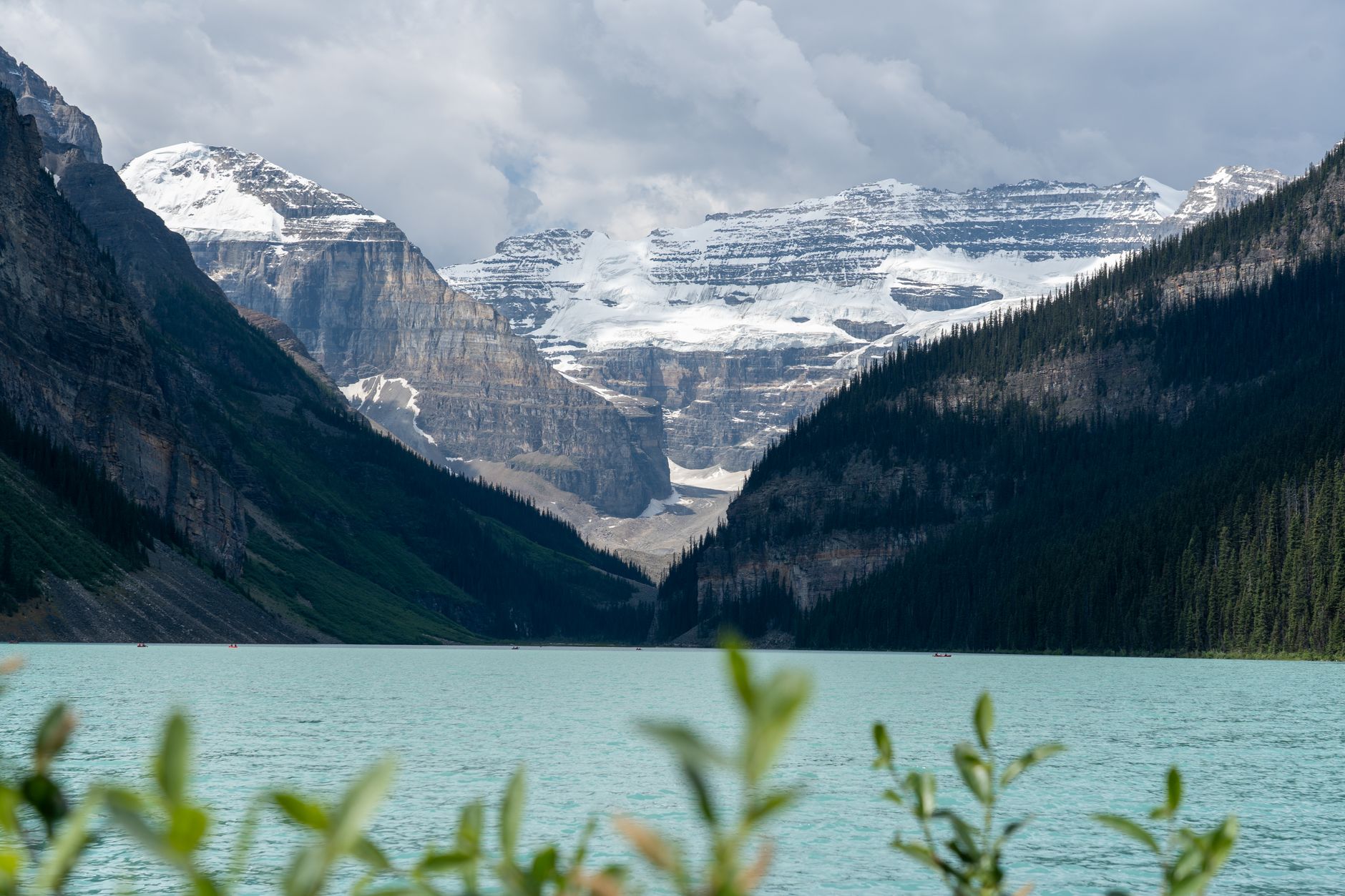
Stunning view of Lake Louise with mountains and glacier reflections in Banff National Park, Alberta, Canada.Photo: Ryan Beirne / Pexels

The best time to visit Banff National Park, Season by Season

Unlock the magic of the Canadian Rockies. This guide helps you choose the ideal season for your dream Banff adventure.

Plan Your Banff Trip

Key Takeaways

  • ✓ Banff National Park experiences four distinct seasons, each offering unique activities and scenery.
  • ✓ Summer (June-August) is the most popular, offering warm weather, clear lakes, and peak hiking.
  • ✓ Winter (December-March) is ideal for skiing, snowboarding, and ice skating, with stunning snowy landscapes.
  • ✓ Shoulder seasons (spring and fall) offer fewer crowds, lower prices, and unique transitional beauty.

How It Works

1
Define Your Priorities

Before planning, consider what you want most from your trip: hiking, skiing, wildlife viewing, photography, or simply relaxation. Your ideal season hinges on these preferences.

2
Explore Seasonal Guides

Read through our detailed seasonal breakdowns for Banff National Park. Understand the typical weather, activities, and crowd levels for each period.

3
Consider Budget & Crowds

Summer and winter holidays see the highest prices and crowds. If budget or solitude is key, aim for the shoulder seasons: late spring or early fall.

4
Book Early & Prepare

Regardless of the season, Banff is popular. Book accommodations, popular tours, and rental cars well in advance, especially for peak travel times.

Summer in Banff National Park: Peak Season Perfection
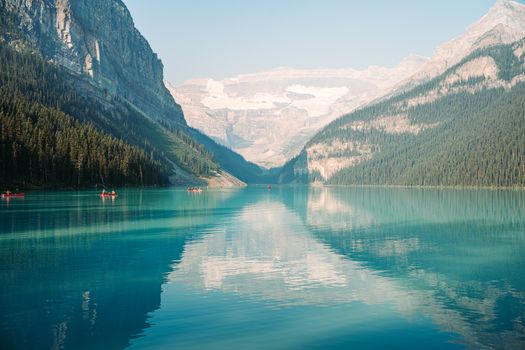
Breathtaking view of Lake Louise with canoes on a sunny summer day.Photo: Jacob Postuma / Pexels
Summer, from June to August, is unequivocally the most popular time to visit Banff National Park, and for good reason. The Canadian Rockies burst into vibrant life, offering a kaleidoscope of emerald lakes, lush green valleys, and towering peaks free of snow. This is when the park truly shines for outdoor enthusiasts, providing unparalleled opportunities for hiking, canoeing, kayaking, and wildlife viewing. The weather is typically warm and sunny, with daytime temperatures averaging between 20-25°C (68-77°F), though evenings can still be cool, especially at higher elevations. This pleasant climate makes it ideal for exploring the extensive trail network, from leisurely strolls around Lake Louise to challenging ascents up Sulphur Mountain or the iconic Plain of Six Glaciers hike. One of the main draws of summer is the accessibility of iconic turquoise lakes like Lake Louise, Moraine Lake, and Peyto Lake. The glacial meltwater fills these lakes, giving them their characteristic brilliant hues. Canoeing on Lake Louise or Moraine Lake is a quintessential Banff experience, though be prepared for crowds and early morning arrivals to secure a parking spot or rental. Wildlife is also more active and visible during the summer months; you might spot elk grazing in meadows, bighorn sheep on mountain slopes, or even a bear foraging for berries. However, with increased wildlife activity comes the responsibility to practice bear safety and respect their space. Understanding wildlife etiquette in national parks is crucial for both your safety and theirs. Despite the undeniable beauty and activity options, summer in Banff comes with its challenges. The park experiences its highest visitor numbers, leading to significant congestion at popular viewpoints, trails, and accommodations. Parking can be a nightmare, especially at Lake Louise and Moraine Lake, often requiring visitors to utilize shuttle services or arrive before sunrise. Prices for hotels, tours, and car rentals are at their peak, and availability can be scarce if not booked months in advance. Restaurants are often full, and reservations are highly recommended. If you crave solitude, summer might not be your ideal choice, unless you're willing to venture onto less-trafficked trails or visit during early mornings or late evenings. For families with school-aged children, summer is often the only feasible time to visit, making it a bustling hub of activity. Festivals and events are also more prevalent during these months, adding to the vibrant atmosphere. Despite the crowds, the sheer beauty and extensive range of activities make summer an unforgettable experience for many. It's a time of long daylight hours, allowing for extended exploration and capturing stunning golden hour photographs. Just remember to pack layers, as mountain weather can change rapidly, and always carry water and bear spray when hiking. Embrace the energy, plan meticulously, and you'll understand why summer is the go-to season for so many.

Winter Wonderland: Banff's Snowy Charms and Ski Adventures
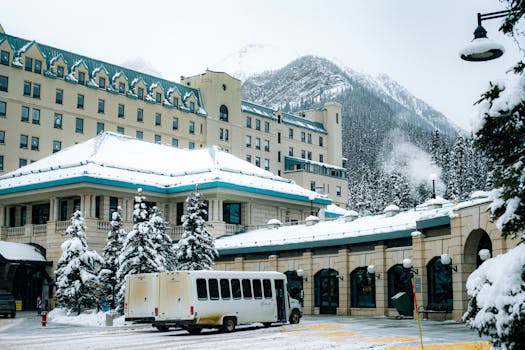
Majestic snowy resort with mountain views in winter. Ideal for winter getaways and scenic retreats.Photo: kenyi Amores / Pexels
When the snow begins to fall, typically from November through April, Banff National Park transforms into a majestic winter wonderland, offering a completely different but equally captivating experience. Winter in Banff is synonymous with world-class skiing and snowboarding, with three major resorts – Sunshine Village, Lake Louise Ski Resort, and Mt. Norquay – often referred to as the 'Big 3'. These resorts boast incredible terrain, stunning views, and reliable snowfall, attracting enthusiasts from around the globe. Beyond the slopes, winter opens up a plethora of unique activities such as ice skating on frozen lakes (Lake Louise is particularly famous), snowshoeing through silent, snow-laden forests, cross-country skiing, and even ice climbing on frozen waterfalls. The temperatures during winter can be quite cold, ranging from -5°C to -15°C (23°F to 5°F) on average, with occasional dips much lower. However, the dry mountain air often makes these temperatures feel less biting, especially when bundled up in appropriate winter gear. The crisp, clean air and sparkling snow create breathtaking scenery, perfect for photography. Imagine the iconic Fairmont Château Lake Louise framed by snow-dusted peaks, or the steam rising from the Banff Upper Hot Springs against a backdrop of frozen trees. Wildlife viewing is still possible, with elk and deer often seen foraging in the valleys, and coyotes or foxes camouflaged in the snow. While winter attracts its own set of crowds, particularly during holiday periods like Christmas, New Year's, and school breaks, it generally feels less congested than peak summer. The vastness of the ski resorts and the spread of activities across the park help to disperse visitors. Accommodation prices can still be high during peak winter periods, but outside of these, you might find more affordable options compared to summer. The park roads are generally well-maintained, but winter driving conditions can be challenging, especially after heavy snowfall. It's essential to have winter tires or chains if you're driving yourself, and to check road conditions regularly before heading out. A unique winter experience is exploring Johnston Canyon's frozen waterfalls on an ice walk, a truly magical journey through towering ice formations. The Banff Gondola offers panoramic views of the snow-covered Bow Valley, and the warmth of the Banff Upper Hot Springs is particularly inviting after a day of outdoor activities. For those who embrace the cold and love snow sports, winter in Banff is an unparalleled adventure. The quiet serenity of the snow-covered landscape, combined with the thrill of winter sports, makes it an unforgettable escape. Just be sure to pack plenty of warm layers, waterproof outer shells, and proper footwear to fully enjoy the frosty beauty.

Shoulder Seasons: Spring's Awakening and Autumn's Golden Hues
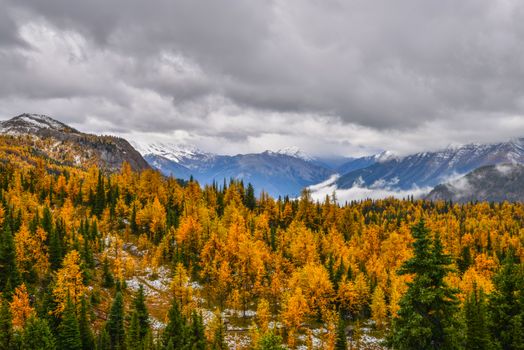
Stunning view of autumn foliage and distant snowy peaks in Banff National Park.Photo: Nunzio Guerrera / Pexels
The shoulder seasons – spring (April to May) and fall (September to October) – offer a compelling alternative for those looking to experience Banff National Park with fewer crowds and often at a lower cost. These transitional periods present their own unique charm and challenges, appealing to travelers who prioritize tranquility, photography, or specific seasonal activities. Spring is a period of awakening, as the snow slowly melts, revealing vibrant green foliage and rushing rivers. Early spring can still feel very much like winter, with snow persisting at higher elevations and on popular trails well into June. However, by late April and May, the lower valleys begin to bloom, and the sounds of birds returning fill the air. Planning your Rockies itinerary during these months requires flexibility and an understanding of the variable conditions. Fall, on the other hand, is arguably one of the most visually stunning times to visit. From mid-September to early October, the Larch trees (deciduous conifers) turn a brilliant golden yellow, creating breathtaking landscapes, particularly in areas like Larch Valley and Sentinel Pass. This short window attracts photographers and hikers eager to witness this ephemeral beauty. The weather in both shoulder seasons can be unpredictable. Spring can bring a mix of snow, rain, and sunshine, while fall typically offers crisp, clear days followed by colder nights. Daytime temperatures range from 5-15°C (41-59°F) in both seasons, but significant fluctuations are common, so layering is key. One of the biggest advantages of visiting during the shoulder seasons is the significant drop in crowds compared to summer. This means easier parking, shorter lines, and more peaceful experiences at popular attractions. Accommodation and activity prices also tend to be lower, offering better value for budget-conscious travelers. Many popular hiking trails, especially at higher elevations, may still be snow-covered or muddy in spring, making gaiters and waterproof boots essential. In fall, while most trails are open, early snowfall can sometimes close high-alpine routes prematurely. Always check trail conditions and avalanche forecasts before heading out, especially in spring. Wildlife viewing can be excellent during the shoulder seasons. Bears are often seen foraging in the valleys in spring after hibernation, and in fall, elk rutting season provides a dramatic spectacle (from a safe distance). Photography opportunities are abundant, with the soft light of spring and the dramatic colors of fall providing unique backdrops. Consider visiting in late spring if you want to see the wildflowers begin to emerge or late fall for the golden larches. While some seasonal operations, like certain shuttle services or boat rentals, might have reduced hours or be closed, the core attractions of the park remain accessible, offering a more intimate and serene experience of Banff's natural grandeur.

Choosing Your Ideal Banff Adventure: Tips and Common Mistakes
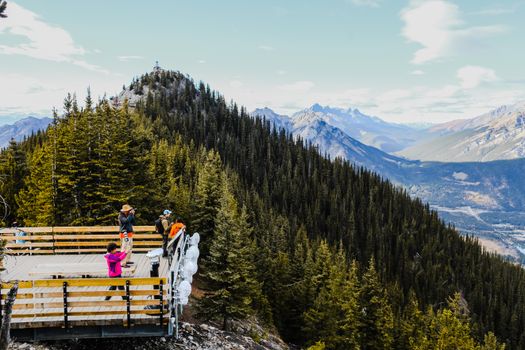
Tourists enjoying the stunning view from a mountain observation deck in Canada.Photo: Rachel Claire / Pexels
Deciding on the best time to visit Banff National Park ultimately boils down to your personal preferences, budget, and desired activities. To help you make an informed decision and avoid common pitfalls, here are some essential tips and common mistakes to steer clear of. **Tips for Planning Your Banff Trip:** * **Define Your Non-Negotiables:** Are iconic turquoise lakes a must-see? Then aim for summer. Is skiing your priority? Winter it is. Want to avoid crowds? Shoulder seasons are your best bet. * **Book Early, Especially for Peak Seasons:** This cannot be stressed enough. Accommodations, popular tours (like wildlife tours or gondola tickets), and rental cars can sell out months in advance during summer and winter holidays. Early booking secures availability and often better prices. * **Pack Layers:** Mountain weather is notoriously unpredictable. Regardless of the season, pack versatile layers, including waterproof and windproof outer shells. Even in summer, evenings can be chilly, and high-altitude weather can change rapidly. * **Utilize Public Transport and Shuttles:** Especially in summer, parking at popular spots like Lake Louise and Moraine Lake is extremely limited. Plan to use Parks Canada shuttles or Roam Transit to reduce stress and environmental impact. * **Check Park Conditions Regularly:** Before heading out, always check the Parks Canada website for trail closures, weather alerts, road conditions, and wildlife advisories. This is particularly crucial in spring (avalanche risk) and winter (road closures). * **Be Bear Aware:** Banff is bear country. Carry bear spray, know how to use it, and make noise on trails. Store food properly and never approach wildlife. * **Consider a Parks Canada Discovery Pass:** If you plan to visit multiple national parks or stay for more than 7 days, an annual pass often offers better value than daily passes. **Common Mistakes to Avoid:** * **Underestimating Crowds:** Many first-time visitors are surprised by the sheer number of people in Banff during peak summer. If you're seeking solitude, plan for shoulder seasons or less popular trails. * **Not Booking Accommodation in Advance:** Arriving in Banff without a reservation, especially in July or August, can lead to disappointment and expensive last-minute bookings outside the park. * **Ignoring Weather Forecasts:** Relying solely on one forecast can be misleading. Check multiple sources and be prepared for sudden changes, especially if hiking. * **Over-scheduling Your Itinerary:** Banff offers so much, but trying to squeeze too much into each day can lead to exhaustion. Build in downtime to truly appreciate the scenery. * **Forgetting Park Passes:** You need a valid Parks Canada pass to enter the park. Purchase it online or at the park gates upon arrival. * **Driving Without Winter Tires in Winter:** If visiting between October and May, winter tires are often legally required on certain routes and are essential for safety on snowy and icy roads. By keeping these tips in mind and avoiding these common mistakes, you can significantly enhance your Banff experience, ensuring it aligns perfectly with your expectations for adventure, relaxation, or breathtaking scenery.

Comparison

FeatureSummer (June-Aug)Fall (Sept-Oct)Winter (Nov-Mar)Spring (Apr-May)
Crowd LevelsVery HighModerateModerate-HighLow-Moderate
Typical WeatherWarm/SunnyCool/CrispCold/SnowyCool/Variable
Lake AccessAll open/BlueMost openFrozen/SnowyFrozen/Thawing
HikingExcellentExcellent (Larches)Snowshoe/XC SkiVariable/Muddy
Skiing/SnowboardingLimitedExcellentGood (late season)
PhotographyVibrant LakesGolden LarchesSnowy PeaksMelting Scenes
Wildlife ViewingGoodExcellent (Rut)GoodGood (Emergence)
Cost of TravelHighestModerateHigh (Holidays)Lowest

What Our Readers Say

5 ★★★★★

"Visiting Banff in late September was pure magic. The golden larches were absolutely stunning, and while there were still people, it wasn't nearly as crowded as I expected for such beauty. The crisp air was perfect for hiking."

5 ★★★★★

"We went in mid-July, and yes, it was busy, but the turquoise lakes were beyond anything I'd imagined. Canoeing on Lake Louise was a bucket-list moment. You just have to plan ahead for parking and shuttles."

5 ★★★★★

"Our winter trip in February was unforgettable. Skiing at Sunshine Village was incredible, and seeing the frozen waterfalls at Johnston Canyon was a unique experience. Definitely pack warm, but it's worth every layer!"

4 ★★★★☆

"I often visit in early May. It's a gamble with the weather – sometimes it snows, sometimes it's sunny – but the lower prices and fewer people make it worthwhile. You get a real sense of the park waking up."

5 ★★★★★

"As a photographer, I loved the quiet beauty of Banff in October. The fall colors were incredible, and I had many viewpoints almost to myself for sunrise shots. It felt very serene and inspiring."

Frequently Asked Questions

What is the absolute best month to visit Banff for hiking and clear lake views?
For the quintessential Banff experience with clear, vibrant turquoise lakes and extensive hiking opportunities, late June to early September is generally considered the best period. July and August offer the warmest weather and full access to all trails and lakes, ensuring the iconic colors are at their peak. However, these months also see the highest crowds.
Is Banff National Park too crowded in summer?
While summer is the busiest season, it doesn't mean you can't enjoy Banff. Popular spots like Lake Louise and Moraine Lake will be very crowded, especially midday. To avoid the worst of it, visit during early mornings or late evenings, utilize shuttle services, or explore less-trafficked trails and areas away from the main attractions.
How can I avoid high prices when visiting Banff?
To avoid peak prices, consider visiting during the shoulder seasons (late April to early June or late September to early November). Accommodations, flights, and even some activities tend to be more affordable. Booking well in advance, regardless of the season, can also help secure better rates.
What activities are available in Banff during the winter months?
Winter in Banff is fantastic for skiing and snowboarding at the 'Big 3' resorts. Other popular activities include ice skating on frozen lakes, snowshoeing, cross-country skiing, ice walking in Johnston Canyon, dog sledding, and relaxing in the Banff Upper Hot Springs. The scenery is also breathtaking with snow-covered peaks.
Should I visit Banff in spring or fall if I want fewer crowds?
Both spring (late April to early June) and fall (late September to early November) offer significantly fewer crowds than summer. Fall is particularly popular for the golden Larch trees, while spring offers the chance to see wildlife emerging and wildflowers blooming at lower elevations. Be prepared for variable weather in both seasons.
Who would benefit most from visiting Banff in the shoulder seasons?
The shoulder seasons are ideal for budget-conscious travelers, photographers seeking unique light and colors, hikers who prefer quieter trails, and those who want a more peaceful and less congested experience of the park. They offer a blend of activities without the extreme crowds or prices of peak seasons.
Are there any safety concerns to be aware of when choosing a time to visit?
Yes, safety concerns vary by season. In summer, bear encounters are more common, requiring bear spray and awareness. In winter, avalanche risk is present in backcountry areas, and driving conditions can be hazardous. In spring, melting snow can create muddy trails and increase avalanche risk. Always check Parks Canada advisories and prepare accordingly.
How might climate change affect the best time to visit Banff in the future?
Climate change is already impacting Banff, with earlier snowmelt, longer fire seasons, and less predictable weather patterns. This could shift the 'best' times, potentially extending shoulder seasons or altering peak activity periods. Visitors might need to be more flexible and rely on real-time park updates for planning in the future.

Choosing the best time to visit Banff National Park is a personal decision, shaped by your desires for adventure, scenery, and solitude. Whether you dream of vibrant summer lakes, golden fall larches, or snowy winter slopes, Banff promises an unforgettable experience. Plan wisely, prepare thoroughly, and get ready to discover the unparalleled beauty of the Canadian Rockies.

Topics: best time to visit Banff National ParkBanff seasonsBanff weatherCanadian Rockies travelBanff activities
Leo List
Brampton weed
Adultwork