✓ Summer (June-August) offers the warmest weather and most attractions, but also the largest crowds.
✓ Spring (April-May) and Fall (September-October) provide pleasant weather, fewer crowds, and vibrant natural beauty.
✓ Winter (November-March) transforms the falls into a frozen wonderland with unique events and significantly smaller crowds.
✓ Weekdays generally see fewer visitors than weekends, regardless of the season.
How It Works
1
Define Your Priorities
Consider what's most important for your trip: warm weather, avoiding crowds, specific attractions, or budget. This will guide your seasonal choice.
2
Explore Seasonal Offerings
Research the unique activities and events available during each season. Some attractions are seasonal, while others offer different experiences depending on the time of year.
3
Check Weather & Crowd Forecasts
Consult historical weather data and crowd predictions for your chosen travel dates. This helps set realistic expectations and prepare accordingly.
4
Book Accommodations & Tours
Once you've narrowed down your timing, secure your lodging and any must-do tours or dining reservations. Popular times fill up quickly.
Summer Splendor: Peak Season at Niagara Falls
Photo: This And No Internet 25 / Pexels
Summer, spanning from June through August, is undeniably the most popular time to visit Niagara Falls, Canada. The appeal is clear: warm, often hot, weather with average temperatures ranging from 20°C to 27°C (68°F to 80°F), long daylight hours, and the full spectrum of attractions operating at their peak. This is when the iconic Hornblower Niagara Cruises (formerly Maid of the Mist) operates most frequently, plunging visitors into the mist at the base of the Horseshoe Falls. The Journey Behind the Falls offers a unique perspective, feeling the thunderous power of the water up close. Clifton Hill, the vibrant entertainment district, is abuzz with activity, its attractions like the Niagara SkyWheel and various wax museums drawing lively crowds well into the evening. Evening fireworks displays over the falls are a nightly occurrence, creating a truly magical backdrop for dinner or a leisurely stroll. The Niagara Parks Botanical Gardens are in full bloom, showcasing their stunning floral arrangements, and the Butterfly Conservatory provides a tropical escape. For those seeking adventure, white-water rafting on the Niagara River or jet boat tours offer thrilling experiences. The region also hosts numerous outdoor festivals and events, adding to the festive atmosphere. However, this peak popularity comes with a caveat: crowds. Expect longer lines for attractions, higher prices for accommodations and flights, and more congested roadways. Booking well in advance is not just recommended, it's essential, especially for hotels with falls views and popular tours. Despite the crowds, the energy and sheer abundance of activities make summer an unforgettable experience for many, especially families with children who are out of school. The vibrant atmosphere is infectious, and the opportunity to enjoy everything Niagara Falls has to offer under the warm summer sun is a major draw. For a slightly less crowded experience within the summer months, consider visiting during the first two weeks of June or the last two weeks of August, when school holidays haven't fully kicked in or are winding down. Weekday visits are also generally less hectic than weekends. Exploring the various attractions available during this bustling season will help you prioritize your itinerary and make the most of your visit.
Spring & Fall: The Shoulder Seasons' Charm
Photo: Ali Soheil / Pexels
For many seasoned travelers, the shoulder seasons of spring (April-May) and fall (September-October) represent the best time to visit Niagara Falls, Canada. These periods strike a perfect balance between pleasant weather, manageable crowds, and often more attractive pricing. In spring, as the ice recedes and the days grow longer, Niagara Falls awakens. Temperatures gradually rise from 10°C to 20°C (50°F to 68°F), making it comfortable for exploring without the intense heat of summer. The Niagara Parkway becomes a scenic drive adorned with budding trees and early spring blossoms. Most major attractions, including the Hornblower Niagara Cruises, typically resume operations by mid-to-late April, offering a refreshing experience without the summer rush. The famous Niagara-on-the-Lake region, a short drive from the falls, comes alive with its charming shops and burgeoning vineyards, perfect for wine tasting tours. Fall, on the other hand, is arguably the most picturesque time to visit. The Niagara region explodes in a riot of red, orange, and gold as the leaves change, creating breathtaking photo opportunities, especially along the Niagara Parkway and in the surrounding wine country. Temperatures are comfortably cool, ranging from 10°C to 18°C (50°F to 64°F), ideal for walking and outdoor activities. The grape harvest season in Niagara-on-the-Lake means wineries are bustling with tours and tastings, often culminating in the Niagara Grape and Wine Festival in September. Attractions remain open through October, though some may begin to reduce hours towards the end of the month. Both spring and fall offer a more tranquil experience compared to summer. Lines are shorter, restaurants are less crowded, and you can often find better deals on accommodations. This allows for a more relaxed pace, giving you ample opportunity to soak in the natural beauty and historical significance of the area without feeling rushed. It's an excellent choice for couples, solo travelers, or those who prefer a quieter, more contemplative visit. However, it's worth noting that weather can be unpredictable during these transitional months. Spring can still see some chilly days or late-season snow flurries, especially in early April, while late October can bring crisp, cold air. Packing layers is always a wise strategy for shoulder season visits to ensure comfort throughout your trip. The stunning foliage of autumn and the fresh bloom of spring offer unique visual feasts that summer simply cannot replicate, making these seasons incredibly appealing.
Winter Wonderland: A Unique Niagara Falls Experience
Photo: Lucas George Wendt / Pexels
While often overlooked, visiting Niagara Falls in winter (November-March) offers a truly unique and magical experience, albeit with different considerations. The main draw is the incredible transformation of the falls into a frozen spectacle. The mist from the Horseshoe Falls freezes onto surrounding trees, railings, and rock formations, creating stunning ice sculptures and a breathtaking, ethereal landscape. Temperatures are cold, often hovering around freezing or dropping significantly below, ranging from -5°C to 5°C (23°F to 41°F). Heavy snowfall can occur, adding to the picturesque scenery. The biggest advantage of a winter visit is the drastic reduction in crowds. You'll find significantly shorter lines (or no lines at all) for the attractions that remain open, and accommodation prices are generally at their lowest. This allows for a more intimate and peaceful exploration of the area. While the Hornblower Niagara Cruises cease operation for the season due to ice, the Journey Behind the Falls remains open, offering a dramatic view of the ice formations and the powerful flow from within. The Niagara SkyWheel also operates year-round, providing panoramic views of the frozen landscape. The highlight of a winter visit is undoubtedly the Winter Festival of Lights. Running from mid-November to late January, this spectacular event transforms Niagara Falls into a dazzling wonderland with millions of LED lights and animated displays across the Niagara Parkway, Dufferin Islands, and throughout the city. It's a truly enchanting experience that draws visitors from around the globe. Other winter activities include ice skating at various rinks, exploring the heated conservatories like the Butterfly Conservatory, and enjoying cozy meals in less crowded restaurants. Wine lovers can indulge in unique ice wine tastings at local vineyards, a specialty of the Niagara region. Dressing in warm layers, including waterproof outer layers, gloves, hats, and insulated boots, is absolutely crucial for a comfortable winter visit. Some smaller attractions may be closed or have reduced hours, so it's vital to check their operating schedules in advance. Despite the cold, the serene beauty, the festive atmosphere of the Winter Festival of Lights, and the sheer lack of crowds make winter a compelling choice for those seeking a different, more tranquil, and budget-friendly Niagara Falls adventure. It’s an opportunity to see the falls in a truly unforgettable light, literally. Discovering the best winter activities can help you embrace the colder months.
Planning Your Perfect Trip: Tips for Every Season
Photo: This And No Internet 25 / Pexels
Choosing the best time to visit Niagara Falls, Canada, ultimately depends on your personal preferences and priorities. Here are some essential tips to ensure a successful and enjoyable trip, regardless of the season you choose.
**Consider Your Budget:**
* **Peak Season (Summer):** Expect the highest prices for flights, hotels, and sometimes even attractions. Booking far in advance is crucial to secure reasonable rates.
* **Shoulder Seasons (Spring/Fall):** Generally offer a sweet spot with moderate prices, especially if you avoid major holidays or festival weekends.
* **Off-Peak Season (Winter):** Often the most budget-friendly time to visit, with significant savings on accommodation and travel.
**Managing Crowds:**
* **Weekdays vs. Weekends:** Always opt for weekdays if possible, as crowds are significantly smaller than on bustling weekends, regardless of the season.
* **Early Mornings/Late Evenings:** For popular attractions, arrive right at opening or visit an hour or two before closing to beat the mid-day rush.
* **Off-Season Advantage:** Winter offers the most uncrowded experience, allowing for more serene exploration.
**Weather Preparedness:**
* **Summer:** Pack light clothing, sunscreen, hats, and comfortable walking shoes. Bring a light jacket for cooler evenings or air-conditioned indoor spaces.
* **Spring/Fall:** Layers are your best friend. Be prepared for temperature fluctuations throughout the day. A waterproof jacket and comfortable, waterproof shoes are highly recommended.
* **Winter:** Essential packing includes heavy coats, thermal layers, hats, gloves, scarves, and insulated, waterproof boots. Hand warmers can also be a lifesaver.
**Attraction Availability:**
* **Seasonal Closures:** Be aware that some outdoor attractions, like the Hornblower Niagara Cruises, close during the winter months. Always check official websites for operating hours and seasonal closures before your visit.
* **Special Events:** Research any festivals, concerts, or events happening during your planned visit. These can enhance your experience but also draw larger crowds.
**Transportation:**
* **WEGO Bus:** This hop-on, hop-off bus system is an excellent way to get around Niagara Falls and reach various attractions, reducing parking hassles.
* **Parking:** Parking can be expensive and challenging, especially during peak season. Consider parking further away and utilizing public transport or walking.
* **Driving in Winter:** If driving in winter, ensure your vehicle is equipped for snowy and icy conditions. Roads can be slippery.
By keeping these tips in mind, you can tailor your Niagara Falls trip to perfectly match your desires, ensuring an unforgettable Canadian adventure, whether you seek the vibrant energy of summer or the serene beauty of a winter wonderland.
Comparison
Feature
Summer (June-Aug)
Spring (Apr-May)
Fall (Sep-Oct)
Winter (Nov-Mar)
Weather
Warm/Hot (20-27°C)
Mild (10-20°C)
Cool (10-18°C)
Cold (-5-5°C)
Crowds
Very High
Moderate
Moderate
Very Low
Attraction Availability
All Open, Full Hours
Most Open, Full Hours
Most Open, Reduced Hours
Limited, Seasonal Closures
Pricing (Hotels/Flights)
Highest
Moderate
Moderate
Lowest
Scenery Highlight
Lush Greenery, Fireworks
Blooming Flowers
Fall Foliage
Frozen Wonderland, Festival of Lights
Hornblower Cruises
✓
✓ (late Apr+)
✓ (until Oct)
✗
Winter Festival of Lights
✗
✗
✗
✓
What Our Readers Say
5★★★★★
"We visited in late September, and it was absolutely perfect! The fall colors were stunning along the Parkway, and the weather was crisp but not too cold. We enjoyed wine tasting in Niagara-on-the-Lake without the summer crowds, making for a very relaxing trip."
Emily R.Toronto, ON
5★★★★★
"My family went in July, and while it was busy, the energy was incredible! The kids loved Clifton Hill, and the nightly fireworks over the falls were a highlight. Yes, there were lines, but we booked everything in advance, which helped immensely."
David M.New York, NY
5★★★★★
"Our winter visit in January for the Festival of Lights was magical. Seeing the falls partially frozen and illuminated was breathtaking. We practically had the place to ourselves on a Tuesday, and the hotel prices were a fraction of what they are in summer."
Sophia L.Vancouver, BC
4★★★★☆
"I chose early May to avoid peak crowds, and it was a good compromise. Most attractions were open, and the weather was pleasant enough for walking. There was still a bit of a chill in the air some days, so layering was key, but overall a great experience."
Mark J.Boston, MA
5★★★★★
"We came in early October specifically for the fall foliage and the Niagara Grape and Wine Festival. The vibrant colors around the falls and throughout the vineyards were unforgettable. It was a quieter, more sophisticated trip than I imagine summer would be."
Chen W.London, UK
Frequently Asked Questions
What is the absolute best time to visit Niagara Falls Canada for first-timers?
For first-time visitors who want to experience all major attractions without extreme temperatures or the absolute peak of summer crowds, late spring (May) or early fall (September to early October) are generally considered the best. You'll enjoy pleasant weather, full attraction availability, and vibrant scenery, balancing crowds with accessibility.
Is Niagara Falls too crowded in the summer?
Yes, summer (June-August) is the busiest time at Niagara Falls, Canada. Expect significant crowds at all major attractions, longer wait times, and higher prices for accommodation and tours. However, it's also when all attractions are open, and the weather is ideal for outdoor activities and evening fireworks, making it a popular choice for many.
How do I avoid crowds when visiting Niagara Falls?
To avoid crowds, visit during the shoulder seasons (April-May, September-October) or the off-peak winter months (November-March). Within any season, aim for weekdays rather than weekends, and arrive at attractions right when they open or an hour or two before closing. Booking tours and accommodations in advance can also save time.
Is visiting Niagara Falls in winter worth it, considering some attractions are closed?
Absolutely! Visiting Niagara Falls in winter offers a unique, serene experience with significantly fewer crowds and lower prices. While the Hornblower cruise is closed, the transformed, icy landscape of the falls, coupled with the magical Winter Festival of Lights, provides a breathtaking and unforgettable spectacle unlike any other season. The Journey Behind the Falls remains open.
Should I visit Niagara Falls on the Canadian or US side?
The Canadian side of Niagara Falls is widely regarded as offering superior panoramic views of both the Horseshoe Falls and the American Falls. It features better infrastructure for tourism, including the Niagara Parkway, Clifton Hill, and easy access to Niagara-on-the-Lake's wine region. While the US side offers different perspectives and attractions, the Canadian side generally provides a more comprehensive and visually stunning experience.
Who should consider visiting Niagara Falls in the spring or fall?
Visitors who prefer milder weather, want to avoid the peak summer crowds, and appreciate beautiful natural scenery should consider visiting in spring or fall. These seasons are ideal for couples, solo travelers, and those interested in photography, wine tasting, or a more relaxed pace, offering a balance of pleasant conditions and open attractions.
Is it safe to visit Niagara Falls at night?
Yes, visiting Niagara Falls at night is generally very safe and highly recommended. The falls are spectacularly illuminated in a rainbow of colors every evening, and during summer and the Winter Festival of Lights, fireworks often light up the sky. The main tourist areas, like Clifton Hill and the Niagara Parkway, are well-lit and usually bustling with people, creating a lively and secure atmosphere.
How might climate change affect the best time to visit Niagara Falls in the future?
Climate change could potentially lead to warmer shoulder seasons, extending the comfortable travel window in spring and fall. Winters might see less consistent ice formation, altering the 'frozen falls' experience, and summer heatwaves could become more frequent. These changes might shift peak visitation patterns and influence the availability of certain seasonal activities over time.
Now that you know the best time to visit Niagara Falls Canada, it's time to turn your dream trip into a reality. Plan your ideal seasonal adventure and prepare for an awe-inspiring experience that will create memories to last a lifetime!

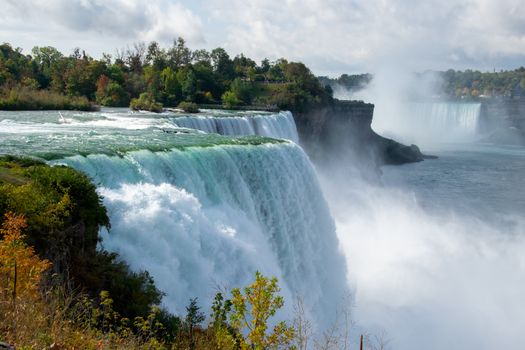 Photo: Beth Fitzpatrick / Pexels
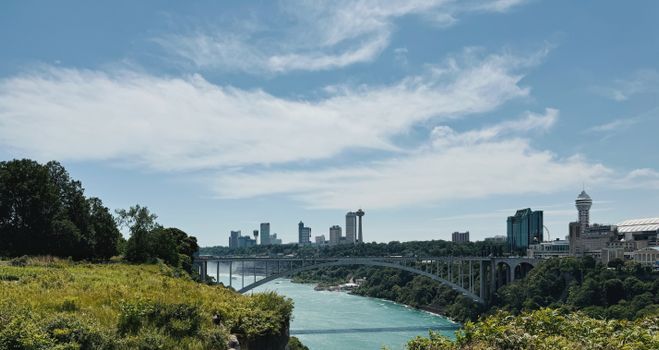 Photo: This And No Internet 25 / Pexels
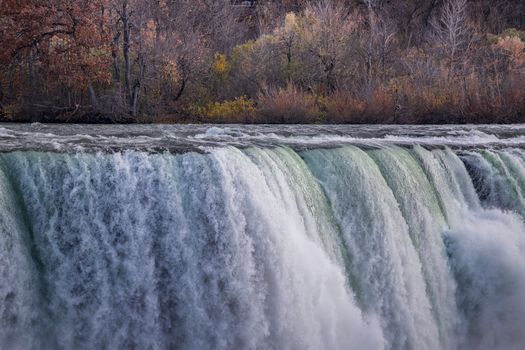 Photo: Ali Soheil / Pexels
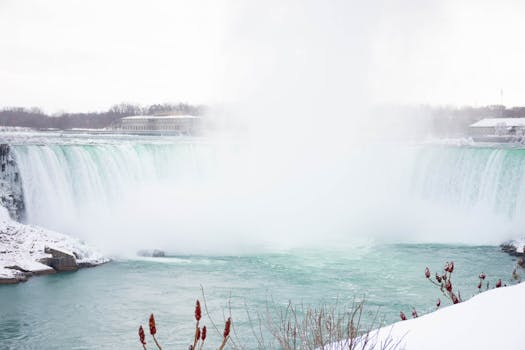 Photo: Lucas George Wendt / Pexels