✓ Summer (June-August) offers warm weather, peak hiking, and vibrant turquoise lakes, but also the largest crowds and highest prices.
✓ Fall (September-October) brings stunning larch season, fewer crowds, and crisp air, ideal for photography and quieter trails.
✓ Winter (November-April) transforms the Rockies into a snowy paradise for skiing, snowboarding, and ice skating, with unique beauty.
✓ Spring (May-early June) is a transition period, offering blooming wildflowers at lower elevations and lingering snow higher up, with fewer visitors.
How It Works
1
Define Your Desired Activities
Before choosing a season, consider what you want to do: hiking, skiing, sightseeing, wildlife viewing, or photography. Each season caters to different experiences.
2
Understand Seasonal Characteristics
Learn about the weather, crowd levels, and specific attractions available during summer, fall, winter, and spring. This helps align your expectations with reality.
3
Consider Your Budget & Flexibility
Peak seasons mean higher costs for accommodation and flights. Traveling during shoulder seasons can offer savings and a more relaxed experience without sacrificing beauty.
4
Book in Advance for Peak Travel
If you decide on a popular time like summer or early fall, secure accommodations, rental cars, and popular tours well in advance to avoid disappointment and higher last-minute prices.
Summer in the Rockies: Hiking, Lakes, and Crowds (June-August)
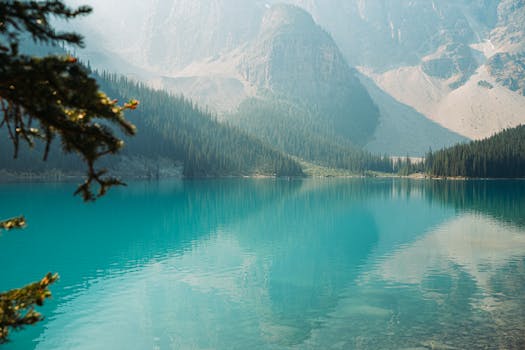
Photo: Andrew Patrick Photo / Pexels
Ah, summer in the Canadian Rockies! This is arguably the most popular time to visit, and for good reason. From early June through late August, the region bursts with life and vibrant colors. The iconic turquoise lakes – like Lake Louise and Moraine Lake – are at their most brilliant, fed by glacial meltwater, offering postcard-perfect views. Temperatures are generally warm and pleasant, averaging between 20-25°C (68-77°F) during the day, making it ideal for outdoor activities. The long daylight hours, often stretching past 9 PM, mean more time for exploration.
Hiking is the undisputed king of summer activities. Virtually all trails, from gentle valley strolls to challenging alpine ascents, are accessible and snow-free by mid-July. Popular trails like the Plain of Six Glaciers, Consolation Lakes, and the Larch Valley hike (though better known for fall) are bustling with adventurers. Water activities also take center stage; kayaking, canoeing, and paddleboarding on the pristine lakes are incredibly popular, offering a unique perspective of the surrounding peaks. Wildlife viewing is also excellent, with opportunities to spot elk, deer, bighorn sheep, and even bears (from a safe distance, of course) as they forage in the lush landscapes. The national parks – Banff, Jasper, Yoho, and Kootenay – are fully operational, with all visitor centers, campgrounds, and scenic drives open.
However, summer's immense popularity comes with a few significant caveats. Expect large crowds, especially at major attractions. Parking lots at Lake Louise and Moraine Lake fill up before dawn, necessitating early starts or reliance on shuttle services. Accommodation prices skyrocket, and availability can be scarce if not booked many months in advance. Similarly, flights and rental cars are at their premium. If your heart is set on a summer visit, meticulous planning and booking far ahead are absolutely essential. Despite the crowds, the sheer beauty and accessibility of the Rockies in summer make it an unforgettable experience for those who embrace the bustling atmosphere. Learn more about planning your summer trip to Canada.
Fall's Golden Glow: Larch Season and Quieter Trails (September-October)
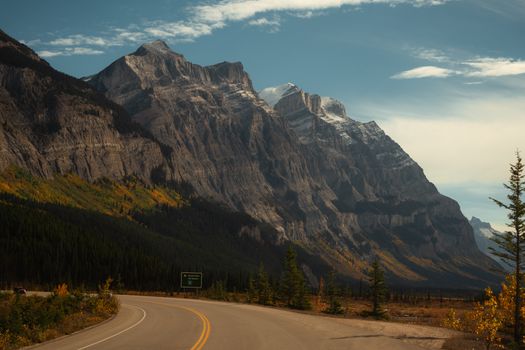
Photo: Joshua Woroniecki / Pexels
As summer fades, the Canadian Rockies undergo a breathtaking transformation, painting the landscape in hues of gold, orange, and red. Fall, specifically September and early October, is often hailed by seasoned travelers as one of the best times to visit for a more serene and visually spectacular experience. The star of the show is undoubtedly the Larch season. These deciduous conifers turn a brilliant golden yellow for a few short weeks, typically from mid-September to early October, creating a stunning contrast against the dark evergreen forests and snow-dusted peaks. Hikes like Larch Valley in Banff National Park become iconic pilgrimage sites for photographers and nature lovers.
Temperatures in fall are crisp and invigorating, ranging from 10-15°C (50-59°F) during the day, with cooler nights often bringing the first dusting of snow to higher elevations. While some high-altitude trails might experience early snowfalls, the majority remain accessible, offering comfortable hiking conditions without the summer heat. The biggest advantage of fall is the significant drop in crowds after the Labour Day long weekend (early September). Major attractions become more manageable, and you're more likely to find parking and enjoy moments of solitude on the trails. Accommodation prices also begin to ease, offering better value than the peak summer months.
Wildlife activity remains high as animals prepare for winter, providing excellent viewing opportunities. The air is often clearer, offering spectacular visibility for photography. However, be prepared for variable weather; days can be sunny and warm, but sudden cold snaps, rain, or snow are not uncommon, especially as you move into October. Some seasonal businesses and attractions might begin to close down towards the end of October, and road conditions on higher passes can become unpredictable with early winter weather. Despite this, the vibrant fall colors, fewer crowds, and pleasant hiking conditions make autumn an incredibly appealing time for those seeking a tranquil and picturesque Rockies adventure.
Winter Wonderland: Skiing, Snowboarding, and Frozen Beauty (November-April)
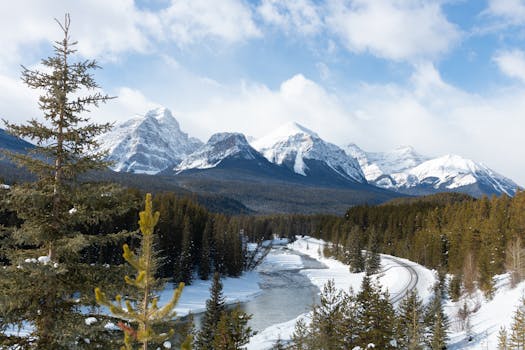
Photo: Claudia Solano / Pexels
From November to April, the Canadian Rockies transform into a magical winter wonderland, attracting snow sports enthusiasts and those seeking a serene, snow-covered landscape. This long season offers a completely different, yet equally captivating, experience. The major ski resorts – Lake Louise Ski Resort, Sunshine Village, and Mount Norquay – are in full swing, boasting world-class powder and breathtaking mountain views. Beyond downhill skiing and snowboarding, cross-country skiing, snowshoeing, and ice skating on frozen lakes like Lake Louise and Johnson Lake are popular activities. The iconic Icefields Parkway remains open (weather permitting), offering stunning winter vistas, though some services along the route may be closed.
Temperatures can be very cold, often ranging from -5°C to -20°C (23°F to -4°F), with even colder periods. Proper winter gear, including warm layers, waterproof outer shells, and insulated boots, is absolutely essential. Despite the cold, the abundant snowfall creates a serene, almost ethereal atmosphere. The crowds are generally much smaller than in summer, except during peak holiday periods like Christmas, New Year's, and school breaks. During these times, resort towns like Banff and Jasper can be quite busy, and accommodation should be booked well in advance.
Winter also offers unique opportunities for wildlife viewing, as animals are often easier to spot against the white snow. The frozen waterfalls, like those in Johnston Canyon, become stunning ice climbing formations. Many attractions, such as boat tours on the lakes, are closed, and some roads (like Moraine Lake Road and Takakkaw Falls Road) are inaccessible due to snow. However, the unique beauty of snow-dusted peaks, frosted trees, and the quiet solitude of the winter landscape offer an unparalleled experience for those who embrace the cold. Moreover, off-peak winter months (like November, early December, and late April) can offer excellent deals on accommodation and lift tickets, making it a more budget-friendly option for snow sports lovers. Discover more winter travel destinations in Canada.
Spring's Awakening: Transition, Wildflowers, and Fewer Crowds (May-Early June)
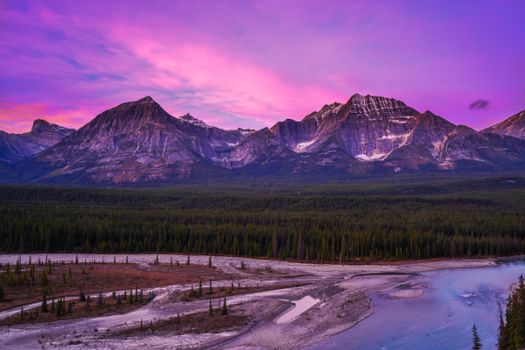
Photo: Ghost Acolyte / Pexels
Spring in the Canadian Rockies, roughly from May to early June, is a season of transition and renewal. It’s a period where the landscape slowly sheds its winter coat, revealing splashes of green and vibrant wildflowers at lower elevations, while higher peaks still retain significant snow cover. This shoulder season offers a unique blend of winter and summer activities, making it an intriguing choice for travelers looking for fewer crowds and potentially better value.
In early May, many higher elevation hiking trails will still be covered in snow or very muddy, but lower valley trails begin to open up. Wildlife, emerging from hibernation, is particularly active, offering excellent viewing opportunities. Bears, elk, and deer can often be spotted foraging in the valleys. The iconic lakes, such as Lake Louise and Moraine Lake, might still be partially frozen or just beginning to thaw, displaying a beautiful, milky blue color before reaching their full turquoise brilliance in summer. This can be a magical time for photography, capturing the contrast between snow-capped mountains and emerging spring foliage.
Temperatures during spring are highly variable, ranging from 5-15°C (41-59°F). Expect a mix of sunny days, rain showers, and even late-season snowfalls, especially at higher altitudes. Packing layers is crucial. One of the biggest advantages of visiting in spring is the significantly reduced tourist traffic compared to summer. This means easier access to popular sites, more availability for accommodations, and generally lower prices for flights and lodging. While some seasonal attractions and services might not yet be fully open, many major roads and facilities are operational. It's an ideal time for those who enjoy a quieter experience, don't mind variable weather, and are content with exploring lower elevation trails or enjoying the lingering snow for late-season skiing at resorts that remain open into May. It's a season for patient explorers who appreciate the subtle beauty of a landscape coming to life.
Comparison
Feature
Summer (June-Aug)
Fall (Sept-Oct)
Winter (Nov-Apr)
Spring (May-early June)
Crowd Levels
Very High
Moderate-Low
Low (except holidays)
Low-Moderate
Hiking Accessibility
Excellent (all trails open)
Good (high trails closing)
Limited (snowshoe/ski only)
Limited (lower trails open)
Lake Colors
Vibrant Turquoise
Deep Blue/Green
Frozen/Snow-covered
Thawing/Milky Blue
Key Activities
Hiking, Canoeing, Sightseeing
Larch Hikes, Photography, Wildlife
Skiing, Snowboarding, Ice Skating
Wildlife, Lower Elevation Hikes
Accommodation Cost
Very High
High-Moderate
Moderate-High (holidays very high)
Moderate-Low
Best for Photography
✓
✓
✓
✓
What Readers Say
★★★★★
"We visited in mid-September for the larch season, and it was absolutely magical! The golden trees against the snow-dusted peaks were incredible, and the trails weren't nearly as crowded as I expected. Highly recommend fall for photographers."
Sarah J. · Seattle, WA
★★★★★
"Summer in Banff was everything we dreamed of – the lakes were stunning, and we hiked every day. Yes, it was busy, but planning ahead with shuttle buses made it manageable. Worth every penny for those long, warm days."
Mark D. · London, UK
★★★★★
"For serious skiers, winter is the only answer. We hit Lake Louise and Sunshine Village in January and the powder was phenomenal. The towns are festive, and the frozen waterfalls are an added bonus. Truly a winter wonderland experience."
Emily R. · Calgary, AB
★★★★★
"We went in early May, and while some high trails were still closed, the lower ones were beautiful and quiet. It was a bit chilly, but we saw so much wildlife and had a much more relaxed trip without the summer rush. Just be prepared for varied weather."
David L. · Boston, MA
★★★★★
"Our trip in late June was perfect for seeing the lakes at their peak turquoise. We were able to canoe on Lake Louise and hike up to a tea house. The long daylight hours meant we could pack so much into each day, making the most of our Canadian Rockies adventure."
Jessica M. · Sydney, AU
Frequently Asked Questions
What is the absolute best time to visit the Canadian Rockies for first-timers?
For most first-timers, late June to early September (summer) is considered the 'best' time. This period offers the warmest weather, full accessibility to all hiking trails and attractions, and the iconic vibrant turquoise lakes. However, it also means peak crowds and higher prices, so advance booking is crucial.
Is it worth visiting the Canadian Rockies in winter?
Absolutely! Winter transforms the Rockies into a stunning snowy paradise, perfect for skiing, snowboarding, ice skating, and snowshoeing. While it's cold, the unique beauty, festive atmosphere, and opportunities for winter sports make it an incredible experience, especially for those who love snow.
How far in advance should I book my trip to the Canadian Rockies?
For peak summer travel (July-August) and holiday periods in winter, it is highly recommended to book accommodation, rental cars, and popular tours 6-12 months in advance. For shoulder seasons (spring and fall), 3-6 months in advance is generally sufficient, but earlier is always better for popular spots.
What are the average costs for a trip to the Canadian Rockies?
Costs vary significantly by season and style of travel. Summer is the most expensive, with daily budgets easily exceeding $300-$500 CAD per person for accommodation, food, and activities. Shoulder seasons can offer 20-40% savings. Budget travelers can reduce costs by camping, cooking their own meals, and utilizing free activities like hiking.
Is the Icefields Parkway open year-round?
The Icefields Parkway (Highway 93N) is technically open year-round, but sections may close temporarily due to heavy snowfall, avalanche risk, or extreme weather, particularly from October to May. Winter travelers must be prepared for winter driving conditions, carry emergency supplies, and check road reports before departing. Services along the parkway are minimal in winter.
Who should avoid visiting the Canadian Rockies in peak summer?
Travelers who dislike crowds, prefer solitude on trails, are on a strict budget, or who are spontaneous planners might find peak summer challenging. If these factors are important to you, consider visiting during the shoulder seasons (late spring or early fall) for a more relaxed and often more affordable experience.
Are there any safety concerns when visiting the Rockies in different seasons?
Yes, safety concerns vary. In summer, be mindful of wildlife encounters (carry bear spray), stay on marked trails, and bring plenty of water. In winter, be prepared for extreme cold, icy conditions, and avalanche risks in the backcountry. Always check avalanche forecasts and trail conditions. Spring and fall can bring unpredictable weather, so layered clothing is essential.
What future travel trends are emerging for the Canadian Rockies?
Sustainable and responsible tourism is a growing trend, with visitors increasingly seeking eco-friendly options and guided tours that emphasize conservation. There's also a rising interest in off-the-beaten-path experiences and exploring less-visited areas during shoulder seasons to avoid overtourism at popular sites, promoting a more even distribution of visitors throughout the year.
Choosing the best time to visit the Canadian Rockies depends entirely on your personal preferences and what you hope to experience. Whether you dream of vibrant summer hikes, golden fall larches, or serene winter snowscapes, this guide equips you with the knowledge to plan your perfect adventure. Start planning today and prepare for an unforgettable journey into one of the world's most spectacular natural wonders.