
Unveiling the best time to visit Banff: Your Ultimate Guide
best time to visit banff

Unveiling the best time to visit Banff: Your Ultimate Guide

Unlock the secrets to an unforgettable Banff adventure, aligning your visit with ideal weather and activities.

Plan Your Banff Trip!

Key Takeaways

  • ✓ Banff National Park offers distinct experiences across all four seasons.
  • ✓ Summer (June-August) is peak season for hiking, canoeing, and warm weather.
  • ✓ Winter (December-March) is ideal for skiing, snowboarding, and ice skating.
  • ✓ Shoulder seasons (April-May, September-November) offer fewer crowds and unique charm.

How It Works

1
Define Your Banff Dream

Consider what activities and experiences you prioritize for your trip to Banff. Do you dream of turquoise lakes or snowy peaks?

2
Match Season to Desire

Align your desired activities with Banff's distinct seasonal offerings. Each season brings unique opportunities and challenges.

3
Account for Logistics

Factor in crowd levels, accommodation availability, and budget. Peak seasons often mean higher costs and more planning.

4
Prepare for Banff's Weather

Understand that mountain weather can be unpredictable. Pack layers and be ready for sudden changes, regardless of the season.

Summer in Banff: Peak Adventures and Iconic Landscapes
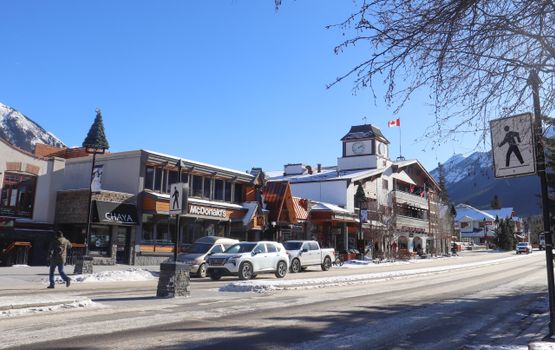
Scenic winter day on Banff Avenue, showcasing snowy streets, shops, and mountains. Photo: Claudia Solano / Pexels
When many travelers ponder the best time to visit Banff, their thoughts often drift to the glorious summer months. From June to August, Banff National Park transforms into a vibrant playground, boasting long daylight hours, comfortable temperatures, and unparalleled access to its most iconic natural wonders. This is the season when the famous turquoise lakes, such as Lake Louise and Moraine Lake, are at their most brilliant, fed by glacial meltwaters. Hikers rejoice as trails open up, ranging from gentle lakeside strolls to challenging multi-day treks deep into the backcountry. The air buzzes with energy, as visitors from around the globe converge to experience the Canadian Rockies at their most inviting. However, this popularity comes with a caveat: summer is unequivocally Banff's peak season. Expect larger crowds, especially at major attractions, and plan well in advance for accommodation, tours, and even restaurant reservations. Parking can be a significant challenge, particularly at Lake Louise and Moraine Lake, where shuttle services become essential. Despite the crowds, the sheer beauty and abundance of activities make summer an incredibly compelling choice for many. Wildlife spotting is also excellent during these months, with opportunities to see elk, deer, and even bears (from a safe distance, of course). Canoeing, kayaking, mountain biking, and whitewater rafting are just a few of the adrenaline-pumping activities available. The average daytime temperatures hover around 20-25°C (68-77°F), making it perfect for outdoor exploration, though evenings can still be cool. It's crucial to pack layers and be prepared for occasional rain showers, as mountain weather can be notoriously fickle. For those seeking the classic Banff experience – the one plastered on postcards and travel brochures – summer delivers in spades. The vibrant wildflowers, the glistening lakes, and the endless opportunities for adventure create an unforgettable travel experience. Just remember to embrace the crowds and plan with precision to maximize your enjoyment.

Winter Wonderland: Embracing Banff's Snowy Splendor

For those who dream of a winter wonderland, the period from December to March presents an entirely different, yet equally enchanting, side of Banff. This is when the park dons its pristine white cloak, transforming into a paradise for winter sports enthusiasts and those seeking a serene, snow-covered escape. Skiing and snowboarding reign supreme, with world-class resorts like Sunshine Village, Lake Louise Ski Resort, and Mount Norquay offering diverse terrain for all skill levels. The crisp mountain air, the glittering snow, and the majestic peaks create a truly magical atmosphere. Beyond downhill skiing, Banff offers a plethora of other winter activities. Cross-country skiing and snowshoeing trails abound, allowing visitors to explore tranquil forests and frozen lakes. Ice skating on frozen Lake Louise or the outdoor rink in downtown Banff is an iconic experience, often accompanied by stunning mountain backdrops. Ice climbing, dog sledding, and even sleigh rides add to the winter charm. Wildlife, though less active, can still be spotted, with tracks in the snow telling tales of their movements. Winter temperatures typically range from -5°C to -15°C (23°F to 5°F), but can plummet much lower, especially at night or in higher elevations. Proper winter gear, including warm layers, waterproof outer shells, hats, gloves, and insulated boots, is absolutely essential for comfort and safety. While winter sees fewer overall visitors than summer, it attracts a dedicated crowd of snow sports lovers. This means that while major attractions might be less crowded, ski resorts and associated accommodations can still be busy, particularly during holiday periods like Christmas, New Year's, and Spring Break. However, the feeling of solitude and untouched beauty can be more readily found on less-trafficked trails. The short daylight hours are compensated by the dramatic beauty of snow-dusted landscapes and the cozy ambiance of Banff town, with its charming boutiques and warm fireplaces. For photographers, the soft winter light and dramatic contrasts offer incredible opportunities. If your ideal vacation involves fresh powder, cozy evenings, and breathtaking snowy vistas, then the winter months are undeniably the best time to visit Banff.

Shoulder Seasons: Unveiling Banff's Hidden Charms and Fewer Crowds

The shoulder seasons – April to May (spring) and September to November (fall) – often represent the best time to visit Banff for travelers seeking a balance between good weather, fewer crowds, and potentially more affordable rates. These transitional periods offer a unique perspective on the park, showcasing its dynamic beauty as it shifts from one extreme to another. In spring, as the snow begins to melt, waterfalls thunder with renewed vigor, and the valleys start to green, while higher elevations retain their winter coat. Fall brings a spectacular display of golden larches, particularly vibrant in late September and early October, painting the mountainsides in fiery hues. Spring in Banff is a season of awakening. While some higher elevation trails may still be snow-covered or muddy, lower elevation hikes become accessible. Wildlife, emerging from hibernation, is often more active and visible. It's a fantastic time for birdwatching and spotting bears foraging after their long sleep. The famous lakes may still be partially frozen or in the process of thawing, offering a unique visual experience that differs from their vibrant summer state. Temperatures are milder than winter, typically ranging from 5-15°C (41-59°F), but can still be unpredictable, with chances of late spring snowfalls. Packing versatile layers is paramount during this time. Fall, post-Labour Day, sees a significant drop in visitor numbers, yet the weather often remains pleasant, and the scenery is arguably at its most stunning. The golden larch season is a particular draw, creating incredible photographic opportunities. Hiking remains a popular activity, with cooler temperatures making for comfortable treks. Wildlife is active as they prepare for winter. As autumn progresses into November, the park transitions towards winter, with early snowfalls beginning to accumulate, especially at higher elevations. This can offer a tantalizing preview of the winter landscape without the full intensity of winter cold or crowds. Accommodation and activity prices during both shoulder seasons are often lower than in peak summer, making it a more budget-friendly option. For those who prioritize tranquility, stunning natural beauty without the throngs, and a different perspective on Banff's iconic landscapes, the shoulder seasons offer an exceptional and often overlooked travel opportunity.

Planning Your Banff Trip: Tips for Every Season

Regardless of when you decide is the best time to visit Banff, strategic planning is key to a seamless and enjoyable experience. Here are essential tips to consider for every season: * **Book Accommodation Early:** This cannot be stressed enough, especially for summer and holiday periods in winter. Banff town and Lake Louise hotels fill up months in advance. Consider options in nearby Canmore for potentially better availability and rates, though transport to Banff National Park will be required. * **Transportation:** In summer, utilize Parks Canada shuttle services for popular spots like Lake Louise and Moraine Lake to avoid parking frustrations. Renting a car offers flexibility, but be aware of parking limitations. In winter, an AWD or 4WD vehicle with winter tires is highly recommended for safe driving conditions on mountain roads. * **Layer Up, Always:** Mountain weather is notoriously unpredictable. A sunny morning can quickly turn into a chilly, rainy, or even snowy afternoon. Pack versatile layers, including a waterproof and windproof outer shell, no matter the season. * **Parks Pass:** You will need a Parks Canada Discovery Pass or a daily pass to enter Banff National Park. Purchase it online in advance or at the park gates to save time. * **Wildlife Safety:** Banff is bear country. Carry bear spray, know how to use it, and make noise on trails. Never approach or feed wildlife. Store food properly. Consult Parks Canada for current warnings and guidelines. * **Check Conditions:** Before heading out, always check trail conditions, weather forecasts, and avalanche warnings (in winter) with Parks Canada or local visitor centers. Conditions can change rapidly, especially at higher elevations. **Common Mistakes to Avoid:** * **Underestimating Crowds:** Especially in summer, don't expect to have iconic spots to yourself. Adjust your expectations and plan for early starts or late evenings to avoid the busiest times. * **Ignoring Weather Forecasts:** A clear sky in town doesn't mean the same conditions at higher altitudes or later in the day. Always be prepared for changes. * **Not Packing Enough Water/Snacks:** Especially on hikes, ensure you have sufficient hydration and energy-boosting snacks. There are limited services on many trails. * **Disregarding Park Regulations:** These are in place for your safety and the preservation of the park. Respect wildlife, stay on marked trails, and practice Leave No Trace principles. * **Over-scheduling:** Banff offers immense beauty and tranquility. While it's tempting to cram in every activity, allow for some downtime to simply soak in the stunning surroundings.

Comparison

FeatureSummer (June-Aug)Winter (Dec-Mar)Shoulder (Apr-May, Sep-Nov)
Crowd LevelsVery HighModerate-High (ski season)Low-Moderate
WeatherWarm, sunny (20-25°C)Cold, snowy (-5 to -15°C)Mild, unpredictable (5-15°C)
Main ActivitiesHiking, canoeing, bikingSkiing, snowboarding, ice skatingHiking (lower), Larch viewing
Lake Access (e.g., Moraine Lake)Fully Open, turquoiseFrozen/Inaccessible (roads closed)Thawing/Frozen (Spring), Accessible (Fall)
Pricing (Accommodation)HighestHigh (peak holidays)Lower
Wildlife ViewingExcellentGood (tracks)Excellent (spring/fall)
PhotographyVibrant, lushDramatic, snow-coveredGolden larches, thawing lakes
Road ConditionsExcellentWinter tires/AWD recommendedVariable (spring), Good (fall)

What Readers Say

"We visited Banff in late September, and it was absolutely magical. The golden larches were breathtaking, and the trails were still open but not nearly as crowded as I'd heard summer gets. Definitely the best time to visit Banff for stunning fall colors."

Sarah J. · Vancouver, BC

"For avid skiers like us, January was the undisputed best time to visit Banff. The snow was incredible at Lake Louise, and the town had such a cozy, festive vibe after a day on the slopes. We're already planning our next winter trip!"

Mark D. · Toronto, ON

"I've been to Banff in all seasons, but early June was surprisingly perfect for avoiding the absolute peak summer rush. The lakes were turning blue, waterfalls were gushing, and we got great deals on accommodation. Less crowded trails made for a much more peaceful experience."

Emily R. · Calgary, AB

"Our August trip was fantastic for hiking and seeing the iconic blue lakes, but the crowds were intense. We had to book everything months in advance, and parking was a nightmare. Still, the beauty made it worthwhile, just be prepared for the popularity."

Liam K. · London, UK

"If you want to see wildlife and enjoy crisp air, May was an excellent choice for us. We saw bears from a distance and plenty of elk. The trails were a bit muddy in spots, but the quiet beauty of the awakening park was unforgettable. A truly unique time to experience Banff."

Jessica L. · Seattle, WA

Frequently Asked Questions

What is the absolute best time to visit Banff for first-timers?

For most first-timers seeking the classic Banff experience with vibrant turquoise lakes and extensive hiking opportunities, late June to early September (summer) is generally considered the best. Be prepared for higher prices and larger crowds during this period, but the weather is ideal for outdoor activities.

Is Banff too crowded in the summer?

Yes, Banff can be extremely crowded in the summer, especially at popular spots like Lake Louise, Moraine Lake, and Johnston Canyon. However, with strategic planning, early starts, utilizing shuttles, and exploring less-known trails, you can still have an incredible experience.

How do I avoid crowds when visiting Banff?

To avoid crowds, consider visiting during the shoulder seasons (May-early June or late September-October). If you must visit in summer, go early in the morning or later in the afternoon, explore less popular trails, and utilize Parks Canada shuttle services for busy areas.

When is the best time to see the golden larches in Banff?

The golden larch season typically occurs in late September to early October. This is a highly sought-after experience, and while it's part of the shoulder season, certain larch-specific trails can still get busy. Plan accordingly for this beautiful spectacle.

What is the cheapest time to visit Banff?

Generally, the shoulder seasons (late April to early June and late October to November) offer the best potential for lower accommodation and activity prices. During these times, visitor numbers drop, leading to more competitive rates for hotels and tours.

Who should visit Banff in the winter?

Winter in Banff is ideal for snow sports enthusiasts (skiing, snowboarding, snowshoeing, ice skating), photographers seeking dramatic snowy landscapes, and those looking for a cozy, festive atmosphere. It's also great for travelers who prefer fewer crowds at non-ski attractions.

Is it safe to hike in Banff during the spring?

Hiking in Banff during the spring (April-May) can be safe, but requires caution. Lower elevation trails often open up first, but higher trails may still be snow-covered or muddy, with potential avalanche risks. Always check trail conditions and carry bear spray, as wildlife emerges from hibernation.

Will climate change affect the best time to visit Banff in the future?

Climate change is already impacting Banff, with observed shifts in snowpack, glacier melt, and wildfire seasons. Future trends may include longer shoulder seasons, earlier lake thaws, and potentially warmer, drier summers, which could influence ideal visitation times and necessitate adapting to new conditions and considerations.

Ultimately, the best time to visit Banff hinges on your personal preferences and what you hope to experience. Whether you crave the vibrant energy of summer, the serene beauty of winter, or the unique charm of the shoulder seasons, Banff promises an unforgettable adventure. Start planning your perfect trip today and discover the magic of the Canadian Rockies for yourself!

Topics: best time to visit banffBanff travel seasonsBanff summer activitiesBanff winter sportsBanff shoulder season
Leo List
Brampton weed
Adultwork