✓ Canada boasts the world's longest coastline, offering diverse coastal drives.
✓ The Trans-Canada Highway is one of the longest national highways globally, spanning over 7,821 km.
✓ National Parks in Canada require a Parks Canada Discovery Pass for entry.
✓ Gas prices and availability can vary significantly between provinces and remote areas.
How It Works
1
Choose Your Region & Theme
Decide which part of Canada captivates you most – from the Rockies to the Maritimes. Consider if you prefer mountains, coasts, cities, or wilderness.
2
Map Your Route & Stops
Utilize online mapping tools to plot your journey, identifying key attractions, accommodations, and fuel stops. Be flexible and allow for spontaneous detours.
3
Prepare Your Vehicle & Gear
Ensure your vehicle is in top condition with a pre-trip inspection. Pack essentials like first-aid, navigation, emergency supplies, and appropriate clothing.
4
Book Ahead & Stay Flexible
Especially during peak season, book accommodations and popular activities in advance. However, maintain flexibility for unexpected discoveries and weather changes.
Exploring the Majestic Canadian Rockies Road Trips
Photo: Jonathan Cooper / Pexels
The Canadian Rockies, a UNESCO World Heritage Site, offer some of the most iconic road trip ideas Canada has to offer. This region, spanning parts of Alberta and British Columbia, is a symphony of jagged peaks, turquoise lakes, ancient glaciers, and abundant wildlife. A journey through the Rockies is not just a drive; it's an immersion into nature's grandeur that leaves an indelible mark on every traveler. The Icefields Parkway, often hailed as one of the most beautiful drives in the world, is an absolute must. Stretching 232 kilometers (144 miles) between Lake Louise and Jasper, this scenic highway winds through a landscape sculpted by glaciers, offering breathtaking views at every turn. Key stops along the Parkway include the Athabasca Glacier, where you can take a guided ice exploration, and the Columbia Icefield Skywalk, a glass-floored observation platform offering panoramic vistas. Don't rush this drive; allow at least a full day, or ideally two, to truly appreciate its splendor and stop at numerous viewpoints and short hikes. Beyond the Parkway, the national parks of Banff, Jasper, Yoho, and Kootenay each offer their unique charms. Banff National Park, Canada's first national park, is home to the world-famous Lake Louise and Moraine Lake, whose vibrant blue waters are a photographer's dream. Early morning visits are recommended to beat the crowds and experience the serene beauty. Jasper National Park, the largest national park in the Canadian Rockies, offers a wilder, more rugged experience. Here, you can explore Maligne Lake and Spirit Island, hike to powerful waterfalls like Athabasca Falls, or spot elk and bighorn sheep grazing by the roadside. Yoho National Park, often overlooked, boasts Takakkaw Falls, one of Canada's highest waterfalls, and the natural bridge over the Kicking Horse River. Kootenay National Park is known for its diverse landscapes, from the warm waters of Radium Hot Springs to the paint pots, mineral springs that create vibrant pools of color. When planning your Rockies road trip, consider the time of year. Summer (June to September) offers the best weather for hiking and lake activities, but also the largest crowds. Spring and fall present fewer crowds and stunning seasonal colors, though some higher elevation roads and attractions might be closed due to snow. Winter transforms the Rockies into a snowy wonderland, ideal for skiing and snowboarding, but requires careful driving due to icy conditions. Accommodation ranges from luxury resorts to rustic campgrounds, so book well in advance, especially for popular spots. Remember to purchase a Parks Canada Discovery Pass for unlimited entry to all national parks. For more detailed information on planning your adventure, check out our guide on essential travel planning tips. Always carry bear spray and know how to use it, as wildlife encounters are common and part of the magic of this region. Embrace the vastness, the quiet, and the sheer power of nature that defines the Canadian Rockies.
Atlantic Canada offers a completely different, yet equally captivating, set of road trip ideas Canada explorers cherish. This region, comprising New Brunswick, Nova Scotia, Prince Edward Island, and Newfoundland and Labrador, is renowned for its rugged coastlines, charming fishing villages, rich maritime history, and some of the friendliest people you'll ever meet. The iconic Cabot Trail in Cape Breton Island, Nova Scotia, is a 298-kilometer (185-mile) loop that consistently ranks among the world's most scenic drives. Winding around the northern tip of the island, it offers panoramic ocean vistas, lush highlands, and deep river valleys. Along the way, you can explore the Fortress of Louisbourg National Historic Site, a meticulously reconstructed 18th-century French fortress, or hike the Skyline Trail for breathtaking cliffside views and whale watching opportunities. Allow at least three to five days to fully experience the Cabot Trail, stopping in picturesque towns like Chéticamp and Ingonish. Seafood lovers will be in paradise, with fresh lobster, crab, and scallops available everywhere. In Prince Edward Island, a drive along the scenic coastal routes, such as the North Cape Coastal Drive or the Points East Coastal Drive, reveals red sand beaches, lighthouses, and Anne of Green Gables inspired landscapes. The island is small enough to explore thoroughly in a few days, offering a relaxed pace and plenty of opportunities to sample its famous potatoes and fresh oysters. New Brunswick is home to the Bay of Fundy, which boasts the highest tides in the world. A road trip along its coast allows you to witness this natural phenomenon at places like Hopewell Rocks, where you can walk on the ocean floor at low tide and kayak among the flowerpot rocks at high tide. The Fundy Trail Parkway offers another spectacular coastal drive with numerous lookouts, beaches, and hiking trails. For the truly adventurous, a ferry journey to Newfoundland and Labrador opens up a world of dramatic fjords, icebergs (in spring), and ancient Viking history at L'Anse aux Meadows National Historic Site. The Viking Trail on the Great Northern Peninsula and the Irish Loop on the Avalon Peninsula are highly recommended drives. Each province has its unique cultural heritage, from Acadian to Celtic to Indigenous, adding layers of depth to your journey. Expect variable weather, even in summer, so pack layers. Many small towns offer delightful bed and breakfasts, providing a personal touch to your stay. The hospitality in Atlantic Canada is legendary, so be prepared for friendly conversations and local recommendations. Plan your route to include ferry crossings if you're hopping between islands or provinces, and book these in advance, especially during peak season. These coastal adventures provide a refreshing contrast to mountain drives, focusing on the power of the ocean and the resilience of communities shaped by it.
Cross-Canada Adventures: The Ultimate Road Trip Experience
For the ultimate Canadian road trip, consider a cross-country adventure, traversing the vast and varied landscapes from coast to coast. This epic journey, often following the Trans-Canada Highway, is one of the most ambitious road trip ideas Canada offers, requiring significant planning but promising unparalleled rewards. Starting in the Atlantic provinces, you could begin in St. John's, Newfoundland, and gradually make your way west. The initial leg of the journey would take you through the maritime charm of Nova Scotia and New Brunswick, perhaps including a stop at the Bay of Fundy. As you head into Quebec, you'll encounter a rich tapestry of French-Canadian culture, from the historic streets of Quebec City to the vibrant metropolis of Montreal. The drive through Ontario is long but diverse, featuring the rugged beauty of the Canadian Shield around Lake Superior, the urban sprawl of Toronto, and the natural wonder of Niagara Falls. This central stretch offers a blend of natural beauty and major city experiences. The journey continues into the Prairies – Manitoba, Saskatchewan, and Alberta – where endless skies meet golden wheat fields. While often perceived as flat, these provinces offer unique attractions like the charming city of Winnipeg, the Badlands of Drumheller with their dinosaur fossils, and the vibrant arts scene of Saskatoon. The transition from the Prairies to the Rocky Mountains in Alberta is dramatic and awe-inspiring, as the flatlands abruptly give way to towering peaks. This segment of the trip could include the iconic Icefields Parkway, as discussed earlier. Finally, your journey culminates in British Columbia, a province renowned for its stunning Pacific coastline, lush rainforests, and vibrant cities like Vancouver. You could explore the Okanagan Valley's wine country, hike through ancient forests on Vancouver Island, or enjoy the urban sophistication of Vancouver. A cross-Canada road trip typically takes anywhere from two weeks to several months, depending on how many stops and detours you plan. It's crucial to prepare for varying climates and road conditions across such a vast distance. Ensure your vehicle is in excellent condition, and consider investing in roadside assistance. Pack a versatile wardrobe suitable for diverse weather, from humid eastern summers to potentially chilly mountain evenings. This type of trip is not just about the destinations; it's about the journey itself – the changing landscapes, the diverse cultures, the unexpected encounters, and the sheer scale of the country. It's an opportunity to truly understand the geographical and cultural mosaic that is Canada. For practical advice on long-haul driving, consult our guide to vehicle maintenance for long trips. Embrace the vastness, be prepared for long stretches of highway, and savor the incredible diversity that unfolds mile after mile.
Essential Tips for Planning Your Canadian Road Trip
Planning a road trip in Canada, whether it's a weekend getaway or a cross-country epic, requires careful consideration to ensure a smooth and enjoyable experience. Here are some essential tips to help you prepare:
* **Vehicle Preparation is Key:** Before you hit the road, ensure your vehicle is in optimal condition. Get a full service, check tire pressure (including the spare), inspect fluid levels, brakes, and lights. Carry an emergency kit with jumper cables, a first-aid kit, flashlight, basic tools, and warm blankets, especially if venturing into remote areas. Consider a GPS or offline maps, as cell service can be spotty in some regions.
* **Budgeting for Your Adventure:** Canada can be an expensive country, so create a realistic budget. Factor in fuel costs (which vary significantly by province), accommodation (from campgrounds to hotels), food, national park passes, activities, and a contingency fund for unexpected expenses. Cooking some of your meals can save a lot of money.
* **Accommodation Strategies:** Decide whether you prefer camping, hotels, B&Bs, or vacation rentals. During peak season (summer), popular areas and national parks book up months in advance. If you're flexible, consider off-season travel for fewer crowds and potentially lower prices. Many national parks offer excellent camping facilities.
* **Packing Smart:** Pack layers of clothing suitable for varying weather conditions. Even in summer, mountain evenings can be cool, and coastal areas can be foggy. Include rain gear, comfortable walking shoes, sunscreen, insect repellent, and a good camera to capture the stunning scenery. Don't forget any necessary medications.
* **Understanding Canadian Road Rules:** Familiarize yourself with the road rules of the provinces you'll be visiting. Speed limits are posted in kilometers per hour (km/h). Seatbelt use is mandatory for all occupants. Be aware of wildlife on rural roads, especially at dawn and dusk. Some provinces have specific rules regarding winter tires or headlight use.
* **Connectivity and Navigation:** While major cities have excellent cell service, coverage can be unreliable in remote areas, particularly in national parks and northern regions. Download offline maps (e.g., Google Maps, Maps.me) and consider a satellite communication device if you're venturing far off the beaten path. A physical map can also be a reliable backup.
* **Wildlife Safety:** Canada is home to abundant wildlife, including bears, moose, elk, and deer. Never approach or feed wildlife. Store food properly in bear-safe containers when camping. If you encounter a large animal on the road, slow down and give it space. Knowing what to do in a bear encounter is crucial.
* **Flexibility is Freedom:** While planning is essential, embrace the spirit of adventure and allow for spontaneity. Some of the best discoveries are made when you deviate from the original plan. Be open to local recommendations and unexpected detours. This adaptability will enhance your overall road trip experience.
* **National Park Passes:** If you plan to visit multiple national parks, a Parks Canada Discovery Pass is highly recommended. It offers unlimited entry to all national parks, national historic sites, and national marine conservation areas for a full year. Purchase it online or at the first park gate you encounter.
* **Respecting Indigenous Land:** Canada is built on Indigenous territories. Learn about the Indigenous communities whose lands you are traveling through, and consider visiting cultural centers or events to learn more about their rich history and traditions. Travel respectfully and responsibly.
By keeping these tips in mind, you'll be well-prepared to embark on an unforgettable Canadian road trip, creating memories that will last a lifetime.
Comparison
Feature
Canadian Rockies (West)
Atlantic Canada (East)
Trans-Canada (Cross-Country)
Landscape
Mountains, Glaciers, Lakes
Coastline, Islands, Forests
Diverse: Mountains, Prairies, Coasts
Wildlife
Bears, Elk, Bighorn Sheep
Whales, Seabirds, Moose
All of the above
Best Time
Summer (June-Sept)
Summer/Fall (June-Oct)
Summer (June-Sept)
Pace
Moderate, many stops
Relaxed, charming towns
Fast-paced, long drives
Key Attractions
Icefields Parkway, Banff, Jasper
Cabot Trail, Bay of Fundy, PEI
All major regions
Cost (Avg.)
High
Moderate
High
Crowds (Peak)
✓
✓
✗ (Spread out)
Driving Challenge
Mountain roads, some passes
Coastal roads, ferries
Long distances, varied conditions
What Readers Say
★★★★★
"These road trip ideas Canada provided were exactly what we needed! We used the Rockies itinerary and it was truly spectacular. The advice on booking ahead saved us a lot of stress."
Sarah J. · Toronto, ON
★★★★★
"As an American, planning a Canadian road trip seemed daunting, but this guide broke it down perfectly. We did the Atlantic Canada route and the coastal drives were breathtaking, especially the Cabot Trail."
Mark D. · Seattle, WA
★★★★★
"The tips for vehicle preparation were invaluable. We followed them to a T for our cross-Canada journey and had zero mechanical issues, resulting in an incredibly smooth and memorable trip."
Jessica L. · Calgary, AB
★★★★★
"The article offered fantastic suggestions, though I wish there was a bit more detail on specific hidden gems in each region. Still, a solid foundation for any Canadian road trip."
David P. · Vancouver, BC
★★★★★
"Planning our first international road trip, this resource was a lifesaver. The section on understanding Canadian road rules and wildlife safety was particularly helpful and made us feel much more confident."
Emily R. · London, UK
Frequently Asked Questions
What is the best time of year for road trip ideas Canada?
The best time largely depends on your destination. For the Canadian Rockies and most national parks, summer (June to September) offers the best weather and access. Atlantic Canada is also beautiful in summer and early fall. Winter road trips are possible for specific activities like skiing, but require more preparation for icy conditions and road closures.
Is it safe to do a solo road trip in Canada?
Yes, Canada is generally very safe for solo travelers. However, it's always wise to inform someone of your itinerary, especially when venturing into remote areas. Ensure your vehicle is well-maintained, carry emergency supplies, and be aware that cell service can be intermittent outside of populated zones.
How much does a Canadian road trip cost?
Costs vary significantly based on duration, region, accommodation choices, and activities. A realistic budget for a two-week trip could range from $2,000 - $5,000+ CAD per person, covering gas, food, basic accommodation, and park passes. Camping and cooking your own meals can significantly reduce expenses.
What's the difference between driving East vs. West in Canada?
Driving East (e.g., Atlantic Canada) often means coastal scenery, charming small towns, and a strong maritime culture. Driving West (e.g., Rockies, BC) offers dramatic mountain landscapes, vast wilderness, and a focus on outdoor adventure. A cross-Canada trip combines both, showcasing the country's incredible geographical and cultural diversity.
Do I need a special license to drive in Canada?
If you hold a valid driver's license from your home country, you can typically drive in Canada for up to six months. If your license is not in English or French, an International Driving Permit (IDP) is recommended alongside your original license. Always carry your driver's license, vehicle registration, and proof of insurance.
Who should consider road trip ideas Canada?
Anyone with a love for diverse landscapes, outdoor adventure, and cultural exploration should consider a Canadian road trip. It's ideal for couples, families, solo adventurers, and groups looking for flexibility and the freedom to discover hidden gems at their own pace.
What are the biggest challenges for a road trip in Canada?
The biggest challenges can include vast distances between services in remote areas, variable weather conditions (especially in mountains), potential wildlife encounters on roads, and high costs in popular tourist regions. Careful planning and preparation can mitigate most of these challenges.
Are there electric vehicle charging stations available across Canada?
Canada is rapidly expanding its EV charging infrastructure, especially along major highways and in urban centers. However, charging stations can still be sparse in very remote or northern regions. It's crucial for EV owners to plan their routes meticulously, utilizing apps like PlugShare, to ensure adequate charging stops.
Ready to hit the open road? These road trip ideas Canada are just the beginning of your adventure. Start planning your unforgettable journey today and discover the breathtaking beauty and diverse culture that awaits you across this incredible country.

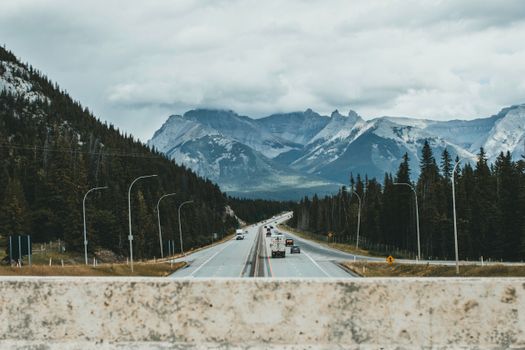 Photo: Jonathan Cooper / Pexels