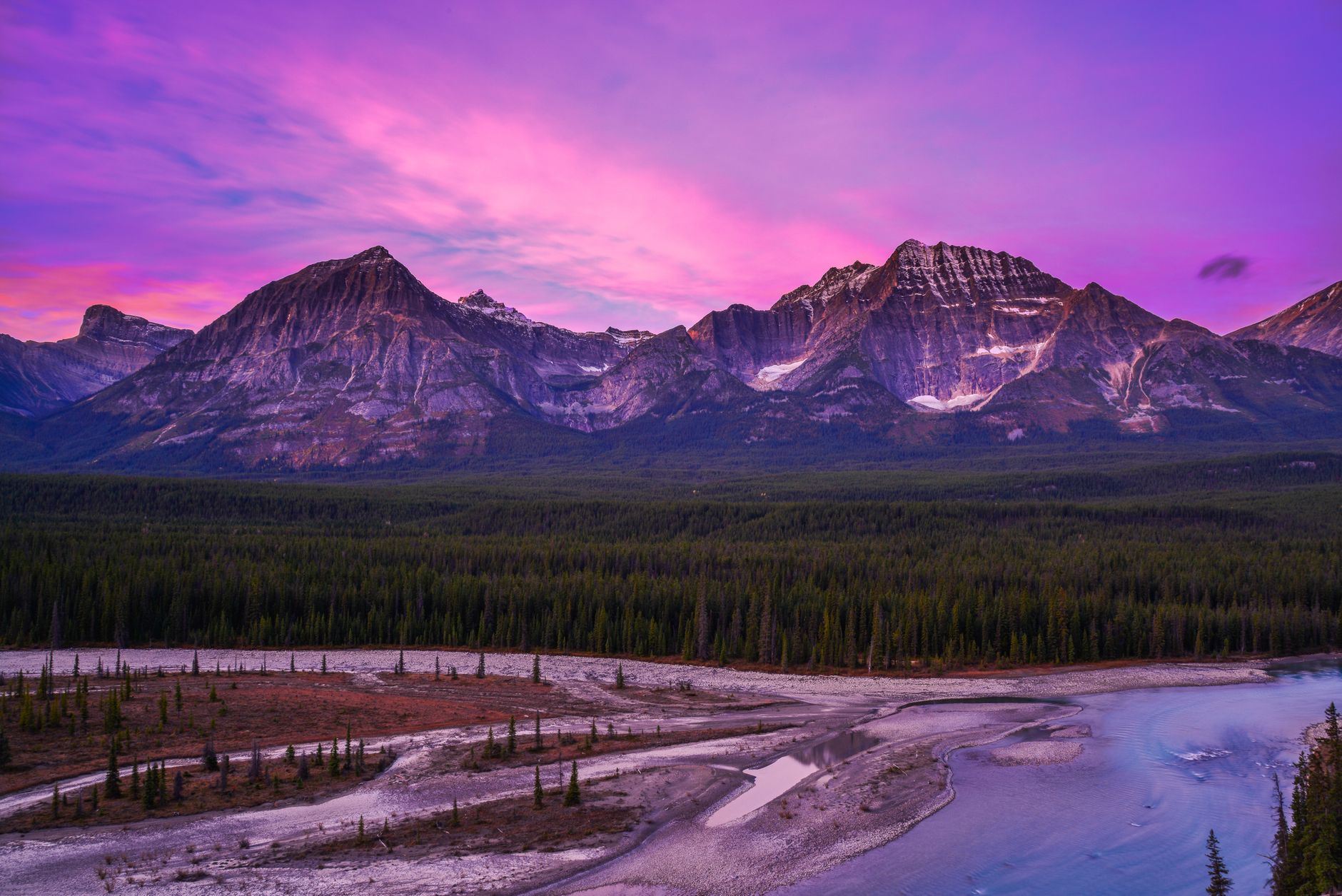
Discover the Best Places to Visit in Canada
best places to visit in canada

Discover the Best Places to Visit in Canada

Uncover Canada's diverse beauty, from majestic mountains to charming coastal towns, for an unforgettable journey.

Start Your Canadian Adventure

Key Takeaways

  • ✓ Canada is the second-largest country by total area, offering immense diversity.
  • ✓ Known for its stunning natural beauty, including mountains, lakes, and coastlines.
  • ✓ Multicultural cities provide rich culinary and cultural experiences.
  • ✓ Wildlife viewing opportunities are abundant across the country.

How It Works

1
Define Your Travel Style

Are you seeking adventure, relaxation, cultural immersion, or a mix? Knowing your preferences helps narrow down the vast options available in Canada.

2
Research Top Destinations

Dive into our detailed guide exploring popular and hidden gems. Consider factors like seasonality, activities, and accessibility for each location.

3
Plan Your Itinerary

Once you've chosen your desired regions, map out your journey. Factor in travel time between locations and allocate sufficient days for each experience.

4
Book Your Trip

Secure flights, accommodations, and any necessary tours or park passes in advance, especially during peak seasons, to ensure a smooth and enjoyable trip.

Exploring the Majestic Western Provinces: Mountains and Coasts
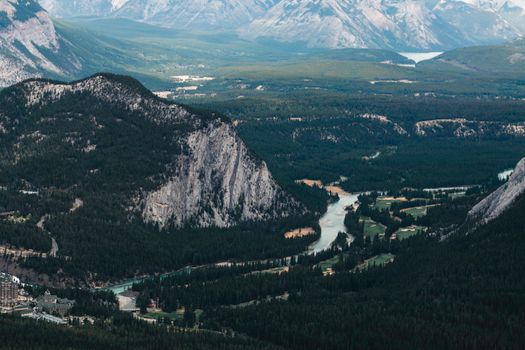
A breathtaking aerial view of the valley in Banff National Park, showcasing the river and lush forests. Photo: Ali Kazal / Pexels
Western Canada, encompassing British Columbia and Alberta, is a magnet for travelers drawn to its dramatic landscapes and vibrant cities. The Canadian Rockies, a UNESCO World Heritage site, are arguably the region's crown jewel. Banff National Park, with its iconic Lake Louise and Moraine Lake, offers unparalleled hiking, skiing, and wildlife viewing opportunities. The turquoise waters against the backdrop of snow-capped peaks create postcard-perfect scenery at every turn. Nearby, Jasper National Park, the largest in the Canadian Rockies, provides a more rugged, wilderness experience, with attractions like the Maligne Canyon and the Athabasca Glacier. Both parks are excellent for spotting elk, bighorn sheep, and even bears, making them essential destinations for nature lovers. Moving west to British Columbia, Vancouver stands out as a bustling metropolitan hub nestled between mountains and the Pacific Ocean. Stanley Park, one of North America's largest urban parks, offers lush forests, seawall paths, and stunning city views. The city's diverse culinary scene, vibrant arts and culture, and proximity to outdoor adventures make it a compelling stop. From Vancouver, a short ferry ride takes you to Vancouver Island, home to Victoria, the charming provincial capital known for its British colonial architecture and beautiful Butchart Gardens. Tofino, on the island's west coast, is a mecca for surfers and nature enthusiasts, offering wild Pacific beaches, ancient rainforests, and incredible whale watching. Beyond the well-trodden paths, the Okanagan Valley in BC offers a completely different experience. Known for its hot, dry climate, this region is Canada's premier wine country, boasting numerous vineyards, orchards, and beautiful lake resorts. Kelowna, the largest city in the valley, serves as a great base for exploring the wineries, enjoying water sports on Okanagan Lake, and cycling scenic trails. The blend of world-class outdoor activities and sophisticated urban amenities makes Western Canada an incredibly diverse and rewarding travel destination, promising adventure and relaxation in equal measure. Whether you seek thrilling mountain expeditions or tranquil coastal escapes, this region delivers unforgettable experiences.

The Heart of Canada: Central Provinces' Culture and Urban Grandeur

View of a pedestrian footbridge against Montreal skyline during winter. Photo: Nicolas Garzón / Pexels
Central Canada, primarily Ontario and Quebec, offers a rich tapestry of history, culture, and urban sophistication, providing a stark yet complementary contrast to the wild beauty of the west. Toronto, Ontario's capital and Canada's largest city, is a dynamic, multicultural metropolis. The iconic CN Tower offers breathtaking panoramic views, while the bustling Kensington Market and diverse neighborhoods like Chinatown and Little Italy showcase the city's global appeal. Toronto's vibrant arts scene, world-class museums like the Royal Ontario Museum, and thriving food culture make it a must-visit for urban explorers. Just a short drive away, the awe-inspiring Niagara Falls, one of the world's most famous natural wonders, captivates millions of visitors annually. The Maid of the Mist boat tour provides an up-close and powerful experience of the falls, while the charming town of Niagara-on-the-Lake offers a picturesque escape with its wineries and historic architecture. Across the border in Quebec, Montreal is a city steeped in European charm, with a distinct French character. Old Montreal, with its cobblestone streets, Notre-Dame Basilica, and horse-drawn carriages, transports visitors back in time. The Plateau Mont-Royal neighborhood is known for its vibrant street art, independent boutiques, and lively cafes. Montreal's culinary scene is legendary, from classic poutine to sophisticated fine dining. The city hosts numerous festivals throughout the year, including the renowned Montreal International Jazz Festival, adding to its dynamic atmosphere. Further northeast, Quebec City stands as North America's only walled city north of Mexico, a UNESCO World Heritage site that exudes old-world charm. Stroll along the fortified walls, explore the historic Petit Champlain district, and marvel at the majestic Château Frontenac, one of the most photographed hotels in the world. The city's European ambiance, rich history, and picturesque setting on the St. Lawrence River make it an enchanting destination. These central provinces offer an incredible array of experiences, from the modern pulse of Toronto to the historic beauty of Quebec City, ensuring a memorable journey through Canada's cultural heartland. The ease of travel between these major cities, often by comfortable train services, makes multi-city itineraries highly appealing.

Atlantic Charms and Northern Wilderness: East Coast and Territories
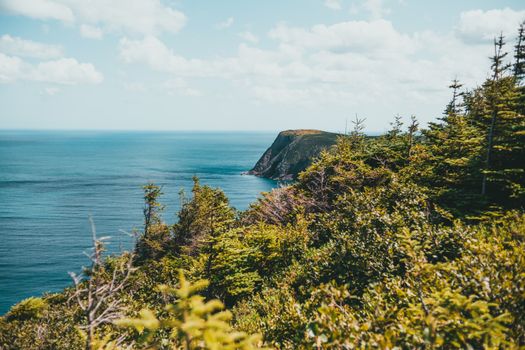
A breathtaking view of a cliff by the ocean surrounded by lush greenery under a bright blue sky. Photo: Erik Mclean / Pexels
The Atlantic provinces—New Brunswick, Nova Scotia, Prince Edward Island, and Newfoundland and Labrador—offer a unique blend of rugged coastal beauty, maritime history, and warm hospitality. Nova Scotia's Cabot Trail on Cape Breton Island is consistently ranked among the world's most scenic drives, winding along dramatic coastlines, through picturesque fishing villages, and alongside the stunning Cape Breton Highlands National Park. Halifax, the provincial capital, is a vibrant port city with a rich naval history, a lively waterfront, and delicious seafood. Peggy's Cove, a charming fishing village with its iconic lighthouse perched on granite rocks, is a quintessential Nova Scotian experience. Prince Edward Island, Canada's smallest province, is famous for its red sand beaches, rolling green hills, and the literary legacy of Anne of Green Gables. A leisurely drive around the island reveals charming small towns, delicious seafood shacks, and beautiful coastal vistas. New Brunswick offers the Bay of Fundy, home to the highest tides in the world, where you can witness the dramatic Hopewell Rocks, sculpted by centuries of tidal erosion. Whale watching in the Bay of Fundy is also a major draw, with several species of whales frequenting its nutrient-rich waters. Newfoundland and Labrador, Canada's easternmost province, offers a truly wild and untamed experience. Gros Morne National Park, another UNESCO World Heritage site, boasts fjords, mountains, and unique geological formations. St. John's, the capital, is North America's oldest city, with brightly colored houses lining its steep hills and a vibrant music scene. Iceberg Alley, off the coast of Newfoundland, provides spectacular opportunities to see massive icebergs drift by in spring and early summer, alongside prolific whale populations. For those seeking true wilderness and unique cultural experiences, Canada's vast northern territories—Yukon, Northwest Territories, and Nunavut—offer unparalleled adventures. Witness the spectacular Northern Lights, explore pristine national parks, experience Indigenous cultures, and encounter incredible wildlife like polar bears and caribou. These regions are for the adventurous traveler, offering a glimpse into Canada's remote and magnificent wilderness, often requiring specialized travel planning and guided tours.

Essential Tips for Planning Your Canadian Adventure

A stunning view of Toronto's skyline with the CN Tower on a sunny day. Photo: Alex Ohan / Pexels
Planning a trip to Canada, given its immense size and diversity, requires careful consideration to maximize your experience. Here are some essential tips to help you navigate and enjoy the best places to visit in Canada: * **Choose Your Season Wisely:** Canada experiences four distinct seasons, each offering unique activities and landscapes. Summer (June-August) is ideal for hiking, camping, and city exploration, but also the busiest. Fall (September-October) brings stunning foliage, especially in Eastern Canada. Winter (November-March) is perfect for skiing, snowboarding, and viewing the Northern Lights. Spring (April-May) offers milder weather and fewer crowds, though some mountain areas may still be snow-covered. * **Factor in Travel Distances:** Canada is vast. Do not underestimate the time it takes to travel between major cities or national parks. For example, driving from Vancouver to Calgary takes about 10 hours. Consider domestic flights for long distances or focus on one or two regions per trip. * **Book Accommodations and Activities in Advance:** Especially during peak season (summer) and in popular national parks like Banff and Jasper, accommodations, car rentals, and popular tours can book out months in advance. Secure your bookings early to avoid disappointment. * **Understand Park Pass Requirements:** If you plan to visit national parks, a Parks Canada Discovery Pass is often the most economical option. It provides unlimited admission to all national parks for a year. Check the specific park's website for entry fees and any reservation requirements. * **Pack Appropriately:** Weather can be unpredictable, even in summer. Layering is key. If visiting the mountains, be prepared for sudden temperature drops and rain. Good walking shoes are a must, and for winter, warm, waterproof clothing is essential. * **Consider Travel Insurance:** Given the potential for unexpected events like flight delays, medical emergencies, or lost luggage, travel insurance is a wise investment for peace of mind. * **Stay Connected:** While many areas have good cell service, remote regions may not. Consider downloading offline maps or renting a satellite phone for wilderness adventures. * **Respect Wildlife:** Canada is home to abundant wildlife. Maintain a safe distance, never feed animals, and store food properly, especially in national parks, to avoid attracting bears and other creatures. * **Embrace Local Culture:** Engage with locals, try regional delicacies, and explore Indigenous cultural experiences. This will enrich your journey and provide deeper insights into Canada's diverse heritage. By keeping these tips in mind, you can plan a seamless and unforgettable adventure across Canada's incredible landscapes and vibrant cities.

Comparison

FeatureCanadian Rockies (BC/AB)Central Cities (ON/QC)Atlantic Coast (Maritimes)Northern Territories
Primary AttractionMountains, Lakes, HikingCulture, History, UrbanCoastal Scenery, SeafoodAurora, Wilderness, Wildlife
Best Time to VisitSummer/WinterSpring/Fall/SummerSummer/Early FallWinter (Aurora), Summer (Hiking)
Cost Level (1-5)4335
Adventure Level (1-5)5235
Family Friendly
Public TransportLimitedExcellentLimitedVery Limited
Unique ExperienceGlacier walksOld European charmHighest tidesPolar bear safaris

What Readers Say

"Our trip to Banff and Jasper was beyond incredible! The sheer beauty of the lakes and mountains among the best places to visit in Canada left us speechless. This guide helped us pick the perfect hiking trails and viewpoints."

Sarah L. · Seattle, WA

"Montreal and Quebec City offered such a charming European feel without the long flight. The historical insights from this article made our exploration of these best places to visit in Canada so much richer."

Mark D. · London, UK

"The Cabot Trail in Nova Scotia was a dream! Following the advice from this guide, we timed our visit perfectly for fall colors and enjoyed the most delicious seafood. Truly one of the best places to visit in Canada for scenic drives."

Emily R. · Boston, MA

"Vancouver was fantastic, though a bit pricier than expected. The guide's tips on exploring Stanley Park and the diverse neighborhoods were invaluable for making the most of our time in one of the best places to visit in Canada."

David P. · Sydney, AU

"We ventured into the Yukon for the Northern Lights, and it was an absolutely magical experience. This article was key in helping us prepare for the unique conditions of visiting one of Canada's most remote and best places to visit."

Jessica M. · Denver, CO

Frequently Asked Questions

What is the absolute best time of year to visit Canada for sightseeing?

The absolute best time largely depends on your interests. For general sightseeing, hiking, and enjoying cities, summer (June to August) is ideal due to warm weather and long daylight hours. However, for fall foliage, September to October is stunning, especially in Eastern Canada. Winter offers unique experiences like skiing and Northern Lights viewing.

Is Canada safe for solo travelers?

Yes, Canada is widely considered one of the safest countries in the world for solo travelers. Major cities and tourist areas are very welcoming. As with any travel, exercising general caution, being aware of your surroundings, and informing someone of your itinerary are always recommended.

How do I get around Canada, given its large size?

For long distances, domestic flights are often the most practical. VIA Rail offers scenic train journeys between major cities. For exploring specific regions (e.g., the Rockies or the Maritimes), renting a car provides the most flexibility. Public transportation is excellent within major cities like Toronto, Montreal, and Vancouver.

What is the average cost of a trip to Canada?

The cost varies significantly based on your travel style, duration, and chosen destinations. Budget travelers might spend CAD 70-100 per day, while mid-range travelers could expect CAD 150-300 per day, including accommodation, food, and activities. Luxury trips can easily exceed CAD 500+ per day. National park passes, flights, and specific tours are additional expenses.

How does Canada compare to the USA for nature travel?

Both offer incredible natural beauty. Canada is often lauded for its vast, pristine wilderness, particularly in its national parks and northern territories, which can feel more remote and less crowded than some US counterparts. The Canadian Rockies are often compared favorably to the US Rockies for their dramatic, accessible beauty, while the Atlantic provinces offer a distinct coastal charm.

Who should consider visiting Canada?

Canada is perfect for nature enthusiasts, adventure seekers (hiking, skiing, kayaking), culture lovers interested in diverse urban experiences and Indigenous heritage, and anyone looking for a safe, welcoming, and spectacularly beautiful destination. Families, couples, and solo travelers will all find something to love.

Are there any health or safety concerns I should be aware of when visiting Canada?

Canada has excellent healthcare, but it's essential to have travel insurance as medical costs can be high for non-residents. Wildlife encounters, especially in national parks, require caution; always follow park guidelines regarding food storage and animal encounters. Road conditions can be challenging in winter, so drive carefully if traveling during colder months.

What are the emerging travel trends for Canada in the coming years?

Sustainable and eco-tourism are growing trends, with increased interest in Indigenous tourism experiences and off-the-beaten-path destinations like the northern territories. 'Slow travel' and multi-generational trips are also gaining popularity, allowing visitors to deeply immerse themselves in specific regions and cultures rather than rushing through many locations.

Ready to explore the vast and varied landscapes of Canada? Our comprehensive guide to the best places to visit in Canada equips you with all the insights needed to plan your ideal adventure. Start dreaming, planning, and preparing for an unforgettable journey across this incredible country today.

Topics: best places to visit in canadacanada travel guidecanadian destinationsexplore canadacanada vacation
Leo List

DK Escorts LU Escorts AT Escorts SE Escorts FI Escorts CH Escorts DE Escorts HR Escorts IE Escorts GR Escorts CZ Escorts NO Escorts BE Escorts FR Escorts SI Escorts IL Escorts NL Escorts PL Escorts HU Escorts ES Escorts IT Escorts PT Escorts SK Escorts RO Escorts ZA Escorts UY Escorts US Escorts UK Escorts NZ Escorts AU Escorts
Brampton weed
Adultwork EstrelaBet Vai de Bet R7 Bet Betão Galera Bet Rainbet Bet9ja Shop SportyBet BetKing Sisal Loto Foot Hollywoodbets YesPlay Odibets RushBet Jugabet BetWarrior BetCity MSport betPawa Fortebet