Discover the Best National Parks in Eastern Canada
best national parks in Eastern Canada

Discover the Best National Parks in Eastern Canada

Unearth breathtaking landscapes, diverse wildlife, and unparalleled outdoor experiences across Eastern Canada's protected gems.

Start Your Adventure

Key Takeaways

  • ✓ Eastern Canada boasts over 20 national parks and national park reserves.
  • ✓ These parks protect a vast array of ecosystems, from boreal forests to marine environments.
  • ✓ Activities range from hiking and kayaking to wildlife viewing and cultural experiences.
  • ✓ Many parks offer unique accommodations like oTENTiks and backcountry campsites.

How It Works

1
Plan Your Route

Research parks based on your interests (e.g., hiking, coastal scenery, wildlife). Consider travel time between destinations and available accommodations.

2
Book Accommodations & Permits

Popular parks, especially during peak season, require advance bookings for campsites, oTENTiks, and sometimes even day-use passes. Check Parks Canada's website for specific requirements.

3
Pack Smart

Prepare for varying weather conditions, even in summer. Bring appropriate gear for your chosen activities, including sturdy footwear, layers, and bear/insect deterrents if necessary.

4
Embrace the Experience

Arrive with an open mind, respect park rules, and practice 'Leave No Trace' principles. Disconnect from technology and immerse yourself in the natural beauty and tranquility.

Coastal Wonders: Exploring Atlantic Canada's National Parks
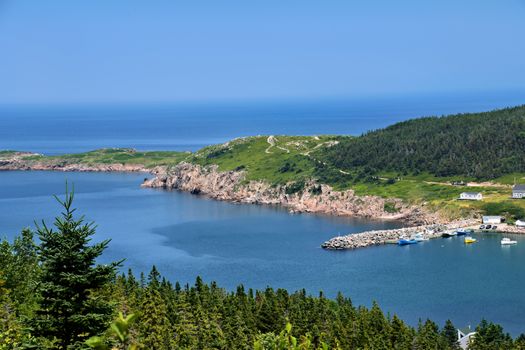
A stunning view of a bay in Nova Scotia, featuring lush greenery and serene waters. Photo: Jeffrey Eisen / Pexels
Eastern Canada's Atlantic provinces are a treasure trove of rugged coastlines, ancient geological formations, and vibrant marine life, all protected within stunning national parks. When considering the best national parks in Eastern Canada, the coastal gems of Nova Scotia, New Brunswick, Prince Edward Island, and Newfoundland and Labrador immediately come to mind. These parks offer a unique blend of land and sea adventures, from dramatic cliff-side trails to serene beach walks and opportunities for whale watching. Each park has its distinct character, shaped by the powerful forces of the Atlantic Ocean and centuries of human history. For instance, in Nova Scotia, Cape Breton Highlands National Park stands as a crown jewel, famous for its world-renowned Cabot Trail. This park isn't just about scenic drives; it encompasses vast Acadian forests, deep river canyons, and exposed headlands that plunge into the Gulf of St. Lawrence and the Atlantic Ocean. Hikers can tackle challenging trails like the Skyline Trail, offering panoramic ocean views, or explore more leisurely paths that lead to hidden waterfalls. The park is also a haven for wildlife, including moose, bald eagles, and black bears. Further south in Nova Scotia, Kejimkujik National Park and National Historic Site offers a different coastal experience with its unique combination of inland lakes and rivers, and a stunning coastal adjunct. The inland portion is a paddler's paradise, while the coastal section, Kejimkujik Seaside, boasts white sand beaches, rocky headlands, and a rich diversity of birds, including endangered piping plovers. Understanding the best time to visit these coastal parks can significantly enhance your experience, often aligning with warmer weather and prime wildlife viewing opportunities. Moving to New Brunswick, Fundy National Park showcases the highest tides in the world, a truly awe-inspiring phenomenon. Visitors can walk on the ocean floor at low tide, exploring sea caves and collecting unique shells, then watch as the bay fills with water hours later. The park also features lush forests, over 25 waterfalls, and a network of hiking and cycling trails. Its diverse ecosystems support a wide variety of flora and fauna, making it a fantastic destination for nature enthusiasts. Prince Edward Island National Park, stretching along the island's north shore, is famous for its iconic red sandstone cliffs, extensive dune systems, and picturesque beaches. It's a perfect spot for leisurely strolls, cycling on paved trails, and enjoying the warm waters of the Gulf of St. Lawrence. The park also protects important ecological areas, including nesting sites for migratory birds. Finally, in Newfoundland and Labrador, Gros Morne National Park, a UNESCO World Heritage Site, is a geological marvel. Its dramatic fjords, towering cliffs, and ancient mountains tell a story of continental drift and glacial carving. This park offers world-class hiking, boat tours through Western Brook Pond fjord, and opportunities to explore the Earth's mantle at the Tablelands. The sheer scale and raw beauty of Gros Morne make it an absolute must-visit for anyone exploring the best national parks in Eastern Canada. These coastal parks are not just about scenic beauty; they are vital conservation areas, protecting fragile ecosystems and offering visitors a chance to connect deeply with the natural world.

Inland Treasures: Forests, Lakes, and Mountains of Quebec and Ontario
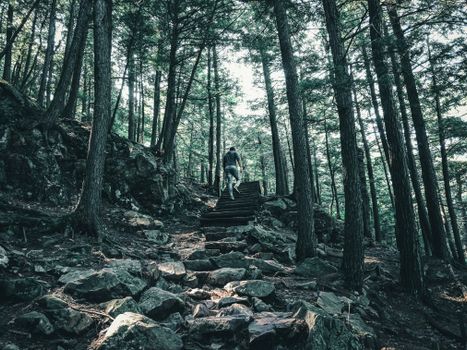
A lone hiker climbing a rocky trail in a lush forest setting, capturing the essence of adventure. Photo: Ali Kazal / Pexels
While Eastern Canada is renowned for its captivating coastlines, its interior regions of Quebec and Ontario also boast an impressive array of national parks that protect vast forests, pristine lakes, and rolling mountains. These inland treasures offer a different kind of wilderness experience, characterized by lush woodlands, crystal-clear waters, and a rich biodiversity that thrives away from the ocean's edge. When compiling a list of the best national parks in Eastern Canada, it's impossible to overlook the significant contributions of these provincial powerhouses. In Quebec, Forillon National Park, located at the eastern tip of the Gaspé Peninsula, masterfully blends coastal beauty with dense boreal forest and dramatic cliffs. While it has a strong coastal presence, its extensive forest trails and rich terrestrial wildlife qualify it as a significant inland park experience. Visitors can hike through ancient forests to discover hidden coves, spot black bears and moose, and even observe marine mammals from the land. The park also features historic sites, offering a glimpse into the region's cultural heritage. Another gem in Quebec is La Mauricie National Park. Tucked away in the Laurentian Mountains, this park is a paradise for paddlers, hikers, and wildlife watchers. It's characterized by its rolling hills, numerous lakes, and dense mixed forests, making it an ideal destination for those seeking tranquility and immersion in nature. Canoeing and kayaking are popular activities, with designated routes that allow multi-day trips through interconnected waterways. The park also offers extensive hiking trails, from short interpretive loops to challenging backcountry treks. In winter, La Mauricie transforms into a snowy wonderland, perfect for cross-country skiing and snowshoeing. The emphasis here is on the serene beauty of the Canadian Shield, offering a stark contrast to the rugged coastlines. Moving into Ontario, Pukaskwa National Park, located on the shores of Lake Superior, is one of Canada's most remote and rugged national parks. While bordering the largest freshwater lake in the world, its vast interior is dominated by boreal forest, granite outcroppings, and wild rivers. It offers an unparalleled wilderness experience, particularly for experienced paddlers embarking on multi-day sea kayak or canoe trips along the coastline or into the interior. Hikers can challenge themselves on portions of the world-renowned Coastal Hiking Trail, offering breathtaking views of Lake Superior and its dramatic shoreline. The park is a haven for wildlife, including wolves, moose, and black bears, and its isolation ensures a truly immersive natural escape. Further south in Ontario, Bruce Peninsula National Park is another spectacular inland park that also touches the waters of Georgian Bay. It’s famous for its stunning turquoise waters, dramatic limestone cliffs, ancient cedar forests, and the iconic Grotto sea cave. The park is part of the Niagara Escarpment, a UNESCO World Biosphere Reserve, and boasts an incredible diversity of plant and animal life. Hiking along the Bruce Trail, exploring the shoreline, or simply enjoying the breathtaking views from the cliffs are popular activities. The park’s unique geological features and rich ecosystems make it a standout among the best national parks in Eastern Canada, offering a blend of accessible beauty and challenging wilderness experiences. These inland parks provide a vital counterpoint to the coastal parks, showcasing the incredible ecological diversity that defines Eastern Canada. They are perfect for those who seek the solitude of the forest, the challenge of mountain trails, or the peaceful rhythm of paddling on a pristine lake.

Planning Your Eastern Canada National Park Adventure
A hiker standing under a massive sandstone arch in Moab's Arches National Park. Photo: Deb Hayes / Pexels
Embarking on a journey through the best national parks in Eastern Canada requires thoughtful planning to ensure a memorable and seamless experience. Given the vast geographical spread and diverse offerings of these parks, a well-structured itinerary can make all the difference. One of the first steps is to define your priorities: are you seeking challenging hikes, serene paddles, wildlife viewing, historical exploration, or a combination of these? This will help you narrow down the parks that best align with your interests. For instance, if dramatic geological formations and challenging multi-day treks are your focus, Gros Morne National Park in Newfoundland or Pukaskwa in Ontario would be excellent choices. If you prefer coastal beauty with easier access and diverse activities, Cape Breton Highlands or Fundy National Park might be more suitable. It's crucial to research each park's specific regulations and entry requirements well in advance. Parks Canada, the governing body, provides comprehensive information on its website for every national park. This includes details on park passes (annual passes like the Discovery Pass can be cost-effective if visiting multiple parks), operating seasons, trail conditions, and any necessary permits for backcountry camping or specific activities. Booking accommodations, especially during peak summer months (July and August), is paramount. Campsites, oTENTiks (a hybrid of a tent and a cabin), and even nearby hotels or B&Bs can fill up quickly. Many parks open their reservation systems months in advance, so mark your calendar and book early to avoid disappointment. For those seeking a deeper connection with nature, consider trying backcountry camping, which often requires a permit and proper wilderness skills. However, for a more comfortable stay, many parks offer front-country campgrounds with amenities or unique glamping options. Packing smart for Canadian wilderness travel is also essential. Eastern Canada's weather can be unpredictable, even in summer. Layers are key, as temperatures can fluctuate significantly from day to night. Include waterproof and windproof outerwear, sturdy hiking boots, insect repellent (especially in forested areas), sunscreen, and a first-aid kit. Bear spray is also recommended in some parks, and it's vital to know how to use it safely and responsibly. Food and water planning is another critical aspect. While some parks have visitor centers with limited supplies, it's generally best to stock up on groceries and water before entering the park. Always carry enough water for your activities and consider a water filter or purification tablets for backcountry trips. Respecting wildlife and practicing 'Leave No Trace' principles are non-negotiable. Maintain a safe distance from animals, never feed them, and store food securely to prevent attracting wildlife. Pack out everything you pack in, and stay on marked trails to protect fragile ecosystems. By taking the time to plan meticulously, you can ensure your adventure through the best national parks in Eastern Canada is not only enjoyable but also safe and environmentally responsible, leaving you with lasting memories of Canada's stunning natural heritage.

Essential Tips for Maximizing Your National Park Experience

Woman in gear exploring rugged mountains with scenic views and vibrant colors. Photo: Rachel Claire / Pexels
To truly get the most out of your visit to the best national parks in Eastern Canada, a few essential tips can significantly enhance your adventure. These insights, gathered from seasoned travelers and park experts, focus on safety, sustainability, and making every moment count. **Top Tips:** * **Embrace Early Mornings:** Many popular trails and viewpoints are significantly less crowded at dawn. This also offers the best opportunities for wildlife viewing, as animals are often most active during cooler parts of the day. The soft morning light also provides exceptional photo opportunities. * **Download Offline Maps:** Cell service can be spotty or non-existent in many national parks. Download maps of the park, trails, and surrounding areas to your phone before you go. A physical map and compass are also excellent backups. * **Check Conditions Daily:** Weather, trail conditions, and wildlife advisories can change rapidly. Always check the park's official website or inquire at the visitor center for the latest updates before heading out on any excursion. * **Leave No Trace Principles:** This is paramount. Pack out everything you pack in, stay on marked trails, dispose of waste properly, minimize campfire impacts, respect wildlife, and be considerate of other visitors. These principles ensure the parks remain pristine for everyone. * **Talk to Park Staff:** The park rangers and information staff are invaluable resources. They can offer personalized recommendations based on current conditions, your interests, and your fitness level. They often know about hidden gems or less-trafficked areas. * **Consider a Discovery Pass:** If you plan to visit multiple Parks Canada sites (national parks, national marine conservation areas, or national historic sites), a Parks Canada Discovery Pass can save you money. It provides unlimited admission for a full year. * **Pack for All Seasons:** Even in summer, mountain and coastal weather can change drastically. Bring layers, including warm clothing, rain gear, and sun protection. Sturdy, waterproof hiking boots are a must. * **Wildlife Safety:** Be aware of local wildlife, especially bears and moose. Carry bear spray in designated areas and know how to use it. Make noise on trails to avoid surprising animals, and never approach or feed wildlife. * **Hydration is Key:** Always carry more water than you think you'll need, especially on hikes. Dehydration can quickly turn a pleasant outing into a dangerous situation. * **Capture Memories Responsibly:** Take photos, but avoid drones in restricted areas, and ensure your photography doesn't disturb wildlife or other visitors. Be present in the moment rather than constantly viewing through a screen. **Common Mistakes to Avoid:** * **Underestimating Distances/Difficulty:** Trails can be more challenging than they appear on a map. Always read descriptions carefully and assess your fitness level accurately. * **Ignoring Park Regulations:** Rules are in place for your safety and the protection of the park's ecosystems. Adhere to all signage and ranger instructions. * **Not Booking Ahead:** Especially for accommodations and popular activities during peak season, failing to book in advance can lead to disappointment. * **Relying Solely on GPS:** While helpful, GPS devices can sometimes lead you astray in wilderness areas. Always cross-reference with maps and trail markers. * **Forgetting Bug Spray:** Mosquitos and black flies can be relentless in Eastern Canada's wilderness, particularly in certain seasons. Don't let them ruin your experience! By following these tips and avoiding common pitfalls, your journey through the best national parks in Eastern Canada will be enriched, safe, and truly unforgettable.

Comparison

FeatureGros Morne NPCape Breton Highlands NPFundy NP
Key AttractionFjords & TablelandsCabot Trail & Coastal ViewsHighest Tides
Primary ActivitiesHiking, Boat Tours, GeologyScenic Drives, Hiking, WildlifeTidal Walks, Hiking, Kayaking
Best forGeology enthusiasts, serious hikersScenic drivers, coastal explorersUnique tidal phenomena, families
AccessibilityModerate (remote, requires travel)Good (accessible via Cabot Trail)Good (near major cities)
Camping Options

What Readers Say

"Gros Morne National Park absolutely blew me away. The Western Brook Pond boat tour felt like stepping into a postcard, and hiking the Tablelands was a truly unique experience, unlike anything I've seen. Definitely one of the best national parks in Eastern Canada."

Sarah L. · Toronto, ON

"Cape Breton Highlands National Park delivered on every promise. Driving the Cabot Trail with those stunning ocean vistas was incredible, and the Skyline Trail hike offered views I'll never forget. Highly recommend for anyone visiting Eastern Canada."

Mark D. · Boston, MA

"Fundy National Park was a highlight of our trip. Walking on the ocean floor at Hopewell Rocks and then seeing the tide come in was magical. The trails were well-maintained, and we saw so much wildlife. A must-visit for nature lovers."

Emily R. · Montreal, QC

"Pukaskwa National Park offered an authentic wilderness experience, though it's quite remote. The silence and raw beauty were incredible, but be prepared for limited amenities and a true backcountry feel. Not for the faint of heart, but incredibly rewarding."

David P. · Calgary, AB

"We spent a week exploring Prince Edward Island National Park and loved every minute. The red sand beaches were so unique, and the cycling trails were perfect for our family. It was a relaxing and beautiful escape among the best national parks in Eastern Canada."

Jessica M. · New York, NY

Frequently Asked Questions

Which are the most popular national parks in Eastern Canada?

Some of the most popular national parks in Eastern Canada include Gros Morne National Park (Newfoundland), Cape Breton Highlands National Park (Nova Scotia), Fundy National Park (New Brunswick), and Bruce Peninsula National Park (Ontario). These parks are renowned for their stunning landscapes, diverse activities, and excellent visitor facilities, attracting thousands of visitors annually.

Is it safe to visit these national parks, especially regarding wildlife?

Yes, visiting national parks in Eastern Canada is generally very safe, but it requires awareness and preparation. Parks Canada provides extensive information on wildlife safety, including tips for encountering bears, moose, and other animals. Always carry bear spray in areas where it's recommended, make noise on trails, and store food properly to prevent attracting wildlife. Following park guidelines ensures a safe and enjoyable experience.

How do I book camping or accommodations in Eastern Canada's national parks?

Most camping and unique accommodations like oTENTiks within Parks Canada sites can be booked through the Parks Canada Reservation Service online. Reservations typically open several months in advance of the peak season, and popular sites fill up quickly, so it's advisable to book as early as possible. Check individual park websites for specific booking windows and options.

What is the best time of year to visit the national parks in Eastern Canada?

The best time to visit the national parks in Eastern Canada largely depends on your desired activities. Late spring (May-June) offers lush greenery and fewer crowds, though some services might be limited. Summer (July-August) is peak season with the warmest weather and all facilities open, but also the largest crowds. Fall (September-October) brings spectacular fall foliage, especially in parks like Cape Breton Highlands and La Mauricie, with fewer bugs and cooler temperatures, making it ideal for hiking.

Are there any national parks in Eastern Canada suitable for families with young children?

Absolutely! Many national parks in Eastern Canada are very family-friendly. Prince Edward Island National Park offers accessible beaches and paved cycling trails. Fundy National Park has tidal exploration and easy hiking. Kejimkujik National Park (both inland and seaside) provides gentle paddling routes and interpretive programs. These parks often have shorter, well-maintained trails and family-focused activities.

What kind of gear should I pack for a national park trip in Eastern Canada?

Essential gear includes sturdy hiking boots, layered clothing (including waterproof and windproof outerwear), insect repellent, sunscreen, a first-aid kit, a water bottle or hydration system, and maps (physical and downloaded offline). Depending on your activities, you might also need bear spray, binoculars, a headlamp, and appropriate camping equipment. Always check the specific requirements for the park you are visiting.

What are 'Leave No Trace' principles and why are they important for national parks?

'Leave No Trace' is a set of outdoor ethics that promotes conservation in the outdoors. It involves planning ahead and preparing, traveling and camping on durable surfaces, disposing of waste properly, leaving what you find, minimizing campfire impacts, respecting wildlife, and being considerate of other visitors. These principles are vital to protect the natural beauty and ecological integrity of national parks for current and future generations.

Are there any national parks in Eastern Canada that are UNESCO World Heritage Sites?

Yes, Gros Morne National Park in Newfoundland and Labrador is a UNESCO World Heritage Site. It was designated for its outstanding universal value, particularly its dramatic landscape that showcases the process of continental drift and the Earth's mantle exposed at the surface. Its unique geology and stunning fjords make it a globally significant natural wonder.

Ready to immerse yourself in the unparalleled natural beauty of Canada? Start planning your adventure to the best national parks in Eastern Canada today and create memories that will last a lifetime. Explore vast landscapes, witness incredible wildlife, and discover the true spirit of the East.

Topics: best national parks in Eastern CanadaEastern Canada travelCanadian national parksAtlantic Canada parksQuebec national parks
Leo List
Brampton weed
Adultwork