
Discover the Best National Parks in Canada to Visit
Embark on an unforgettable journey through Canada's most stunning natural landscapes, offering adventure for every explorer.
Start Your AdventureKey Takeaways
- ✓ Canada boasts 38 national parks and 10 national park reserves.
- ✓ These parks protect over 340,000 square kilometers of diverse ecosystems.
- ✓ Banff National Park was Canada's first national park, established in 1885.
- ✓ Parks Canada offers a Discovery Pass for unlimited entry to all national parks.
How It Works
Consider whether you prefer rugged backcountry exploration, family-friendly activities, or serene nature walks. Canada's parks cater to all types of outdoor enthusiasts.
Research specific parks based on their unique landscapes, wildlife, and available activities like hiking, kayaking, or wildlife viewing. Our guide highlights the best of the best.
Book accommodations (campgrounds, lodges, or nearby towns) and transportation well in advance, especially for popular parks during peak season. Check park-specific regulations and entry requirements.
Pack appropriate gear for the weather and activities, and familiarize yourself with 'Leave No Trace' principles. Enjoy the stunning beauty while respecting the natural environment.
Majestic Mountain Escapes: Banff and Jasper National Parks
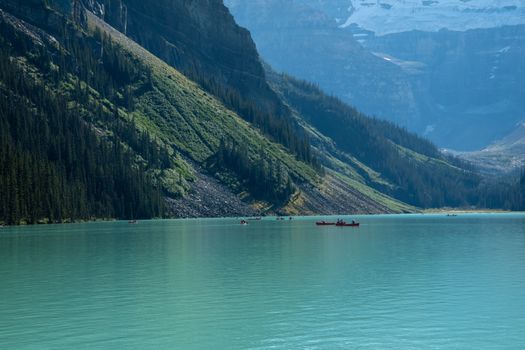 Photo: Andrew Patrick Photo / Pexels
Coastal Wonders and Ancient Forests: Pacific Rim and Gros Morne
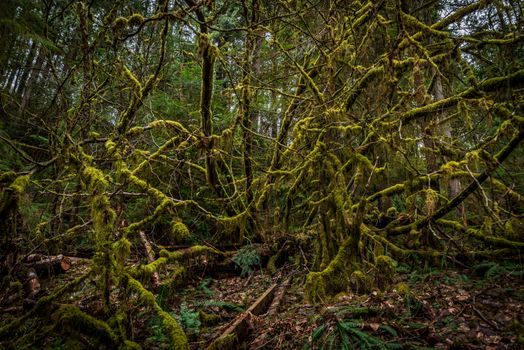 Photo: Інна Бутко / Pexels
Northern Wilderness and Prairies' Grandeur: Grasslands and Nahanni
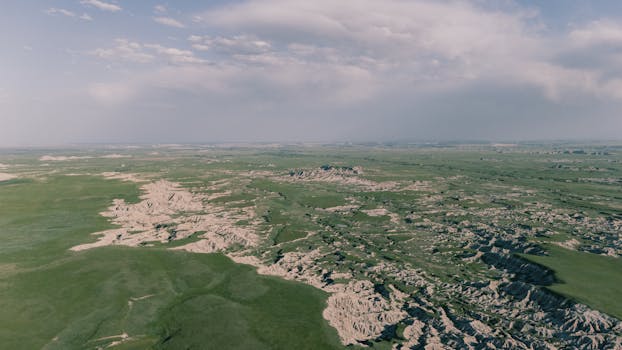 Photo: Sam McCool / Pexels
Planning Your Parks Canada Adventure: Tips for a Rewarding Visit
 Photo: Erik Mclean / Pexels
Comparison
| Feature | Banff National Park | Gros Morne National Park | Pacific Rim National Park Reserve |
|---|---|---|---|
| Landscape Focus | Glacial Mountains, Lakes | Geological Fjords, Tablelands | Temperate Rainforest, Rugged Coast |
| Primary Activities | Hiking, Skiing, Kayaking | Boating, Hiking, Geology Tours | Surfing, Hiking, Kayaking, Whale Watching |
| Accessibility | Very Accessible, Major Town | Moderately Accessible, Small Towns | Moderately Accessible, Coastal Towns |
| Crowd Levels (Peak) | High | Moderate | Moderate-High |
| UNESCO Status | ✓ | ✓ | ✗ |
| Wildlife Spotting | Elk, Bighorn Sheep, Bears | Moose, Caribou, Black Bears | Whales, Bears, Marine Birds |
| Best for | Iconic Scenery, Resort Feel | Unique Geology, Fjord Tours | Coastal Wilderness, Surfing |
What Readers Say
"Banff National Park exceeded all my expectations – the lakes were even more vibrant than the pictures! It's definitely one of the best national parks in Canada to visit for stunning mountain views and endless hiking trails."
Sarah J. · Toronto, ON"Gros Morne was a revelation. The boat tour through Western Brook Pond was breathtaking, and the Tablelands felt like another planet. A truly unique experience among the best national parks in Canada to visit."
David M. · Seattle, WA"We spent a week exploring Pacific Rim National Park and felt completely rejuvenated. The ancient rainforests and wild beaches provided the perfect escape, proving it's one of the best national parks in Canada to visit for coastal beauty."
Emily R. · Vancouver, BC"Jasper offered a slightly less crowded mountain experience than Banff, which I appreciated. The stargazing was incredible, though some of the trails were a bit more challenging than anticipated. Still, a fantastic park."
Mark T. · Calgary, AB"Our trip to Grasslands National Park was surprisingly impactful. The vastness and quiet were profound, and seeing the bison roam free was a highlight. It's a different kind of beauty, but absolutely one of the best national parks in Canada to visit if you seek tranquility."
Linda P. · Boston, MAFrequently Asked Questions
What is the best time of year to visit Canada's national parks?
The best time largely depends on the activities you plan. Summer (June-September) offers the warmest weather and full accessibility for hiking, camping, and water activities, but also the largest crowds. Spring and fall provide beautiful scenery (wildflowers, fall foliage) and fewer visitors. Winter is ideal for snow sports like skiing and snowshoeing, but many roads and facilities may be closed.
Are Canadian national parks safe for solo travelers?
Yes, Canadian national parks are generally very safe for solo travelers. However, it's crucial to practice common sense wilderness safety: inform someone of your itinerary, carry appropriate gear, be aware of wildlife (especially bears), and stick to marked trails. Cell service can be unreliable in remote areas, so consider a satellite communication device for backcountry trips.
How do I get a Parks Canada Discovery Pass?
You can purchase a Parks Canada Discovery Pass online through the Parks Canada website, by phone, or in person at any national park gate or visitor centre. The pass is valid for one year from the date of purchase and covers admission to all national parks, national historic sites, and national marine conservation areas operated by Parks Canada.
What is the average cost of a national park trip in Canada?
The cost can vary significantly based on your travel style. A Discovery Pass costs around CAD $75 for an individual or $140 for a family/group per year. Camping fees range from $20-$40 per night, while lodge accommodations can be $150-$500+ per night. Factor in transportation (flights, car rental, fuel), food, and activity rentals (kayaks, bikes, guided tours). Budget travelers can expect to spend $100-$150 per person per day, while luxury trips can easily exceed $500+ per person per day.
How do Canadian national parks compare to US national parks?
Both countries offer incredible natural beauty and conservation efforts. Canadian national parks are often characterized by vast, rugged wilderness, particularly in the North, with a strong focus on preserving diverse ecosystems. While US parks also have iconic landscapes and are generally more developed with extensive visitor services, Canadian parks can sometimes feel more remote and offer a more 'untamed' wilderness experience due to Canada's lower population density and larger land area. Both systems prioritize visitor experience and ecological integrity.
Who should visit the best national parks in Canada to visit?
Anyone with an appreciation for nature, adventure, and breathtaking scenery should visit Canada's national parks. They cater to a wide range of visitors, from seasoned hikers and backpackers seeking challenging wilderness expeditions to families looking for accessible nature walks, wildlife viewing, and educational experiences. Whether you love mountains, coastlines, forests, or prairies, there's a Canadian national park waiting to inspire you.
What are the biggest safety concerns in Canadian national parks?
The primary safety concerns include wildlife encounters (especially with bears, cougars, and moose), unpredictable weather changes, and getting lost or injured in remote areas. Always carry bear spray in bear country and know how to use it, stay on marked trails, carry a map and compass/GPS, and inform someone of your plans. Hypothermia is also a risk even in summer if unprepared for sudden temperature drops or rain.
What is the future outlook for conservation in Canada's national parks?
Parks Canada is committed to ongoing conservation efforts, focusing on ecological integrity, restoring threatened species habitats, and mitigating the impacts of climate change. There's a growing emphasis on reconciliation with Indigenous peoples, incorporating traditional knowledge into park management. Future trends involve sustainable tourism practices, managing visitor impact, and expanding protected areas to safeguard more of Canada's natural heritage for generations to come.
Canada's national parks offer a kaleidoscope of natural wonders, from the soaring peaks of the Rockies to the ancient forests of the Pacific coast and the vast silence of the prairies. By choosing to explore the best national parks in Canada to visit, you're not just planning a trip; you're embarking on an unforgettable journey into the heart of North American wilderness. Start planning your adventure today and discover the profound beauty and exhilarating experiences that await.