
Discover the Best National Parks in Canada: Your Ultimate Guide
Unlock Canada's breathtaking natural wonders and plan your dream wilderness adventure with our comprehensive guide.
Start Your AdventureKey Takeaways
- ✓ Canada boasts 38 national parks and 10 national park reserves, covering over 340,000 square kilometers.
- ✓ Banff National Park, established in 1885, is Canada's oldest national park.
- ✓ Gros Morne National Park in Newfoundland is a UNESCO World Heritage Site, renowned for its dramatic fjords and unique geology.
- ✓ Many national parks offer diverse activities, from hiking and kayaking to wildlife viewing and cultural experiences.
How It Works
Decide if you prefer rugged backcountry camping, comfortable front-country stays, or day trips. This helps narrow down park options that suit your comfort level and desired experience.
Dive into individual park websites (Parks Canada is a great resource) to understand regulations, permit requirements, seasonal closures, and available activities. Check for any booking necessities, especially for popular trails or campsites.
Book accommodations, transport, and any required permits well in advance, especially for peak seasons. Consider travel time between locations and pack appropriate gear for the Canadian climate and your chosen activities.
Familiarize yourself with 'Leave No Trace' principles and local wildlife safety guidelines. Respect the natural environment and contribute to its preservation for future generations to enjoy.
Exploring the Majestic Rocky Mountain National Parks
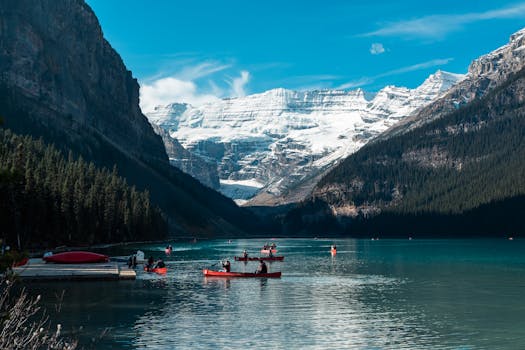 Photo: Donovan Kelly / Pexels
Coastal Wonders and Eastern Escapes: Iconic Canadian Parks
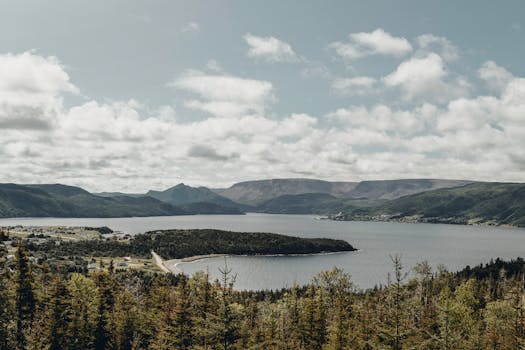 Photo: Daniel Battersby / Pexels
Northern Lights and Prairies: Unforgettable Canadian National Park Experiences
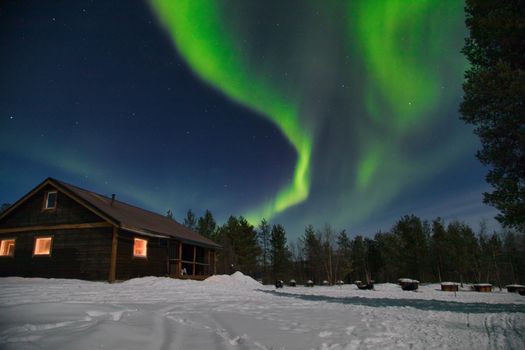 Photo: Koen Swiers / Pexels
Planning Your Adventure: Tips for Visiting Canada's National Parks
 Photo: Lara Jameson / Pexels
Comparison
| Feature | Banff National Park | Gros Morne National Park | Pacific Rim National Park Reserve |
|---|---|---|---|
| Primary Landscape | Rocky Mountains, Glaciers, Lakes | Fjords, Tablelands, Boreal Forest | Coastal Rainforest, Beaches, Islands |
| Key Activities | Hiking, Skiing, Wildlife, Scenery | Boating, Hiking, Geology, Culture | Surfing, Kayaking, Backcountry Hiking |
| Crowd Level (Summer) | High | Moderate | Moderate-High |
| UNESCO World Heritage | ✓ | ✓ | ✗ |
| Best for | Iconic Mountain Views, Amenities | Unique Geology, Coastal Beauty | Ocean Adventure, Wilderness |
What Readers Say
"Visiting Banff, one of the best national parks in Canada, was a dream come true. The turquoise lakes are even more stunning in person, and the hiking opportunities are endless. I can't wait to return!"
Sarah J. · Toronto, ON"Gros Morne offered an incredibly unique landscape that felt ancient and majestic. The boat tour through the fjord was a highlight, a truly unforgettable experience in one of the best national parks in Canada."
Mark D. · Seattle, WA"Pacific Rim National Park Reserve totally exceeded my expectations. Surfing at Long Beach was exhilarating, and the rainforest trails were so serene. It's truly one of the best national parks in Canada for coastal adventure."
Emily R. · Vancouver, BC"Jasper National Park was amazing, though a bit busy in August. The sheer scale of the mountains and the clarity of the night sky for stargazing were incredible. Next time, I'll try visiting in the shoulder season."
David K. · Calgary, AB"As an international visitor, navigating the best national parks in Canada was surprisingly easy with good planning. The diversity from the Rockies to Cape Breton was astounding, making for an epic road trip."
Jessica L. · London, UKFrequently Asked Questions
What is the best time of year to visit Canada's national parks?
The best time largely depends on the park and your desired activities. Summer (June to September) offers the warmest weather and full access to trails and services, but also the largest crowds. Spring and Fall (shoulder seasons) provide beautiful scenery, fewer people, and often good wildlife viewing, but some services may be limited. Winter is ideal for snow sports but many roads and trails are inaccessible.
Are Canada's national parks accessible for all abilities?
Parks Canada is committed to accessibility. Many parks offer accessible trails, viewpoints, and facilities. However, the rugged nature of some parks means that not all areas are fully accessible. It's best to check the specific park's website for detailed accessibility information and available services before your visit.
Do I need reservations for camping or activities in national parks?
Yes, for popular parks and during peak seasons, reservations for camping, backcountry permits, and even certain day-use areas (like Lake Louise in Banff) are highly recommended and often mandatory. Reservations typically open months in advance via the Parks Canada reservation system. Planning ahead is crucial to secure your spot.
How much does it cost to enter Canada's national parks?
Entry fees vary, but generally, you'll need a park pass. A daily pass is available for individual parks, or you can purchase an annual Discovery Pass, which grants unlimited admission to all national parks and national historic sites for a year. Check the Parks Canada website for current pricing and pass options, as fees can change.
What are the rules for pets in national parks?
Pets are generally welcome in most national parks, but they must be kept on a leash at all times (usually 3 meters or less) and are not permitted in some areas, such as sensitive wildlife habitats or certain buildings. Always clean up after your pet. Specific rules can vary by park, so it's important to check the park's website before bringing your furry friend.
Who should visit the best national parks in Canada?
Anyone with a love for nature, adventure, and breathtaking landscapes will find something to cherish in Canada's national parks. From avid hikers and wildlife photographers to families seeking outdoor recreation and cultural experiences, these parks offer diverse opportunities for all ages and fitness levels.
Is it safe to encounter wildlife in national parks?
While wildlife encounters are a highlight, safety is paramount. Parks Canada provides extensive guidelines on how to behave in bear country and around other animals. Always keep a safe distance, never feed wildlife, and carry bear spray if recommended. Staying informed and prepared minimizes risks.
How are Canada's national parks protecting the environment?
Parks Canada implements various conservation programs, including wildlife monitoring, habitat restoration, and climate change adaptation strategies. They also promote visitor education on 'Leave No Trace' principles and sustainable tourism practices to ensure the long-term ecological integrity of these protected areas.
Embark on an unforgettable journey through the best national parks in Canada. Whether you seek towering mountains, pristine coastlines, or vast wilderness, these natural treasures await your discovery. Start planning your Canadian adventure today and create memories that will last a lifetime.