
Unforgettable Hiking Trails in Canadian Rockies: Your Guide
Embark on an epic journey through the Canadian Rockies, exploring stunning landscapes and pristine wilderness.
Plan Your AdventureKey Takeaways
- ✓ The Canadian Rockies boast over 1,500 km of marked hiking trails.
- ✓ Home to six national parks, including Banff, Jasper, and Yoho.
- ✓ Best hiking season typically runs from late June to early October.
- ✓ Many trails offer diverse experiences, from easy strolls to multi-day expeditions.
How It Works
Research specific national or provincial parks like Banff, Jasper, or Kananaskis. Select trails based on your fitness level, desired length, and scenic preferences.
Check weather forecasts, trail conditions, and bear warnings. Pack essentials like water, snacks, appropriate clothing layers, navigation tools, and bear spray.
For popular trails, backcountry camping, or certain national park access, permits may be required. Book accommodations or campsites well in advance, especially during peak season.
Stay on marked trails, practice Leave No Trace principles, and be bear aware. Inform someone of your itinerary and carry a communication device for emergencies.
Exploring the Iconic Banff National Park Trails
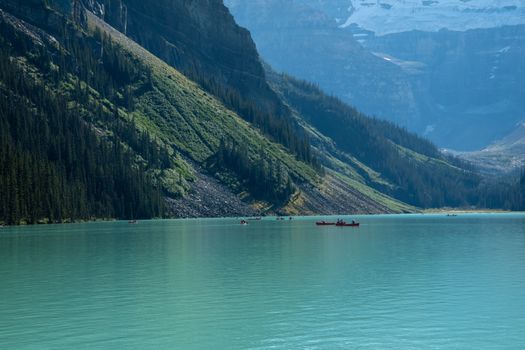 Photo: Andrew Patrick Photo / Pexels
Jasper National Park: Wilderness and Solitude on Foot
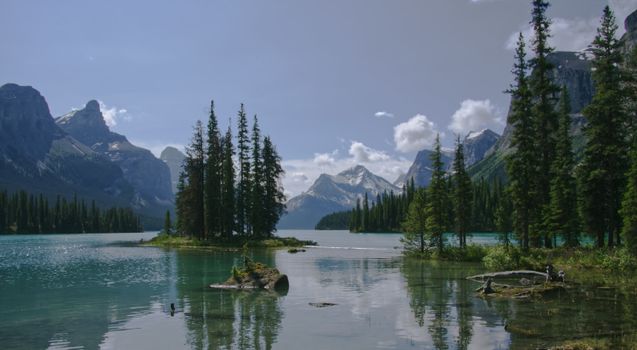 Photo: Dominique BOULAY / Pexels
Beyond the Big Parks: Kananaskis, Yoho, and Waterton
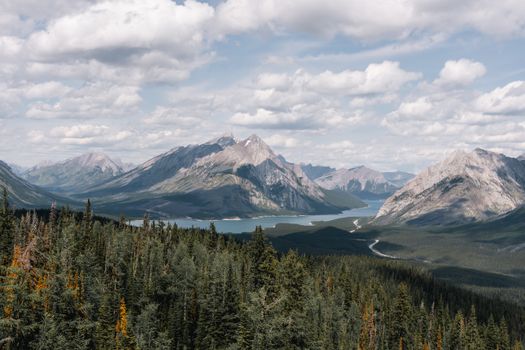 Photo: Arjay Neyra / Pexels
Essential Tips for Safe and Enjoyable Hiking in the Rockies
Comparison
| Feature | Banff National Park | Jasper National Park | Kananaskis Country |
|---|---|---|---|
| Crowd Level (Peak Season) | High | Medium | Medium-Low |
| Trail Variety | Excellent | Excellent | Excellent |
| Accessibility | Very High | High | High |
| Backcountry Options | Extensive | Extensive | Extensive |
| Iconic Landmarks | ✓ | ✓ | ✗ |
| Permit Requirements | Park Pass, some trail permits | Park Pass, some trail permits | Kananaskis Conservation Pass |
What Readers Say
"The hiking trails in Canadian Rockies exceeded all my expectations! We did the Lake Agnes Tea House hike in Banff, and the views were simply out of this world. The tea house at the top was such a charming reward after the climb."
Sarah P. · Vancouver, BC"Jasper's trails offered a sense of wild solitude that I truly cherished. The Valley of the Five Lakes was a stunning, easy hike, and the Maligne Canyon was absolutely breathtaking. I felt completely immersed in nature."
David L. · Toronto, ON"We spent a week exploring various hiking trails in Canadian Rockies, especially around Kananaskis. The Ha Ling Peak scramble was challenging but the panoramic views made all the effort worth it. I even saw a bighorn sheep near the summit!"
Emily R. · Calgary, AB"While Banff was undeniably beautiful, some of the popular trails were quite crowded. Next time, I'd focus more on Jasper or Yoho for a bit more peace and quiet, although the scenery in Banff was still incredible."
Mark J. · Seattle, WA"As an international traveler, navigating the hiking trails in Canadian Rockies seemed daunting, but the visitor centers were incredibly helpful. We did a guided hike to Crypt Lake in Waterton, and it was the most thrilling and unique trail I've ever experienced."
Jessica M. · London, UKFrequently Asked Questions
What is the best time of year for hiking trails in Canadian Rockies?
The prime hiking season in the Canadian Rockies typically runs from late June to early October. Before late June, many high-elevation trails may still be covered in snow or mud. By mid-October, snowfall can begin, making some trails impassable. Shoulder seasons (late May/early June and late September/early October) can offer fewer crowds and beautiful fall colors, but require more vigilance for changing weather and trail conditions.
Are permits required for hiking in the Canadian Rockies?
Yes, a Parks Canada Discovery Pass or a daily pass is required for entry into all national parks (Banff, Jasper, Yoho, Waterton, Kootenay, Elk Island). Specific permits are also needed for backcountry camping, and some popular day-use areas might require timed entry or shuttle reservations, especially in peak season. Always check the official Parks Canada website for the latest requirements.
How do I prepare for a multi-day hike in the Canadian Rockies?
For multi-day hikes, thorough preparation is crucial. This includes securing backcountry permits well in advance, planning your route, understanding elevation gains, packing lightweight but essential gear (tent, sleeping bag, cooking equipment, dehydrated food, first aid), ensuring you have a reliable navigation system, and informing someone of your detailed itinerary. Physical conditioning is also key to enjoying longer treks.
What are the costs associated with hiking in the Canadian Rockies?
Primary costs include a Parks Canada Pass (approximately $22/day per car or $151.25/year for a Discovery Pass), accommodation (campgrounds or hotels), food, and transportation. Optional costs may include shuttle services, guided tours, gear rentals, or a Kananaskis Conservation Pass for Kananaskis Country ($15/day or $90/year). Backcountry permits also have a fee.
Is hiking in the Canadian Rockies safe for beginners?
Yes, there are numerous hiking trails in Canadian Rockies suitable for beginners, ranging from easy, paved paths to gentle forest walks. National parks provide well-marked and maintained trails. Beginners should start with shorter, well-trafficked routes, go with a companion, carry essentials, and stay informed about weather and trail conditions to ensure a safe and enjoyable experience.
Who should consider hiking in the Canadian Rockies?
Anyone with a love for nature, mountains, and outdoor adventure should consider hiking in the Canadian Rockies. From families with young children seeking easy nature walks to experienced mountaineers looking for challenging alpine scrambles and multi-day treks, the diverse range of trails ensures there's an unforgettable experience for every fitness level and interest.
What are the main risks when hiking in the Canadian Rockies?
The main risks include sudden weather changes, wildlife encounters (especially bears and cougars), uneven and slippery terrain leading to falls, hypothermia or heatstroke, and getting lost. Mitigate these risks by proper preparation, carrying essential gear, staying informed about conditions, hiking with a buddy, and knowing how to respond to wildlife encounters.
How are the hiking trails in Canadian Rockies being preserved for the future?
Parks Canada and provincial park authorities implement strict regulations to preserve the natural integrity of the hiking trails in Canadian Rockies. This includes enforcing Leave No Trace principles, managing visitor access, maintaining trails to prevent erosion, conducting wildlife monitoring and management, and educating visitors on responsible tourism practices. Conservation efforts are ongoing to protect these pristine environments for future generations.
Embark on an unforgettable journey through the breathtaking hiking trails in Canadian Rockies. Whether you seek a leisurely stroll or an epic alpine adventure, these majestic mountains await your discovery. Start planning your dream hike today and create memories that will last a lifetime.