Seamless Automatic Car Rental Germany Booking
Automatic Car Rental Germany Booking

Seamless Automatic Car Rental Germany Booking

Unlock the freedom of Germany's scenic routes with an automatic car, ensuring a comfortable and confident journey from Canada.

Book Your German Adventure

Key Takeaways

  • ✓ Automatic cars are less common in Germany; book well in advance.
  • ✓ Canadian drivers licenses are typically accepted for up to 6 months.
  • ✓ International Driving Permit (IDP) is highly recommended, though not always mandatory.
  • ✓ Insurance coverage is crucial; understand CDW/LDW options.

How It Works

1
Plan Your Route & Dates

Determine your travel itinerary and exact rental dates to secure the best rates and car availability. Consider pick-up and drop-off locations carefully.

2
Compare Providers & Book

Utilize online comparison sites and direct rental company websites to find an automatic car. Filter by 'automatic transmission' and book as early as possible.

3
Prepare Documentation

Gather your valid Canadian driver's license, an International Driving Permit (IDP), passport, and credit card. Ensure all documents are current and accessible.

4
Pick Up Your Vehicle

Inspect the car thoroughly for any existing damage before driving off and ensure you understand the fuel type. Ask about roadside assistance and local traffic laws.

Why Choose Automatic Car Rental Germany Booking from Canada?
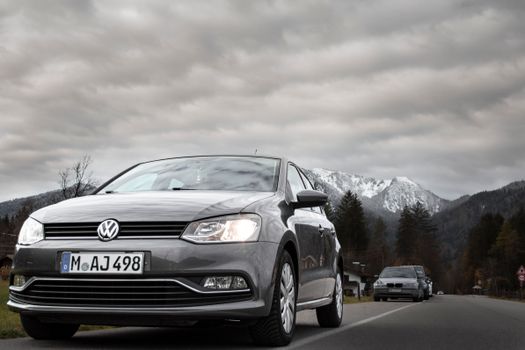
Volkswagen car driving on a scenic road in Tegernsee, Bavaria, with mountains and overcast sky. Photo: Niclas Haritos / Pexels
For Canadian travellers accustomed to automatic transmissions, the prospect of navigating Germany's autobahns and charming village roads in a manual car can be daunting. While manual transmissions are more prevalent in Europe, opting for an automatic car rental in Germany offers a level of comfort and familiarity that can significantly enhance your travel experience. Imagine cruising along the Romantic Road, admiring fairytale castles, or exploring the vibrant streets of Berlin, all without the added stress of constantly shifting gears. This choice allows you to focus on the breathtaking scenery, the rich history, and the unique culture unfolding around you, rather than grappling with an unfamiliar gearstick. It's about prioritizing relaxation and enjoyment, ensuring your German adventure is as smooth and effortless as possible. Beyond personal preference, there are practical advantages to booking an automatic. If you're planning a long road trip, especially one involving city driving or mountainous terrain, an automatic transmission can reduce driver fatigue considerably. Stop-and-go traffic in bustling urban centers like Munich or Hamburg becomes less of a chore, and navigating winding alpine passes in Bavaria feels far more manageable. Furthermore, for those who might not have driven a manual vehicle in years, or perhaps never at all, attempting to learn or re-learn on foreign roads with different traffic laws can add unnecessary pressure. By securing an automatic car rental in Germany, you're investing in peace of mind, allowing you to fully immerse yourself in the journey. This decision is particularly pertinent for travellers from Canada, where automatics are the overwhelming norm. Don't let a minor detail like transmission type detract from the grand adventure that awaits. Plan ahead, book early, and ensure your German road trip is a memorable one for all the right reasons. Understanding the nuances of international car rental can make a significant difference in your overall experience. Consider the benefits of an automatic as a core component of your travel strategy, especially if you plan to cover extensive distances across Germany's diverse landscapes. This foresight will pay dividends in comfort and enjoyment throughout your trip. The convenience factor alone often outweighs any perceived cost difference, especially when you consider the value of a stress-free vacation.

Navigating the Booking Process: Tips for Canadians

Booking an automatic car rental in Germany from Canada requires a few strategic considerations to ensure a smooth and successful experience. Firstly, and arguably most importantly, book well in advance. Automatic vehicles are a minority in the German rental fleet, especially outside major international airports. Demand often outstrips supply, particularly during peak travel seasons like summer, Oktoberfest, or Christmas markets. Aim to book several months ahead if possible, or at least 4-6 weeks for off-peak travel. This proactive approach significantly increases your chances of securing your preferred vehicle type and often results in better rates. Secondly, utilize reputable online comparison platforms (like Expedia, Kayak, Rentalcars.com) in conjunction with direct bookings through major international rental companies (Hertz, Avis, Enterprise, Sixt, Europcar). These platforms allow you to filter specifically for 'automatic transmission' cars. While comparison sites can give you a good overview of prices, always check the direct websites of a few rental companies as well, as they sometimes offer exclusive deals or have different inventory. When comparing, pay close attention to what's included in the price: unlimited mileage, insurance coverage (Collision Damage Waiver/Loss Damage Waiver – CDW/LDW), roadside assistance, and taxes. Some base prices might look attractive but hide significant add-ons. Thirdly, understand the documentation requirements. Your valid Canadian driver's license is generally accepted in Germany for up to six months. However, an International Driving Permit (IDP) is highly recommended, and in some cases, absolutely essential. While not always legally required by rental agencies, local police officers might request it, and it serves as an official translation of your license, which can be invaluable in case of an accident or traffic stop. You can easily obtain an IDP from the Canadian Automobile Association (CAA) before your trip. Ensure your credit card has sufficient limits and is accepted for the security deposit, which can be substantial. Finally, be flexible with your pick-up and drop-off locations if possible. Renting from major airport hubs (Frankfurt, Munich, Berlin) often provides a wider selection of automatic vehicles and more competitive pricing due to higher volume. Picking up in smaller towns might limit your options and increase costs. Always double-check the rental agency's hours of operation at your chosen locations, especially if you have an early morning or late-night flight. A little planning goes a long way in securing your ideal automatic car for your German adventure.

Our partners at Rental Car Germany offer related services.

Essential Insurance and Road Rules for German Driving

Understanding insurance and local road rules is paramount for any Canadian embarking on an automatic car rental in Germany. Don't let the excitement of the autobahn overshadow the importance of being adequately protected and informed. In Germany, third-party liability insurance is mandatory and is usually included in your rental price. This covers damages to other vehicles, property, or injuries to other people. However, this basic coverage typically does not protect you from damage to your rental vehicle or theft. For that, you'll need to consider Collision Damage Waiver (CDW) and Theft Protection (TP), often bundled as Loss Damage Waiver (LDW). While your Canadian credit card might offer some car rental insurance benefits, it's crucial to verify the specifics. Many credit card coverages exclude certain vehicle types (like luxury cars or vans), have geographical restrictions, or may not cover the high deductibles often associated with European rentals. Always call your credit card provider directly to confirm their policy for rentals in Germany. If your credit card doesn't offer adequate coverage, or if you prefer comprehensive protection, you can purchase CDW/LDW directly from the rental company or through a third-party insurance provider. Be aware that rental company CDW often comes with a deductible (excess), meaning you'd still be responsible for the first few hundred euros of damage. Zero-excess options are usually available for an additional premium, offering complete peace of mind. Beyond insurance, familiarizing yourself with German road rules is essential. The autobahn, famous for its unrestricted speed sections, still has significant rules. The left lane is strictly for passing; always yield to faster traffic. On sections without a speed limit, a recommended speed of 130 km/h (80 mph) is advised. Always be aware of speed limits posted on signs, as they can change frequently. Children under 12 or shorter than 150 cm must use an appropriate child seat. Seatbelts are mandatory for all occupants. Germany has strict drunk driving laws, with a very low blood alcohol limit. Hands-free mobile phone use is permitted, but holding a phone while driving is illegal. Remember that in Germany, pedestrians always have the right of way at marked crossings. Understanding these rules will not only keep you safe but also help you avoid costly fines and ensure a pleasant driving experience. For more detailed information on regulations, consider visiting the official German road safety websites before your trip. Being prepared with both insurance and knowledge of local laws will contribute to a stress-free and enjoyable journey through Germany's stunning landscapes. Delving into the specifics of European driving regulations will further enhance your readiness.

Maximizing Your Trip: Tips for Automatic Car Rental Germany Booking

To truly maximize your experience with an automatic car rental in Germany, consider these expert tips that go beyond just the booking itself. Firstly, upon picking up your vehicle, take a comprehensive video or photographic record of its condition, both inside and out. Document any existing scratches, dents, or interior damage, no matter how minor. This pre-emptive measure can save you from potential disputes and unfair charges upon return, especially if a new scratch is later attributed to you. Ensure the rental agent acknowledges and notes any pre-existing damage on your rental agreement. Secondly, familiarize yourself with the car's features before leaving the rental lot. This includes knowing how to operate the lights, wipers, navigation system (if provided), and, crucially, how to open the fuel cap and identify the correct fuel type (petrol/gasoline or diesel). German cars often have specific fuel requirements, and using the wrong fuel can lead to expensive repairs. Ask the rental agent for clarification if anything is unclear. Thirdly, consider investing in a GPS or using a reliable navigation app on your smartphone (e.g., Google Maps, Apple Maps, Waze). While many rental cars offer built-in GPS, ensuring you have a backup, especially one you're familiar with, can prevent getting lost in unfamiliar territories. Download offline maps before you travel, as mobile data coverage can be spotty in some rural areas. Fourthly, be mindful of environmental zones (Umweltzonen) in German cities. Many major cities, including Berlin, Munich, and Cologne, require vehicles to display an environmental badge (Feinstaubplakette) to enter these zones. Rental cars generally come equipped with the correct badge, but it's wise to confirm this with the rental company. Driving into an environmental zone without a valid badge can result in a fine. Finally, factor in parking. Parking in German cities can be challenging and expensive. Look for parking garages (Parkhaus) or designated street parking. Always check signs carefully for restrictions and payment methods. Many cities use parking meters or apps. Planning your accommodation with parking facilities can also save a lot of hassle. By keeping these practical tips in mind, your automatic car rental in Germany will be a smooth, enjoyable, and truly memorable part of your European adventure, allowing you to focus on the incredible sights and experiences rather than logistical headaches. * **Inspect Thoroughly:** Before driving off, document all existing damage with photos/videos. * **Fuel Type Awareness:** Confirm the correct fuel (petrol/diesel) and cap release mechanism. * **Navigation Readiness:** Use GPS or reliable apps; download offline maps. * **Environmental Zones:** Ensure your rental has the required 'Umweltplakette' for city driving. * **Parking Strategy:** Plan for parking in cities; utilize garages and check signs carefully.

Comparison

FeatureBest OptionAlternative 1Alternative 2
Booking Timeframe3-6 months in advance1-2 months in advanceLast minute (risky)
IDP RequirementHighly RecommendedNot always checkedNot needed (false)
Insurance CoverageFull CDW/LDW (Zero Excess)Credit Card Coverage (verify)Basic Liability Only
Pick-up LocationMajor AirportsLarger City CentersSmaller Towns
Vehicle ChoiceWide range of automaticsLimited automatic selectionVery limited/no automatics

What Readers Say

"Booking an automatic car for our Germany trip was the best decision. We used Hertz via a comparison site, and the process from Canada was seamless. Picked up a BMW 3-series automatic in Frankfurt, and it made navigating the autobahn so much more enjoyable and stress-free."

Sarah J. · Toronto, ON

"As someone who exclusively drives automatics, I was worried about finding one in Germany. Thanks to early booking through Sixt, I secured a great VW Golf automatic in Munich. The customer service was excellent, and the car was perfect for our Bavarian road trip."

Mark P. · Vancouver, BC

"Our automatic car rental from Enterprise in Berlin was fantastic. We explored the Harz Mountains and then drove to Dresden without any issues. Having an automatic meant we could truly relax and enjoy the stunning scenery, delivering exactly the comfortable trip we hoped for."

Emily R. · Calgary, AB

"The automatic car was pricier than a manual, but it was worth every penny for the convenience. We booked through Europcar a few months out, and while the pick-up line was long at Frankfurt Airport, the car itself (an Opel Astra automatic) was clean and ran perfectly. Would do it again."

David L. · Montreal, QC

"Travelling with young kids, an automatic transmission was non-negotiable for us. We found a great family-sized automatic SUV through Avis for our Black Forest adventure. The extra space and ease of driving made all the difference on long drives between destinations."

Jessica M. · Ottawa, ON

Frequently Asked Questions

Is it difficult to find an automatic car rental in Germany?

While not as common as manual cars, automatic transmissions are available in Germany, especially from major international rental companies and at larger airport locations. The key is to book well in advance, ideally several months before your trip, to ensure availability and better pricing, particularly during peak travel seasons.

Do I need an International Driving Permit (IDP) to rent a car in Germany as a Canadian?

Yes, while your Canadian driver's license is generally accepted for up to six months, an International Driving Permit (IDP) is highly recommended. It serves as an official translation of your license, which can be crucial for communication with local authorities or in case of an accident. You can obtain an IDP from the CAA before your trip.

What's the best way to book an automatic car in Germany from Canada?

The best approach is to use a combination of online travel agencies (OTAs) and direct rental company websites. Start with OTAs like Expedia or Kayak to compare prices, then check directly with major providers like Hertz, Sixt, Avis, or Enterprise. Always filter specifically for 'automatic transmission' and book as early as possible.

Is it more expensive to rent an automatic car in Germany?

Yes, automatic cars are generally more expensive to rent in Germany compared to manual transmission vehicles. This is due to their lower availability and higher demand from international visitors. However, for many Canadian travellers, the added cost is a worthwhile investment for the comfort and ease of driving.

How does car rental insurance work in Germany for Canadians?

Third-party liability is mandatory and included. For damage to your rental or theft, you'll need Collision Damage Waiver (CDW) and Theft Protection (TP). Check if your Canadian credit card offers coverage and its specifics for overseas rentals, as many have exclusions. Otherwise, purchase comprehensive coverage from the rental company or a third-party insurer.

Who should prioritize automatic car rental in Germany?

Anyone accustomed to driving automatics, those planning long road trips or city driving, individuals who find manual shifting stressful, or travelers who simply want to focus on the scenery rather than the mechanics of driving will greatly benefit from an automatic car rental in Germany.

Are there any specific driving rules in Germany I should be aware of?

Absolutely. Key rules include always keeping to the right on the autobahn, using the left lane only for passing, respecting speed limits (even on unrestricted sections), mandatory seatbelt use, strict drunk driving laws, and the requirement for an environmental badge in many city zones. Familiarize yourself with these before you go.

What are the future trends for automatic car availability in Germany?

The trend towards automatic transmissions is slowly increasing in Europe, including Germany, driven by electric vehicle adoption and global preferences. While manuals will likely remain dominant for some time, the availability of automatics is expected to improve, making future bookings potentially easier, though early booking will likely remain advisable.

Embark on your unforgettable German adventure with the comfort and confidence of an automatic transmission. Start your Automatic Car Rental Germany Booking today to secure the perfect vehicle for your journey and explore Germany's stunning landscapes and vibrant cities with ease.

Topics: Automatic Car Rental Germany BookingGermany automatic car hirerenting car in Germany from CanadaGerman road trip automaticautomatic transmission rental Germany
Leo List
Brampton weed
Adultwork